
Reviewed · BALINESE COOKING CLASSES
Balinese Cooking Class with Traditional Market Tour
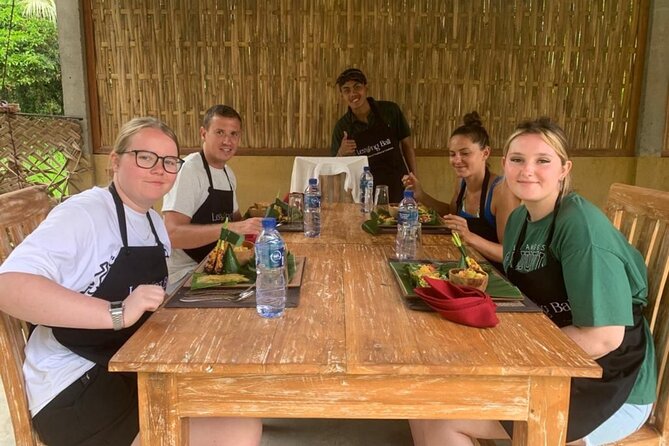
Ubud’s best food lesson may begin before you reach the kitchen. You visit a local market while the morning is still cool, see the produce used in everyday Balinese cooking, then work with herbs and spices in an organic garden. I like the market-to-table flow and the fact that you prepare every dish yourself, including the spice paste ground in a heavy stone mortar.
I also like the small-group size, which ranges from four to 12 people, and the ease of door-to-door transfers. The main drawback is timing: the cooking class itself is listed at about two and a half hours, but pickup, market time, and drop-off make the full outing roughly six hours. You will need a full morning, not just a quick lesson before lunch.
In This Review
- Key points to know before booking
- A 7:30 am start in the real morning market
- From market produce to the organic garden
- Why the stone mortar is the heart of the lesson
- Cooking five dishes in a traditional open kitchen
- Lunch tastes better when you made every dish
- What the $58.16 price really covers
- Transfers make the long morning easier
- Who will enjoy this Ubud cooking class most
- Booking details and cancellation
- Should you book it?
- FAQ
- What time does the tour start?
- How long does the full experience take?
- How many people can join the class?
- Are hotel transfers included?
- What food is included?
- Can I cancel for a full refund?
Key points to know before booking
- The morning starts at 7:30 am: You visit the traditional market before the heat builds, then continue to the cooking compound.
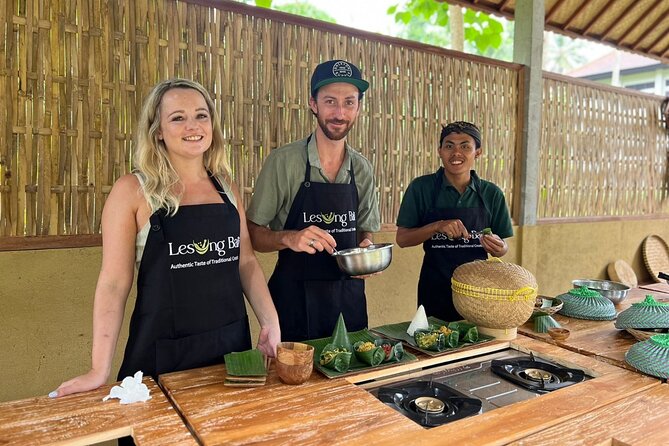
- You cook five dishes and one dessert: Lunch consists of the food you prepare, so arrive hungry.
- The stone mortar matters: Grinding spice paste by hand shows why Balinese sauces take time and effort.
- Small groups keep the lesson personal: Bookings are capped at six people, while the full class can hold up to 12.
- Transfers are included: Pickup and return to your original meeting point make this easier than arranging your own transport.
- A market guide adds local detail: Guides named in the experience include Ron and Nyoman, while driver Yoga has been praised for punctual pickup and clear English.
A 7:30 am start in the real morning market
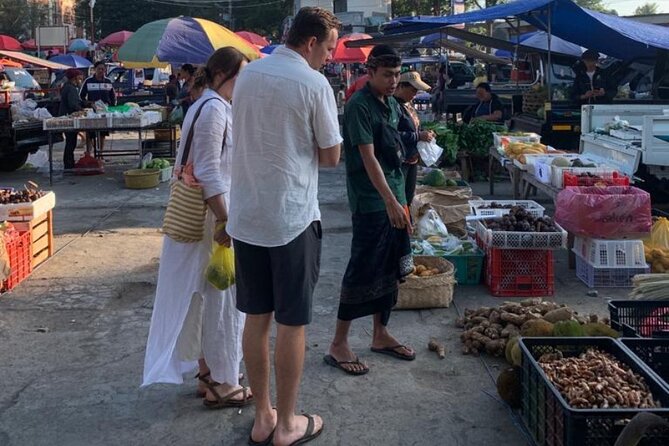
Your day begins with pickup from your accommodation, followed by a direct visit to a traditional market. The early start is practical, not decorative. Morning is cooler, and the market is the right place to see the ingredients before they become lunch.
This is also the point where the experience reaches beyond a standard cooking demonstration. You are not simply handed a basket of preselected vegetables. You walk through the market and see how Balinese people buy food and spend part of their morning.
A guide such as Ron or Nyoman can help explain the vegetables, fruits, herbs, and local customs as you move through the stalls. The supplied experience does not promise a fixed market name or a set list of ingredients, so the exact sights will depend on the day’s shopping needs.
I like this part because it gives the cooking class a useful setting. When you later chop, grind, and cook, you already have a sense of where the ingredients came from. The market also offers a clearer look at ordinary life than a staged cultural display.
You should expect a working market rather than a polished food hall. That means the floor, walkways, and pace may be less comfortable than a tourist attraction. Wear shoes that can handle an outdoor visit, and keep your morning flexible in case the market portion takes longer than expected.
More Balinese cooking classes:
- Ubud Cooking Class Bali with Balinese Chef
★ 5.0 · 1,609 reviews - Ubud: Cooking Class with Transfers and Optional Market Visit
★ 4.9 · 824 reviews - PRIVATE Authentic Balinese Cooking Class in Ubud at Putu’s Home
★ 5.0 · 644 reviews
From market produce to the organic garden
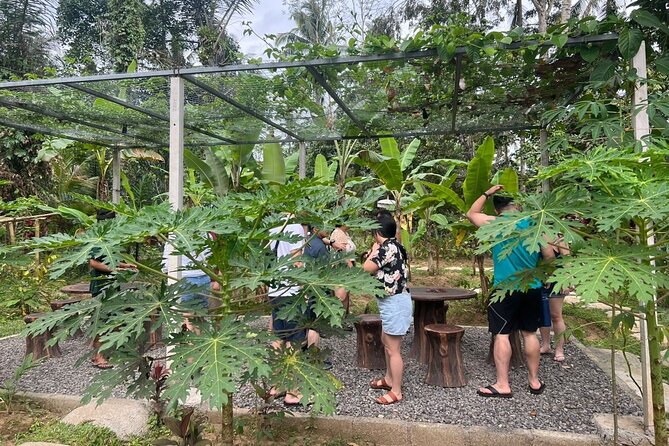
After the market, you continue to a traditional compound home and Balinese kitchen. Before cooking begins, your guide introduces herbs and spices growing in an organic garden.
This garden visit is a small part of the schedule, but it helps connect the market visit with the kitchen. You can see some of the plants in their growing form before using related ingredients in your food preparation. Coffee and cake are provided as a welcome refreshment, which is useful after the early pickup and market walk.
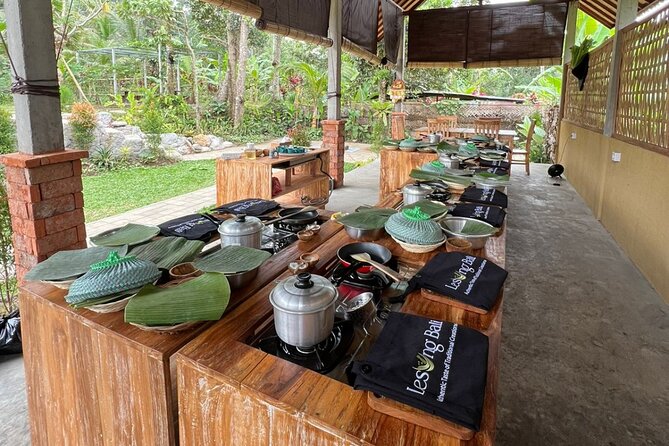
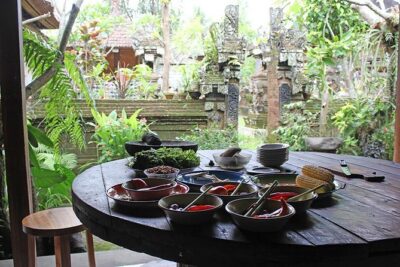
The setting matters here. Cooking in a typical compound home gives you a look at the kind of open kitchen space associated with Balinese household cooking. It is a more grounded experience than standing at a modern cooking school counter, though an open kitchen can also mean more exposure to heat and outdoor conditions.
The class includes bottled water, a welcome drink, and a snack. Those are modest inclusions, but they help because the morning begins early and the final lunch comes only after the preparation work.
Why the stone mortar is the heart of the lesson
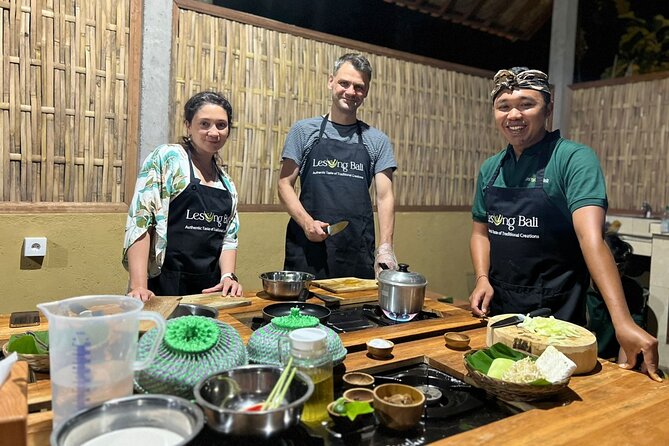
The most distinctive skill in this class is the preparation of spice paste and sauce. Balinese cooking depends heavily on seasoning mixtures, and you learn two basic methods: chopping ingredients on a wooden block and grinding them in a stone mortar.
The mortar work is not a quick photo opportunity. You process the ingredients by hand before they are cooked into the dishes. This gives you a better feel for the labor behind Balinese sauces than watching an instructor make a finished paste in advance.
I especially like that the class does not reduce Balinese food to a list of exotic ingredients. The technique is the lesson. You learn that texture, order, and patience matter, and you take part in the work rather than simply copying a recipe card.
The preparation is described as fully hands-on. You handle the chopping, grinding, and cooking yourself, with instruction from the cooking teacher. That makes the class a good fit if you enjoy being busy in the kitchen. If you prefer a relaxed demonstration where you sit and watch, the pace may feel full on.
The exact five dishes are not specified in the supplied details, so do not book expecting a particular menu unless the operator confirms it. You are promised five dishes and one dessert, all made during the class and served as your lunch.
Cooking five dishes in a traditional open kitchen
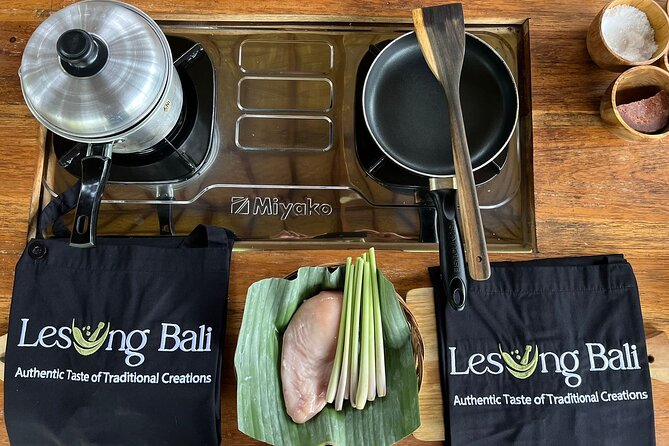
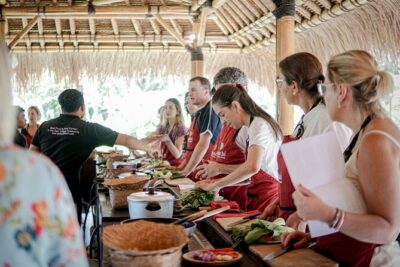
Once the spice work is underway, you prepare the rest of the meal using traditional utensils and methods. The class focuses on the process rather than just the final plate, so you should expect a steady sequence of chopping, grinding, mixing, and cooking.
A group of four to 12 people gives the class a social feel without making it a huge demonstration. A booking can contain up to six people, while the full activity can accommodate 12 participants. If you want the most personal attention, a smaller booking is the safer choice.
The teacher’s role is important because traditional tools take some getting used to. You may find the mortar heavier or slower than a modern blender, but that is precisely what makes the lesson useful. You learn how the flavor base is built instead of treating it as a secret kitchen shortcut.
People who cook often will have plenty to do. Beginners can also take part because the instructor leads the preparation, but the class is still practical work. You should be comfortable standing, handling ingredients, and following several steps before lunch.
The experience is a good match for couples and friends who want an activity they can share. One supplied account describes a husband and wife enjoying the market, the food, and the cultural explanation together. The class also works for families or small groups, provided everyone is ready to participate rather than wait for service.
More market visits in Ubud:
- Balinese Ubud cooking school (9 Dish Cooking and Market Tour)
★ 5.0 · 540 reviews - Ubud: Balinese Cooking Class and Market Tour
★ 4.8 · 531 reviews - Balinese Cooking class with traditional morning market visit
★ 5.0 · 161 reviews - PRIVATE Ubud Market Tour & Balinese Cooking Class with Putu
★ 5.0 · 125 reviews
Lunch tastes better when you made every dish
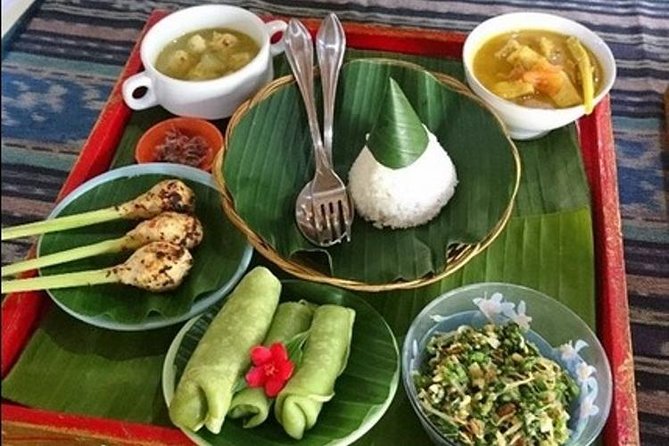
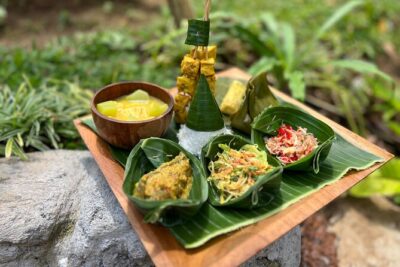
At the end of the lesson, you sit down to eat the five dishes and dessert you prepared. Lunch is included, along with the welcome drink, snack, and bottled water.
The meal is the payoff, but it is not the only reason to book. The stronger value comes from eating food that you have chopped, seasoned, and cooked from start to finish. You can connect the finished dish to the mortar, garden, and market steps that came before it.
Arrive hungry. The food portion is substantial enough that you might not finish everything, especially after a morning of cooking. That is a pleasant problem, but it is worth knowing if you have a small appetite.
The lunch also gives you a chance to ask final questions and compare your results with the other people in the group. Since the dishes are prepared by participants, small differences in seasoning or texture are part of the experience, not a flaw in the format.
A certificate of cooking class is included at the end. It is a simple extra, useful as a keepsake, though the real souvenir is the technique you can try again at home.
What the $58.16 price really covers
At $58.16 per person, this is not just a cooking lesson. The price includes hotel pickup and drop-off, the traditional market visit, garden introduction, instructor, welcome drink and snack, bottled water, lunch, certificate, and all five dishes plus dessert.
That package can offer solid value in Ubud, especially if your accommodation is covered by the pickup area and you would otherwise need to arrange transport. Door-to-door service also removes the need to find the market and kitchen on your own early in the morning.
The value is strongest for you if you want several activities joined into one outing: local food shopping, cultural context, gardening, cooking, and lunch. If you only want a short recipe lesson, the cost may feel high because much of the morning is spent on transport and the market visit.
Group discounts are available, though the amount is not specified. Ask for the current group rate if you are booking with several people. A booking can include a maximum of six people, but the class itself may include up to 12, so the final group size can affect how much individual help you receive.
Optional expenses are not included. The experience does not list specific extras, so ask the operator if you need clarity about anything beyond the stated inclusions.
Transfers make the long morning easier
Pickup is offered from your accommodation, with return to the original pickup point after lunch. This is one of the more useful features because the activity starts at 7:30 am and includes several stops.
One supplied account specifically praises driver Yoga for arriving exactly on time and speaking good English. That kind of punctuality matters when the group is meant to meet at the market early, though pickup details should still be confirmed at booking.
The full schedule is described as approximately six hours from pickup to drop-off. The cooking portion is separately described as about two hours and 30 minutes, so allow extra time for the market, transfers, and the meal.
This is not the best choice if you have a tightly packed afternoon appointment. It is a better fit for a free morning when you can let the market visit and lunch unfold without watching the clock.
Who will enjoy this Ubud cooking class most
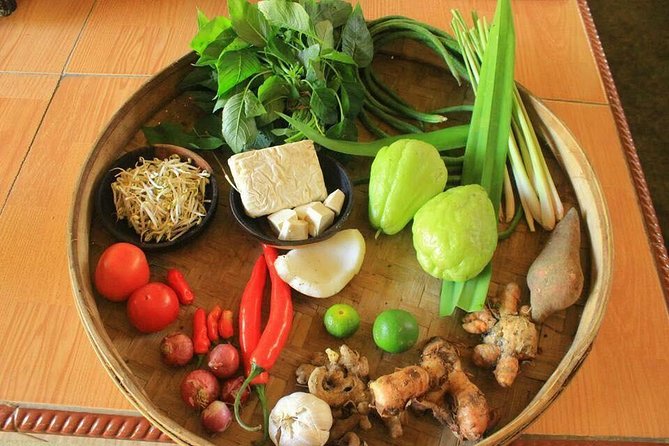
I would recommend this experience to you if food is your way into local culture. The market and garden give the class context, while the hands-on preparation gives you a skill to remember after the holiday.
It is particularly well suited to:
- Couples who want a shared morning activity
- Home cooks interested in spice pastes and traditional tools
- First-time visitors who want more than a restaurant meal
- Small groups that value included transport
- People who enjoy eating a substantial lunch after active preparation
You may want another type of tour if you dislike early starts, prefer air-conditioned settings, or want a short activity with no transport time. The open kitchen and traditional utensils are part of the appeal, but they also make the experience less polished and less predictable than a modern culinary studio.
The class is also not ideal if you need a guaranteed menu. Five dishes and one dessert are included, but the exact recipes are not provided here.
Booking details and cancellation
Confirmation is received at the time of booking. The experience is commonly booked about 21 days in advance, so reserve ahead if your Ubud dates are fixed.
Free cancellation is available when you cancel at least 24 hours before the local start time. Cancellations or changes made less than 24 hours before the experience are not accepted for a refund.
The activity has a mobile ticket, which is handy when you are arranging an early pickup. Check the pickup details carefully, since the advertised start time is 7:30 am and the day begins with the market visit.
Should you book it?
Book this class if you want to understand Balinese food through the work behind it. The best parts are the early market visit, the organic garden, and the stone-mortar spice preparation, followed by a five-dish lunch you made yourself.
The $58.16 price makes the most sense when you use the included transfers and value the full morning rather than only the cooking lesson. I would skip it if your schedule is tight, if you want a fixed menu, or if you would rather watch than cook.
For most food-focused visitors to Ubud, this is a practical and personal choice. Come hungry, leave plenty of time, and expect to do real kitchen work.
FAQ
What time does the tour start?
The tour starts at 7:30 am with pickup and a visit to the traditional market.
How long does the full experience take?
The cooking class is listed at approximately two hours and 30 minutes, while the full schedule from pickup to drop-off takes approximately six hours.
How many people can join the class?
A booking can include up to six people, and the full class can accommodate a maximum of 12 participants. The experience describes the usual group size as four to 12 people.
Are hotel transfers included?
Yes. Hotel pickup and drop-off are included, with return to the original pickup point.
What food is included?
You prepare and eat five dishes and one dessert. Lunch includes all the dishes made during the class.
Can I cancel for a full refund?
Yes, if you cancel at least 24 hours before the experience start time. Cancellations or changes made less than 24 hours before the local start time are not refunded or accepted.
More Workshops in Ubud
- Hands-On Silver Jewelry Making Near Ubud’s Monkey Forest
★ 4.9 · 1,789 reviews - Ubud Silver Class Jewelry making in bali
★ 5.0 · 978 reviews - Canggu: Bali Turtle Silver & Gold Workshop
★ 4.9 · 643 reviews - Balinese Farm Cooking Class by Pemulan Bali
★ 5.0 · 410 reviews
More Shopping Tours in Ubud
- Ubud Traditional Night Market Food Tour-All Inclusive
★ 4.4 · 95 reviews - Ubud Cooking Class with Optional Market Visit Pickup Included
★ 5.0 · 70 reviews - Ubud : Regular or Vegetarian cooking class with market visit
★ 4.8 · 57 reviews - Bali Food Tour: Savor Street Food and Night Market Adventures
★ 5.0 · 46 reviews
Just added around Ubud
- Authentic hike in the forest with lunch at the inhabitant★ 5.0 · 3 reviews
- Heaven Gate, Tirtagangga and Tukad Cepung Waterfall – All Inclusive★ 5.0 · 3 reviews
- Half Day Uluwatu Temple Sunset, Kecak Dance and Seafood Dinner★ 3.5 · 3 reviews
- Ubud: White Water Rafting with visit Ubud Monkey Forest★ 5.0 · 3 reviews
- ️Bali All Inclusive Tour: Ubud – Tegalalang – Kintamani★ 5.0 · 3 reviews
- East Bali and Lempuyang Temple Tour★ 5.0 · 3 reviews
- Ubud: Temple, Swing, Waterfall, Rice Terrace & Monkey Forest★ 5.0 · 3 reviews
- Blue Lagoon Snorkeling and Lunch with Tukad Cepung Waterfall★ 5.0 · 3 reviews
Balinese Cooking Classes, compared.
Cooking Class with Transfers and Optional Market Visit
Read our review →
PRIVATE Authentic Balinese Cooking Class in Ubud at Putu’s Home
Read our review →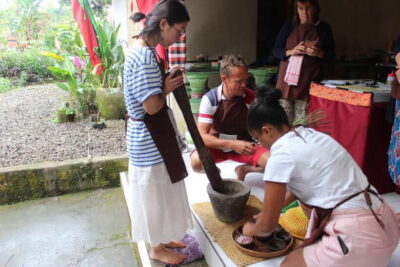
PRIVATE Balinese Cooking Class in Ubud with Dewa with Transfers
Read our review →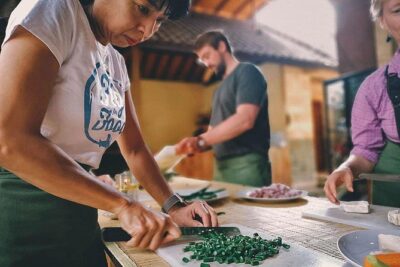
Balinese Cooking class with traditional morning market visit
Read our review →Browse the lists this tour appears in