
Reviewed · BALINESE COOKING CLASSES
Ubud: Authentic Traditional Balinese Village Cooking Class
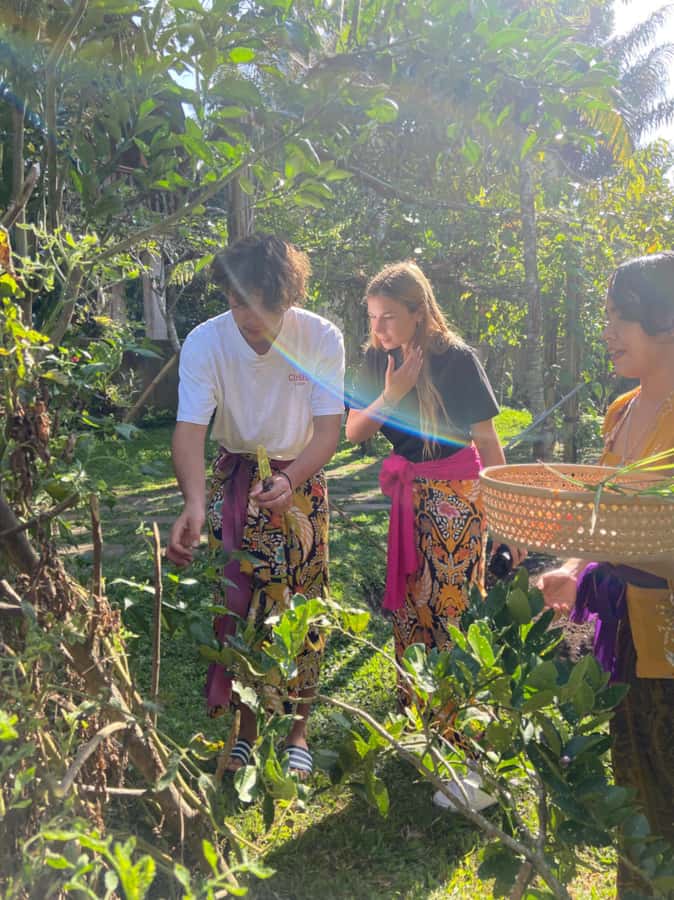
The best part of this private Balinese cooking class is that the food begins in the family garden, not on a shopping list. You visit Delodsema Village, learn about local spices and herbs, then carry fresh ingredients into an open-air kitchen to prepare lunch with a Balinese family.
I like the small setting, where only about 60 families live, and the chance to see daily village life beyond central Ubud. I also like that the class includes coffee or tea, lunch, cooking equipment, recipes in PDF form, and a visit to a traditional temple. The main consideration is timing: the experience is described as two hours to 150 minutes, and the optional rice terrace visit or market pickup may make the day longer.
In This Review
- Key points to know before booking
- Why Delodsema Village changes the cooking class
- From garden herbs to the open-air kitchen
- What you actually cook and learn
- Eating like a local with the family
- The temple, offerings, and everyday Balinese life
- Optional Taro rice terraces and irrigation
- Private group size makes a real difference
- What the $30 price includes
- Timing, language, and planning tips
- Who will enjoy this class most
- Should you book the Delodsema cooking class?
- FAQ
- Where does the cooking class take place?
- How long does the experience last?
- What language is used during the class?
- Is the cooking class private?
- What is included in the price?
- Is transportation from Ubud included?
- Where is the meeting point?
- Can vegetarians join the class?
- Can I cancel the booking for a refund?
Key points to know before booking
- The ingredients come from the family garden: You see the herbs, spices, coffee, and other produce before cooking with them.
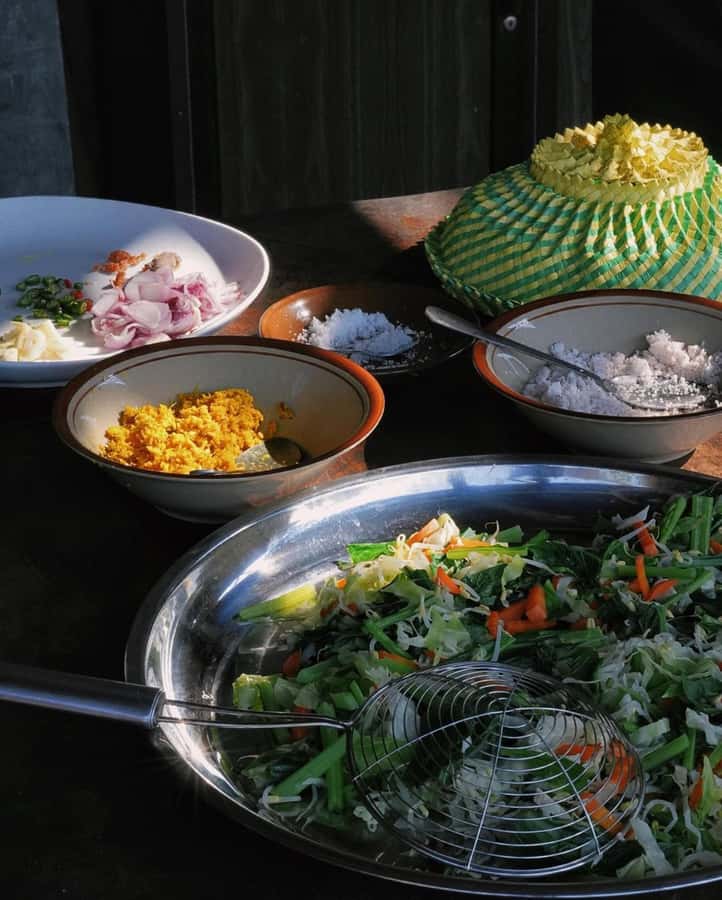
- You cook in a covered outdoor kitchen: The setup is hands-on, but preparation is organized in advance so you can focus on the important steps.
- The meal is eaten with the family: Lunch is served in the local style, with dishes placed on the ground and an explanation of how to eat like a Balinese local.
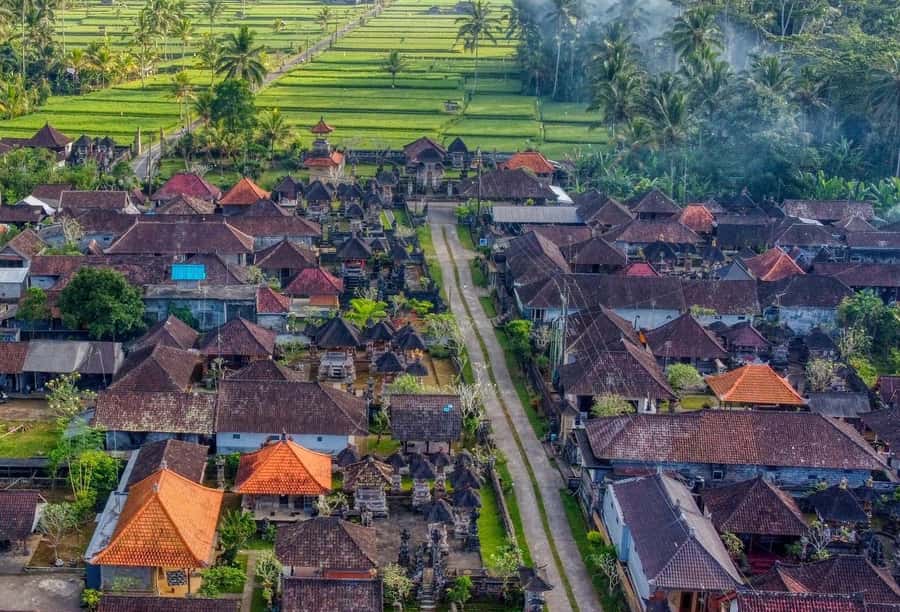
- The village is small and traditional: Delodsema has around 60 families, giving the class a quieter setting than a large commercial cooking school.
- A temple and rice terrace can be part of the visit: The program includes a look at village religious life and may continue to Taro for an explanation of the local irrigation system.
- Vegetarians are accommodated: Chicken satay can be replaced with tofu wrapped in banana leaf.
Why Delodsema Village changes the cooking class
Many cooking classes begin with a chef, a counter, and a row of measured ingredients. This one begins with a village walk. At Delodsema, you learn where the food comes from before you sit down to prepare it.
The village is described as home to only about 60 families. That number matters. You are not being dropped into a staged cultural park with a long line of coaches. You are visiting a small community where the cooking class is tied to a real family home, garden, and local routine.
Your hosts welcome you with a Balinese drink. Depending on the timing and the host, that may include coffee made from beans grown in the garden, Balinese tea, or fresh coconut water. These small touches make the first few minutes feel like a family visit rather than a formal lesson.
The hosts have included women such as Puti and Sangayu, as well as Kadek and other family members. English is the teaching language, and the hosts explain the ingredients and cooking steps in English. The class is private, so you can ask questions without holding up a larger group.
More Balinese cooking classes:
- Ubud Cooking Class Bali with Balinese Chef
★ 5.0 · 1,609 reviews - Ubud: Cooking Class with Transfers and Optional Market Visit
★ 4.9 · 824 reviews - PRIVATE Authentic Balinese Cooking Class in Ubud at Putu’s Home
★ 5.0 · 644 reviews
From garden herbs to the open-air kitchen
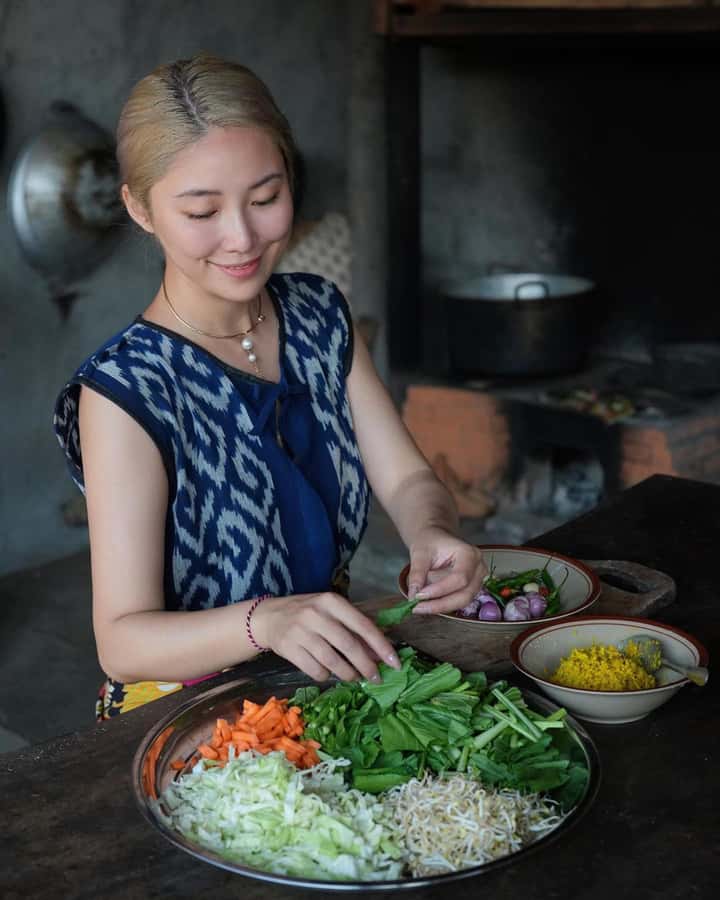
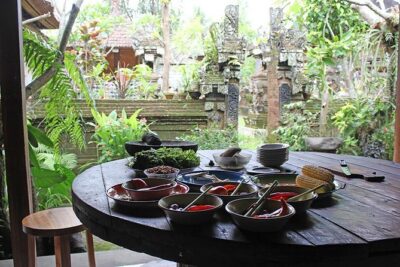
The garden visit is more than a quick look at a few plants. You are shown traditional herbs and spices, then learn how they fit into Balinese cooking. The hosts grow the ingredients used for the meal, which gives you a clearer idea of how a local kitchen works.
You may handle fresh ingredients as you move from the garden to the cooking area. That simple act gives the class a useful sense of place. Instead of learning a recipe that could have been made anywhere, you connect the dish to the soil, plants, and household that produced it.
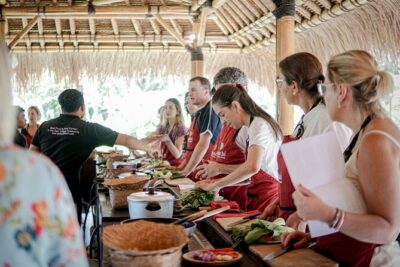
The cooking takes place in a large, covered outdoor kitchen. The roof is useful in Bali, where sun and rain can both interrupt an otherwise pleasant lesson. The work area is described as clean and well prepared, with the equipment and ingredients ready before you begin.
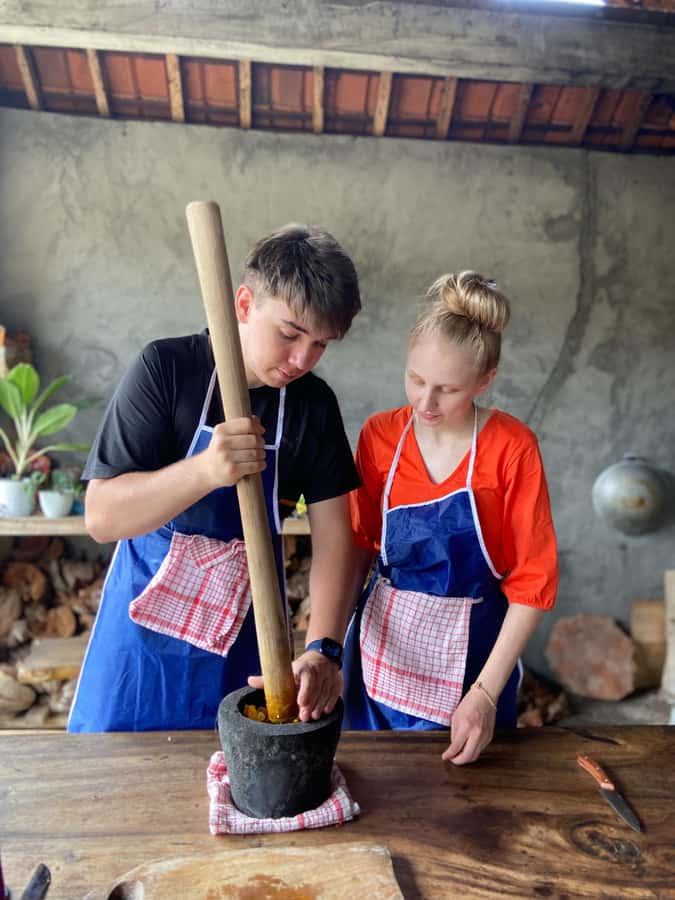
The preparation is partly done ahead of time. That is worth knowing. You will have genuine hands-on work, but you will not spend the whole class chopping every ingredient from scratch. This approach keeps the class within roughly two hours to two and a half hours and lets you concentrate on techniques such as making spice paste, preparing chicken satay, and cooking the dishes.
What you actually cook and learn
The exact menu can depend on the day and the hosts, but the class includes several typical Balinese dishes. One highlighted task is making a spice paste for a curry. This is a useful part of the lesson because spice pastes form the base of many Indonesian dishes, and the work teaches you how separate herbs and spices become one balanced seasoning.
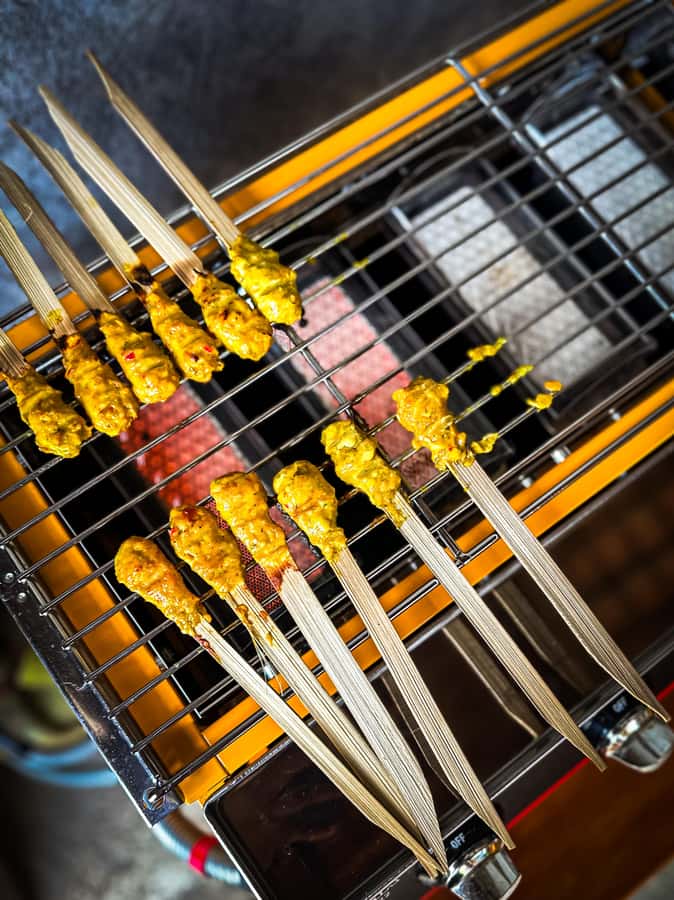
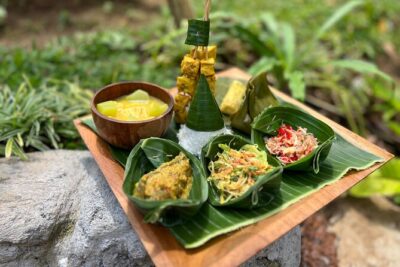
Chicken satay is another featured dish. You prepare the meat, season it, and cook it yourself. The process is more satisfying than simply watching a demonstration, since you can see how the paste, wrapping, heat, and timing affect the final taste.
Vegetarians are not left with a plate of plain rice. A vegetarian version uses tofu wrapped in banana leaf in place of the chicken satay. If you follow a vegetarian diet, make that clear when booking or at the start of the class so the hosts can plan properly.
The lesson is demonstration first, then guided practice. You watch a host explain each step, try it yourself, and receive help as needed. This format works well for beginners because you do not need to know anything about Balinese cooking before arriving.
You also receive the recipes as PDF files. That adds real value to the class. A cooking lesson is easy to enjoy and then forget, but a written recipe gives you a chance to recreate at least part of the meal at home.
Eating like a local with the family
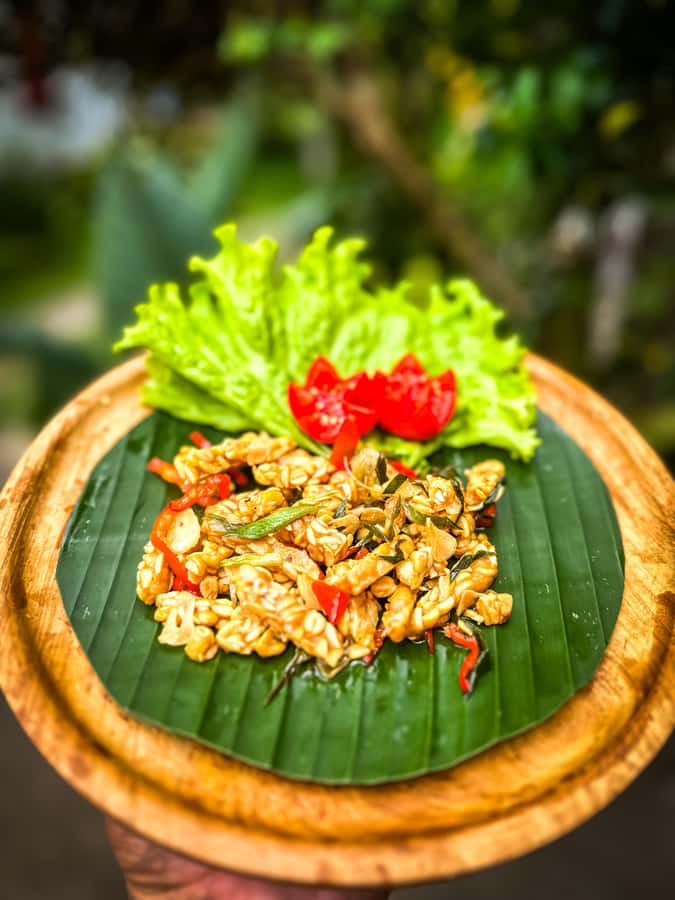
After cooking, you eat the food you prepared. Lunch is set on the ground, and the family explains how the meal is eaten in the local style. That detail may sound small, but it turns lunch into part of the lesson rather than a separate restaurant stop.
The meal also gives you time to talk with the hosts. The class is not only about measurements and cooking time. It offers a short look at family life, food customs, and the way a household shares a meal.
You should expect a relaxed, informal setting rather than restaurant service. The charm is the home atmosphere, but that also means the experience may feel less polished than a professional culinary studio. If you want a technical chef-led class with printed workstations and precise menu control, this is probably not the right pick.
For most people seeking a local food experience, the family setting is the point. You prepare food beside the people who grow and cook it, then sit down to eat together.
A few more Ubud half-days to weigh up
- Hands-On Silver Jewelry Making Near Ubud’s Monkey Forest
★ 4.9 · 1,789 reviews - Ubud Silver Class Jewelry making in bali
★ 5.0 · 978 reviews - Canggu: Bali Turtle Silver & Gold Workshop
★ 4.9 · 643 reviews - Ubud: Balinese Cooking Class and Market Tour
★ 4.8 · 531 reviews
The temple, offerings, and everyday Balinese life
The village visit includes a look at a traditional Balinese temple. Religious sites are part of daily life in Bali, and seeing one in a village setting gives you context that a quick photo stop rarely provides.
You may also help prepare or take part in an offering ritual before the meal. Treat this as a cultural activity, not a performance. Follow the host’s instructions, dress respectfully, and let the family explain what you are doing.
One family class included this ritual along with a tour of the home and garden. That combination can make the visit feel personal, since you see both the public side of the village and the household where the cooking takes place.
The program promises a look at everyday village life, but the exact amount of time spent at the temple, home, garden, and kitchen can vary. The cooking is the fixed center of the experience. The cultural elements may be shorter or longer depending on the day.
Optional Taro rice terraces and irrigation
The itinerary can continue to a rice terrace in Taro Village. There, you learn about the local irrigation water system and, sometimes, join local people while they harvest rice or plant a new crop.
This is an excellent addition if you want more than a cooking lesson. Rice farming is central to Balinese village life, and irrigation helps explain how fields are supplied and managed. The visit also changes the pace after time in the kitchen.
Do not treat the rice work as guaranteed hands-on labor. The description says you may join a harvest or planting activity, so the chance depends on the agricultural calendar and conditions on the day. At a minimum, you can expect an explanation of the irrigation system and fresh air among the terraces.
Because the class itself lasts about two to two and a half hours, ask how the Taro visit fits into your chosen start time. It may be a short extension or part of a broader pickup option. The same applies if you add a visit to a traditional market.
Private group size makes a real difference
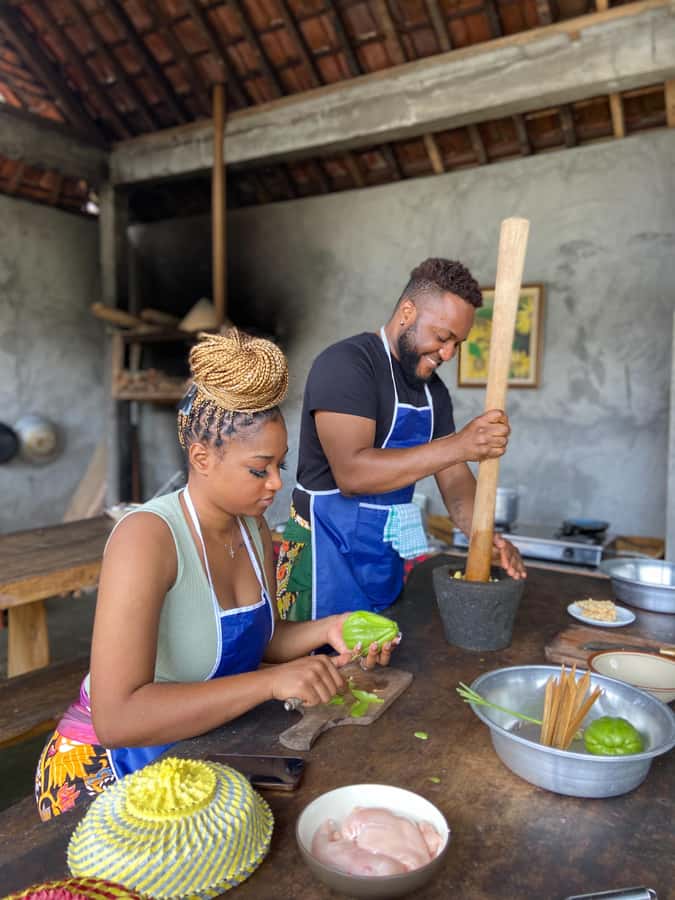
This is a private group experience. That is one of its strongest practical features. You can move at your own pace, ask about unfamiliar ingredients, and receive direct help while making the spice paste or satay.
A private class also suits families and couples well. Children can take part in manageable cooking tasks, while adults can ask more detailed questions about ingredients, farming, or household customs. The pace is likely to be calmer than in a class with a large mixed group.
The private format does not mean you receive a long professional culinary course. The teaching is home-based and practical. You are learning how the family prepares a typical meal, not training as a chef.
The hosts have been described as warm, patient, and comfortable explaining both ingredients and methods in English. Cleanliness is also a clear focus. The kitchen is organized, and safety and health are stated as priorities.
What the $30 price includes
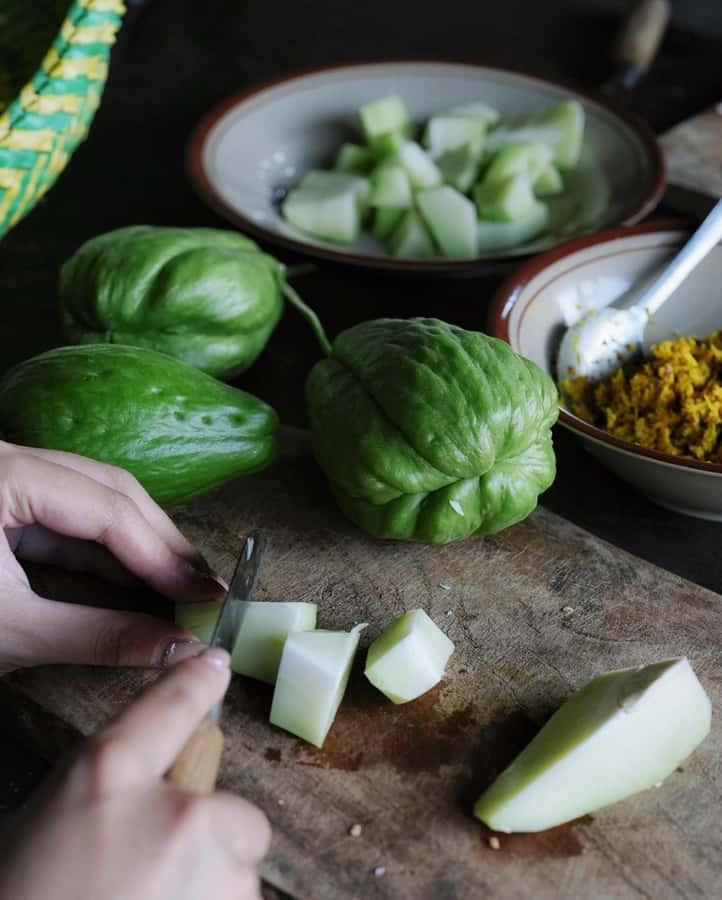
At $30 per person, this is a strong value if you want food, culture, and a village visit in one short experience. You receive a private cooking class, all ingredients, cooking equipment, instruction, Balinese tea and coffee, lunch, and PDF recipes.
The value is especially good because the meal is not an extra charge at the end. You prepare and eat it as part of the class. The garden visit and family setting also add something that a standard restaurant meal cannot provide.
Transportation is the main extra to watch. Pickup from a hotel in the Ubud area is available if you choose that option. Transportation from central Ubud or the Tegallalang area is not automatically included unless you select the transport option.
The meeting point is at Delodsema Traditional Village, near a Bali Coconut Oil sign. If you arrange your own way there, confirm the exact directions before setting out. Rural meeting points can be less obvious than a hotel lobby, and arriving at the wrong part of a village can cost you valuable class time.
A market visit may also be available with the pickup option. If that matters to you, confirm it when booking rather than assuming it is part of every version of the experience.
Timing, language, and planning tips
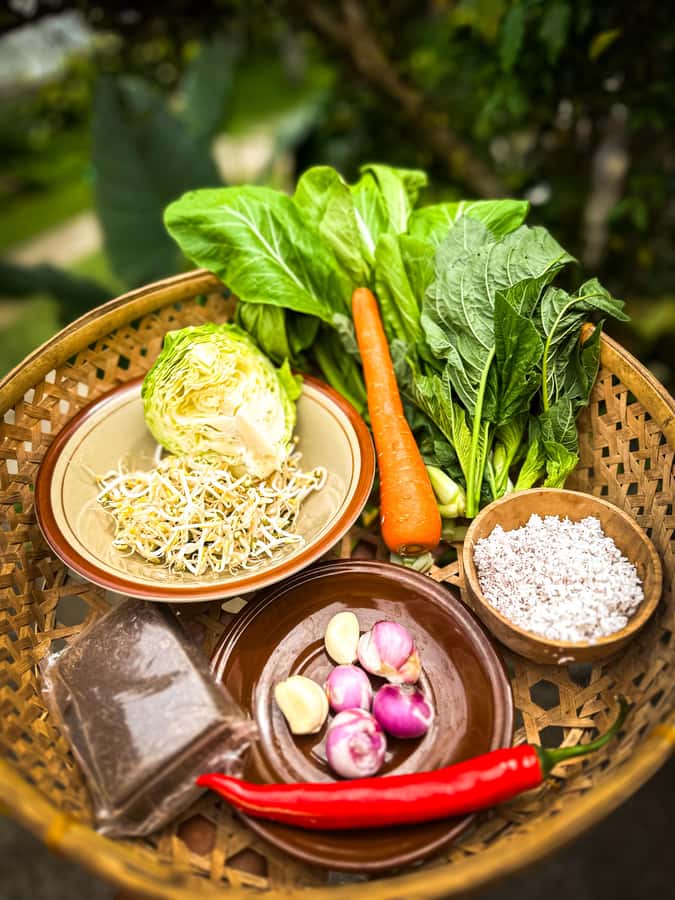
The listed duration is inconsistent, described as two hours and also as 150 minutes. Plan for roughly two to two and a half hours, with extra time if you include transport, the market, or the Taro rice terrace visit.
English is the teaching language. The hosts explain the ingredients and steps in English, and the class is designed for an English-speaking audience.
The class runs during set starting times, so check availability for the date you want. You can cancel up to 24 hours in advance for a full refund, and the reserve-now, pay-later option lets you hold a place without paying immediately.
Wear clothing suitable for a village kitchen and be ready to participate. The experience is hands-on, so you should expect to handle ingredients and help with the cooking rather than simply watch.
If you have dietary needs, raise them before the class. Vegetarian food is specifically accommodated with tofu in banana leaf, but no wider list of dietary adaptations is provided.
Who will enjoy this class most
I would choose this experience if you want a personal introduction to Balinese food and village life without spending a full day on a large organized tour. It suits couples, families, and small private groups who value conversation and participation.
It is also a good fit if you have already seen central Ubud and want a quieter setting. The visit to Delodsema, with its small population and family home, offers a different side of the area.
Food lovers will appreciate the garden-to-kitchen link. Beginners will appreciate the clear demonstrations and help during each step. Photographers may enjoy the garden, outdoor kitchen, temple, rice terraces, and family setting, but photography should always be respectful during the offering ritual.
I would think twice if you want a tightly timed culinary workshop with a fixed professional menu. The class is intentionally informal, and some parts of the village and farming visit can vary.
Should you book the Delodsema cooking class?
Book it if you want to cook, eat, and meet a Balinese family in a small village setting. The strongest reasons are the private format, garden-grown ingredients, hands-on spice paste and satay preparation, and the chance to join an offering ritual.
The $30 price is reasonable because it covers instruction, ingredients, equipment, drinks, lunch, and recipes. Add the optional transport if you do not want to arrange your own route to Delodsema.
Before paying, confirm the exact duration, pickup details, and whether the Taro rice terrace or market visit is included in your selected option. If you prefer a relaxed family experience over a polished cooking studio, this is an easy choice.
FAQ
Where does the cooking class take place?
The class takes place in Delodsema Traditional Village in Bali, in a family setting with an open-air kitchen.
How long does the experience last?
The duration is listed as two hours to 150 minutes. Allow roughly two to two and a half hours for the core experience.
What language is used during the class?
The instructor language is English.
Is the cooking class private?
Yes. The experience is offered as a private group activity.
What is included in the price?
The price includes the private cooking class, cooking equipment, cooking lesson, all ingredients, Balinese tea and coffee, lunch, and recipes provided as PDF files.
Is transportation from Ubud included?
Transportation from central Ubud or the Tegallalang area is included only if you select the transport option. Pickup from a hotel in the Ubud area is available as an option.
Where is the meeting point?
After arriving at Delodsema Traditional Village, look for the Bali Coconut Oil sign.
Can vegetarians join the class?
Yes. A vegetarian option replaces chicken satay with tofu wrapped in banana leaf.
Can I cancel the booking for a refund?
You can cancel up to 24 hours in advance for a full refund. The reserve-now, pay-later option is also available.
Just added around Ubud
- Authentic hike in the forest with lunch at the inhabitant★ 5.0 · 3 reviews
- Heaven Gate, Tirtagangga and Tukad Cepung Waterfall – All Inclusive★ 5.0 · 3 reviews
- Half Day Uluwatu Temple Sunset, Kecak Dance and Seafood Dinner★ 3.5 · 3 reviews
- Ubud: White Water Rafting with visit Ubud Monkey Forest★ 5.0 · 3 reviews
- ️Bali All Inclusive Tour: Ubud – Tegalalang – Kintamani★ 5.0 · 3 reviews
- East Bali and Lempuyang Temple Tour★ 5.0 · 3 reviews
- Ubud: Temple, Swing, Waterfall, Rice Terrace & Monkey Forest★ 5.0 · 3 reviews
- Blue Lagoon Snorkeling and Lunch with Tukad Cepung Waterfall★ 5.0 · 3 reviews
Balinese Cooking Classes, compared.
Cooking Class with Transfers and Optional Market Visit
Read our review →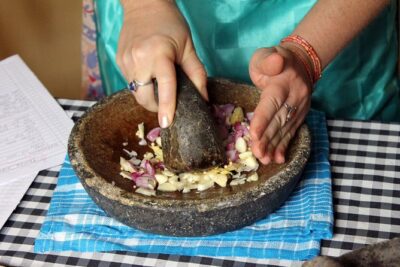
PRIVATE Authentic Balinese Cooking Class in Ubud at Putu’s Home
Read our review →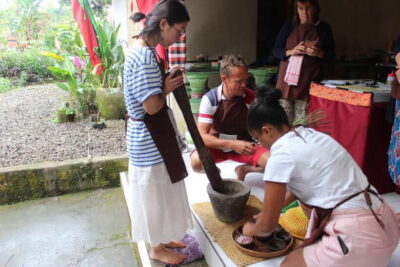
PRIVATE Balinese Cooking Class in Ubud with Dewa with Transfers
Read our review →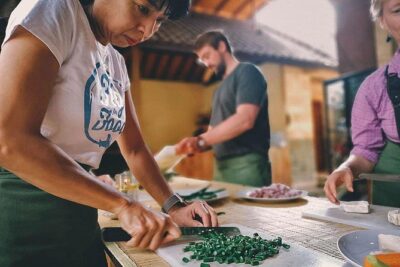
Balinese Cooking class with traditional morning market visit
Read our review →Browse the lists this tour appears in