
Reviewed · BALINESE COOKING CLASSES
Bali Ubud Paon Cooking Class
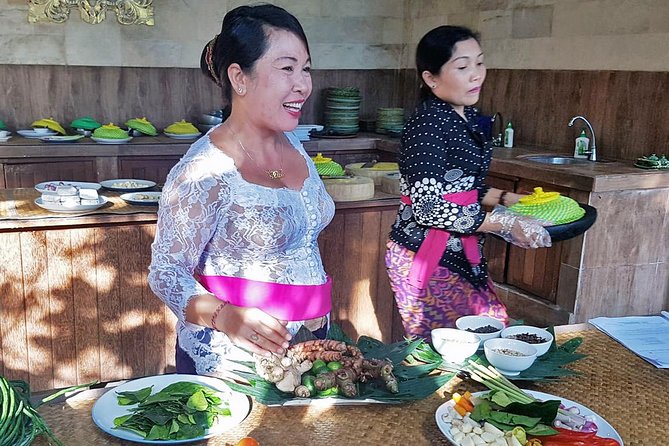
The best part of Paon Bali is the link between the morning market and the cooking table. You see the produce and spices first, then use them in a real Balinese meal rather than treating the class like a standard kitchen lesson. I especially like the small-group format and the home setting, where the food feels tied to daily life in Ubud.
I also like that hotel transfers within Ubud are included and that the class is genuinely hands-on. You will prepare dishes such as banana-leaf fish and minced chicken satay, not simply watch a chef work. The main consideration is timing: the full experience takes about five hours, and only the morning session includes the market visit.
In This Review
- Key things to know before booking
- Why Paon Bali works better than a standard cooking demonstration
- Start at Ubud’s traditional market
- Ride to a traditional Balinese home
- Prepare banana-leaf fish, satay, and other Balinese dishes
- Sit down to the meal you prepared
- How the transfers affect your day
- Morning or afternoon: choose with care
- Who will get the most from this class
- What the high satisfaction score means for value
- Small details that make the experience easier
- Should you book Paon Bali Cooking Class?
- FAQ
- How long does the Paon Bali cooking class last?
- Does the class include a visit to Ubud’s traditional market?
- Is hotel pickup included?
- What food will I prepare?
- Is lunch included?
- How many people can join the class?
- Do I receive the recipes?
- Is the booking refundable?
Key things to know before booking
- The morning market visit gives the class its cultural edge: You see local ingredients before learning how they are used.
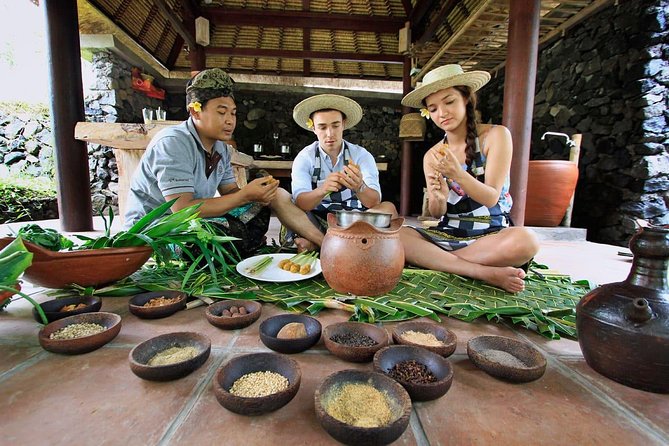
- The cooking takes place at a Balinese home: Wayan’s home provides a more personal setting than a hotel demonstration kitchen.
- You prepare a full meal: Expect several dishes, including banana-leaf fish and minced chicken satay, followed by lunch.
- The group is capped at 15 people: This is not a private lesson, but it should feel more involved than a large cooking show.
- Ubud transfers are included: Pickup and drop-off apply within the Ubud area only.
- The afternoon session skips the market: Choose the morning option if ingredients and local food shopping matter to you.
Why Paon Bali works better than a standard cooking demonstration
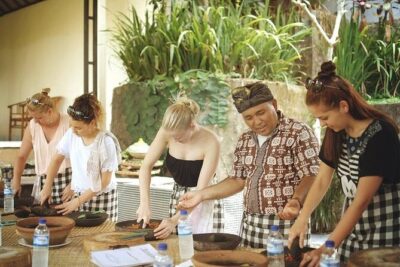
A cooking class can go two ways in Bali. You can watch someone pound spices, nod politely, and eat a plate prepared mostly by somebody else. Or you can handle the ingredients, follow the cooking steps, and sit down to a meal you helped make. Paon Bali aims firmly for the second option.
The format is practical. A professional Balinese cook guides you through the dishes, explains the purpose of the ingredients, and keeps the class moving. The recipes are provided, and you can request them through WhatsApp, which matters if you want to recreate the meal after your holiday rather than leave your notes in a suitcase.
The class also has a social side. The group size can reach 15 people, so you will meet other people during the preparation and meal. That keeps the atmosphere lively, though anyone seeking a quiet private lesson should know this is a shared activity.
At $44 per person, the price is fair for a half-day experience that includes transport within Ubud, lunch, the market visit on the morning option, the class, and a certificate. You are paying for more than food. You are also paying for instruction, a local setting, and a useful introduction to how Balinese dishes are built.
More Balinese cooking classes:
- Ubud Cooking Class Bali with Balinese Chef
★ 5.0 · 1,609 reviews - Ubud: Cooking Class with Transfers and Optional Market Visit
★ 4.9 · 824 reviews - PRIVATE Authentic Balinese Cooking Class in Ubud at Putu’s Home
★ 5.0 · 644 reviews
Start at Ubud’s traditional market
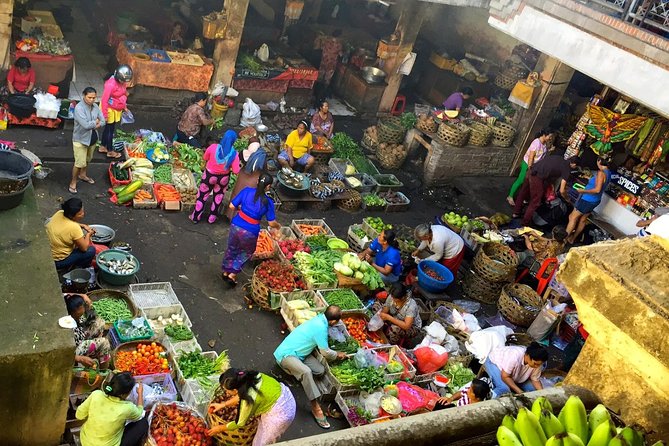
The morning session begins at Ubud Traditional Art Market. This is the part to choose if you want a better sense of how Balinese cooking starts, before the chopping boards and spice pastes appear.
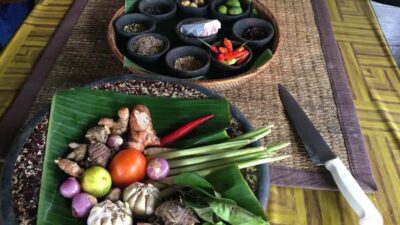
A guide takes you through the market and explains local produce, fruit, spices, and their uses. The value here is not simply seeing unfamiliar ingredients. It is learning why they matter in the recipes you will prepare later. That connection makes the cooking class easier to follow because you have already seen the raw materials in their everyday setting.
You might find ingredients and spices that are difficult to locate at home, and some people buy spices at the market to take back. Check your own country’s customs rules before packing food products, since import regulations vary.
The market is also the most direct culture lesson in the experience. You are not looking at Bali through a restaurant menu. You are seeing the buying and selling of food that supports local kitchens. The visit is guided, so you have someone to explain what you are looking at rather than wandering through without context.
There is one clear choice to make. The afternoon class does not include the market visit. It still includes the cooking session, meal, and transfers from Ubud, but it loses the ingredient-shopping part. If you are deciding between two available times, I would choose the morning session for the fuller experience.
Ride to a traditional Balinese home
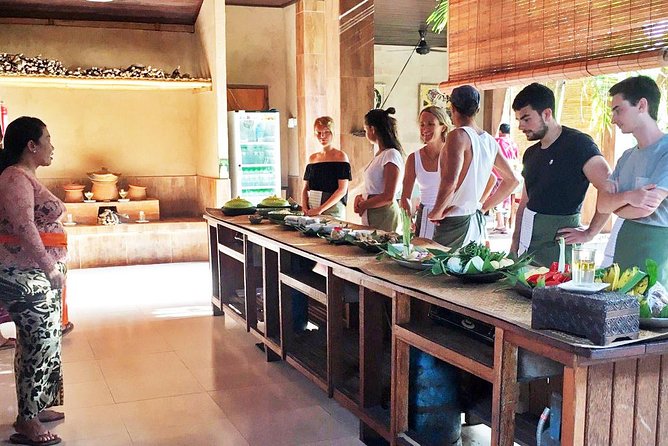
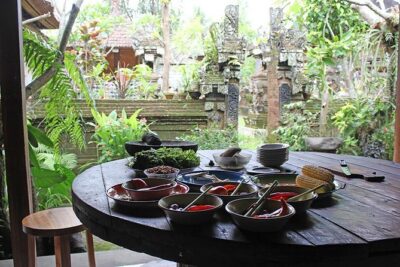
After the market, you are taken to the cooking location at Wayan’s home. The setting is one of the class’s strongest features. Instead of learning in a polished resort kitchen, you cook in a traditional Balinese home arranged for group instruction.
That setting gives the meal a personal feel. You are not only learning a recipe. You are seeing how food, family space, and hospitality come together in a local environment. The cooking area is set up for teaching, so this is not an informal visit where you are left guessing what to do next.
The class has support staff to help keep the preparation organized. That makes a difference when several dishes are being made at once. You can take part without worrying that one missed step will leave you behind.
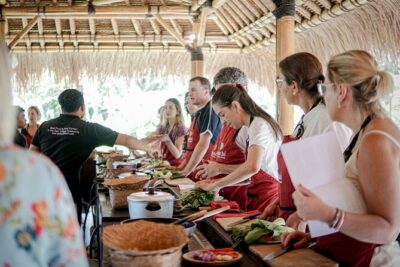
The atmosphere is relaxed and social. Couples, families, solo participants, and small groups can share the table and cooking stations. It suits people who like meeting others, but the group limit of 15 means you should not expect the one-to-one attention of a private chef.
Prepare banana-leaf fish, satay, and other Balinese dishes
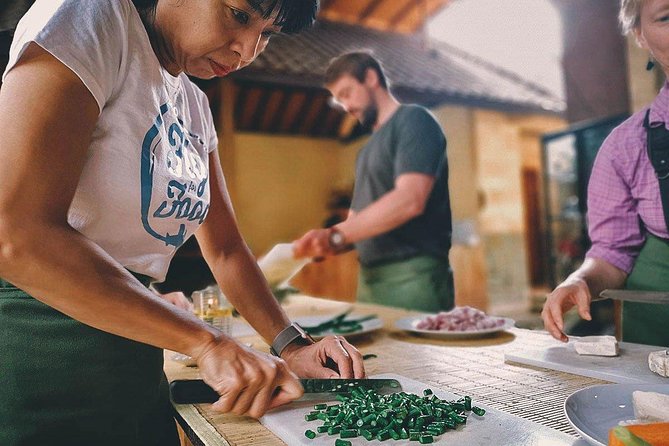
The heart of the experience is the cooking. You work through authentic Indonesian dishes with demonstrations followed by your own preparation. The instructions are designed to be manageable, even if you are not an experienced home cook.
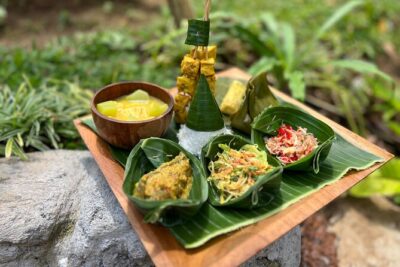
The menu includes banana-leaf fish and minced chicken satay. These dishes show two useful sides of Balinese cooking. Banana leaves bring fragrance and help protect the fish during cooking, while minced chicken satay gives you a chance to work with seasoned meat and skewers.
You also learn how spices function as a group rather than as isolated ingredients. Balinese food often depends on a carefully prepared spice mixture, and the class explains the purpose of the ingredients as you work. That is more helpful than simply handing you a recipe with a long list of items.
The demonstrations are followed by hands-on preparation. You can ask questions, take part in the steps, and see how the dishes change as they cook. The pace is active without being described as rushed, and the support staff help keep things efficient.
This is a good class for you if you want food you can attempt again at home. The recipes, practical demonstrations, and explanations make it easier to remember what you did. Still, do not expect to become a Balinese chef in one morning. You will leave with a strong introduction and several recipes, not professional kitchen training.
A few more Ubud half-days to weigh up
- Hands-On Silver Jewelry Making Near Ubud’s Monkey Forest
★ 4.9 · 1,789 reviews - Ubud Silver Class Jewelry making in bali
★ 5.0 · 978 reviews - Canggu: Bali Turtle Silver & Gold Workshop
★ 4.9 · 643 reviews - Ubud: Balinese Cooking Class and Market Tour
★ 4.8 · 531 reviews
Sit down to the meal you prepared
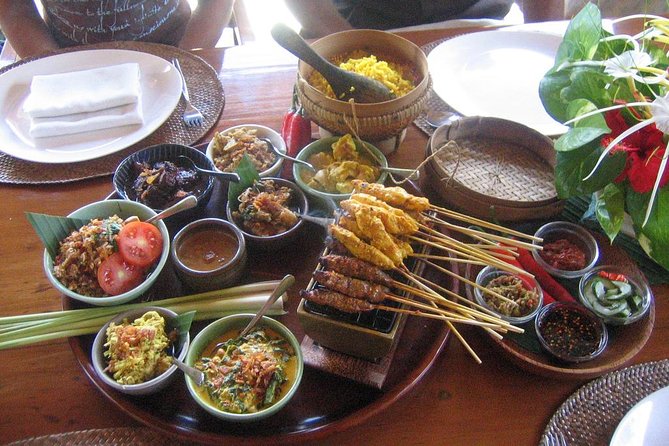
Lunch comes after the cooking. This is more satisfying than being served a meal at the start because you have followed the food from market ingredients to finished dishes.
You get to taste the balance of spice, texture, and seasoning for yourself. It also gives you time to compare notes with the people in your group and ask any final questions while the process is still fresh.
The meal is included in the $44 price, so you do not need to budget separately for lunch during the activity. That improves the value, especially when you add the transfer service and morning market visit.
The food receives some of the strongest praise from the people who have taken the class. The point is not that every dish will suit every palate. Balinese food can use strong seasoning, and personal tolerance for spice varies. The benefit is that you have helped prepare the dishes and can better understand how to adjust them when cooking at home.
How the transfers affect your day
Hotel pickup and drop-off are included within the Ubud area. When booking, you select your nearest hotel if you are staying in a rental or another accommodation without a standard hotel name. That is a useful detail for apartment and villa stays.
Pickup is not included outside Ubud, though an extra charge may be available. You should confirm the added cost before booking if your accommodation lies beyond the stated service area.
The included transfer removes the need to arrange separate transport to the meeting point and cooking location. That is particularly helpful in Ubud, where roads can be slow and addresses are not always simple to find.
Allow around five hours for the complete activity. Do not place a tight spa booking, airport transfer, or major sightseeing stop immediately afterward. The length includes movement between locations, the market on the morning session, cooking, and lunch.
Morning or afternoon: choose with care
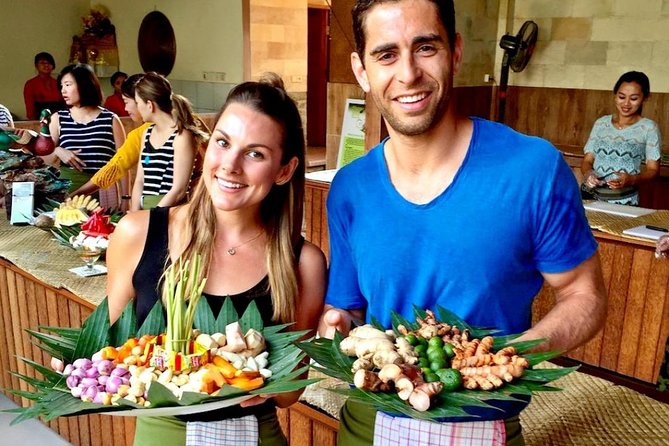
The morning session is the better choice if food culture is a main reason you are booking. You visit the traditional market, learn about local produce and spices, and then use that background during the class.
The afternoon session is useful if your schedule does not allow an early start. It skips the market but still offers transport from Ubud, the cooking lesson, and the meal at the home setting. Several people choose it simply because it fits their day better.
I would not treat the afternoon option as a poor version of the class. The cooking is the main event, and it remains hands-on. But if you have only one chance to take this kind of activity in Bali, the morning version gives you more context for the same basic outing.
Who will get the most from this class
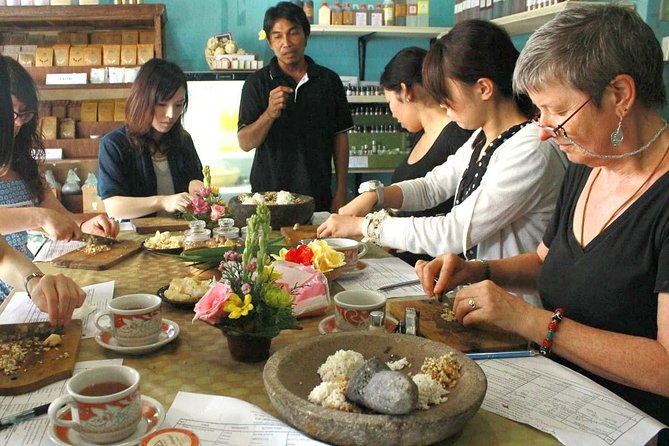
Paon Bali suits couples who want a shared activity, families with older children, solo participants who enjoy a social group, and home cooks looking for recipes they can use later. It is also a good break from temple visits and sightseeing because you spend the morning doing something practical.
Families can take part together, and the class format gives each person a job. Adults and older children who enjoy preparing food should find it engaging. The information provided does not set a specific minimum age, so check the booking details if you are bringing young children.
You do not need to be an expert cook. The instruction is built around demonstrations and participation, with staff available to help. If you already cook often, you will probably get the most from the ingredient explanations and Balinese techniques rather than from basic knife work.
This is less suitable if you dislike group activities, cannot spend five hours on one experience, or want a private menu tailored to your tastes. It is also not the right pick if the market is essential but only the afternoon session fits your schedule.
What the high satisfaction score means for value
The experience has a 4.9 rating from 117 reviews, with 96 percent recommending it. Those numbers point to a consistent experience, especially in four areas: the warm instructors, the organized hands-on format, the quality of the food, and the setting at the home.
The praise is not limited to one type of participant. Couples enjoy the relaxed pace, families like the shared activity, and home cooks value the chance to prepare food they have already eaten in Bali.
That said, high ratings do not remove the practical limits. The class can include up to 15 people, the market is morning-only, and transfers outside Ubud cost extra. You should book for the experience that is offered, not for an imagined private lesson.
The booking pattern also matters. This activity averages booking about 18 days ahead. If your Bali dates are fixed, reserve early, particularly if you need a certain session or are traveling with a group.
Small details that make the experience easier
The activity is confirmed within 48 hours, subject to availability. Plan your schedule with that waiting period in mind.
A cooking class certificate is included. It is a small souvenir rather than the main reason to book, but it makes a nice reminder of the day.
Service animals are allowed, and the activity is near public transportation. The included Ubud transfer is still the simplest option for most people staying in the service area.
Tips are not included. Bring a little extra cash if you want to tip the cooking staff, and remember that anything outside the stated inclusions is your responsibility.
The experience is non-refundable and cannot be changed after booking. Only commit once your date, group size, and preferred morning or afternoon session are settled.
Should you book Paon Bali Cooking Class?
I would book this if you want more than a restaurant meal and like the idea of understanding Balinese food by preparing it yourself. The strongest choice is the morning session, since the market visit adds local context and helps you recognize the ingredients before cooking.
At $44, the package offers good value for a five-hour outing with Ubud transfers, lunch, instruction, recipes, a certificate, and a home setting. It is especially worthwhile for couples, families, and anyone who wants to cook Balinese dishes after returning home.
Skip it if you want a private lesson, dislike shared groups, or cannot spare half a day. Also avoid booking casually, since the experience cannot be canceled or amended for a refund. For most food-focused visitors based in Ubud, though, this is a practical and memorable way to spend a morning.
FAQ
How long does the Paon Bali cooking class last?
The experience lasts approximately five hours, including transfers, the market visit for the morning session, cooking, and lunch.
Does the class include a visit to Ubud’s traditional market?
Yes, but only with the morning session. The itinerary includes a visit to Ubud Traditional Art Market before the cooking class.
Is hotel pickup included?
Hotel transfer services are included within the Ubud area. Pickup and drop-off outside Ubud are not included and may cost extra.
What food will I prepare?
The class includes dishes such as banana-leaf fish and minced chicken satay, along with other Balinese and Indonesian dishes.
Is lunch included?
Yes. Lunch is included after you finish preparing the meal.
How many people can join the class?
The activity has a maximum group size of 15 people.
Do I receive the recipes?
Recipes are included as part of the cooking experience. The recipes may also be sent through WhatsApp if you want a digital copy.
Is the booking refundable?
No. The experience is non-refundable and cannot be changed for any reason after booking.
Just added around Ubud
- Authentic hike in the forest with lunch at the inhabitant★ 5.0 · 3 reviews
- Heaven Gate, Tirtagangga and Tukad Cepung Waterfall – All Inclusive★ 5.0 · 3 reviews
- Half Day Uluwatu Temple Sunset, Kecak Dance and Seafood Dinner★ 3.5 · 3 reviews
- Ubud: White Water Rafting with visit Ubud Monkey Forest★ 5.0 · 3 reviews
- East Bali and Lempuyang Temple Tour★ 5.0 · 3 reviews
- Ubud: Temple, Swing, Waterfall, Rice Terrace & Monkey Forest★ 5.0 · 3 reviews
- ️Bali All Inclusive Tour: Ubud – Tegalalang – Kintamani★ 5.0 · 3 reviews
- Blue Lagoon Snorkeling and Lunch with Tukad Cepung Waterfall★ 5.0 · 3 reviews
Balinese Cooking Classes, compared.
Cooking Class with Transfers and Optional Market Visit
Read our review →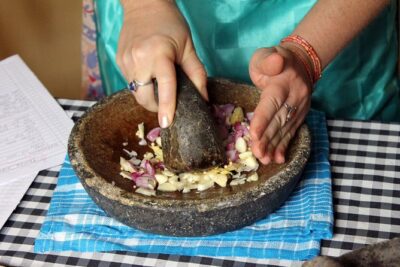
PRIVATE Authentic Balinese Cooking Class in Ubud at Putu’s Home
Read our review →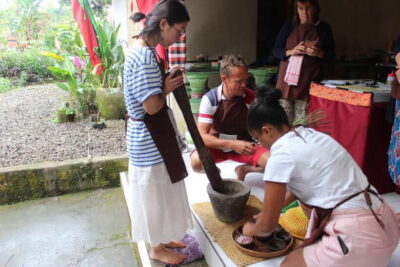
PRIVATE Balinese Cooking Class in Ubud with Dewa with Transfers
Read our review →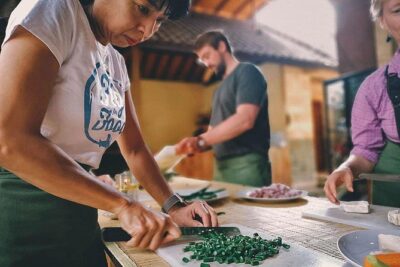
Balinese Cooking class with traditional morning market visit
Read our review →Browse the lists this tour appears in