
Reviewed · MARKETS
Ubud Night Traditional Market Food Tour
Ubud’s best food lesson may happen after dark, away from its polished restaurant streets. This three-hour outing takes you to a famous market, local food spots, and the night-time side of Gianyar, where your guide helps you order traditional Balinese dishes instead of guessing at a menu.
I like the local focus and the fact that food and drinks are included. I also like the personal help from guides such as Wayan, Amba, Kadek, and Kidak, who can explain the dishes, adjust for spice and allergies, and even help with bargaining. The main drawback is that basic market food handling may worry you, since some stalls use bare hands and offer few visible safety measures.
In This Review
- Key points to know before booking
- A 6 pm start in the real Ubud food world
- Starting with Balinese cakes and Megibung
- Walking through the famous market
- Eating at local favorites after the market
- What the food experience is really like
- Why the guide matters so much
- Transport, timing, and comfort
- Who should book this evening
- Is $45 good value?
- Booking advice and cancellation details
- Should you book the Ubud Night Traditional Market Food Tour?
- FAQ
- Where does the Ubud Night Traditional Market Food Tour take place?
- What time does the tour start?
- How long does the experience last?
- Is hotel pickup available?
- How much does the tour cost?
- Is there a minimum number of people?
- Are food and drinks included?
- How many people can join the tour?
- Can the guide help with spicy food or allergies?
- What happens if I need to cancel?
Key points to know before booking
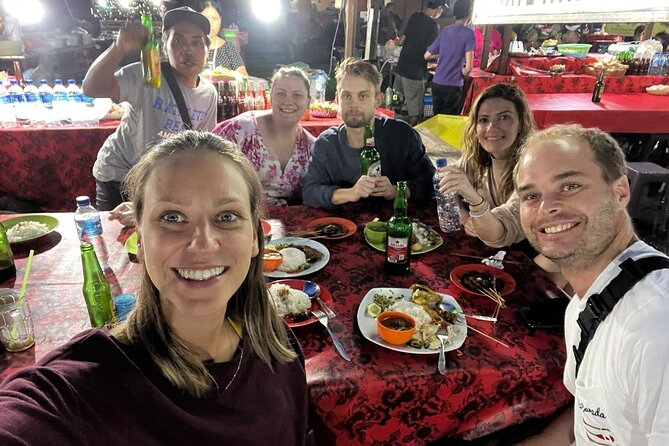
- Gianyar after dark: The tour can take you beyond Ubud to a night market that offers a closer look at everyday Balinese life.
- Traditional food first: You begin with Balinese cakes, then sample local dishes and drinks at several favorite spots.
- Guides make ordering easier: Wayan, Amba, Kadek, and Kidak have been praised for explaining food, culture, spice levels, and market customs.
- All food and drinks are included: At $45 per person, you can try freely without building a bill at every stop.
- Small-group format: The maximum is 10 people, though a small turnout can make the evening feel quieter.
- Come hungry, but come prepared: Indonesian food can be very spicy, and market hygiene is informal rather than restaurant-polished.
A 6 pm start in the real Ubud food world
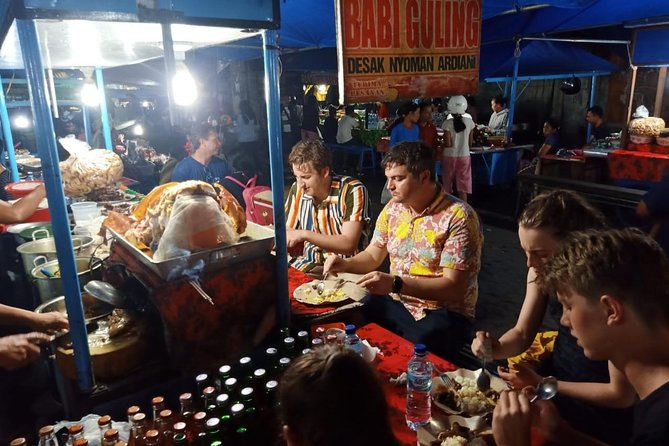
The evening begins at 6 pm, a useful time for seeing the market as the day cools and local eating gets underway. Pickup is offered, and the tour includes an air-conditioned vehicle, which matters if you are staying outside central Ubud or do not want to sort out transport after dark.
This is not a restaurant crawl built around famous dining rooms. The point is to see where local people shop, snack, and gather. Your guide leads the way through places that can be hard to find on your own, especially if you do not speak Indonesian or know which stalls are worth trying.
The small maximum of 10 people keeps the group manageable. Still, do not assume the tour will always fill out. One evening had only a small number of participants, which made the outing less social but gave the guide more room to focus on each person.
The price is $45 per person, with food, drinks, transport, fees, and taxes included. That is a fair package if you plan to sample several dishes and value a guide who handles ordering and local transport. It is less attractive if you only want to browse a market or eat one inexpensive plate.
A minimum of two people is required. A solo booking can be possible with an extra $35 charge, so check the final price before confirming if you are traveling alone. Since the experience is often booked about 38 days ahead, it makes sense to reserve early for a particular evening.
More food tours in Ubud:
- Ubud Traditional Night Market Food Tour-All Inclusive
★ 4.4 · 95 reviews - Bali Food Tour: Savor Street Food and Night Market Adventures
★ 5.0 · 46 reviews - Ubud: Chocolate Workshop, Class & Tasting
★ 4.1 · 18 reviews
Starting with Balinese cakes and Megibung
The first food stop features traditional Balinese cakes. This is a smart opening because small sweets let you begin gently before moving into stronger flavors and heavier dishes.
The tour introduces the idea of Megibung, a Balinese tradition of sharing food. That context gives the meal more meaning than a simple list of dishes. You are not just being told what something is called. You are shown how food fits into local customs and social life.
The exact cakes and dishes can vary, so you should not expect a fixed tasting menu with every item guaranteed. Instead, the guide chooses from available local food and explains the choices. Wayan, for example, has been particularly good at asking how much spice you enjoy and explaining what you are about to eat.
That question matters. Indonesian food can be seriously hot, and a dish that seems harmless may carry plenty of chili. Tell your guide early if you dislike heat, have allergies, or avoid certain ingredients. The guides have adjusted choices for tastes and allergies, but you should speak up before the food arrives.
Walking through the famous market
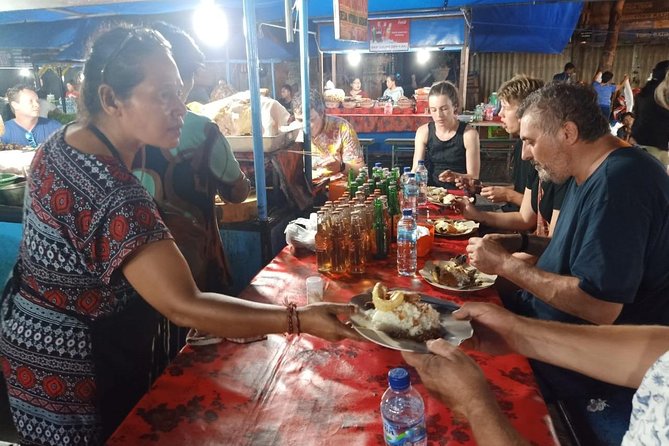
After the opening snack, you walk through a well-known market and learn how it developed and why it matters. This part gives the evening a useful sense of place. You see more than food on a plate, including the market’s role in the community and the way local buying and selling works.
Kadek has helped explain the market and assist with bargaining. That is useful if you are tempted by inexpensive clothing or other market goods. You can try bargaining with a guide nearby instead of wondering if you have misunderstood the seller or offered an unreasonable price.
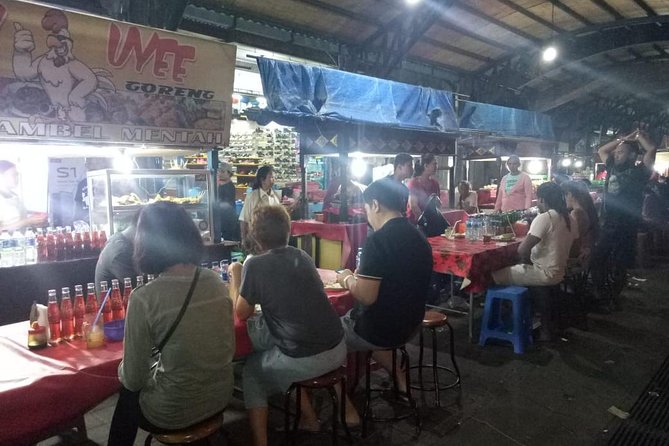
The market is also where you should set your expectations. This is an active local setting, not a staged cultural display. There may be crowded aisles, strong smells, uneven cleanliness, and vendors handling food in ways that differ from what you see at home.
That informal setting is part of the appeal, but it is also the clearest caution. One account praised the guide while feeling uneasy about food preparation, noting bare hands and few visible hygiene measures. Other food stops may be cooked on the spot, which can reassure you, but the overall experience is still best for people comfortable with ordinary street-market conditions.
Use your own judgment. If a food looks poorly handled or you have a sensitive stomach, ask your guide for another option. You are not required to try everything simply because it is included.
Eating at local favorites after the market
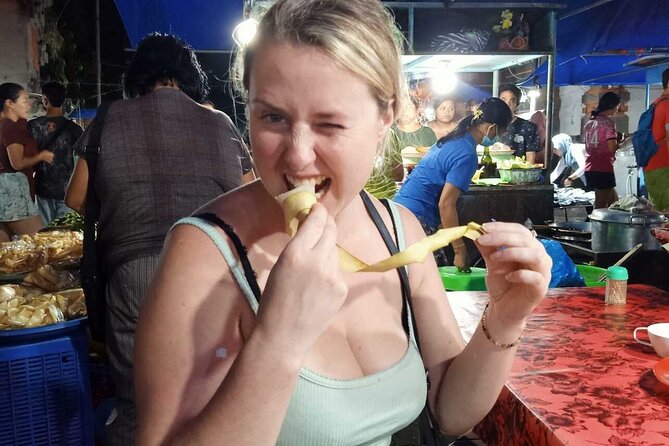
The second half takes you to favorite local spots for Balinese food and drinks. The guide chooses the stops and helps you order, so you do not need to decode an unfamiliar menu or point at random dishes.
This is where the tour earns much of its value. A plate of food can be inexpensive, but knowing what to order, how spicy it will be, and how it fits into Balinese cooking is harder to arrange alone. Your guide turns the meal into a conversation about ingredients, habits, and local life.
The experience includes several food selections and drinks, though the supplied details do not give a fixed dish-by-dish menu. That flexibility is useful because availability, group preferences, allergies, and spice tolerance can shape the evening.
Amba has been praised for his cultural explanations and easy conversation. Wayan has been especially helpful with food choices and allergy concerns. Kidak has also been singled out for explaining the market and food while helping with bargaining. Your guide may be one of these people or another member of the team, but the common thread is hands-on help rather than a scripted lecture.
I would tell you to treat this as a shared meal rather than a race from stop to stop. Ask questions. Tell the guide what you already ate in Bali. If a flavor surprises you, ask how locals usually eat it. The best part of a food tour is often the small explanation that changes how you see a familiar-looking dish.
A completely different day out, same corner of Ubud:
- All-Inclusive Ubud Private Tour
★ 5.0 · 14,344 reviews - Best of Ubud Full-Day Tour with Jungle Swing
★ 5.0 · 8,571 reviews - Ubud: Monkey Forest, Jungle Swing, Rice Terrace, and Water Temple
★ 5.0 · 7,160 reviews - Ubud: Waterfalls, Water Temple & Rice Terraces Private Tour
★ 5.0 · 5,484 reviews
What the food experience is really like
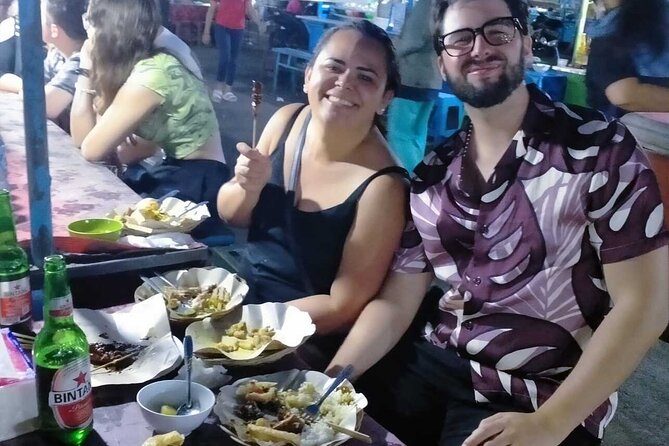
The food is intended to be traditional, not adapted for international visitors. That means stronger seasoning, more chili, and dishes that may look unfamiliar. You can expect a mix of cakes, local meals, and drinks, but the exact selection is not guaranteed.
The food has received very strong marks overall, and the experience carries a 4.8 rating from 11 ratings, with 100 percent recommending it. That is encouraging, but the small sample means you should still read the experience for what it is: a local market meal with variable conditions, not a controlled culinary class.
The main tradeoff is authenticity versus comfort. You get the chance to eat food cooked and served in ordinary local settings. You do not get the spotless counters, printed ingredient lists, or polished service that some people need to relax.
If you have allergies, explain them clearly. If you cannot tolerate spice, say so before the tasting begins. The guides have made an effort to match food to personal preferences, but clear communication is your best protection.
It also helps to arrive with an open mind and a light stomach. The tour is designed for you to leave satisfied, and the price includes enough food and drink that you should not plan a full meal immediately beforehand.
Why the guide matters so much
You can visit a Balinese market alone, but you may miss the point of what you are seeing. A guide can explain what is being sold, how the market developed, which foods are local, and how to order without awkward guesswork.
The guides also help bridge small cultural gaps. They can explain how bargaining works, tell you how much spice to expect, and steer you toward choices that fit your preferences. That practical help is more useful than a long history speech.
The personal touch appears strongest when the group is small. A guide can spend time asking what you like and adjusting the meal. If the group is close to the maximum of 10, you may get less individual attention, though the size is still modest compared with a large coach tour.
The evening can also be good for solo visitors, provided you accept the extra charge if you are the only person booking. You will have a guide and perhaps other people, but the outing is not guaranteed to feel like a large social event.
Transport, timing, and comfort
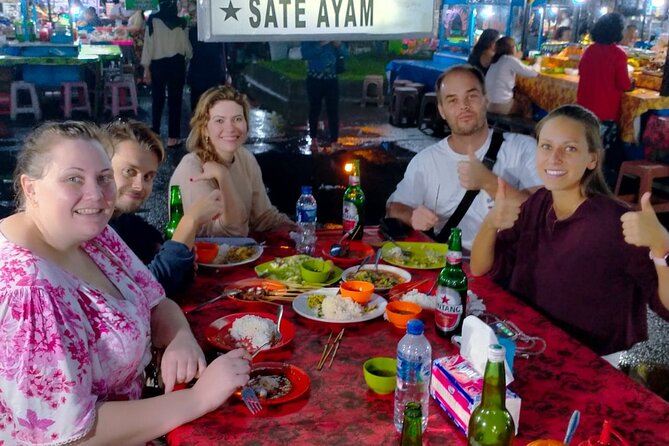
The tour lasts about three hours. That is long enough for a market walk, several tastings, and conversation without taking your entire evening.
Pickup is offered, and an air-conditioned vehicle is included. The information gives a 6 pm start time but does not list a detailed pickup schedule for every hotel, so confirm the meeting arrangement when you book.
The vehicle is especially helpful if the route includes Gianyar outside central Ubud. One evening included a visit to the Gianyar night market, giving the group a view of Bali beyond the usual Ubud circuit. The exact route may depend on the group and the evening, so think of Gianyar as a likely highlight rather than a guaranteed stop at a particular stall.
Service animals are allowed, and most people can take part. The tour has a maximum of 10 people, but no specific information is given about wheelchair access, walking distances, or step-free transport. Ask the provider directly if those details matter to you.
The activity requires good weather. If poor weather cancels it, you are offered another date or a full refund. The same applies if the minimum number of two participants is not met.
Who should book this evening
I would choose this tour if you want to understand what Balinese food means in daily life, not just eat a familiar Indonesian dish in a restaurant. It suits curious eaters, first-time visitors, and anyone who wants a guide to handle language, transport, ordering, and market customs.
It is also a good early-trip activity. The guide’s advice can help with the rest of your stay, from identifying foods to finding local-style places and judging spice levels. Book it near the start of your visit if you want those tips to shape later meals.
Families and cautious eaters may enjoy the personal food guidance, but parents should consider the informal market setting. The tour is less suitable if you need strict hygiene controls, dislike spicy food, or want a predictable menu.
I would skip it if your ideal evening means a quiet table, air-conditioned dining from start to finish, and no uncertainty about ingredients. The vehicle is air-conditioned, but the market and food stops are not presented as polished restaurant spaces.
Is $45 good value?
At $45, the cost is reasonable for a three-hour experience that includes dinner, drinks, transport, taxes, and fees. You are paying for access and guidance as much as for the food itself.
If you visited the market alone, you could spend less on individual dishes. You might also miss the history, the better food choices, and the help with spice, allergies, and bargaining. The tour is most valuable when you would otherwise feel unsure about where to go or what to order.
The value drops for someone who already knows Ubud well and is comfortable navigating Indonesian menus. In that case, you may prefer to spend the money on a longer restaurant meal or several independent market visits.
The booking pattern suggests it is not an activity to leave until the last minute. It is booked, on average, 38 days in advance, so reserve ahead if your Bali schedule is fixed.
Booking advice and cancellation details
Confirmation is provided at booking. You can cancel for a full refund up to 24 hours before the 6 pm start time. Changes or cancellations inside 24 hours are not accepted and are not refunded.
Because weather and minimum group size can affect the outing, keep some flexibility in your schedule. If the provider cancels for poor weather or because at least two people are not booked, you can choose a different date or receive a full refund.
Should you book the Ubud Night Traditional Market Food Tour?
Book it if you want real market food, local guidance, and cultural context in one evening. The strongest reasons are the included food and drinks, the small maximum group, the chance to visit Gianyar, and guides who take an active role in choosing dishes and explaining local customs.
Go in prepared for spice and informal food handling. This is a practical, friendly introduction to Balinese eating, not a sanitized tasting laboratory. If that sounds like the kind of night you want, $45 is a fair price for a guided look at Ubud’s local food scene.
FAQ
Where does the Ubud Night Traditional Market Food Tour take place?
The tour is based in Ubud and can include a famous market and local food spots. The experience also includes a visit to the night market in Gianyar.
What time does the tour start?
The tour starts at 6:00 pm.
How long does the experience last?
The tour lasts approximately three hours.
Is hotel pickup available?
Pickup is offered, and an air-conditioned vehicle is included.
How much does the tour cost?
The listed price is $45 per person.
Is there a minimum number of people?
Yes. The booking requires a minimum of two people. A solo participant may be charged an additional $35.
Are food and drinks included?
Yes. Dinner, food selections, and drinks during the tour are included.
How many people can join the tour?
The maximum group size is 10 people.
Can the guide help with spicy food or allergies?
Yes. The guide can discuss food choices, spice preferences, and allergies. You should explain your needs before tasting.
What happens if I need to cancel?
You can receive a full refund if you cancel at least 24 hours before the start time. Cancellations or changes made within 24 hours are not refunded.
More Shopping Tours in Ubud
- PRIVATE Ubud Market Tour & Balinese Cooking Class with Putu
★ 5.0 · 125 reviews - Ubud Cooking Class with Optional Market Visit Pickup Included
★ 5.0 · 70 reviews - Balinese Cooking Class with Traditional Market Tour
★ 5.0 · 66 reviews - Ubud : Regular or Vegetarian cooking class with market visit
★ 4.8 · 57 reviews
More Market Visits in Ubud
- Ubud: Cooking Class with Transfers and Optional Market Visit
★ 4.9 · 824 reviews - Balinese Ubud cooking school (9 Dish Cooking and Market Tour)
★ 5.0 · 540 reviews - Ubud: Balinese Cooking Class and Market Tour
★ 4.8 · 531 reviews - Balinese Cooking class with traditional morning market visit
★ 5.0 · 161 reviews
Just added around Ubud
- Authentic hike in the forest with lunch at the inhabitant★ 5.0 · 3 reviews
- Heaven Gate, Tirtagangga and Tukad Cepung Waterfall – All Inclusive★ 5.0 · 3 reviews
- Half Day Uluwatu Temple Sunset, Kecak Dance and Seafood Dinner★ 3.5 · 3 reviews
- Ubud: White Water Rafting with visit Ubud Monkey Forest★ 5.0 · 3 reviews
- ️Bali All Inclusive Tour: Ubud – Tegalalang – Kintamani★ 5.0 · 3 reviews
- East Bali and Lempuyang Temple Tour★ 5.0 · 3 reviews
- Ubud: Temple, Swing, Waterfall, Rice Terrace & Monkey Forest★ 5.0 · 3 reviews
- Blue Lagoon Snorkeling and Lunch with Tukad Cepung Waterfall★ 5.0 · 3 reviews
Markets, compared.
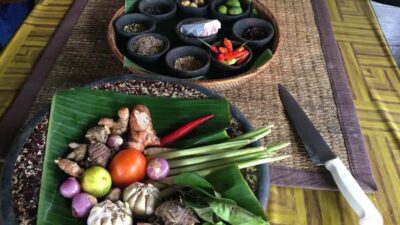
Cooking Class with Transfers and Optional Market Visit
Read our review →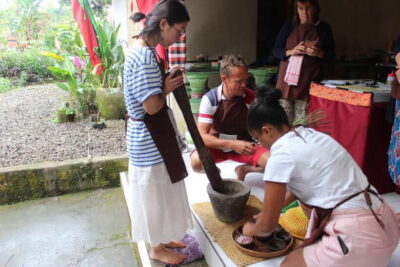
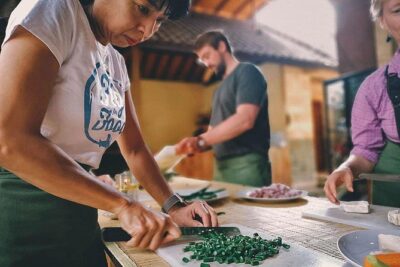
Balinese Cooking class with traditional morning market visit
Read our review →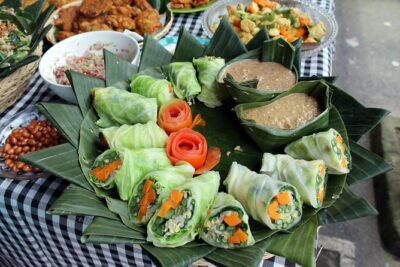
PRIVATE Ubud Market Tour & Balinese Cooking Class with Putu
Read our review →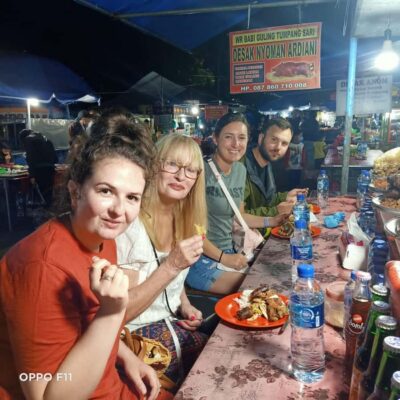
Ubud Traditional Night Market Food Tour-All Inclusive
Read our review →
Ubud Cooking Class with Optional Market Visit Pickup Included
Read our review →
Balinese Cooking Class with Traditional Market Tour
Read our review →
Regular or Vegetarian cooking class with market visit
Read our review →Browse the lists this tour appears in