
Reviewed · WORKSHOPS
Wood Carving Class
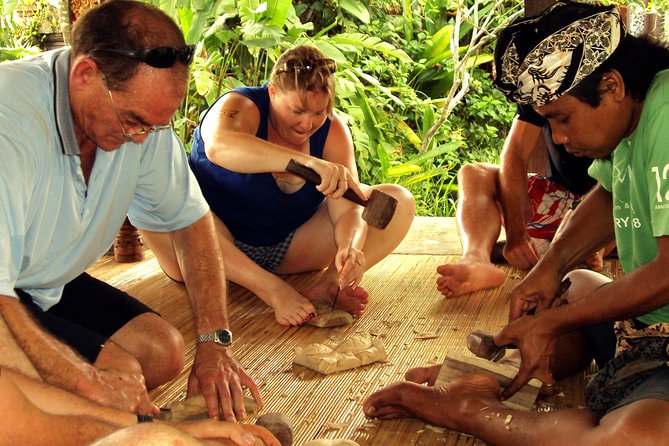
The best part of this Ubud activity is that you do not simply buy a souvenir. You make one yourself, starting with an ordinary block of wood and learning how to shape it with traditional tools. The private format means your instructor can slow down, demonstrate a cut again, or help rescue a beginner’s mistake.
I like the patient one-to-one teaching and the setting inside the Agung Rai Museum of Art grounds. I also like the freedom to choose a start time and take home something with a story attached to it. The main caution is timing: although the class is advertised at about two hours, some sessions have taken closer to three and a half hours.
In This Review
- Key points to know before booking
- Turning a plain block of wood into a Bali keepsake
- What happens during the two-hour workshop
- Why the private format makes a difference
- ARMA Museum gives the class a pleasant setting
- The instructors are the heart of the experience
- Is $33.64 good value?
- Who will enjoy this class most?
- A calm activity, but not a rushed one
- Booking details and cancellation rules
- A practical plan for your visit
- Should you book the Ubud wood-carving class?
- FAQ
- Where does the wood-carving class take place?
- How long does the class last?
- Is the activity private?
- Are tools and materials included?
- Do I need previous wood-carving experience?
- Can I choose the start time?
- How much does the class cost?
- What happens if I need to cancel?
Key points to know before booking
- A private lesson at ARMA: Only your group takes part, so the instructor can focus on your pace and ability.
- You carve a simple object: Basic modeling ideas, tool use, and carving methods lead to a finished handmade keepsake.
- Patient instructors matter here: Ketut and Wayan are named by participants as friendly, supportive teachers with good English.
- The museum setting adds value: Leave extra time to walk around the ARMA grounds, gallery, and nearby lunch options.
- The price is $33.64 per person: Tools and wood are included, making the cost reasonable for a private creative session.
- Plan beyond the two-hour estimate: Patient work can take longer, especially if you want to refine your carving.
Turning a plain block of wood into a Bali keepsake
Many Ubud souvenirs are easy to buy and just as easy to forget. This class takes a different route. You begin with a piece of wood and finish with an object shaped by your own hands, even if the carving is simple and a little rough around the edges.
That roughness is part of the appeal. You are not being judged in an art school. You are learning how wood responds to pressure, how a tool removes material, and how a plain form slowly becomes recognizable. The final piece carries the memory of the work, not just the name of a shop.
The class introduces basic ideas behind modeling objects in wood. You learn about the tools first, then practice simple carving methods under supervision. Each participant carves an object rather than watching a demonstration from the sidelines.
This makes the activity a good fit for you if you want a quiet, hands-on break from temple visits, shopping, and sightseeing. It also works well for couples, families, and small private groups because everyone receives direct help.
A few more Ubud half-days to weigh up
- Hands-On Silver Jewelry Making Near Ubud’s Monkey Forest
★ 4.9 · 1,789 reviews - Ubud Cooking Class Bali with Balinese Chef
★ 5.0 · 1,609 reviews - Ubud Silver Class Jewelry making in bali
★ 5.0 · 978 reviews
What happens during the two-hour workshop
The published duration is approximately two hours. The session begins with an introduction to the tools and materials, all of which are provided. You then get acquainted with basic techniques before working on your own piece.
The exact finished object is not specified, so you should expect a simple project rather than a large or highly detailed sculpture. The focus is on learning the first steps of wood carving and producing something you can take home.
Your instructor watches your work and gives advice as you go. That support is especially useful when a cut goes too deep or your design begins to change. One instructor was able to work around a beginner’s mistakes and offer suggestions for improvement, which is exactly the kind of help you want in a first lesson.
The process is slower than it looks. Carving requires patience, and the finished item may take longer if you want to smooth the shape or add more detail. One session lasted almost three and a half hours, so avoid scheduling a tight afternoon appointment immediately afterward.
You should think of the two-hour figure as a useful guide, not a hard guarantee. If you prefer a relaxed pace, allow extra time and treat the workshop as the main event rather than a quick stop between other plans.
Why the private format makes a difference
A private activity means only your group participates. That matters more here than it would on a standard sightseeing tour. Wood carving is a physical skill, and people learn at different speeds.
You can ask for a tool demonstration again without holding up a larger class. If you are progressing quickly, the instructor may help you refine your design. If you are nervous about making a mistake, you can work slowly with direct encouragement.
The named instructors, including Ketut and Wayan, are described as kind, friendly, patient, and supportive. Wayan also helped one participant’s son create a design he particularly wanted. That suggests the lesson can accommodate personal ideas, although you should not assume every complex design will be possible within the session.
The teaching style sounds informal rather than academic. You learn by doing, with the instructor correcting your handwork and showing you how to improve. That is a good match for a first-time carver who wants a practical introduction instead of a long lecture.
ARMA Museum gives the class a pleasant setting
The meeting point is the Agung Rai Museum of Art, also called ARMA, on Jalan Raya Pengosekan in Ubud. The workshop takes place in a museum setting, and the activity ends back at the same meeting point.
The location is more than a simple classroom. The grounds give you somewhere attractive to walk before or after the carving, and you can set aside time for the gallery and lunch. A few participants found the area calming, which suits the slow pace of the work.
I would not treat the museum visit as an included guided art tour unless your booking details say otherwise. The supplied information identifies ARMA as the stop and meeting point, but it does not promise a separate museum tour or gallery admission beyond the activity itself.
Still, the setting adds useful breathing room to your day. You can plan the class alongside time at ARMA instead of crossing Ubud for another attraction. If you enjoy art, allow extra time around the lesson. If your main goal is only to carve, arrive ready for the workshop and check how much free time you have before making other plans.
The activity is near public transportation, which helps if you are arranging your own way there. No transport pickup or drop-off is listed, so do not assume a vehicle is included.
A completely different day out, same corner of Ubud:
- All-Inclusive Ubud Private Tour
★ 5.0 · 14,344 reviews - Best of Ubud Full-Day Tour with Jungle Swing
★ 5.0 · 8,571 reviews - Ubud: Monkey Forest, Jungle Swing, Rice Terrace, and Water Temple
★ 5.0 · 7,160 reviews - Ubud: Waterfalls, Water Temple & Rice Terraces Private Tour
★ 5.0 · 5,484 reviews
The instructors are the heart of the experience
A wood-carving lesson depends heavily on the teacher. Tools can be supplied and the project can be prepared, but a patient instructor is what keeps a first attempt enjoyable.
Ketut is described as kind, patient, and supportive. Wayan is described as friendly, skillful, and good-humored, and he helped a young participant work toward a particular design. Another instructor was praised for being extremely skilled and for working around novice errors.
That consistency matters. You may arrive with no carving experience at all. The class is designed to teach basic techniques, and most people can participate, but you still need to accept that the first cuts may not look perfect.
The strongest feature here is encouragement rather than pressure. You can take your time and chip away at the block gradually. That makes the class suitable for someone who wants a calming activity, not just another fast-paced Ubud appointment.
English ability was specifically praised for one instructor. The available details do not guarantee that every instructor will have the same level of English, but the teaching is intended to guide you through the tools and techniques directly.
Is $33.64 good value?
At $33.64 per person, this is not the cheapest souvenir stop in Ubud. You can buy carved objects for less, especially if you care only about having something decorative to pack in your suitcase.
The value comes from the private instruction, supplied materials, use of tools, and the time spent making your own object. You are paying for an activity as well as the finished piece. For a private two-hour lesson, that is a fair price, particularly if you enjoy craft work.
The value improves if you make use of the ARMA setting. Pairing the class with time at the museum grounds, gallery, and lunch can turn the visit into a fuller half-day around Pengosekan. The class itself ends at the meeting point, so you do not lose time moving between locations.
The value is less convincing if you want a polished, professional carving or a guaranteed complex design. The class teaches basic methods and produces a simple object. You should see the souvenir as a record of your effort, not as a replacement for a master carver’s work.
Who will enjoy this class most?
I would recommend it first to people who enjoy making things. You do not need to arrive with artistic confidence, but you should be willing to work carefully and accept a few imperfect cuts.
It suits:
- Couples who want a shared activity with a physical souvenir
- Families with children who can participate in a supervised craft
- Solo visitors looking for a quiet, personal experience
- Art lovers who want to spend time at ARMA
- First-time carvers who prefer private instruction
- Anyone tired of buying the same style of souvenir
The class may be less suitable if you have a strict schedule, want a large finished sculpture, or dislike slow manual work. You should also plan carefully if your group includes people who want very different levels of challenge. The private format helps, but the activity still centers on basic carving.
The available information says most people can participate. It does not provide detailed accessibility information, so if you have specific mobility, hand, or tool-use needs, ask the provider before booking.
A calm activity, but not a rushed one
The word relaxing comes up for good reason. Carving asks you to focus on one small task, and the museum grounds provide a quieter setting than a crowded shopping street.
That calm can be welcome after a busy day in Bali. You work with your hands, listen to instructions, and see the shape change slowly. It is a simple way to give yourself a break without giving up the sense that you are doing something meaningful.
Do not confuse calm with effortless. You still need patience. The wood will not turn into a finished object at once, and you may spend longer than expected correcting a line or removing small pieces.
For that reason, I would book this on a day with open space in your schedule. A two-hour appointment followed by a flexible meal or museum visit makes sense. A two-hour appointment followed by a fixed transfer across Bali does not.
Booking details and cancellation rules
You receive confirmation at the time of booking, and the ticket is mobile, so you can keep the booking on your phone. The activity is offered at a start time that suits your schedule, subject to availability.
The experience is booked an average of 23 days in advance. That does not guarantee you must reserve exactly that early, but it is a useful sign that planning ahead is sensible, especially if your Ubud dates are fixed.
You can cancel for a full refund up to 24 hours before the local start time. Cancellations or changes made inside that 24-hour window are not accepted for a refund.
The activity requires good weather and a minimum number of participants. If poor weather or an unmet minimum causes cancellation, you are offered another date or experience, or a full refund. The activity itself is private for your group, even though a minimum booking condition may still apply.
A practical plan for your visit
Choose a start time that leaves room on both sides. Arrive at the Agung Rai Museum of Art meeting point, then expect the instructor to introduce the materials and tools before you begin carving.
Wear something you can work comfortably in. The provided information does not specify clothing requirements, so there is no need to invent a dress code, but practical clothes make more sense than anything you need to keep spotless.
Keep your design modest unless your instructor confirms that a more ambitious idea will fit the class. One participant successfully brought a personal design idea, but the lesson is built around a simple object and basic techniques.
After the workshop, use the fact that you are already at ARMA. Walk through the museum area, look around the gallery, and consider lunch nearby. This extra time was a key part of the appeal for people who wanted a peaceful day rather than a quick appointment.
Finally, leave room for the carving to run over. The class may take about two hours, but careful work can continue much longer. That is not necessarily a problem, unless you have somewhere else you must be.
Should you book the Ubud wood-carving class?
Book it if you want a personal souvenir, enjoy learning by hand, and can give the activity more than a hard two-hour slot. The private instruction and patient teachers are the strongest reasons to choose it, while the ARMA setting makes the visit easy to pair with art and lunch.
Skip it if you only want a cheap ready-made object or need a tightly timed itinerary. The finished piece will be simple, and the work may take longer than expected.
For most visitors who want a quieter, more personal Bali memory, $33.64 is a sensible price. You leave with more than wood. You leave with the memory of making it.
FAQ
Where does the wood-carving class take place?
The class begins and ends at the Agung Rai Museum of Art, located on Jalan Raya Pengosekan in Ubud, Bali.
How long does the class last?
The expected duration is about two hours, but some sessions can last longer. One session took almost three and a half hours, so keep your schedule flexible.
Is the activity private?
Yes. Only your group participates in the private activity, allowing the instructor to give direct attention to each participant.
Are tools and materials included?
Yes. The class provides all tools and materials needed for the basic carving activity.
Do I need previous wood-carving experience?
No previous experience is stated as a requirement. The workshop introduces basic concepts, tools, and techniques, and most people can participate.
Can I choose the start time?
Yes. The activity allows you to choose a start time that suits your schedule, subject to availability.
How much does the class cost?
The listed price is $33.64 per person.
What happens if I need to cancel?
You can receive a full refund if you cancel at least 24 hours before the experience start time. Cancellations or changes made less than 24 hours before the start are not accepted for a refund.
Just added around Ubud
- Authentic hike in the forest with lunch at the inhabitant★ 5.0 · 3 reviews
- Heaven Gate, Tirtagangga and Tukad Cepung Waterfall – All Inclusive★ 5.0 · 3 reviews
- Half Day Uluwatu Temple Sunset, Kecak Dance and Seafood Dinner★ 3.5 · 3 reviews
- Ubud: White Water Rafting with visit Ubud Monkey Forest★ 5.0 · 3 reviews
- East Bali and Lempuyang Temple Tour★ 5.0 · 3 reviews
- Ubud: Temple, Swing, Waterfall, Rice Terrace & Monkey Forest★ 5.0 · 3 reviews
- ️Bali All Inclusive Tour: Ubud – Tegalalang – Kintamani★ 5.0 · 3 reviews
- Blue Lagoon Snorkeling and Lunch with Tukad Cepung Waterfall★ 5.0 · 3 reviews
Workshops, compared.
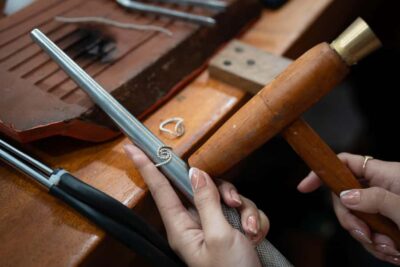
Hands-On Silver Jewelry Making Near Ubud’s Monkey Forest
Read our review →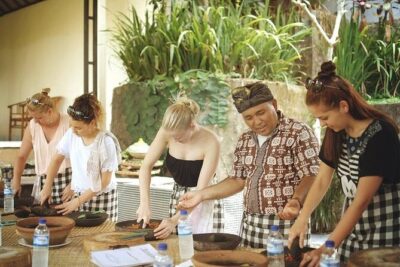
Cooking Class with Transfers and Optional Market Visit
Read our review →
PRIVATE Authentic Balinese Cooking Class in Ubud at Putu’s Home
Read our review →

Browse the lists this tour appears in