
Reviewed · WORKSHOPS
Ubud: Balinese Traditional Gamelan Music Class with a Master
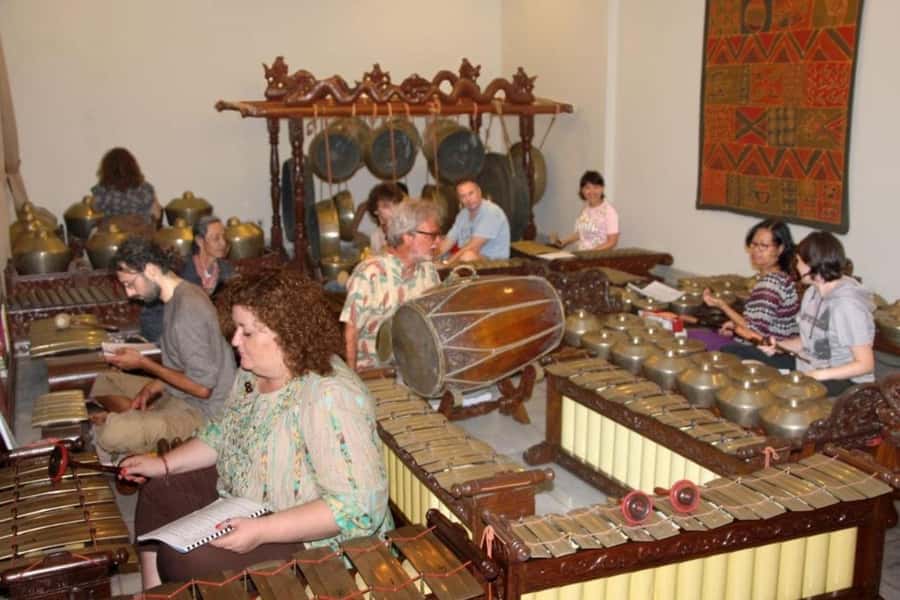
Balinese gamelan is not background music. It is a shared musical system tied to ceremonies, festivals, and village life, and this private one-hour class lets you take part rather than simply listen. You learn the basic patterns, feel how separate parts fit together, and hear why harmony matters in Balinese society. I like the direct contact with local culture, and I like that the class welcomes people with no musical training.
The instructor’s accessible teaching is a real strength, especially if you worry that gamelan will be too difficult. The main limitation is time: one hour goes quickly, so you should expect an introduction rather than mastery. There is also no food included, and the class is not suited to pregnant women or babies under one year.
In This Review
- Key points at a glance
- What makes Balinese gamelan different
- Your first few minutes with the instruments
- Learning the interlocking rhythm
- Culture and ecology beyond the notes
- Why the private group matters
- Is $20 good value for one hour?
- Who will enjoy this class most
- Practical planning for your Ubud schedule
- What this class does not include
- Should you book this Ubud gamelan lesson?
- FAQ
- How long does the Balinese gamelan class last?
- How much does the class cost?
- Is the class private?
- Is an instructor included?
- What language is the class taught in?
- Is gamelan equipment provided?
- What should I bring?
- How early should I arrive?
Key points at a glance
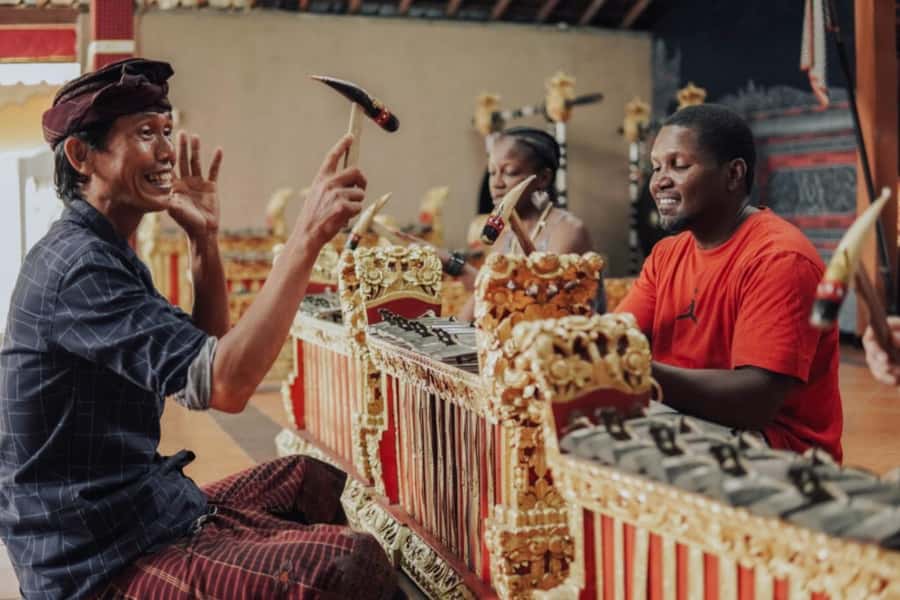
- Play real Balinese gamelan instruments: Equipment is included, so you can focus on learning rather than watching a demonstration.
- Work with an English-speaking local instructor: The teaching is designed to be approachable, even if you cannot read music or play an instrument.
- Explore music as a community practice: You learn how gamelan relates to ceremonies, festivals, and shared village life.
- Add culture and ecology to the lesson: The session provides more than musical technique, with attention to Bali’s wider cultural setting.
- Enjoy a private group format: Your class is not a large public session, which allows the instruction to stay focused on your group.
- Pay $20 for a compact cultural activity: This is a reasonable price for a short, equipment-included lesson, especially if you value hands-on experiences.
What makes Balinese gamelan different
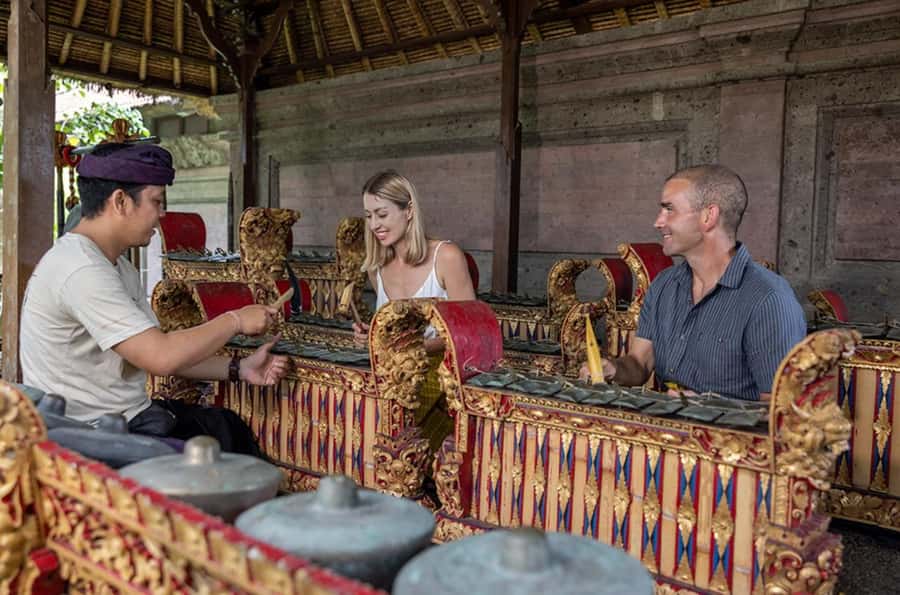
Gamelan is built around cooperation. Instead of one performer carrying a song from beginning to end, several instruments contribute linked parts. The result can sound intricate, but the idea is simple: each player listens, keeps time, and fits into the group.
That makes gamelan a useful window into Balinese social life. The music reflects the value placed on coordination and shared responsibility. Religious ceremonies, festivals, and community events are important settings for this tradition, so the class connects music with the way people gather and mark special occasions.
You do not need to arrive with musical experience. The strongest practical point here is accessibility. The instructor can guide you through the basic playing approach, and the class is meant to help complete beginners take part without feeling lost.
I would not compare this with a formal conservatory lesson. In one hour, you will not cover every instrument, rhythm, or ceremonial use. You will get a hands-on introduction, a sense of how the parts work together, and enough cultural context to listen to gamelan with better ears later in your Bali trip.
A few more Ubud half-days to weigh up
- Hands-On Silver Jewelry Making Near Ubud’s Monkey Forest
★ 4.9 · 1,789 reviews - Ubud Cooking Class Bali with Balinese Chef
★ 5.0 · 1,609 reviews - Ubud Silver Class Jewelry making in bali
★ 5.0 · 978 reviews
Your first few minutes with the instruments
The class lasts one hour, and the equipment is supplied. That matters because gamelan is not something most people can recreate with objects from a hotel room. You can arrive, settle into the lesson, and start working with the instruments provided.
The class description does not specify the exact instrument assigned to each participant, so it is best not to expect a particular gong, metallophone, or drum. The useful thing is the group setting: you are learning how your part relates to the others, rather than treating the music as a solo exercise.
Plan to arrive 15 minutes before the start time. This gives you room to find the meeting point, get comfortable, and begin without cutting into the lesson. Comfortable clothing is the sensible choice for any activity involving sitting, handling instruments, and following a teacher’s movements.
Bring a camera if you want a record of the setting or instruments. Smoking is not allowed, so plan for a smoke-free hour.
Learning the interlocking rhythm
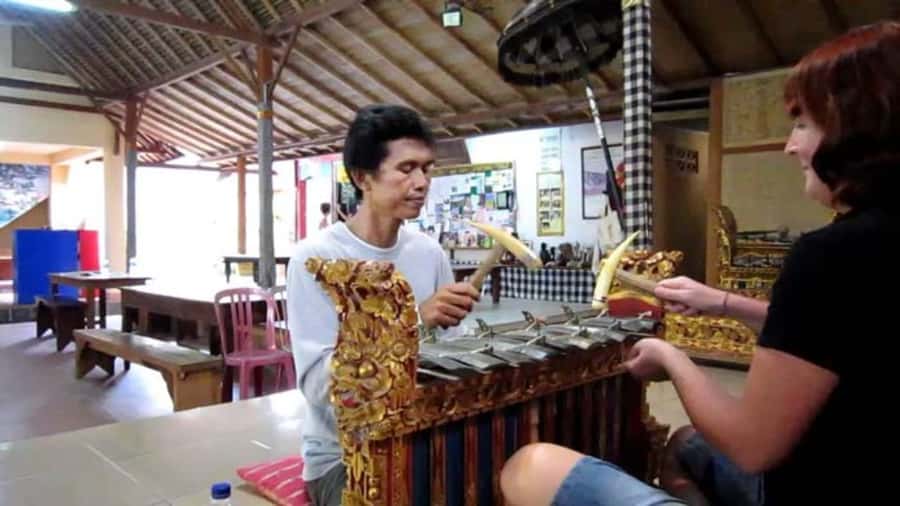
The heart of the experience is learning to play. You will be shown the basic approach to the music and then try it yourself. Since the class is led in English, you can ask questions and follow spoken instructions without needing to rely only on demonstration.
For a first-time player, the key challenge is coordination. Balinese gamelan can sound busy because its parts interlock. Your own pattern may be short, but it only makes sense when it joins the patterns played by others. That can be satisfying, but it also means you must listen closely.
I like this format because it gives you a physical understanding of the music. Reading about communal harmony is one thing. Trying to keep your part steady while hearing other parts around you is more memorable.
The experience has received a top rating, with specific praise for the teacher and the accessible approach. That does not mean the lesson will feel effortless. It means the teaching is suitable for people who may arrive with no musical background. If you are nervous about making mistakes, this is the sort of activity where a patient instructor matters more than natural talent.
Culture and ecology beyond the notes
The class is not limited to playing technique. It also provides context about Balinese culture and ecology. The available details do not set out a minute-by-minute talk or name particular sites, animals, or environmental topics, so you should treat this as supporting conversation rather than a separate lecture.
That added context improves the value of the session. Music in Bali is connected to religious and community life, and the surrounding environment forms part of how people understand place and daily activity. Learning about those links can help you see gamelan as a living tradition instead of a decorative performance for visitors.
You may find this especially useful if you are spending several days in Ubud and want an activity that gives structure to your cultural sightseeing. A temple visit can show you architecture and ritual spaces. A gamelan class lets you participate in one of the practices that helps bring community events together.
The class will not explain every part of Balinese belief or ecology in one hour. Think of it as a compact introduction that gives you better questions to ask and more context for music you may hear elsewhere on the island.
A completely different day out, same corner of Ubud:
- All-Inclusive Ubud Private Tour
★ 5.0 · 14,344 reviews - Best of Ubud Full-Day Tour with Jungle Swing
★ 5.0 · 8,571 reviews - Ubud: Monkey Forest, Jungle Swing, Rice Terrace, and Water Temple
★ 5.0 · 7,160 reviews - Ubud: Waterfalls, Water Temple & Rice Terraces Private Tour
★ 5.0 · 5,484 reviews
Why the private group matters
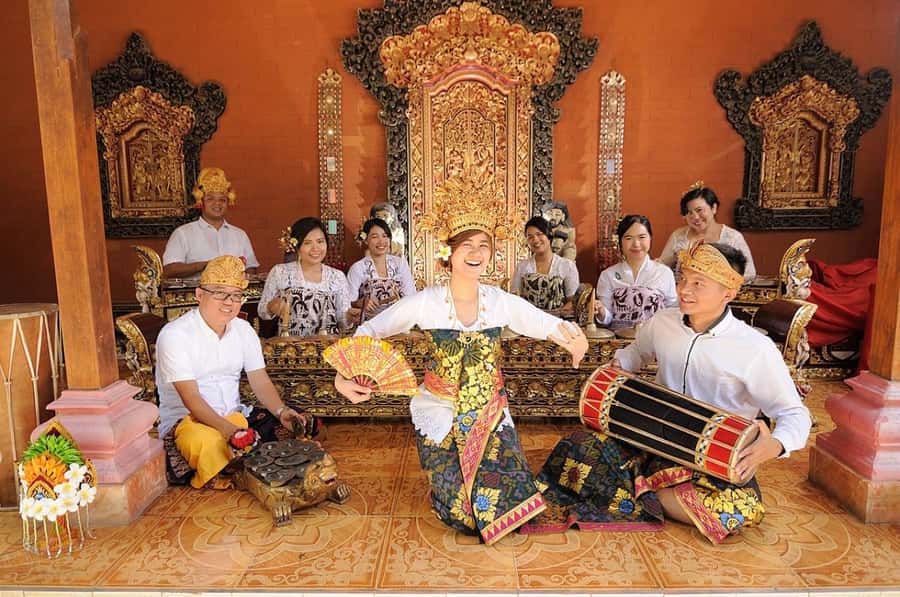
This is a private group activity. That is one of the most important details to weigh when comparing it with a cheaper public demonstration or a large workshop.
A private format can make a beginner class less awkward. You have more space to follow the instructor’s pace, ask for another explanation, and work through a rhythm without feeling that a large room is waiting for you. The exact maximum group size is not provided, so I would not assume the class is one-on-one. Still, it is not presented as a general crowd session.
Private does not automatically mean luxurious. The class lasts only one hour, and the focus remains on music, culture, and ecology. You are paying for personal attention and participation, not a long show or a full-day cultural program.
For couples, families with older children, or a small circle of friends, this setup could be a strong fit. It also suits solo visitors who prefer a focused lesson, though the cost remains $20 per person rather than a single flat group price.
Is $20 good value for one hour?
At $20 per person, this is a modestly priced cultural activity in Ubud. The price includes the one-hour traditional music class, a professional local instructor, and the gamelan equipment. Those inclusions matter because the activity is hands-on, not simply an observation session.
The value is strongest if you want active learning. You are not just sitting through a performance. You are given a chance to make sound, understand the group rhythm, and connect the music to Balinese culture.
The value is weaker if you expect a long workshop, a meal, hotel transportation, or a major performance. Food is not included, and no transportation is listed. The activity is also brief, so you should not book it as your only cultural experience in Ubud.
I would place it in the useful short-activity category. It can fit before lunch, between sightseeing plans, or during a quieter part of your Ubud schedule. At this price, it is a reasonable way to add participation to a trip that might otherwise consist of temples, cafés, markets, and scenic stops.
Who will enjoy this class most
This class suits you if you want to understand Bali through participation. You do not need to be a musician, and the teaching is intended to be accessible to beginners. A basic interest in rhythm and culture is enough.
It is also a good match for people who prefer small, direct activities over large performances. The private group format gives the lesson a more personal feel, while the English instruction keeps the practical side clear.
You may want to choose another activity if you need a long, detailed music course. One hour is enough to get started, but not enough to build advanced skill. You should also check the restrictions carefully if anyone in your party is pregnant or if you are traveling with a baby under one year.
The lesson could work well for older children, but the supplied information does not give a minimum age beyond the restriction for babies under one year. If you are booking for children, confirm that the format suits their age and attention span before paying.
Practical planning for your Ubud schedule
Set aside more than the listed one hour because you are asked to arrive 15 minutes early. That arrival buffer is important in Ubud, where finding a meeting point can take longer than expected if you are unfamiliar with the area.
Wear comfortable clothes. The instructions do not specify a dress code, but practical clothing will help you concentrate on the instruments and the lesson. Bring a camera if you want photos, and remember that smoking is not allowed.
The instructor speaks English, which makes the experience easier to follow for English-speaking visitors. A named instructor is not provided, so you should not plan around meeting a particular teacher.
The booking terms are flexible. You can cancel up to 24 hours before the activity for a full refund, and you can reserve now while paying later. That helps if your Ubud schedule is still changing, though you should still check the available starting times before choosing a slot.
What this class does not include
Keeping expectations clear will make the experience more enjoyable. The class includes the musical equipment and instruction, but no food. There is no stated meal, snack, drink, transport service, or longer cultural tour.
There is also no promise of a full concert. The focus is learning to play and understanding the setting of gamelan. If you want a polished performance, you should treat that as a separate plan.
The ecological and cultural material is a welcome part of the experience, but the available information does not describe a field visit or outdoor ecology walk. You will be taking a music class with added context, not booking a nature excursion.
That narrow focus is not a flaw. In fact, it keeps the price low and the schedule manageable. Just know that this is a compact workshop, not an all-day introduction to Bali.
Should you book this Ubud gamelan lesson?
Book it if you want a short, hands-on cultural activity that is easy for beginners. The strongest reasons are the accessible local teaching, private group format, included equipment, English instruction, and $20 price. You will leave with a clearer sense of how Balinese music depends on cooperation, not just a few photographs of instruments.
Skip it if you want an extended music course, a meal, transport, or a major performance. The one-hour length sets a firm limit on what you can learn.
For most visitors with an open hour in Ubud, I think this is a sensible buy. Arrive early, wear comfortable clothes, and approach it as a first lesson rather than a complete education. That is when the class offers its best value.
FAQ
How long does the Balinese gamelan class last?
The class lasts one hour.
How much does the class cost?
The price is $20 per person.
Is the class private?
Yes. The activity is offered as a private group.
Is an instructor included?
Yes. A professional local instructor is included.
What language is the class taught in?
The instructor speaks English.
Is gamelan equipment provided?
Yes. Gamelan music equipment is included in the class.
What should I bring?
Bring comfortable clothes and a camera if you would like to take photographs.
How early should I arrive?
You should arrive 15 minutes before the activity begins.
Just added around Ubud
- Authentic hike in the forest with lunch at the inhabitant★ 5.0 · 3 reviews
- Heaven Gate, Tirtagangga and Tukad Cepung Waterfall – All Inclusive★ 5.0 · 3 reviews
- Half Day Uluwatu Temple Sunset, Kecak Dance and Seafood Dinner★ 3.5 · 3 reviews
- Ubud: White Water Rafting with visit Ubud Monkey Forest★ 5.0 · 3 reviews
- ️Bali All Inclusive Tour: Ubud – Tegalalang – Kintamani★ 5.0 · 3 reviews
- East Bali and Lempuyang Temple Tour★ 5.0 · 3 reviews
- Ubud: Temple, Swing, Waterfall, Rice Terrace & Monkey Forest★ 5.0 · 3 reviews
- Blue Lagoon Snorkeling and Lunch with Tukad Cepung Waterfall★ 5.0 · 3 reviews
Workshops, compared.
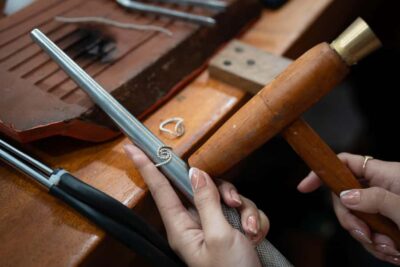
Hands-On Silver Jewelry Making Near Ubud’s Monkey Forest
Read our review →

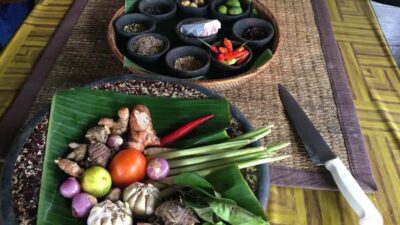
Cooking Class with Transfers and Optional Market Visit
Read our review →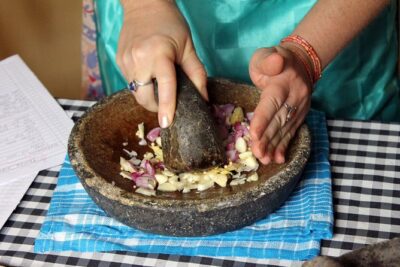
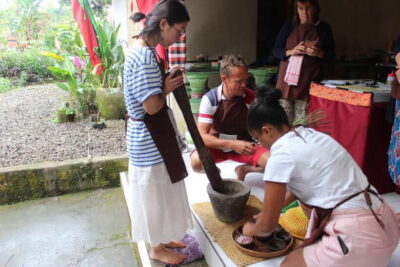
PRIVATE Authentic Balinese Cooking Class in Ubud at Putu’s Home
Read our review →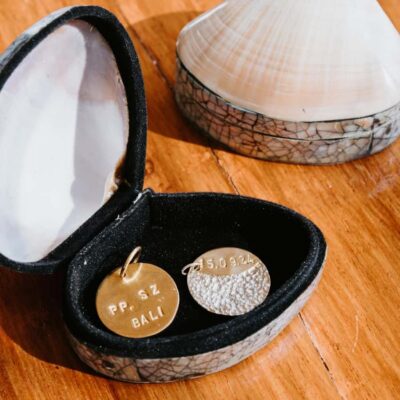

Browse the lists this tour appears in