
Reviewed · WORKSHOPS
Canggu Scooter Lessons
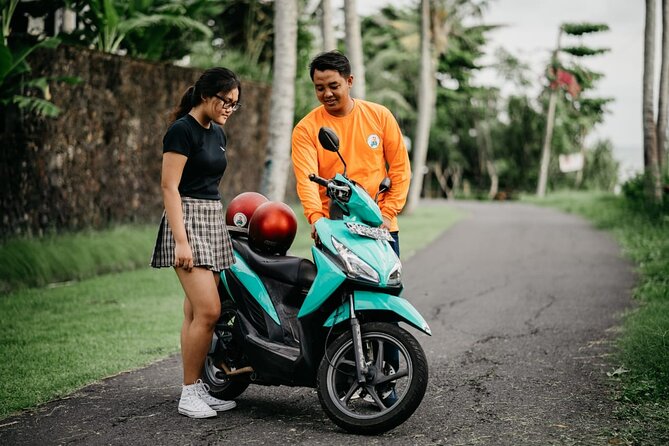
The most useful part of Canggu Scooter Lessons is the gradual move from a parking lot to a quiet village street. You begin with scooter controls and basic balance, then progress only when you feel ready. That matters in Bali, where confidence without control can quickly become a problem.
I like the private format, since your instructor can slow down, repeat a task, or give you a break without holding up a group. I also like the patient teaching style reported by customers, especially the calm guidance from Agus and Gede. The main consideration is that two hours may not be enough if you are starting from scratch. The provider says many people need two or three lessons, or about four to six hours in total.
In This Review
- Key points at a glance
- Why a scooter lesson can make Bali easier
- The parking lot: controls before confidence
- Balance and turns in a safe space
- Quiet village roads: the first real test
- What the instructors do well
- Is two hours enough for you?
- Licensing and the responsibility to ride legally
- Timing, meeting point, and weather
- Who will get the most from this lesson?
- Should you book Canggu Scooter Lessons?
- FAQ
- Where does the scooter lesson begin?
- Where does the activity end?
- How long does one lesson last?
- How much does the lesson cost?
- Is the lesson private?
- Do I need a driving license?
- Do I need to know how to ride a bicycle?
- How many lessons might I need?
- Can I take breaks during the lesson?
- What happens if bad weather cancels the lesson?
Key points at a glance
- Private instruction: Only your group takes part, so the pace can match your confidence and ability.
- Parking-lot first: You learn the scooter’s functions, balance, and turns before facing even a quiet street.
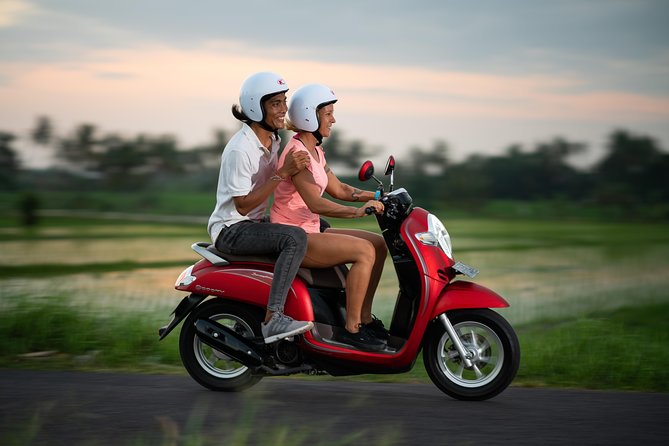
- Patient named instructors: Agus and Gede are praised for clear explanations and taking time before moving on.
- Practice before traffic: The lesson builds toward busier roads, but it does not promise that one session makes you ready for all Bali traffic.
- Valid license required: You should have a valid license, and the provider also offers help obtaining an Indonesian driving license.
- Flexible learning path: Breaks are allowed, and you can book fewer or more lessons depending on your progress.
Why a scooter lesson can make Bali easier
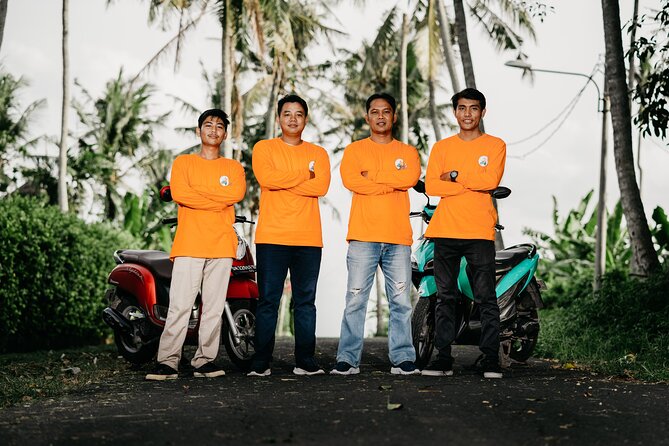
A scooter is one of the most common ways to get around Bali, but renting one before you can ride properly is a poor shortcut. The roads can feel unfamiliar, and the challenge is not just twisting the throttle. You need to balance, steer, brake, turn, and judge space while staying calm.
This lesson gives you a controlled place to build those skills. You start at the provider’s parking lot on Jl. Raya Dawas in Tibubeneng, North Kuta. The meeting point is in the Canggu area, even though the supplied location label says Ubud, so I would check the address carefully before setting out.
The lesson is private and lasts about two hours. That is long enough to make real progress without turning the first attempt into an exhausting half-day session. If you are nervous, the shorter format also lets you test how you feel before paying for more instruction.
I see this as a practical arrival activity for someone who wants to use a scooter during a Bali stay. It can also suit a repeat visitor who rode before but still feels uneasy on unfamiliar roads. The goal is not simply to get the scooter moving. It is to help you make sensible decisions before you ride independently.
A few more Ubud half-days to weigh up
- Hands-On Silver Jewelry Making Near Ubud’s Monkey Forest
★ 4.9 · 1,789 reviews - Ubud Cooking Class Bali with Balinese Chef
★ 5.0 · 1,609 reviews - Ubud Silver Class Jewelry making in bali
★ 5.0 · 978 reviews
The parking lot: controls before confidence
Your instructor begins with theory. You learn how the scooter works and what its functions do before you are expected to move. This step may sound basic, but it is important for a first-time rider who does not yet know which controls need attention.
The supplied details do not list every control covered, so you should not expect a fixed classroom script. The clear point is that the lesson starts with an explanation rather than an immediate road test. That gives you a chance to ask questions while the scooter is stationary.
The private setup helps here. An instructor can explain a point again, watch how you respond, and avoid pushing you onward simply because the rest of a group is ready. Agus is described as nice and patient, with detailed explanations for a first-time rider. Gede is also praised for waiting until the next step felt comfortable.
I like this approach because scooter anxiety often comes from not knowing what will happen next. Understanding the machine reduces some of that uncertainty. It also gives you a better base for the hands-on work that follows.
Balance and turns in a safe space
After the theory, you practice balancing the scooter and taking turns. These are the first physical skills, and the instructor keeps you in the parking area until you are ready to progress.
For a beginner, balance is not something you want to figure out beside moving traffic. A quiet practice area gives you room to make small mistakes without adding pressure from cars, other scooters, or impatient road users. The lesson is designed to let you repeat the basic movements until they feel more natural.
The teaching style is notably low-pressure. One customer describes being given different tasks without being pushed to learn quickly. That is a useful detail for you if you are worried about looking slow or making a mistake in front of an instructor. You can work at your own pace, and you can take as much break time as needed.
You should still expect to concentrate. Scooter riding involves physical coordination, and the provider asks for a moderate level of physical fitness. The lesson is not described as suitable for someone unable to ride a bicycle or bike, since bicycle-riding experience is required for learning the scooter.
That requirement is worth taking seriously. If you cannot balance a bicycle, a scooter lesson is not the place to start. Build that basic skill first, then consider this activity.
Quiet village roads: the first real test
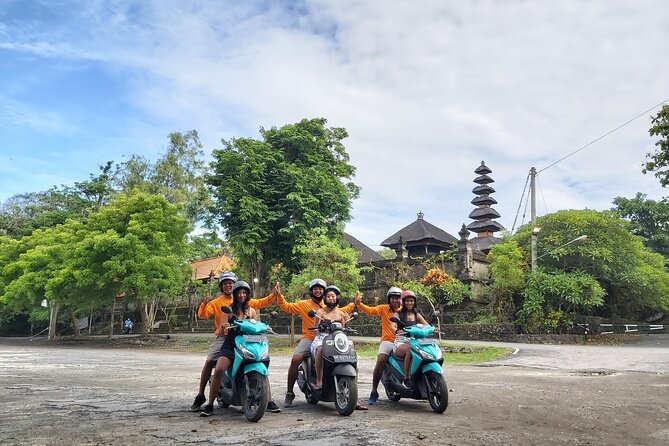
Only after you feel completely confident does the lesson move to a quiet village street. This is the key transition. You get a taste of riding on an actual road, but the lesson does not send you straight into the most demanding traffic.
The exact route is not specified, so you should not book this expecting a sightseeing ride through Canggu. This is instruction, not a tour of temples, rice fields, or beach clubs. The road practice exists to help you apply balance, turns, and scooter control outside the parking lot.
The change from stationary practice to a street can feel significant. You now need to track your direction and surroundings at the same time. Your instructor remains close and provides support, helping you focus on the next task rather than panic about the whole road.
One useful outcome described by a customer is feeling safer on busy roads after practicing first in a controlled setting. That does not mean the lesson removes every risk. It means you have a better chance of approaching later rides with useful habits instead of guesswork.
I would treat this quiet-road portion as a checkpoint, not a certificate of readiness. If you finish the first lesson still feeling tense, book another session. The provider says the average learner needs two or three lessons, or roughly four to six hours. That estimate is more honest than pretending every rider will be ready after one booking.
A completely different day out, same corner of Ubud:
- All-Inclusive Ubud Private Tour
★ 5.0 · 14,344 reviews - Best of Ubud Full-Day Tour with Jungle Swing
★ 5.0 · 8,571 reviews - Ubud: Monkey Forest, Jungle Swing, Rice Terrace, and Water Temple
★ 5.0 · 7,160 reviews - Ubud: Waterfalls, Water Temple & Rice Terraces Private Tour
★ 5.0 · 5,484 reviews
What the instructors do well
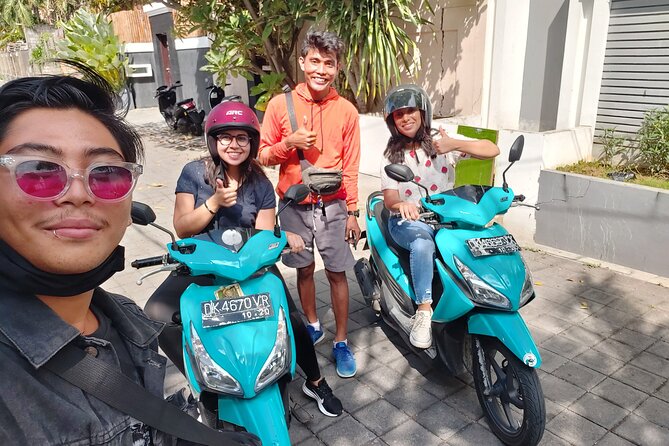
The strongest theme in the available feedback is patience. Agus is praised for explaining things in detail. Gede is praised for moving to the next step only after the rider felt ready. Krisna is thanked for patience and kindness after helping a customer reach the point of riding freely.
Those details give you a useful picture of the teaching style. The instructor is there to guide rather than rush you. You can expect tasks that build one skill at a time, with room to repeat them.
The instructor is also described as keeping you safe and having fun while offering support as you learn. The exact communication method can vary, but the activity says the instructor keeps you supported in your ear. That should make it easier to receive guidance while you are concentrating on the scooter.
Because the class is private, you do not have to match another learner’s pace. That is especially helpful if one person in your party is confident and another is not. Only your group participates, so the session can focus on the rider who needs more time.
The provider also offers manual motorbike lessons, bicycle lessons, and help obtaining an Indonesian driving license. Those are separate services, not automatically included in this two-hour electric scooter lesson. Ask about them if you need a different type of training.
Is two hours enough for you?
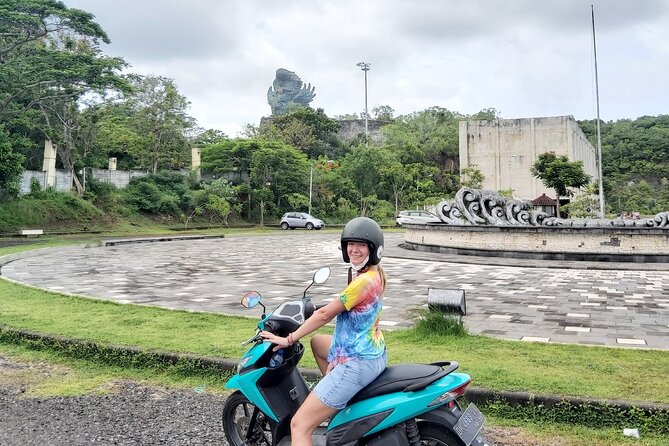
For someone with bicycle skills and some scooter familiarity, two hours may provide a useful start. You can learn the controls, practice balance and turns, and try a quiet road under supervision.
For a complete beginner, I would budget mentally for more than one lesson. The provider’s own average is four to six hours across two or three sessions. That is not a weakness. It recognizes that balance, confidence, and road awareness develop at different speeds.
Do not let the low price encourage you to rush. At $31.34 per person, the first two-hour session costs less than committing to a longer training package. I see that as good value if it helps you avoid an expensive mistake with a rental scooter.
The price is harder to judge if you only want a quick thrill. This is not a scenic excursion, and there are no listed stops or sightseeing extras. You are paying for instruction, private attention, and a safer place to learn.
If you share the lesson with a partner or friend, remember that the experience is priced per person. The private format still gives your group the full session, but the supplied details do not explain how teaching is divided between two learners. If both of you are beginners, ask how the time will be handled.
Licensing and the responsibility to ride legally
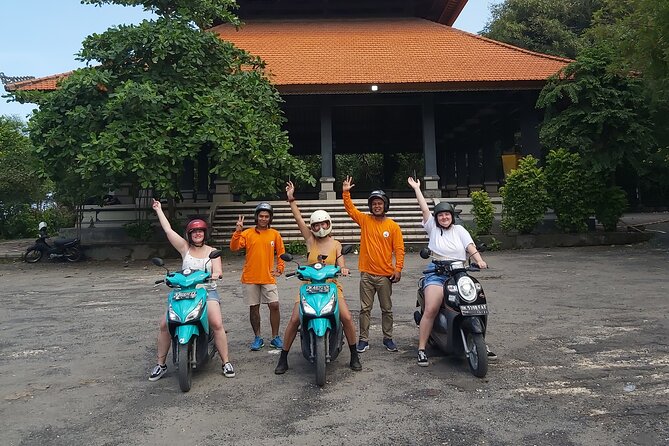
You should have a valid license for this activity. The lesson is meant to improve your ability to ride, not replace the legal requirements for driving.
The provider offers a service to help obtain an Indonesian driving license, but that is listed as an additional service. Do not assume it is included in the $31.34 lesson price.
This point matters because confidence and legal permission are different things. You might finish a lesson able to balance and steer, but you still need the proper license before riding independently. Confirm your own requirements before renting or taking to public roads.
The lesson also assumes that you already know how to ride a bicycle or bike. If you have never balanced on two wheels, this is not the right first step. A moderate level of physical fitness is required, and you should be comfortable with the basic physical demands of controlling a scooter.
Timing, meeting point, and weather
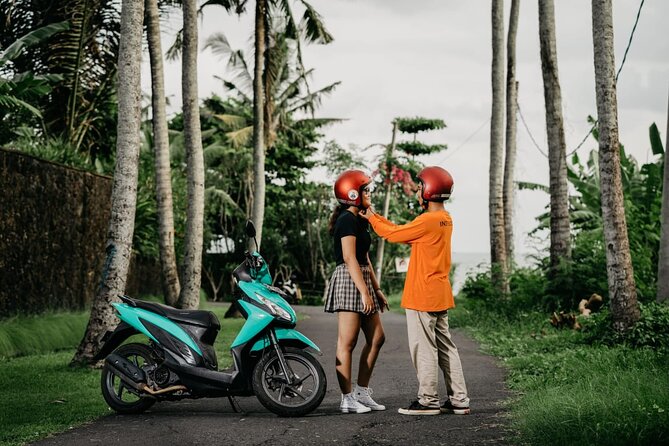
The activity begins and ends at Canggu Scooter Lessons, Jl. Raya Dawas, Tibubeneng, Kec. Kuta Utara, Kabupaten Badung, Bali 80361, Indonesia. Since the supplied location heading says Ubud while the street address is in the Canggu area, use the full address when planning your route.
The activity uses a mobile ticket, and confirmation is received when you book. The lesson takes about two hours, though your actual practice time can include breaks. Breaks are allowed whenever you need them, which is helpful in Bali’s heat or after a concentration-heavy first attempt.
Good weather is required. If poor weather causes the lesson to be canceled, you are offered a new date or a full refund. Your own cancellation is different: the booking is non-refundable and cannot be changed for any reason. This makes it wise to book only when your schedule and riding plans are fairly firm.
The experience ends back at the meeting point. No transport to or from your hotel is included in the supplied details, so plan your own way to Jl. Raya Dawas.
Who will get the most from this lesson?
I would recommend it most strongly to:
- A first-time scooter rider who can already ride a bicycle
- Someone newly arrived in Bali who wants instruction before renting
- A repeat visitor who still feels uneasy on busy roads
- A rider who prefers private teaching over a large class
- A cautious learner who wants breaks and a gradual pace
- A couple or small group willing to learn together
I would be more cautious if you want a sightseeing activity. This lesson is about riding skills, not seeing Canggu. I would also look elsewhere if you need a manual motorbike lesson, since this booking is for a private electric scooter session.
The activity has a 5.0 rating from 195 reviews and a 100 percent recommendation rate. More useful than the numbers is the repeated praise for patient instruction, clear explanations, practice in a safe area, and the absence of pressure to learn quickly.
Should you book Canggu Scooter Lessons?
Book it if you want to ride in Bali and need a calm, private introduction before facing public roads. The parking-lot practice, quiet-street progression, flexible breaks, and patient instruction from teachers such as Agus and Gede make the lesson especially useful for nervous beginners.
Plan on a second or third lesson if you are still uncertain after the first two hours. At $31.34 per person, the session offers solid value as a skills lesson, but it does not include sightseeing, transport, or a guaranteed path to independent riding in heavy traffic.
Bring the right expectations, confirm the Canggu meeting address, make sure you have a valid license, and remember that bicycle skills are required. For the right rider, this is a sensible way to replace scooter nerves with practice before taking on Bali roads.
FAQ
Where does the scooter lesson begin?
It begins at Canggu Scooter Lessons, Jl. Raya Dawas, Tibubeneng, Kec. Kuta Utara, Kabupaten Badung, Bali 80361, Indonesia.
Where does the activity end?
The lesson ends back at the same meeting point.
How long does one lesson last?
One lesson lasts approximately two hours.
How much does the lesson cost?
The listed price is $31.34 per person.
Is the lesson private?
Yes. Only your group participates in the activity.
Do I need a driving license?
Yes. Participants should have a valid license.
Do I need to know how to ride a bicycle?
Yes. Experience riding a bicycle or bike is required for learning to ride the scooter.
How many lessons might I need?
It depends on your pace and confidence. The provider says the average learner takes two to three lessons, or about four to six hours in total.
Can I take breaks during the lesson?
Yes. You can take as much break time as you need.
What happens if bad weather cancels the lesson?
You will be offered a different date or a full refund if poor weather causes the cancellation. Your own cancellation is non-refundable and cannot be changed.
Just added around Ubud
- Authentic hike in the forest with lunch at the inhabitant★ 5.0 · 3 reviews
- Heaven Gate, Tirtagangga and Tukad Cepung Waterfall – All Inclusive★ 5.0 · 3 reviews
- Half Day Uluwatu Temple Sunset, Kecak Dance and Seafood Dinner★ 3.5 · 3 reviews
- Ubud: White Water Rafting with visit Ubud Monkey Forest★ 5.0 · 3 reviews
- ️Bali All Inclusive Tour: Ubud – Tegalalang – Kintamani★ 5.0 · 3 reviews
- East Bali and Lempuyang Temple Tour★ 5.0 · 3 reviews
- Ubud: Temple, Swing, Waterfall, Rice Terrace & Monkey Forest★ 5.0 · 3 reviews
- Blue Lagoon Snorkeling and Lunch with Tukad Cepung Waterfall★ 5.0 · 3 reviews
Workshops, compared.

Hands-On Silver Jewelry Making Near Ubud’s Monkey Forest
Read our review →


Cooking Class with Transfers and Optional Market Visit
Read our review →
PRIVATE Authentic Balinese Cooking Class in Ubud at Putu’s Home
Read our review →


Browse the lists this tour appears in