
Reviewed · WORKSHOPS
3 Hours Wheel Throwing Basic Ceramic Class
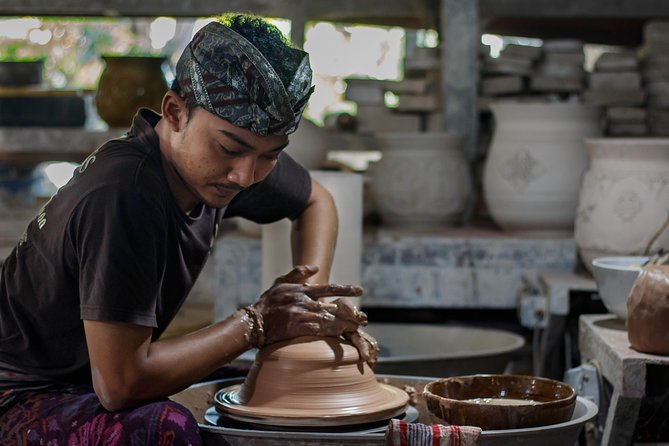
The best part of this Ubud class is that you work inside a real ceramics factory, not a polished studio built only for visitors. You begin with raw clay, learn how to balance it on the wheel, and try your hand at making bowls, cups, or other forms. I like the factory setting and the chance to work with a generous amount of clay. I also like that you can choose three finished pieces to take home instead of being limited to one shaky first attempt.
The main caution is that the teaching style may vary. One account describes staff as friendly and helpful, while another found that the instructors did too much of the work and that the session ended about two hours early. The arrangements for firing and glazing also need careful checking, since the listed details are not fully consistent.
In This Review
- Key points at a glance
- Starting with raw clay in Guwang
- Learning to center and knead the clay
- Making several shapes instead of chasing one perfect pot
- What the three-hour session is really worth
- Choosing the three pieces that go home
- Waiting one to four weeks for glazing and firing
- A private class with an important communication tip
- Who will enjoy this pottery class most
- Cancellation, weather, and simple planning
- Should you book the Guwang wheel-throwing class?
- FAQ
- How long does the ceramic class last?
- Where does the class meet?
- Is transportation included?
- How much clay is provided?
- How many pottery pieces can I take home?
- Are glazing and firing included in the price?
- How long do glazing and firing take?
- Can I cancel for a full refund?
Key points at a glance
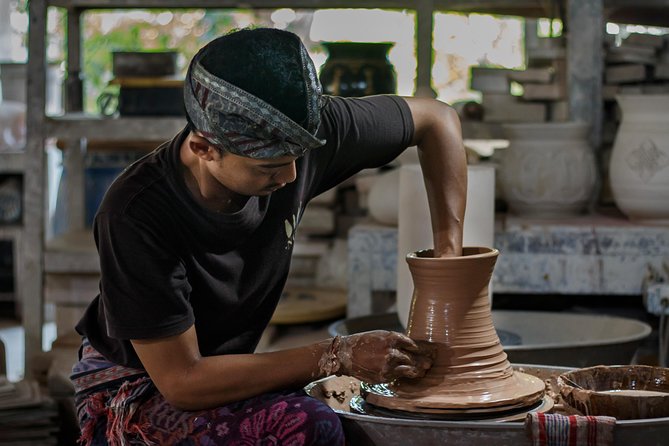
- Work with about 3 kilograms of clay: You can experiment with several shapes before choosing your best three.
- Learn on a real pottery wheel: The lesson covers scaling, kneading, centering, hand balance, and basic wheel throwing.
- See a working ceramics factory: Tools, materials, and machinery used in the daily pottery business are part of the setting.
- Choose up to three creations: Your selected pieces can be glazed and fired, but the process may take one to four weeks.
- Private activity for your group: You do not share the class with unrelated participants.
- Plan your own transport: Pickup, lunch, and snacks are not included.
Starting with raw clay in Guwang
The class meets at Jl. Nakula No. 511 in Guwang, in Sukawati, Gianyar Regency. This is outside central Ubud, so you need to arrange your own way there. The activity ends at the same place, and there is no private transportation included.
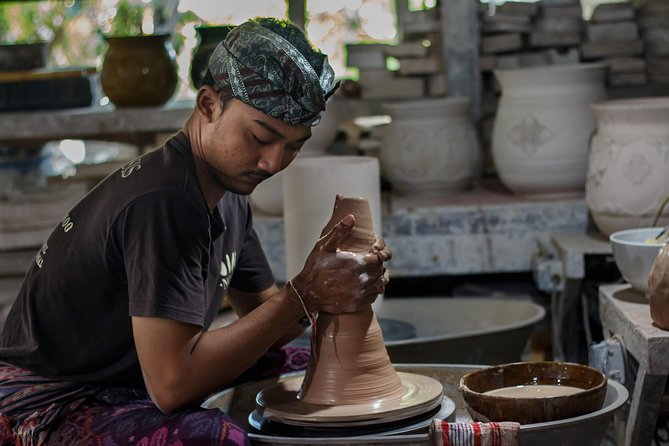
That meeting point matters. You are not simply sitting at a table painting a ready-made pot. The class takes place at the provider’s own factory, where you can see the tools, clay, wheels, and machinery used in regular ceramic production. For anyone curious about how pottery moves from a lump of earth to a finished household object, this setting adds useful context.
The session lasts about three hours, though you should not treat that as a guaranteed full three hours of hands-on wheel time. The class includes several stages before and after throwing, and one account describes finishing roughly two hours early. If you are booking around another activity, leave some space rather than planning a tight connection.
You receive an apron and bottled water. All materials used during the class are supplied, including the clay and coloring materials if you want to vary your work. Lunch and snacks are not part of the price, so eat beforehand or plan food separately.
A few more Ubud half-days to weigh up
- Hands-On Silver Jewelry Making Near Ubud’s Monkey Forest
★ 4.9 · 1,789 reviews - Ubud Cooking Class Bali with Balinese Chef
★ 5.0 · 1,609 reviews - Ubud Silver Class Jewelry making in bali
★ 5.0 · 978 reviews
Learning to center and knead the clay
The first practical step is scaling the clay. The description says the clay is weighed to 3 kilograms, although another section refers to 2,000 grams. That difference is worth confirming before you book, especially if the amount of clay is important to you.
You then knead the clay. This removes air pockets and gives the material an even texture before it goes onto the wheel. It is not glamorous work, but it is one of the basic skills that keeps a pot from wobbling or collapsing later.
Next comes the wheel. You learn the basic operation of the wheel-throwing machine, then use your hands to center and balance the clay while it spins. Centering is usually the point where beginners discover that pottery takes more pressure and patience than it appears to from a distance. Small changes in hand position can change the whole shape.
The class is designed for beginners. You do not need to arrive with a particular pottery style or technical background. The useful question is not whether you can make a perfect cup on your first try. It is whether you want time to learn how the clay responds, make mistakes, and try again.
Making several shapes instead of chasing one perfect pot
The stated amount of clay gives you room to experiment. You can make as many shapes as the material and your session time allow, then select your best three creations to bring home. This is a strong feature for a first class because your first attempt is rarely your best one.
You might aim for a simple bowl, a small cup, or another shape that suits your hand skills. The activity does not promise a fixed project, so you have creative freedom within the limits of the wheel and the teaching time. Coloring materials are also available if you want to add variation to your pieces.
That freedom has a practical side. Beginners often spend too much time trying to rescue a collapsing pot. With several kilograms of clay available, you can let one attempt go and begin again. The class is less about producing a flawless souvenir and more about learning enough control to make three pieces worth keeping.
Still, ask for hands-on guidance early. A concern raised about this class is that instructors may take over too much of the shaping. If you want to learn rather than watch, tell the instructor clearly that you would like to do the work yourself, even if the first few results are uneven. An instructor should demonstrate, steady your hands when needed, and explain the correction, not simply finish every pot for you.
What the three-hour session is really worth
At $50 per person, this class is priced as a hands-on creative activity rather than a quick craft demonstration. You are paying for instruction, wheel use, clay, an apron, water, and access to a working factory. The private format also means your group is not combined with unrelated participants.
The value depends on how much of the process you actually perform. If you spend most of the session kneading, centering, shaping, and trying again, the price is reasonable for a private lesson with materials included. If an instructor does most of the shaping or the class ends much earlier than expected, the value becomes less convincing.
I would book this for someone who wants a relaxed, practical activity in Ubud and is happy to judge success by the experience rather than by perfect pottery. It suits couples, families, and small groups who want a souvenir made with their own hands. It is less suitable if you expect a long professional workshop, a guaranteed three hours of wheel work, or a finished glazed object before you leave.
This class is booked, on average, 53 days in advance. That figure suggests you should reserve early if your Ubud dates are fixed, particularly if you want a private session. Confirmation is provided at booking.
A completely different day out, same corner of Ubud:
- All-Inclusive Ubud Private Tour
★ 5.0 · 14,344 reviews - Best of Ubud Full-Day Tour with Jungle Swing
★ 5.0 · 8,571 reviews - Ubud: Monkey Forest, Jungle Swing, Rice Terrace, and Water Temple
★ 5.0 · 7,160 reviews - Ubud: Waterfalls, Water Temple & Rice Terraces Private Tour
★ 5.0 · 5,484 reviews
Choosing the three pieces that go home
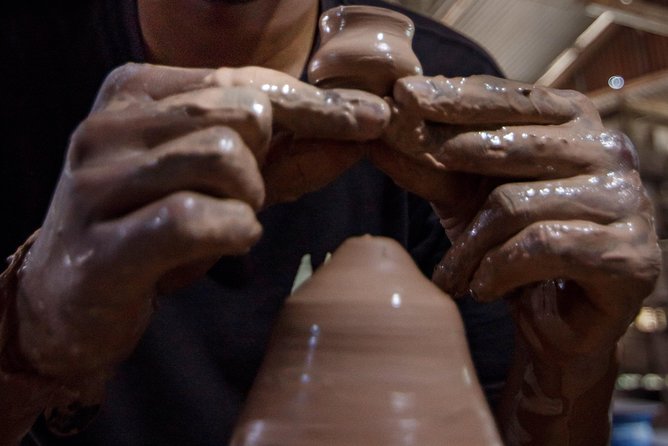
At the end of the making stage, you select up to three creations. The limit keeps the final firing manageable and gives you a clear choice: keep the pieces with the best shape, the most personal character, or the best chance of surviving the later process.
Do not feel pressured to choose only the most symmetrical pot. A slightly uneven bowl may be the one that reminds you of the class most clearly. On the other hand, inspect each piece before committing. Look for cracks, thin walls, or a base that does not sit properly.
The supplied details say the class includes coloring materials if you want to vary your work. They also say that glazing and the firing process can be arranged for up to three pieces. Another part of the information lists the combustion process as not included, so the final cost needs to be confirmed before you leave.
The provider has indicated that one piece would be given free of charge in response to a concern about firing fees. Since pricing can change, treat that as a point to clarify, not as a substitute for written confirmation. Ask three simple questions: How much is firing for the other pieces? Is glazing included? How and when will the finished pottery be collected or delivered?
Waiting one to four weeks for glazing and firing
Your pottery is not ready to use at the end of the class. Glazing and firing can take from one week to four weeks. That is a wide window, so this activity works best early in your Bali trip, not on the final morning before a flight.
The delay is part of the nature of ceramics. The pieces must dry, receive their glaze, and go through the firing process. A rushed pot can crack or fail, so the wait is not unusual. Still, the time frame matters if you want to take the finished work home during the same holiday.
The information does not spell out a single collection or shipping method. Ask the staff what happens after the class and whether you need to return to Guwang. If you are moving on to another island or leaving Indonesia soon, confirm whether an alternative arrangement is available before you pay for extra finishing.
There is also a cost question. The class price is $50, but the final firing or glazing fee may be separate. The listing includes some contradictory wording about the combustion process, and a provider response says baking fees were not included while offering one piece free. Get the current terms directly at booking or at the factory.
A private class with an important communication tip
This is a private activity, so only your own group participates. That is useful if you want to set your own pace, ask basic questions without feeling rushed, or work with children and less experienced members of your group. It also gives the instructor a better chance to watch your hand position.
The private format does not guarantee a particular teaching style. The information does not provide instructor names, and one account describes communication problems before arrival. Several attempts to contact the provider were reportedly needed, followed by help from a local person to find the property.
For that reason, save the exact address, Jl. Nakula No. 511, Guwang, and keep your booking confirmation available. Do not rely only on a last-minute phone call. If you have trouble finding the factory, ask a local driver or accommodation staff member to help with the address. The activity has a mobile ticket, which makes it easy to carry your confirmation on your phone.
Most people can participate, but the class naturally involves sitting or leaning at a wheel, handling wet clay, and using your hands for an extended period. The supplied information does not provide detailed accessibility guidance, so contact the provider if you have specific mobility or physical needs.
Who will enjoy this pottery class most
I would choose this class for:
- A first-time potter who wants to try a real wheel
- A couple looking for a shared creative activity
- A small private group that prefers flexible instruction
- Families who want a handmade Bali souvenir
- Anyone staying in Bali long enough to wait for firing and glazing
- Curious visitors who want to see a working ceramics business
I would think twice if you have only one day left in Bali, need a guaranteed finished souvenir that afternoon, or dislike activities with uncertain final costs. You should also be direct with the instructor if you want to control the clay yourself.
The activity is not a sightseeing tour through Ubud. There is no included transportation, meal, or broader cultural program. Its appeal is narrower and more hands-on: you go to one place, learn the basics, make several pieces, and leave the factory with the next steps arranged for your chosen pottery.
Cancellation, weather, and simple planning
You can cancel free of charge up to 24 hours before the local start time for a full refund. Changes made less than 24 hours before the start are not accepted, and cancellations inside that period are not refunded.
The activity requires good weather. If poor weather causes a cancellation, you are offered another date or a full refund. Since transport is not included, plan your route to Guwang in advance and allow extra time for finding the factory.
Bring clothing that can handle a little clay, though an apron is provided. Bottled water is included, but lunch and snacks are not. Most importantly, do not schedule your flight or intercity transfer around the end of the stated three-hour period. The session may finish early, but the timing is not exact enough to build a tight plan around it.
Should you book the Guwang wheel-throwing class?
Book it if you want a private, beginner-friendly pottery session in a real ceramics factory and like the idea of choosing three pieces from your own experiments. The 3-kilogram clay allowance, wheel practice, and freedom to make several forms give you more room to learn than a one-pot souvenir workshop.
Before confirming, ask about the clay amount, the instructor’s hands-on approach, and the exact charges for glazing and firing. Make the class an early or middle part of your Bali stay so the one-to-four-week finishing period does not catch you out. For creative visitors who value the making process, this is a worthwhile Ubud-area activity. For anyone seeking a polished finished product with no extra cost or waiting, it may disappoint.
FAQ
How long does the ceramic class last?
The class lasts approximately three hours, though the actual session may finish earlier. One account describes the class ending about two hours ahead of schedule.
Where does the class meet?
The meeting point is Jl. Nakula No. 511, Guwang, Kec. Sukawati, Kabupaten Gianyar, Bali 80582, Indonesia.
Is transportation included?
No. Private transportation is not included, and the activity both starts and ends at the meeting point.
How much clay is provided?
The main description says the clay is scaled to 3 kilograms. Another part refers to 2,000 grams, so confirm the current amount when booking.
How many pottery pieces can I take home?
You can choose up to three of your best creations to bring home.
Are glazing and firing included in the price?
The information is not fully consistent. It says glazing and the firing process can be arranged, but it also lists the combustion process as not included. Confirm the current fee and terms before finishing the class.
How long do glazing and firing take?
The process can take from one week to four weeks.
Can I cancel for a full refund?
Yes. You can cancel at least 24 hours before the local start time for a full refund. Cancellations made less than 24 hours before the start are not refunded.
Just added around Ubud
- Authentic hike in the forest with lunch at the inhabitant★ 5.0 · 3 reviews
- Heaven Gate, Tirtagangga and Tukad Cepung Waterfall – All Inclusive★ 5.0 · 3 reviews
- Half Day Uluwatu Temple Sunset, Kecak Dance and Seafood Dinner★ 3.5 · 3 reviews
- Ubud: White Water Rafting with visit Ubud Monkey Forest★ 5.0 · 3 reviews
- ️Bali All Inclusive Tour: Ubud – Tegalalang – Kintamani★ 5.0 · 3 reviews
- East Bali and Lempuyang Temple Tour★ 5.0 · 3 reviews
- Ubud: Temple, Swing, Waterfall, Rice Terrace & Monkey Forest★ 5.0 · 3 reviews
- Blue Lagoon Snorkeling and Lunch with Tukad Cepung Waterfall★ 5.0 · 3 reviews
Workshops, compared.
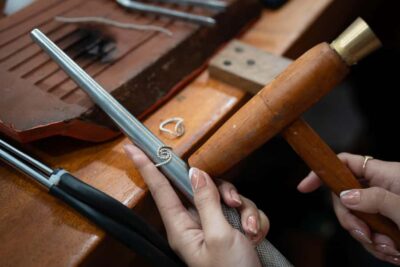
Hands-On Silver Jewelry Making Near Ubud’s Monkey Forest
Read our review →

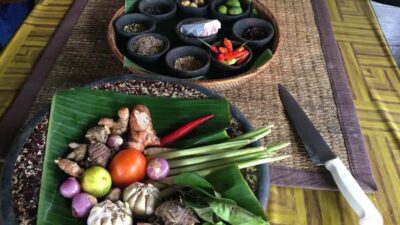
Cooking Class with Transfers and Optional Market Visit
Read our review →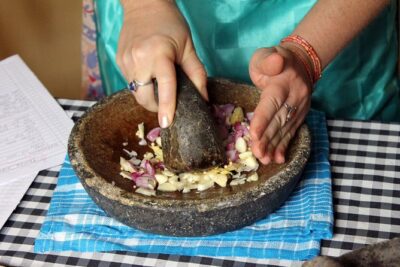
PRIVATE Authentic Balinese Cooking Class in Ubud at Putu’s Home
Read our review →

Browse the lists this tour appears in