
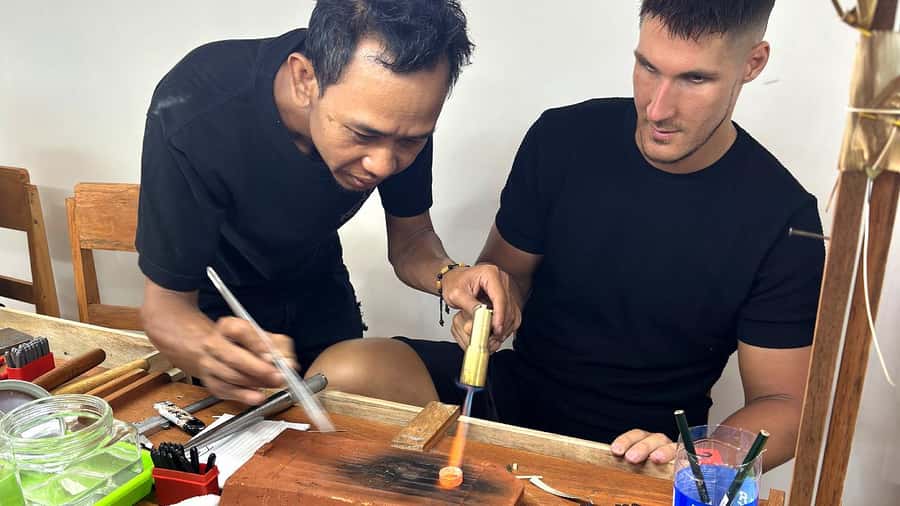
Reviewed · SILVER JEWELRY WORKSHOPS
Ubud Silver Experience: 2-Hour Hands-On Jewelry Making Class
Making a silver ring, pendant, or other small piece by hand is a fine way to experience Ubud beyond its temples and cafés. At this two-hour private workshop, you work with an English-speaking Balinese silversmith and leave with jewelry you designed and helped make yourself.
I like the personal design consultation, which gives you room to bring an idea or ask for help shaping one. I also like the clear silver allowance of up to 5 grams per person, since you know the basic cost before you arrive.
The main consideration is time. Two hours can pass quickly once you begin cutting, filing, soldering, and polishing, and a larger or more detailed design may use more silver or require extra time at an added charge.
In This Review
- Key points to know before you book
- What makes this Ubud workshop different
- Arriving at Wayan Silver Class Ubud
- Choosing a design that fits two hours
- Cutting, filing, and shaping the silver
- Soldering and the parts you should not rush
- Polishing your finished Balinese souvenir
- How much the $41 price is worth
- Who will enjoy this class most
- Practical planning for your two hours
- Should you book the Ubud Silver Experience?
- FAQ
- Where is the silver jewelry class held?
- How long does the workshop last?
- How much silver is included?
- What happens if I need more than 5 grams of silver?
- Is the class suitable for beginners?
- Is transportation included?
- What language is the class taught in?
Key points to know before you book
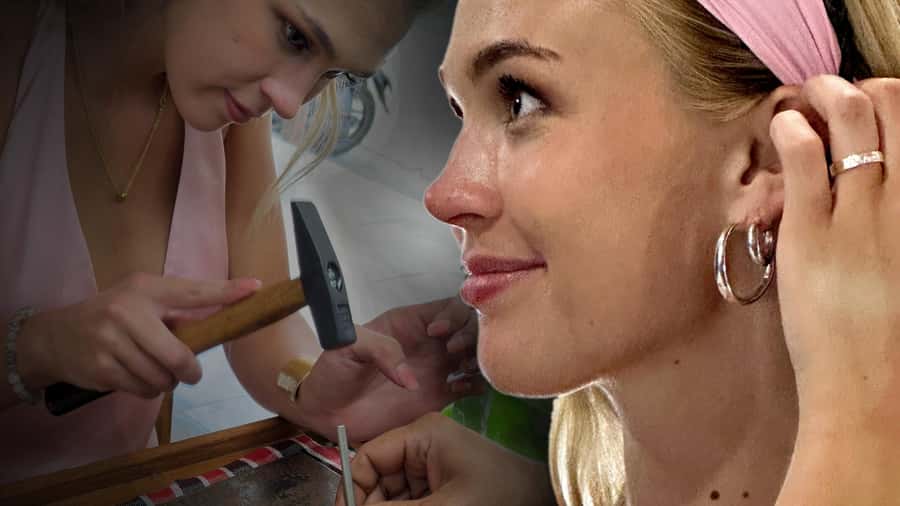
- Make one personal piece: Each participant creates one finished silver jewelry item to take home.
- Learn traditional techniques: Your artisan guides you through sawing, filing, hammering, soldering, polishing, and finishing.
- Up to 5 grams included: Extra silver costs IDR 75,000 per gram and cannot be shared between participants.
- Private English-language class: You receive individual guidance rather than joining a large public workshop.
- Near Ubud Palace: The studio, called Wayan Silver Class Ubud on Google Maps, has parking and is reached independently.
- Good for beginners: No previous jewelry-making skill is needed, and a welcome drink is provided.
What makes this Ubud workshop different
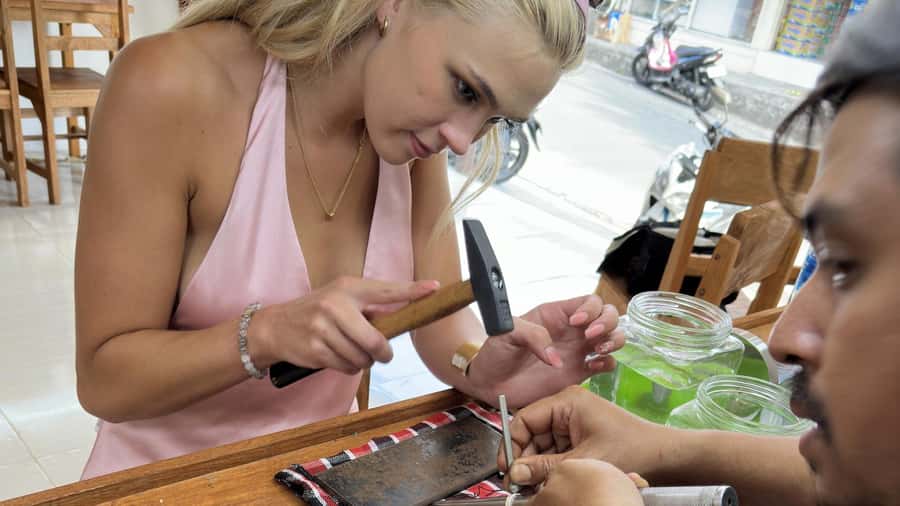
Ubud has plenty of ways to watch Balinese craft being made. This class asks you to pick up the tools and take part. That difference matters. You are not simply buying a polished souvenir from a shop shelf. You are shaping one, making decisions about its form, and learning how several basic metalworking steps fit together.
The class takes place at a studio near Ubud Palace, in a peaceful setting with rice paddies and traditional Balinese architecture. The location gives the workshop a calm feel without sending you far from central Ubud. You still need to arrange your own way there, but the nearby setting is useful if you are already sightseeing around the palace area.
The experience is offered by Bali Wonders Tour, with instruction in English. It is set up as a private group, so the pace can be more personal than a crowded class. That does not mean every design will be finished at the same speed. A simple piece should fit more comfortably into the stated time, while intricate work may use the full session or lead to extra charges.
More silver jewellery workshops:
- Hands-On Silver Jewelry Making Near Ubud’s Monkey Forest
★ 4.9 · 1,789 reviews - Ubud Silver Class Jewelry making in bali
★ 5.0 · 978 reviews - Canggu: Bali Turtle Silver & Gold Workshop
★ 4.9 · 643 reviews
Arriving at Wayan Silver Class Ubud
Use Google Maps and search for Wayan Silver Class Ubud to find the studio. The meeting point is not a hotel pickup location, so you must get there independently. The studio has ample parking, which helps if you are using a hired car or scooter, though you should still allow time for Ubud traffic and finding the entrance.
Arrive 15 minutes early. This small buffer gives you time to settle in, have the included welcome drink, and listen to the opening explanation without cutting into your work period.
Your welcome includes a short introduction to Balinese silversmithing and the methods you will use. The cultural part is brief and tied to the work in front of you. You are not sitting through a long lecture. You are getting enough context to understand that the tools and techniques are part of a local craft tradition before you begin using them.
For me, that balance is right for a two-hour activity. The class gives you a sense of place, but the focus stays on making something with your hands.
Choosing a design that fits two hours
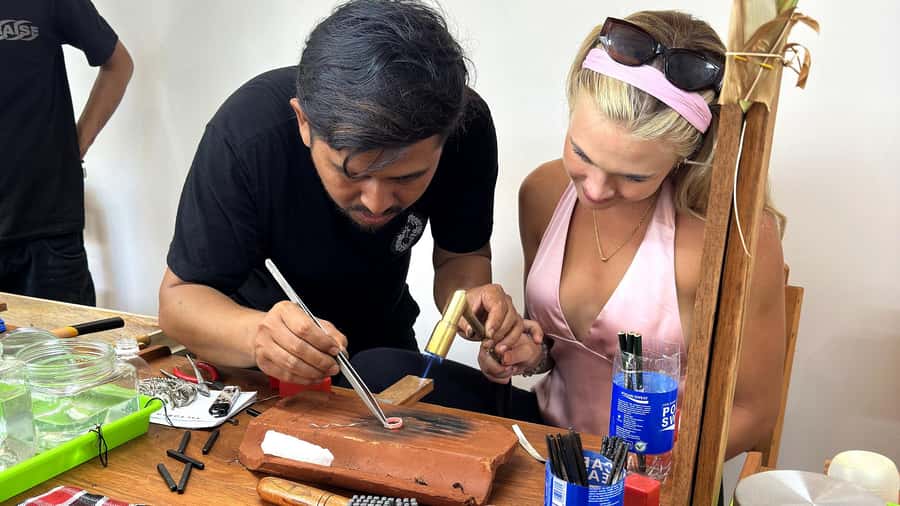
The design consultation is one of the most useful parts of the experience. You can arrive with a clear idea, or you can ask the artisan for suggestions. The aim is to create one piece that suits your style and fits the time and silver included.
Think about scale before you commit. A small, uncomplicated design is easier to complete, polish, and take home within two hours. A broad, thick, or highly detailed piece can use more than the included 5 grams. If you want extra silver, the charge is IDR 75,000 per gram, paid at the studio.
The 5-gram allowance applies to each participant and cannot be pooled. If you are attending with a friend or family member, each person has their own allowance. You also receive one design and one finished jewelry piece per person. A second design costs extra, as does extended time.
I suggest arriving with two or three rough ideas rather than one fixed plan. A ring, pendant, or small ornament may need changes once the artisan considers the metal, the tools, and the time available. Flexibility helps you make a piece that is both personal and realistic.
Cutting, filing, and shaping the silver
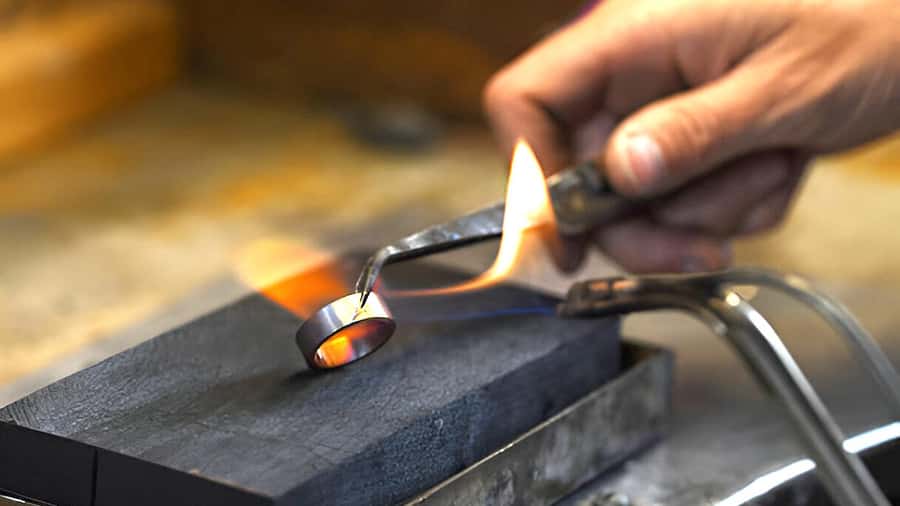
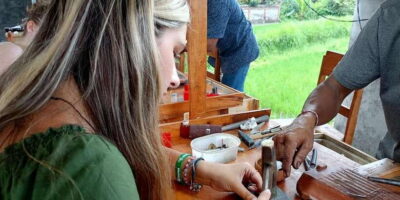
Once the design is agreed on, the hands-on work begins. The artisan guides you through the steps instead of expecting you to know what to do. You may saw the silver to shape, file its edges, and use a hammer to add form or texture.
These tasks are simple in concept but reward care. Filing too fast can leave an uneven edge. Hammering with too much force can change the shape more than you intended. The point is not to produce factory-perfect work without help. The point is to understand how the metal responds and to make choices under an artisan’s direction.
This is where the private format has real value. You can ask for help at each stage, and the instructor can adjust the guidance to your skill level. Beginners do not need to arrive with a steady hand or a background in crafts. The class is designed for all skill levels.
You should wear comfortable clothing. Jewelry making involves tools and repeated hand movements, so a relaxed outfit is more useful than something formal or restrictive. The session is practical from start to finish, not a demonstration where you remain seated and watch someone else work.
A few more Ubud half-days to weigh up
- Ubud Cooking Class Bali with Balinese Chef
★ 5.0 · 1,609 reviews - Ubud: Cooking Class with Transfers and Optional Market Visit
★ 4.9 · 824 reviews - PRIVATE Authentic Balinese Cooking Class in Ubud at Putu’s Home
★ 5.0 · 644 reviews - Ubud: Balinese Cooking Class and Market Tour
★ 4.8 · 531 reviews
Soldering and the parts you should not rush
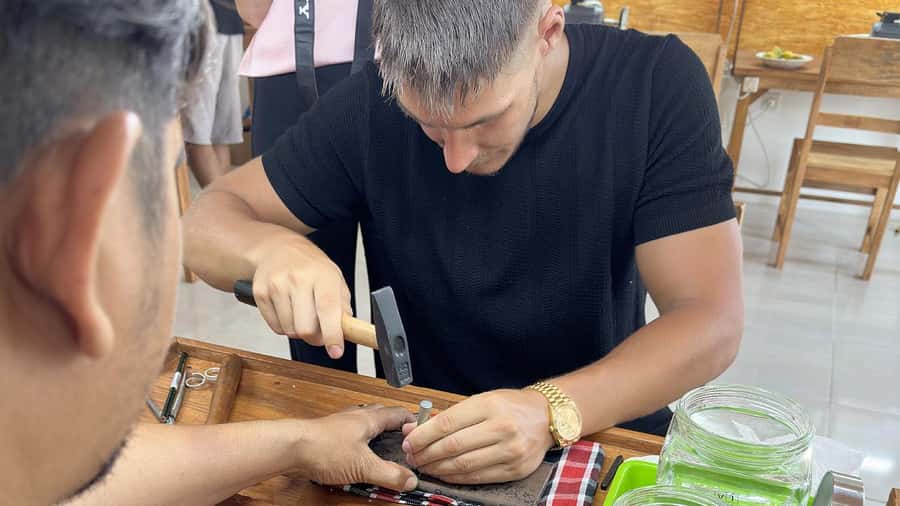
Soldering is included among the techniques taught in the workshop. This is a key step when separate sections of a design must be joined. The artisan provides instruction and support, which is important because heat and metalwork require attention.
You should not feel pressured to move quickly at this stage. Ask the instructor to repeat a step if you are unsure. The class is short, but rushing can make the later filing and polishing harder. A neat join usually gives you a better base for the final finish.
The exact sequence may vary with your chosen design. A simple piece may move through the process quickly. A more involved piece can take longer at the saw, file, or soldering stage. The stated duration is up to two hours, not a promise that every design will take exactly the same amount of time.
That distinction is worth keeping in mind when comparing this class with longer craft workshops. This is a compact introduction and a souvenir-making session. It is not meant to train you as a professional silversmith in one afternoon.
Polishing your finished Balinese souvenir
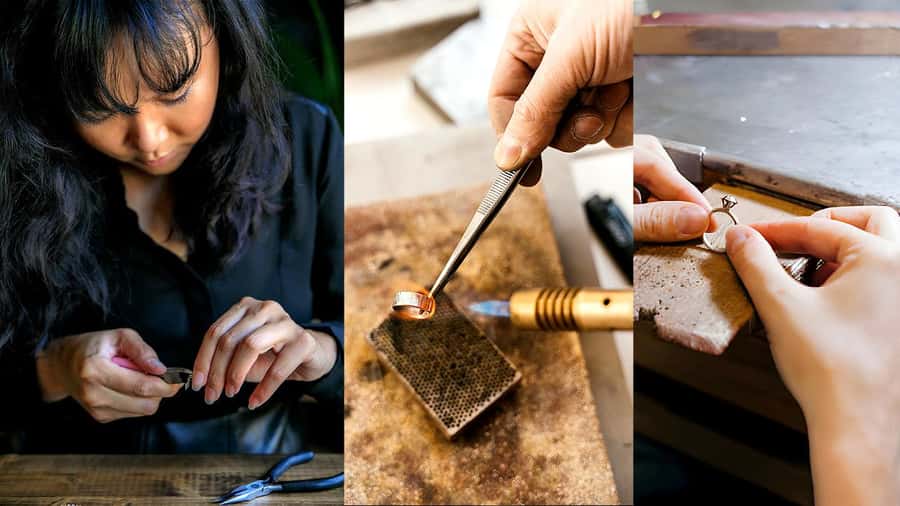
After the piece has been shaped and joined, you learn how to polish and finish it. This final stage gives the jewelry a more complete appearance and lets you correct rough edges or dull areas with the artisan’s help.
Polishing can feel especially satisfying because it reveals the change from a plain piece of silver into something you can wear. You have already made the design decisions and handled the metal. The finish ties those steps together.
The artisan checks the work and offers guidance toward a professional standard. Still, remember that your piece is handmade during a short class. Small signs of handwork are part of its character, not a flaw to be compared with mass-produced jewelry.
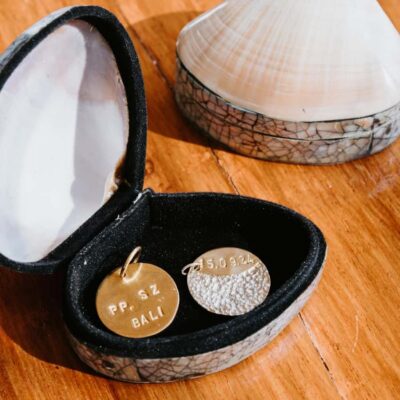
When the piece is done, you can wear it and take photos. The finished item becomes a useful souvenir because it carries a memory of a place and an activity, not only a Balinese label bought in a shop. You also get a simple story to tell when someone asks where it came from.
How much the $41 price is worth
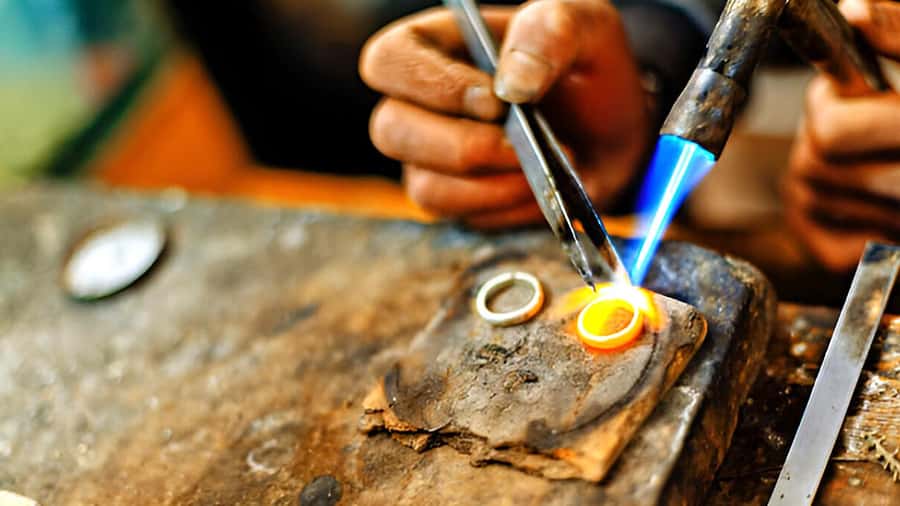
At $41 per person, the class includes up to two hours of instruction, up to 5 grams of silver, all required materials, use of professional tools, one finished jewelry piece, and a welcome drink. The main value comes from the combination of the lesson and the object you take home.
If you were only buying a small silver item, you might find cheaper options in Bali. That is not the right comparison, though. Here, part of the price pays for the artisan’s time, design help, tool use, instruction, and the chance to make the piece yourself.
The allowance also makes the starting price easier to understand. You are not entering with an entirely open-ended materials bill. Up to 5 grams are included, then additional silver is charged at IDR 75,000 per gram. Ask about the likely weight of your design during the consultation if you want to control the final cost.
The price works best for you if you value a hands-on activity and a personal keepsake. It is less compelling if you want a quick purchase, a large piece, or several finished designs. One person receives one design and one piece, and extra work brings extra charges.
The reserve-now, pay-later option can also help if your Ubud plans are still shifting. You can book without paying today, and free cancellation is available up to 24 hours in advance. Check the exact terms at booking, especially if your schedule is uncertain.
Who will enjoy this class most
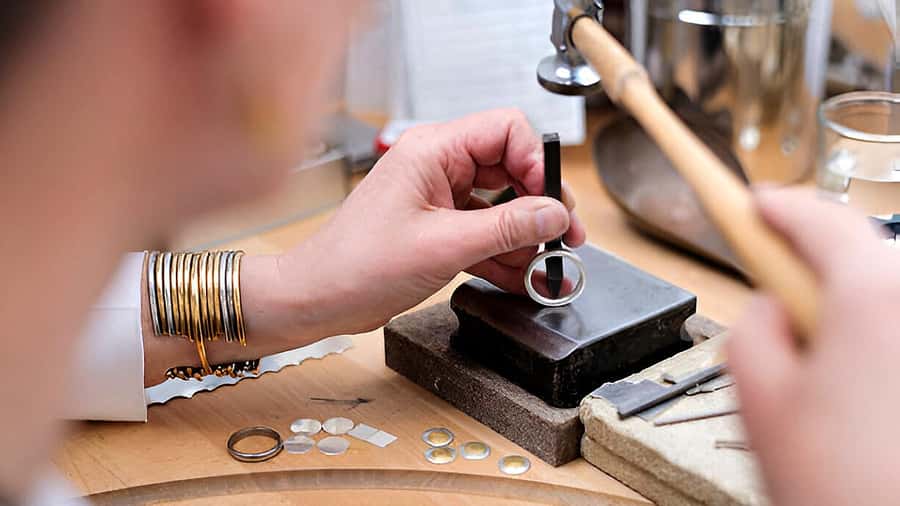
This is a strong choice for first-time jewelry makers. You do not need previous experience, and the artisan gives personalized guidance throughout the work. If you like learning by doing, the class offers enough variety to keep you busy without requiring a full day.
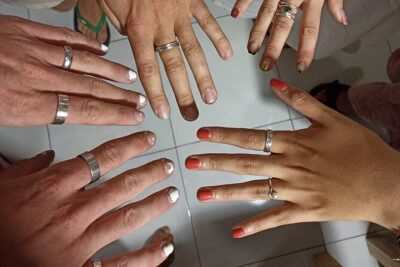
Couples and families may find the private format appealing. Each participant makes an individual piece, so everyone has a separate project rather than sharing one item. Friends can compare designs, but remember that silver allowances cannot be combined.
The workshop also suits anyone who wants a quieter Ubud activity. The rice paddies and traditional architecture provide a calmer setting than a busy shopping street, while the location near Ubud Palace keeps the class easy to pair with central sightseeing.
It may be less suitable if you dislike detailed handwork or want a polished result with no personal effort. You will saw, file, hammer, solder, and polish. The artisan helps, but you are expected to take part.
Non-English speakers can still attend, but English is the listed teaching language. Translation apps or audio assistance may be used. If clear step-by-step communication is essential for you, plan to use a translation app and tell the instructor when you need a slower explanation.
Practical planning for your two hours
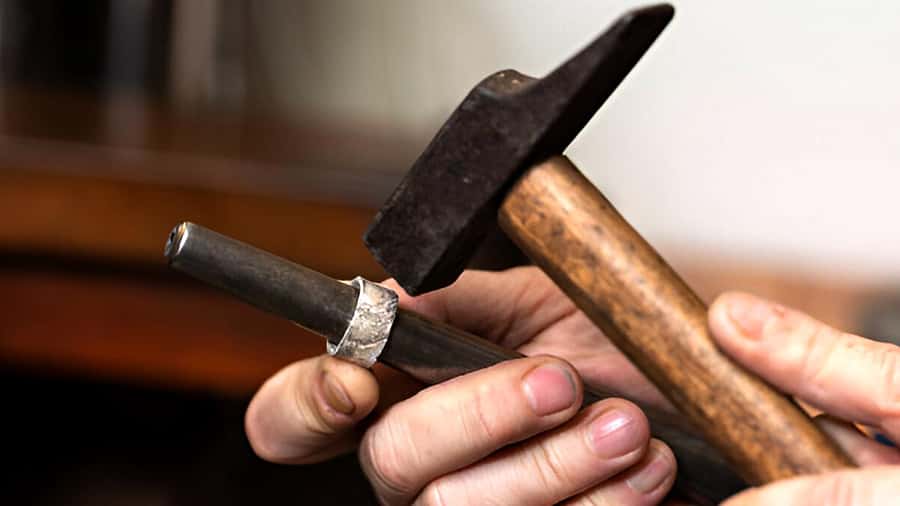
Wear comfortable clothing and arrive 15 minutes before your start time. Bring your design ideas, but do not make them too rigid. A flexible plan gives the artisan room to suggest a shape that fits the silver allowance and the session.
Allow extra time around the class for getting to and from the studio. Transportation is not included, even though parking is available. Since Ubud traffic can affect short journeys, avoid scheduling another fixed activity immediately after the workshop.
Keep the 5-gram limit in mind from the beginning. It is included per participant and cannot be shared. If you want something larger, ask about the additional IDR 75,000-per-gram fee before work begins rather than waiting until the piece is nearly finished.
Only one design is included. If you finish early and want another item, or if you need extended time for a complex design, expect an extra charge. The class works best when you choose one achievable project and give it your attention.
The instructor teaches in English, and the group is private. That should give you a more direct learning experience, but the exact starting time depends on availability. Confirm the time when you book.
Should you book the Ubud Silver Experience?
Book it if you want a personal Bali souvenir and enjoy the idea of doing the work yourself. The private setting, artisan guidance, clear 5-gram silver allowance, and central Ubud location make it a practical two-hour activity rather than a simple shopping stop.
I would choose a modest design, arrive early, and ask about its expected silver weight before cutting begins. That approach keeps the cost predictable and gives you a better chance of finishing comfortably within two hours.
Skip it if you want several pieces, a large design, or a completely passive experience. For everyone else, especially beginners, couples, and craft-minded families, this class offers a pleasant way to connect with Balinese silversmithing and take home something genuinely personal.
FAQ
Where is the silver jewelry class held?
The studio is near Ubud Palace. Use Google Maps and search for Wayan Silver Class Ubud to get directions to the meeting point.
How long does the workshop last?
The experience lasts up to two hours. The exact duration depends on the design you choose.
How much silver is included?
Up to 5 grams of silver per participant are included. The allowance cannot be shared between participants.
What happens if I need more than 5 grams of silver?
Additional silver costs IDR 75,000 per gram and is payable on-site. Ask about your design and likely silver use during the consultation.
Is the class suitable for beginners?
Yes. The workshop is suitable for all skill levels, and no previous jewelry-making experience is required.
Is transportation included?
No. You must arrange your own transportation to and from the meeting point. The studio has ample parking.
What language is the class taught in?
The instructor teaches in English. Translation apps or audio assistance may be used for non-English speakers.
More 2-Hour Experiences in Ubud
- Bali: Ubud Spa Balinese Massage Scrub Flowerbath 2 hour
★ 4.9 · 11 reviews - Ubud: 2-Hour Spa with Flower Bath & Rice Field View
★ 5.0 · 8 reviews - Bali: 2-Hour Family Photoshoot Ubud. Capture Bali Memories
★ 5.0 · 3 reviews
Just added around Ubud
- Authentic hike in the forest with lunch at the inhabitant★ 5.0 · 3 reviews
- Heaven Gate, Tirtagangga and Tukad Cepung Waterfall – All Inclusive★ 5.0 · 3 reviews
- Half Day Uluwatu Temple Sunset, Kecak Dance and Seafood Dinner★ 3.5 · 3 reviews
- Ubud: White Water Rafting with visit Ubud Monkey Forest★ 5.0 · 3 reviews
- East Bali and Lempuyang Temple Tour★ 5.0 · 3 reviews
- Ubud: Temple, Swing, Waterfall, Rice Terrace & Monkey Forest★ 5.0 · 3 reviews
- ️Bali All Inclusive Tour: Ubud – Tegalalang – Kintamani★ 5.0 · 3 reviews
- Blue Lagoon Snorkeling and Lunch with Tukad Cepung Waterfall★ 5.0 · 3 reviews
Silver Jewelry Workshops, compared.
Hands-On Silver Jewelry Making Near Ubud’s Monkey Forest
Read our review →

Ubud Silver Artistry Class: Create Unique Jewelry in Bali
Read our review →Ubud Monkey Forest Silver Class – Craft Your Own Silver Jewelry
Read our review →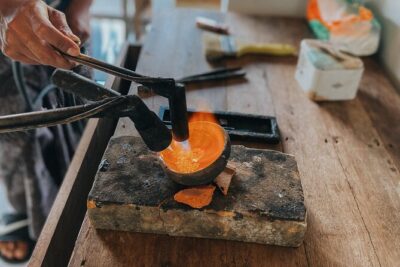
Browse the lists this tour appears in