
Reviewed · SILVER JEWELRY WORKSHOPS
Ubud: Silver Class Making Workshop with 5g of Silver
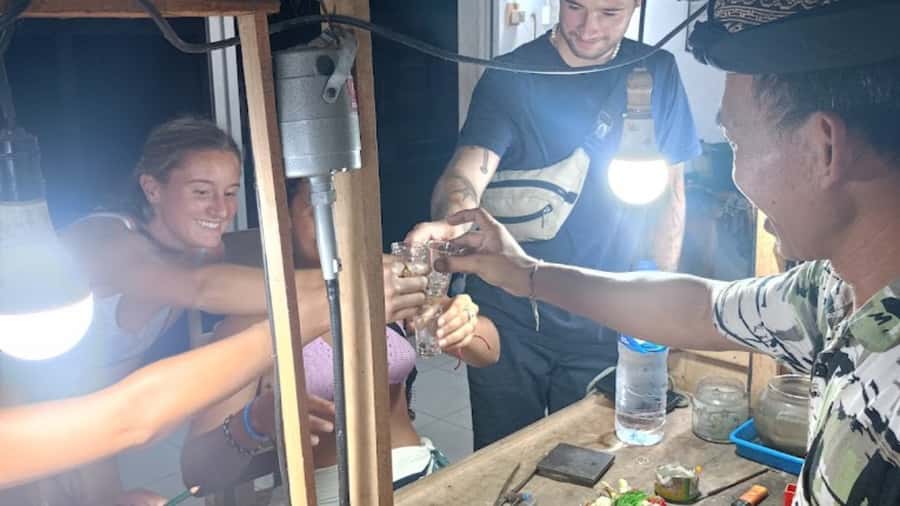
The most rewarding part of this Ubud workshop is that you do not simply buy a silver souvenir. You help make one. Under the watch of artisans such as Wayan and Yaman, you can turn raw silver into a ring or pendant, learning the basic steps from melting and shaping to polishing.
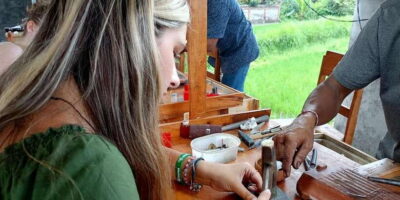
I like two things here: you do most of the hands-on work, and you can choose from many ring styles before adding your own details. I also like the friendly pace. The instructors guide you closely but leave room for you to try each tool yourself, which makes the finished piece feel personal rather than factory-made.
The main consideration is the heat and physical effort. Melting the silver can be warm work, and one visitor noted that it takes some leg power. The class is also not suitable for children under eight, pregnant women, or people with mobility impairments.
In This Review
- Key points before you book
- Turning five grams of silver into a personal souvenir
- Meeting the artisans and choosing your design
- Melting and preparing the silver
- Shaping, adding detail, and making the piece yours
- Filing, polishing, and the final reveal
- Why the cultural side matters
- Is the $37 price good value?
- Timing, comfort, and who should book
- Cancellation and booking flexibility
- My verdict: book it if you want to make, not just buy
- FAQ
- How much silver is included?
- How long does the workshop last?
- What can I make?
- Is the class taught in English?
- What should I wear and bring?
- Is hotel transportation included?
Key points before you book
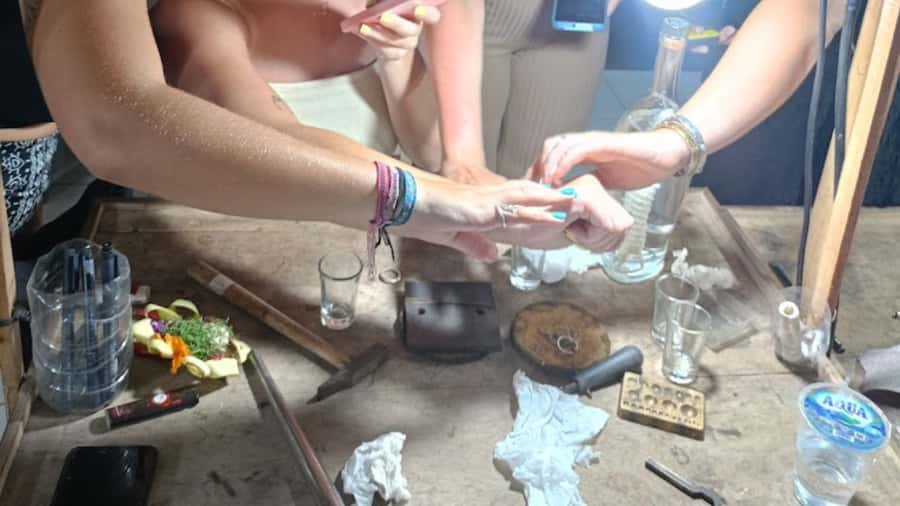
- Make your own keepsake: Shape 5 grams of silver into a ring, pendant, or another small piece.
- Work beside Balinese artisans: English-speaking instructors guide you through each stage without taking over.
- Choose your design: Pick from many sample styles, then add personal details such as initials or custom patterns.
- Learn traditional methods: The class introduces filigree, granulation, wire weaving, shaping, and polishing.
- A handy Ubud break: The workshop takes about two hours and is reported to be a little over 10 minutes on foot from central Ubud.
- Bring practical clothing: Wear comfortable clothes and closed-toe shoes, and arrive 15 minutes early.
Turning five grams of silver into a personal souvenir
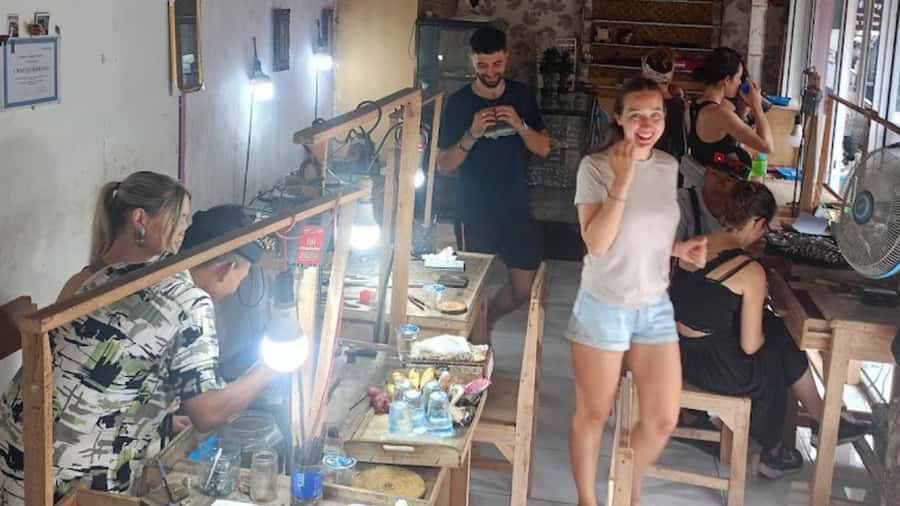
This workshop works because the souvenir has a story attached to it. You are not just selecting a finished ring from a glass case. You are choosing a form, handling the tools, and watching a small piece of silver change shape under your hands.
The activity lasts two hours, which is long enough to cover the main process without taking up an entire day. I see it as a good choice after a morning of temples, markets, or rice-field walks, especially when you want a quieter activity that still connects you with local craft.
The practical details need a little attention before booking. The activity title and inclusion list specify 5 grams of silver, while one description refers to 7 grams. Treat 5 grams as the included amount, and confirm the exact allowance if the weight matters to your design. Extra silver is listed at 60,000 Indonesian rupiah per gram.
That amount may be enough for a simple ring or small pendant, but larger or heavier designs could cost more. Ask the artisan early if your idea needs additional silver. It is better to settle that before the metal is heated and shaped.
More silver jewellery workshops:
- Hands-On Silver Jewelry Making Near Ubud’s Monkey Forest
★ 4.9 · 1,789 reviews - Ubud Silver Class Jewelry making in bali
★ 5.0 · 978 reviews - Canggu: Bali Turtle Silver & Gold Workshop
★ 4.9 · 643 reviews
Meeting the artisans and choosing your design
After arriving, go inside and give your booking name. A welcome drink helps you settle in while you meet the instructor and look over possible designs.
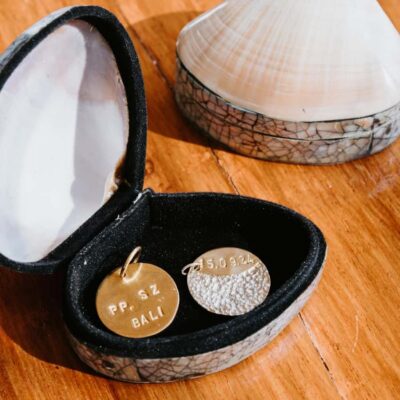
The design choice is one of the strongest parts of the class. You will find plenty of ring styles to use as a starting point, then decide how much you want to alter them. The available techniques include filigree, granulation, and wire weaving, so your piece can have texture and detail rather than being a plain band.
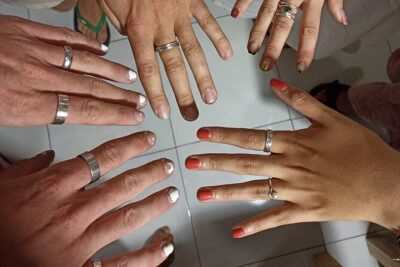
You do not need to arrive with a finished design in mind. The artisans can help you make sensible choices based on the amount of silver and the time available. If you are making a ring with a partner, you can create matching bands or choose different styles for each person.
That flexibility matters. A beginner can follow a sample, while someone who already enjoys jewelry making can add more personal touches. You might choose an initial, a simple pattern, or a shape linked to your trip. The instructors are there to help you keep the design practical.
The class also gives you a short introduction to Balinese silverwork and the meaning behind some local motifs. That cultural context adds value to the finished piece. You leave with more than a polished object, you understand something about the care and symbolism behind handmade Balinese jewelry.
Melting and preparing the silver
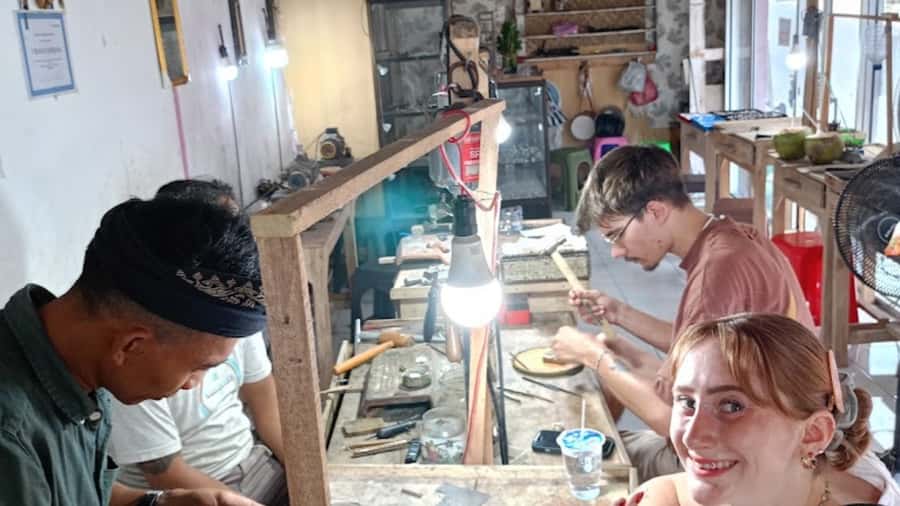
The hands-on work starts with the silver itself. The artisan guides you through melting and preparing the metal, using the equipment supplied at the workshop.
This is the part where you need to pay attention to instructions. It is real craft work, not a quick demonstration performed while you watch. The process can be warm and physically tiring, especially when the work calls for repeated leg effort. Wear clothes that are comfortable for movement, and closed-toe shoes are required as part of the recommended clothing.
The instructors keep control of the technical and heated parts while allowing you to take part. That balance is important. You get the satisfaction of doing the work, but you are not left to guess what happens next.
A refreshing drink is provided, and extra snacks or drinks may be offered by the team. Since the class can involve heat and effort, water is useful. The activity is not described as a formal meal, so do not book it as a food experience.
Shaping, adding detail, and making the piece yours
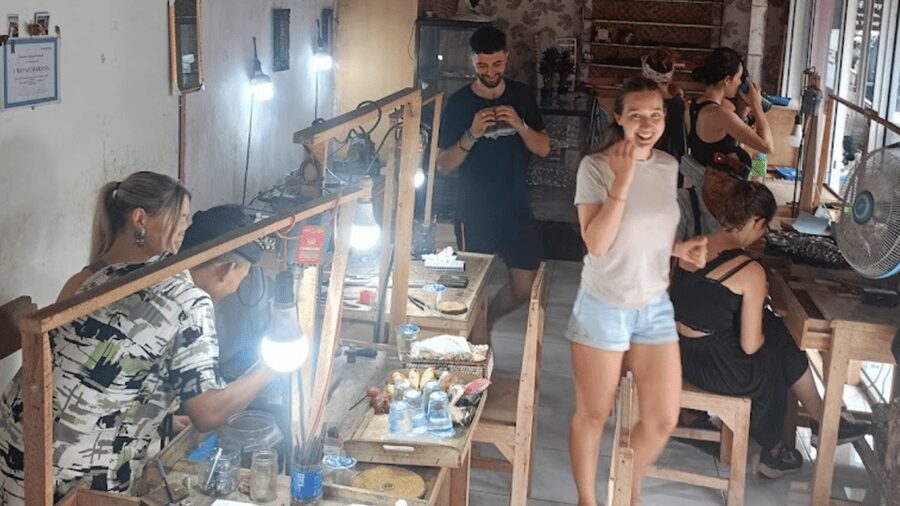
Once the silver is prepared, you begin shaping it into your selected form. For a ring, this may mean forming the band and adjusting it to size. For a pendant or another item, the steps will depend on the design you choose.
The best approach is to work slowly. Silverwork rewards careful pressure, and an uneven bend or rushed cut can affect the final shape. Your artisan guide can correct small problems and show you how to use the tools, but the aim is for you to remain involved.
This is also where the class feels most personal. You can decide how smooth, textured, simple, or decorated your piece should be. Filigree uses fine silver wire for delicate detail. Granulation adds small beads or textured points. Wire weaving creates a more patterned look. The exact result depends on your choice and how much detail you attempt within the two-hour session.
The staff have been described as patient, funny, warm, and encouraging. That matters for beginners, since many people arrive with no experience using jewelry tools. You are supported, but the instructors do not appear to insist on doing every difficult step for you.
If you are making a ring for someone else, this stage can be especially meaningful. Couples have used the workshop to make rings for each other, and one class team even created a surprise ring with a husband’s initial for a honeymooning participant. That kind of personal touch cannot be guaranteed, but it shows the friendly spirit of the teaching team.
A few more Ubud half-days to weigh up
- Ubud Cooking Class Bali with Balinese Chef
★ 5.0 · 1,609 reviews - Ubud: Cooking Class with Transfers and Optional Market Visit
★ 4.9 · 824 reviews - PRIVATE Authentic Balinese Cooking Class in Ubud at Putu’s Home
★ 5.0 · 644 reviews - Ubud: Balinese Cooking Class and Market Tour
★ 4.8 · 531 reviews
Filing, polishing, and the final reveal
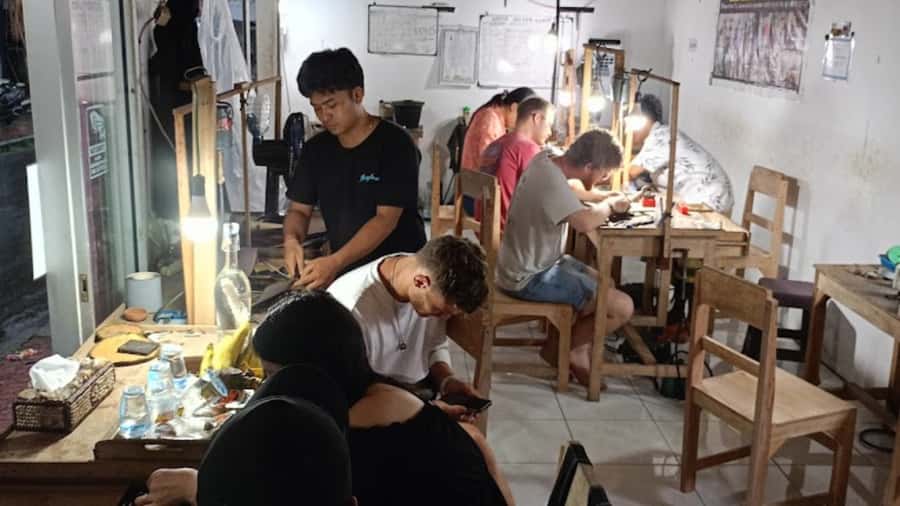
The final stages involve refining the shape, smoothing rough areas, and polishing the silver. This is where a handmade piece begins to look finished.
Polishing also teaches you why handmade jewelry takes time. A simple-looking ring may have passed through several careful stages before it is ready to wear. You will see how the surface changes as it is cleaned and finished, and you can appreciate the small marks of handwork that remain.
Do not expect the result to look exactly like a professionally manufactured piece. That is part of its appeal, but it is also worth keeping expectations realistic. A beginner-made ring may have slight variations in shape or texture. The artisans help you produce a good final item, yet you are still the person making it.
The available feedback points to a strong focus on the finished quality. Participants have left with rings they were happy to keep as holiday souvenirs, and some created both a ring and a pendant. Still, the final result depends on your design, the amount of silver, and how much work you take on yourself.
Why the cultural side matters
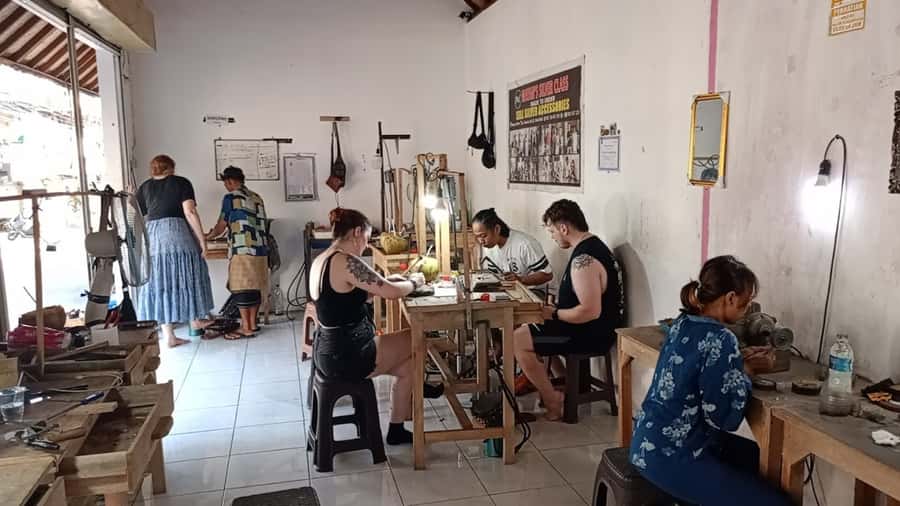
Ubud offers plenty of craft shopping, but this class gives you a closer look at how an object is made. You learn about traditional Balinese silver methods and the symbolic ideas behind jewelry motifs while working with the metal yourself.
That connection changes the way you see finished silverwork elsewhere in Bali. After two hours of shaping and polishing one small item, you have a better sense of the patience involved in handmade jewelry. You may also become more selective when comparing shop-bought pieces, asking about the design, materials, and method rather than looking only at price.
The activity is not presented as a full course in Balinese jewelry history. It is a practical introduction, with cultural background woven into the making process. If you want a long lecture or an advanced silversmithing qualification, this is not the right format. If you want a useful glimpse into a local craft while making a keepsake, it fits well.
Is the $37 price good value?
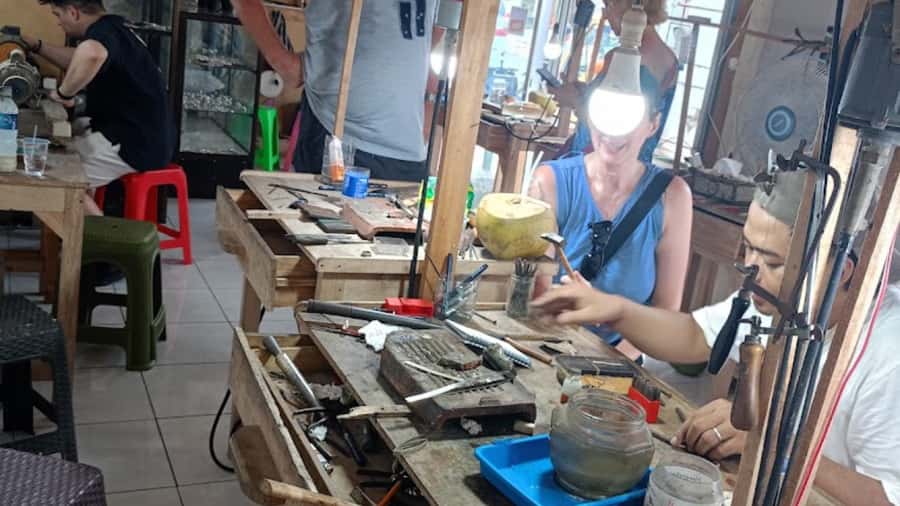
At $37 per person, the workshop is reasonably priced for a two-hour guided craft session that includes equipment, instruction, a welcome drink, and 5 grams of silver. The main value comes from the combination of an activity and a finished object.
A shop-bought ring might be easier, but it would not give you the same connection to the process. Here, your fee covers the artisan’s time, the use of tools, instruction in several techniques, and the raw silver. The finished piece is a physical reminder of your time in Ubud.
The price is less attractive if your design needs a lot of extra metal. Additional silver costs 60,000 rupiah per gram, so ask about the likely weight before committing to a large or elaborate design. You should also confirm the 5 gram allowance because the supplied activity details contain a conflicting reference to 7 grams.
There is no hotel pickup or drop-off. That keeps the price lower, but you need to arrange your own way to the meeting point. The workshop is described as roughly a 10-minute walk or a little more from central Ubud, making it practical if you are staying near town. Exact walking time will depend on your starting point.
Timing, comfort, and who should book
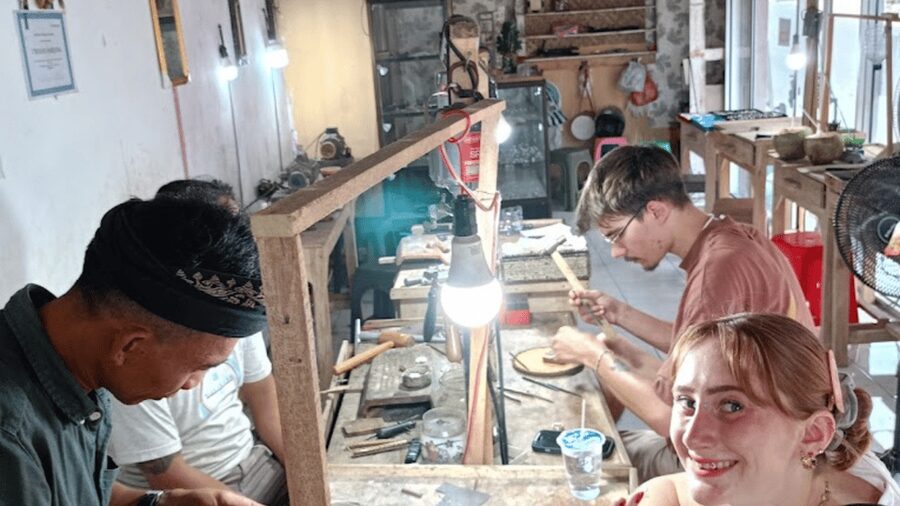
Arrive 15 minutes before the start time. You will need a moment to find the entrance, go inside, and give your booking name. Arriving late could cut into the design and polishing stages, which are the parts you will most want to enjoy.
Wear comfortable clothes suitable for craft work. Closed-toe shoes are specifically recommended, and smoking is not allowed. The supplied information does not give a group size, so you should not assume a private class unless your booking clearly says so.
I would recommend this for couples, friends, solo visitors, and anyone who likes making things with their hands. It is particularly good for a honeymoon or anniversary because you can make rings for each other. It also suits people who want a break from sightseeing without giving up a sense of place.
I would not choose it for a very young child, someone who needs step-free access, or anyone who must avoid heat and physical exertion. Children under eight are not accepted, and the experience is not suitable for pregnant women or people with mobility impairments.
English is the listed teaching language. The instructors are described as friendly and able to support the process in English, though the activity is still practical and tool-based rather than language-heavy.
Cancellation and booking flexibility
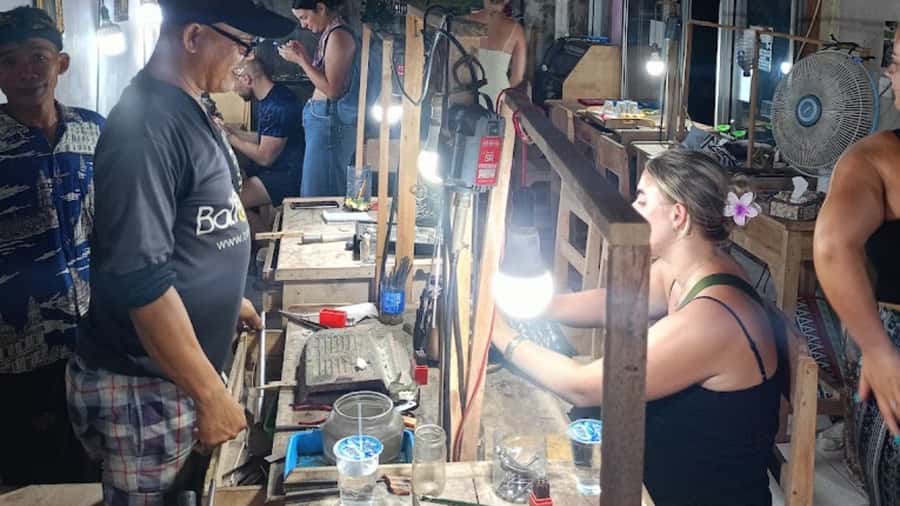
You can cancel up to 24 hours before the start time for a full refund. The reserve-now-and-pay-later option can help if your Ubud schedule is still changing.
Starting times vary, so check availability for the day you want. The activity also offers skip-the-ticket-line access, though there is still a good reason to arrive early and get settled before the class begins.
My verdict: book it if you want to make, not just buy
I would book this workshop if you want a small, personal souvenir and enjoy learning by doing. The strongest features are the patient artisan guidance, the large choice of designs, and the chance to handle the silver through nearly every stage.
The $37 price makes sense for a two-hour activity with materials included, but keep the 5 gram limit and possible extra-metal fee in mind. Confirm the silver allowance before booking if you want a heavier piece.
This is not a polished showroom demonstration. It is warmer and more hands-on than that, with some heat, effort, and room for beginner mistakes. For a memorable Ubud activity that links local craft with something you can take home, it is a strong choice.
FAQ
How much silver is included?
The inclusion details specify 5 grams of silver. Another part of the activity information refers to 7 grams, so confirm the exact allowance when booking. Additional silver is listed at 60,000 Indonesian rupiah per gram.
How long does the workshop last?
The workshop lasts two hours. Check the available starting times for your chosen date.
What can I make?
You can make a personal piece of silver jewelry, with rings and pendants among the designs created during the class. You can choose from sample styles and add your own details.
Is the class taught in English?
Yes. English is the listed teaching language, and guidance is provided by an English-speaking artisan.
What should I wear and bring?
Wear comfortable clothes suitable for crafting and closed-toe shoes. Bring a camera if you want photos of the process. Arrive 15 minutes before the scheduled start.
Is hotel transportation included?
No. Hotel pickup and drop-off are not included. You need to make your own way to the meeting point, then go inside and give your booking name.
Just added around Ubud
- Authentic hike in the forest with lunch at the inhabitant★ 5.0 · 3 reviews
- Heaven Gate, Tirtagangga and Tukad Cepung Waterfall – All Inclusive★ 5.0 · 3 reviews
- Half Day Uluwatu Temple Sunset, Kecak Dance and Seafood Dinner★ 3.5 · 3 reviews
- Ubud: White Water Rafting with visit Ubud Monkey Forest★ 5.0 · 3 reviews
- ️Bali All Inclusive Tour: Ubud – Tegalalang – Kintamani★ 5.0 · 3 reviews
- East Bali and Lempuyang Temple Tour★ 5.0 · 3 reviews
- Ubud: Temple, Swing, Waterfall, Rice Terrace & Monkey Forest★ 5.0 · 3 reviews
- Blue Lagoon Snorkeling and Lunch with Tukad Cepung Waterfall★ 5.0 · 3 reviews
Silver Jewelry Workshops, compared.
Hands-On Silver Jewelry Making Near Ubud’s Monkey Forest
Read our review →

Ubud Silver Artistry Class: Create Unique Jewelry in Bali
Read our review →Ubud Monkey Forest Silver Class – Craft Your Own Silver Jewelry
Read our review →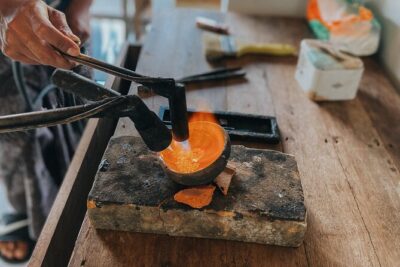
Browse the lists this tour appears in