
Reviewed · TIRTA EMPUL PURIFICATION
Bali Purification Ritual
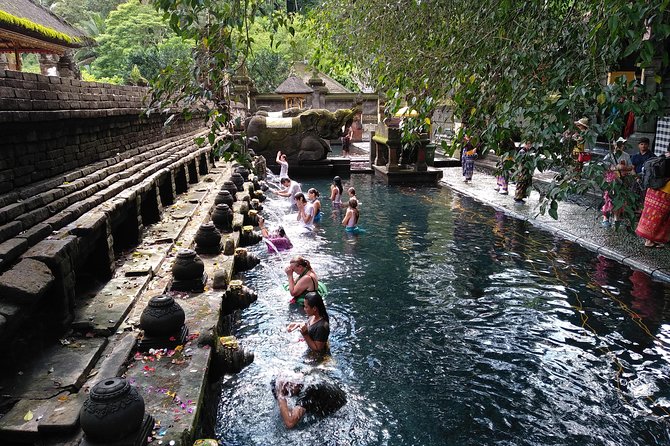
Tirta Empul is not a sightseeing stop where you simply take a few photos and leave. This five-hour experience lets you take part in a Balinese Hindu purification ritual, with a guide explaining each prayer, offering, and movement as you go. You dress in temple clothing, ask the gods for permission, and enter the sacred spring water one step at a time.
I like two things right away. First, the ceremony is structured, so you are not left guessing what to do. Second, the package includes round-trip hotel transport and lunch, which makes a meaningful half-day outing easy to manage. The main consideration is that this is a religious ceremony, not a theatrical performance. You need to follow temple rules, bring dry clothes and a towel, and women cannot take part during menstruation.
In This Review
- Key points to know before booking
- Why Tirta Empul feels different from a normal temple visit
- The 8:00 a.m. pickup and ride to the temple
- Changing into temple dress at Tirta Empul
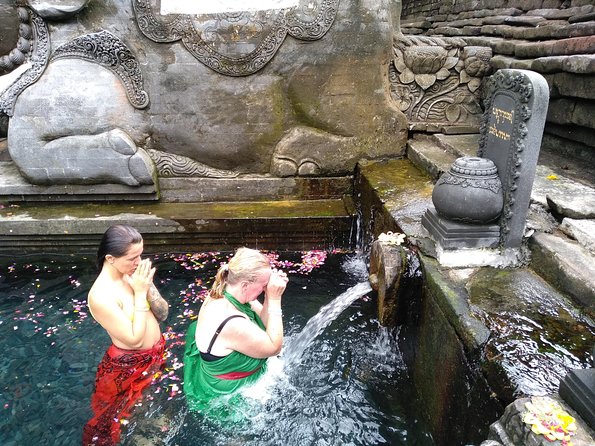
- Prayers, offerings, and asking permission
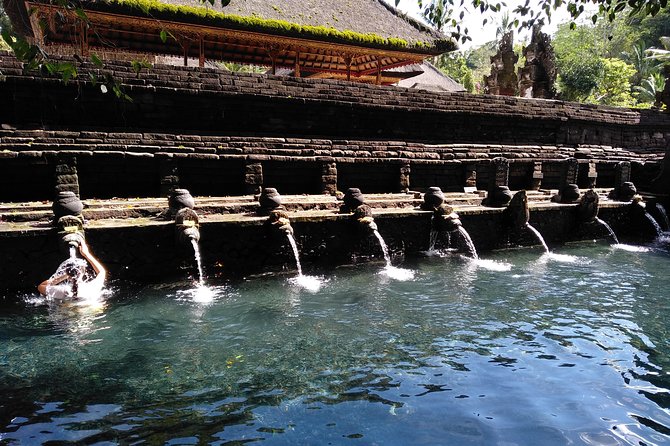
- The 1 to 1.5-hour purification in the holy springs
- The closing prayer and taking holy water home
- Indonesian lunch after the ceremony
- What the $65 price really covers
- Important rules and limits to understand
- Who will appreciate this ritual most
- Should you book the Bali Purification Ritual?
- FAQ
- How long does the Bali Purification Ritual last?
- What does the purification ceremony include?
- Is hotel pickup and drop-off included?
- What should I bring?
- Can women take part during menstruation?
- Can I cancel for a full refund?
Key points to know before booking
- The ceremony lasts about 1 to 1.5 hours: Expect prayers, offerings, repeated steps in the spring, and a closing prayer rather than a quick dip.
- You wear traditional temple clothing: A sarong is supplied for the temple and purification, but bring a change of clothes and a towel.
- Guide support matters: Wayan is specifically praised for guiding guests through the ritual and explaining its meaning.
- Transfers keep the day simple: Pickup and drop-off are included, with an advertised start at 8:00 a.m. and return around 1:00 p.m.
- Lunch is part of the price: The meal is Indonesian food, giving the outing a practical break after the ceremony.
- Temple rules are strict: Women cannot enter the temple during menstruation, and the activity may be changed or canceled for poor weather or too few bookings.
Why Tirta Empul feels different from a normal temple visit
Tirta Empul is known for its holy spring water and purification pools. Here, you do more than walk through the grounds. You take part in a ceremony that Balinese Hindus use to seek spiritual cleansing and give thanks to the gods.
The experience begins with clothing and preparation. You change into a supplied Hindu-style outfit, including a sarong suitable for the temple and the water ritual. The clothing is not just for appearance. It signals respect for the place and helps you follow local custom.
Before entering the springs, you receive ritual offerings and pray for permission. This opening matters. The ceremony is presented as an act of prayer, not a wellness treatment or a casual swim. Your guide explains the steps and leads you through them, which is especially helpful if you have never taken part in a Balinese Hindu ceremony.
The language used to describe the ritual is spiritual: the water is meant to wash away negativity and restore balance. You do not need to share the same beliefs to approach the ceremony respectfully. You do need to understand that the meaning comes from Balinese Hindu practice, not from a staged attraction created for tourists.
More Tirta Empul purification ceremonies:
- Tirta Empul: Temple Tour with Optional Spiritual Cleansing
★ 4.9 · 1,257 reviews - Half-Day Ubud Electric Cycling Tour to Tirta Empul Water Temple
★ 5.0 · 315 reviews - Ubud Tour – Balinese Healing By Shaman And Self Purification
★ 5.0 · 236 reviews
The 8:00 a.m. pickup and ride to the temple
The advertised start time is 8:00 a.m., with pickup from your hotel. You need to provide the hotel name, address, and contact details when booking. Air-conditioned transport, bottled water, and return service are included.
Door-to-door transport is one of the strongest practical features here. Ubud and the surrounding area can make independent planning awkward, especially when you need to arrive at a specific temple, change clothing, carry wet clothes afterward, and still arrange lunch. Having the same service take you back removes much of that fuss.
The standard schedule has you back at your hotel around 1:00 p.m. The provider also says other pickup times may be possible, including 9:00 a.m., 11:00 a.m., 1:00 p.m., and 5:00 p.m. Confirm your preferred time directly rather than assuming every option follows the same five-hour schedule.
One detail needs checking before you reserve. The supplied route information lists Kuta Beach as a stop, but the detailed schedule describes a direct journey to Tirta Empul, followed by lunch and a return to the hotel. Kuta Beach is not explained as part of the ceremony schedule, so ask the operator if that stop matters to you.
Changing into temple dress at Tirta Empul
At the temple, you change into the supplied sarong and ritual clothing. You should bring loose, dry clothing for afterward, plus a towel. This is not optional packing advice. You will enter the springs, so your clothes will get wet.
The clothing process is also your first clear lesson in temple etiquette. Your guide can help make sure you are dressed appropriately before you enter the sacred area. The experience is easier when you treat this as part of the ceremony rather than a costume change for photographs.
You should keep your approach simple and respectful. Follow the instructions about where to change, where to place your belongings, and how to move through the temple. The activity is open to most people, but participation still depends on observing local rules.
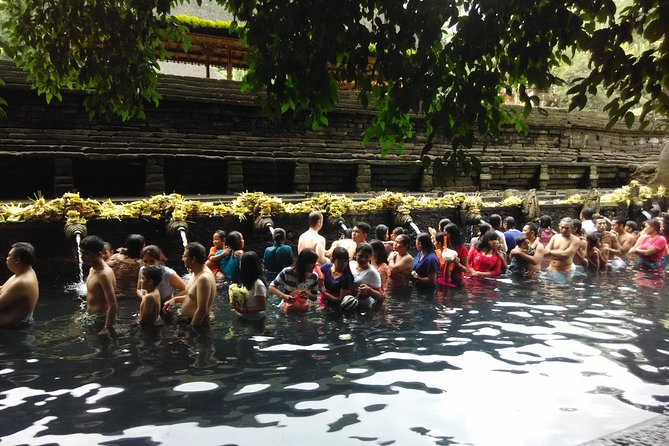
The maximum group size is 25 people. That is not an intimate private ritual, but it is small enough for a guide to lead a shared ceremony. If the group reaches its limit, the experience may feel less personal around the edges. The guide’s role becomes important because you need clear directions once the group reaches the pools.
Prayers, offerings, and asking permission
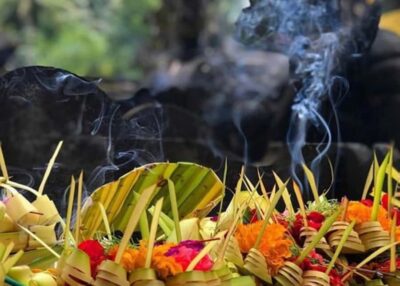
Before the water, you prepare offerings and pray to the gods. The prayer asks for permission to take part and for a blessing. This first stage gives the ritual a clear order: prepare, pray, enter the water, complete the purification, and give thanks.
I value this part because it helps prevent the common mistake of treating the holy springs like a public bathing area. You are shown how the ceremony begins and why the offerings are used. The exact wording of prayers is not provided, so you should expect guidance rather than an English-language religious lecture.
A strong guide can make the difference here. Wayan is singled out by name in the available feedback, with particular praise for his explanations and support throughout the ritual. Another account describes the guide and driver as helpful translators who explained the ceremony at every stage. If Wayan is important to you, request him when booking, but do not assume a named guide is guaranteed.
The guides also help bridge a cultural gap. You may recognize the broad idea of prayer and cleansing, but the sequence and customs will be unfamiliar. The best approach is to listen closely, copy the movements when invited, and avoid turning the prayer period into a photo session.
More healing and blessing ceremonies in Ubud:
- Taman Beji Griya Waterfall: Holy Bathing/Soul Retreat Ritual
★ 4.8 · 634 reviews - Ubud: Spiritual Cleansing, Palm Reading, & Trauma Healing
★ 4.5 · 217 reviews - Ubud: Soul Retreat & Holistic Mantra Healing Experiences
★ 4.8 · 144 reviews - Bali: Ubud Sound Yoga & Energy Healing Experience
★ 4.8 · 112 reviews
The 1 to 1.5-hour purification in the holy springs
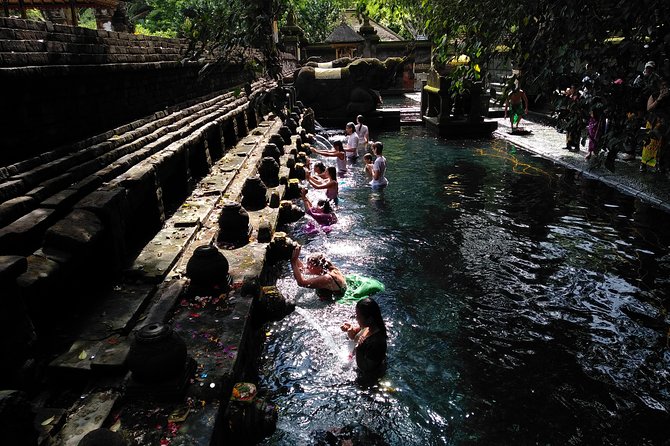
The main ceremony lasts about an hour to an hour and a half. You enter the holy water and follow the steps explained by your guide. The time allows the ritual to feel unhurried, though it also means you should be prepared to remain in wet clothing and water for a substantial period.
The central idea is purification. You move through the ritual in stages, using the spring water as part of prayer and spiritual cleansing. The experience is not described as swimming, bathing for recreation, or receiving a spa treatment. It is a religious act with a set process.
You might find the physical side straightforward, but the emotional side more powerful than expected. One account describes the ceremony as intense and deeply moving, while another describes leaving with a feeling of blessing. That response will vary from person to person, but the setting and formal steps give the experience a sense of purpose.
There is also a useful practical point: you do not need to know the ritual in advance. The guide explains what to do and leads you through it step by step. That support is one reason this experience is more approachable than arriving at the springs alone and trying to work out local customs from observation.
Take care with your belongings and clothing. The supplied information does not explain storage arrangements, so bring only what you need and ask the guide where to leave your dry items. Bottled water is included, and it is sensible to drink after the ceremony.
The closing prayer and taking holy water home
After the purification, you change out of the wet clothing. The ceremony then ends with another prayer, this time as thanks for the blessing and permission received.
This closing prayer gives the experience a proper finish. You are not simply washed and sent on your way. The sequence returns to gratitude, which helps explain why the earlier prayer and offering were important.
You may also be able to take some holy water with you to your home or accommodation. The information says this is possible, but it does not specify a container or how much water you can take. If you want to do this, ask your guide before the ceremony ends.
The change of clothes is a small but important transition. You have moved from the active ritual back into a normal travel day, but the closing prayer gives you time to acknowledge what you have just done. I would allow a few quiet minutes rather than rushing straight toward lunch.
Indonesian lunch after the ceremony
Lunch follows the purification. It is included in the $65 price, along with bottled water, temple clothing, offerings, transport, and entrance-related fees and taxes.
That package offers solid value for a half-day outing. Booking transport alone can take planning, while arranging suitable clothing, ritual offerings, and a meal separately would add cost and effort. The included lunch also means you do not need to search for food while still wet or carrying damp clothes.
The meal is described as Indonesian lunch, but no restaurant or menu is specified. You should not book this expecting a particular dish or a special dining venue. Think of lunch as a useful local meal included in the day’s structure.
For me, the value is less about the food itself than the complete arrangement. The price covers the major pieces needed to take part properly. You are paying for access to a guided cultural experience, not just a ride to a temple.
What the $65 price really covers
At $65 per person, this sits in a reasonable range for a five-hour private-style cultural outing with transport, lunch, supplies, and a guide. The value improves if you are staying outside easy walking distance of Tirta Empul or would otherwise need to hire a car and driver.
Group discounts are available, though the exact savings are not stated. Ask about the discount before booking if you are traveling with several people. The maximum group size is 25, so a discount does not necessarily mean a private ceremony.
Included items are:
- Air-conditioned vehicle
- Hotel pickup and drop-off
- Indonesian lunch
- Bottled water
- All fees and taxes
- Sarong and temple clothing
- Ritual offerings
Personal expenses are not included. The supplied details do not list other optional costs, so keep a little cash available for anything outside the package.
The price also buys convenience. You do not need to locate offerings, arrange temple clothing, or learn the ritual sequence on your own. Those details are easy to underestimate until you try to organize a religious ceremony independently.
Important rules and limits to understand
The clearest restriction concerns menstruation. Women cannot enter the temple during menstruation under the stated Balinese rule, so they cannot take part in this activity at that time. This is not a minor footnote. If your date is uncertain, consider the cancellation deadline and ask the operator about alternatives before paying.
The activity requires good weather. If poor weather forces a cancellation, you are offered another date or a full refund. The provider also requires a minimum number of bookings, so a cancellation for low numbers can lead to a new date, another experience, or a refund.
Free cancellation is available when you cancel at least 24 hours before the start time. Changes or cancellations made inside that window are not accepted for a refund. All cut-off times use Bali local time, so check the clock carefully if you are arranging plans from another destination.
Most people can take part, and the activity is near public transportation. Still, the supplied information does not give detailed accessibility notes. If you need specific help with changing, walking, or entering the water, contact Dejulius Tour before booking.
Who will appreciate this ritual most
I would choose this experience if you want a direct cultural encounter and prefer guidance over independent trial and error. It suits people who are curious about Balinese Hindu prayer, comfortable following religious customs, and willing to set aside a full morning for the ceremony.
It is also a good fit if you value logistics. Hotel pickup, supplied clothing, offerings, lunch, and return transport make the day easy to organize. Couples, small groups, and families with participants who can follow the ceremony should find the format manageable.
I would think twice if your main goal is temple photography, sightseeing, or a quick visit. Much of the five hours is devoted to preparation, prayer, water purification, changing clothes, and lunch. That is the point of the experience, but it will not suit someone who wants a fast stop.
You should also be comfortable with shared participation. With up to 25 people, the guide must work with a group. The ceremony may feel less quiet than a private arrangement, even though the spiritual purpose remains personal.
Should you book the Bali Purification Ritual?
Book it if you want to take part respectfully in a Balinese Hindu ceremony rather than merely observe one. The strongest reasons are the careful step-by-step guidance, the chance to wear traditional clothing, and the practical package of transport, offerings, lunch, and bottled water.
The experience earns extra trust from the clear guide support associated with Wayan and from the reports of careful explanations throughout the ritual. Just confirm the pickup time, the Kuta Beach listing, and the guide assignment before you pay.
Bring dry clothes and a towel, prepare for a wet ceremony lasting up to 90 minutes, and check the menstruation rule before selecting your date. For the right kind of visitor, $65 is a fair price for a meaningful and well-organized half-day at Tirta Empul.
FAQ
How long does the Bali Purification Ritual last?
The experience takes about five hours. The usual schedule begins with an 8:00 a.m. hotel pickup and returns you to your hotel around 1:00 p.m.
What does the purification ceremony include?
You change into Hindu temple clothing, receive ritual offerings, pray for permission and blessings, enter the holy springs, follow the purification steps for about 1 to 1.5 hours, change out of your wet clothing, and finish with a prayer of thanks.
Is hotel pickup and drop-off included?
Yes. Free hotel pickup and return drop-off are included. You need to provide your hotel name, address, and contact details when booking.
What should I bring?
Bring a change of dry clothes and a towel because you will enter the holy water. Bottled water is included, and the operator supplies the sarong, purification clothing, and ritual offerings.
Can women take part during menstruation?
No. The stated temple rule does not allow women to enter the temple during menstruation, so they cannot participate in the ritual at that time.
Can I cancel for a full refund?
Yes, if you cancel at least 24 hours before the experience’s local start time. Cancellations or changes made less than 24 hours before the start are not refunded.
Just added around Ubud
- Authentic hike in the forest with lunch at the inhabitant★ 5.0 · 3 reviews
- Heaven Gate, Tirtagangga and Tukad Cepung Waterfall – All Inclusive★ 5.0 · 3 reviews
- Half Day Uluwatu Temple Sunset, Kecak Dance and Seafood Dinner★ 3.5 · 3 reviews
- Ubud: White Water Rafting with visit Ubud Monkey Forest★ 5.0 · 3 reviews
- ️Bali All Inclusive Tour: Ubud – Tegalalang – Kintamani★ 5.0 · 3 reviews
- East Bali and Lempuyang Temple Tour★ 5.0 · 3 reviews
- Ubud: Temple, Swing, Waterfall, Rice Terrace & Monkey Forest★ 5.0 · 3 reviews
- Blue Lagoon Snorkeling and Lunch with Tukad Cepung Waterfall★ 5.0 · 3 reviews
Tirta Empul Purification, compared.
Temple Tour with Optional Spiritual Cleansing
Read our review →
Half-Day Ubud Electric Cycling Tour to Tirta Empul Water Temple
Read our review →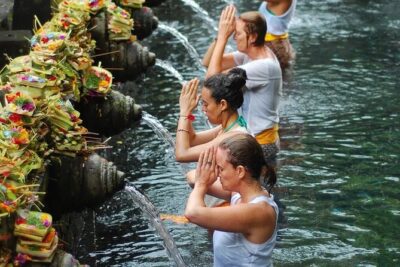
Ubud Tour – Balinese Healing By Shaman And Self Purification
Read our review →Melukat Ceremony and Temple Tour at Tirta Empul Temple
Read our review →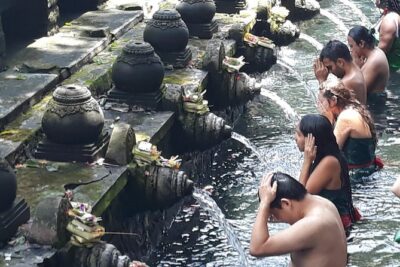
Skip the Line Tirta Empul Temple Entrance Ticket All Inclusive
Read our review →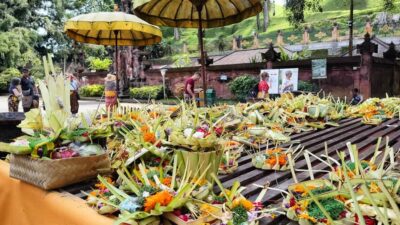
Tirta Empul, Rice Terrace, Waterfall and Custom Tour
Read our review →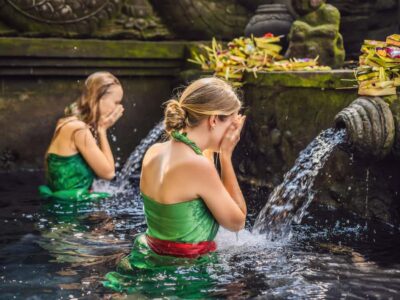
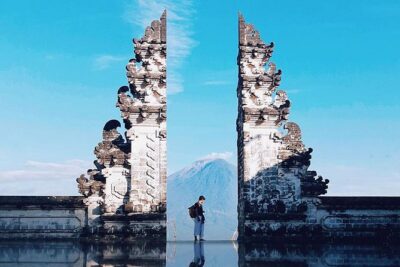
East Bali Tour: Lempuyang Temple – Gate of Heaven, Tirta Gangga, Virgin Beach
Read our review →Browse the lists this tour appears in