
Reviewed · SPIRITUAL HEALING & BLESSINGS
Ubud: Soul Retreat & Holistic Mantra Healing Experiences
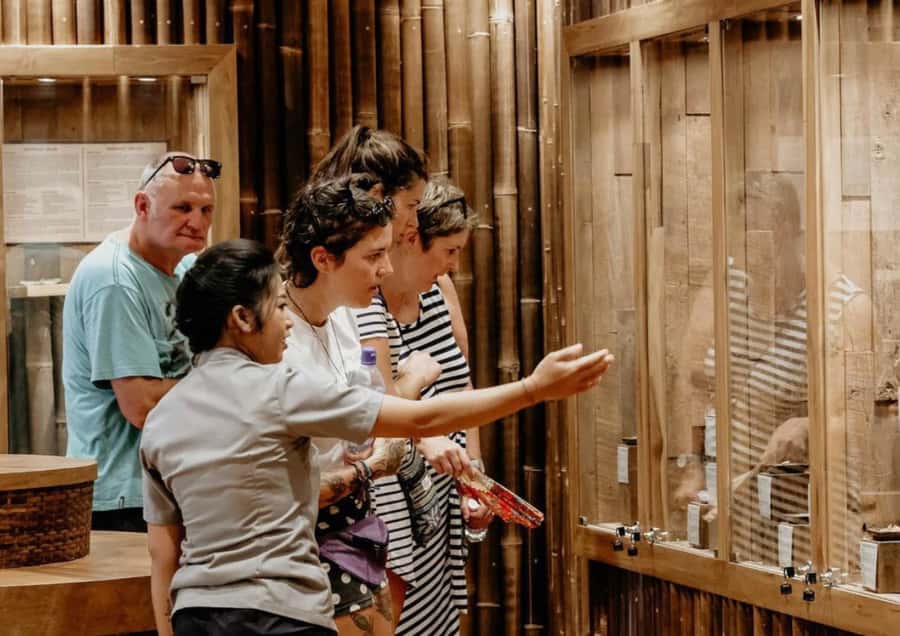
At Pura Mangening, you do more than look around a Balinese temple. You make your own Canang Sari offering, learn what its flowers mean, carry it into the temple, and take part in a holy-spring purification led step by step by your guide. The experience gives you a respectful way to meet Bali’s living Hindu traditions rather than simply photographing them.
I like the patient, personal guiding, especially from hosts such as Gus, Dharma, Ketut, Ade, and Eddy Strawberry. I also like the smaller temple setting, which can feel calmer than the better-known Tirta Empul. The main drawback is that lunch is not included, and the six-hour schedule can feel expensive if you want only sightseeing rather than a hands-on spiritual experience.
In This Review
- Key points to know before booking
- Why this Ubud spiritual experience feels different
- Starting with flowers, banana leaf, and a local market
- Pura Mangening and the meaning of the offering
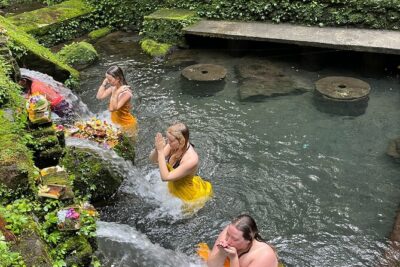
- The holy spring purification ritual
- Mantras, gratitude, and personal reflection
- Lunch, art, and optional add-ons
- What the $48 price really buys you
- Practical preparation for a respectful visit
- Who will appreciate this experience most
- Should you book the Ubud soul retreat?
- FAQ
- How long does the Ubud soul retreat last?
- What is included in the $48 price?
- Will I get wet during the temple ritual?
- Do I need to dress modestly?
- Who cannot join this activity?
- Are massage, coffee tasting, and the jungle swing included?
Key points to know before booking
- Make your own Canang Sari: Learn to arrange flowers and banana leaf in a local market, compound, or temple yard.
- Purify at Pura Mangening: Enter the holy spring and follow a guided melukat cleansing ritual.
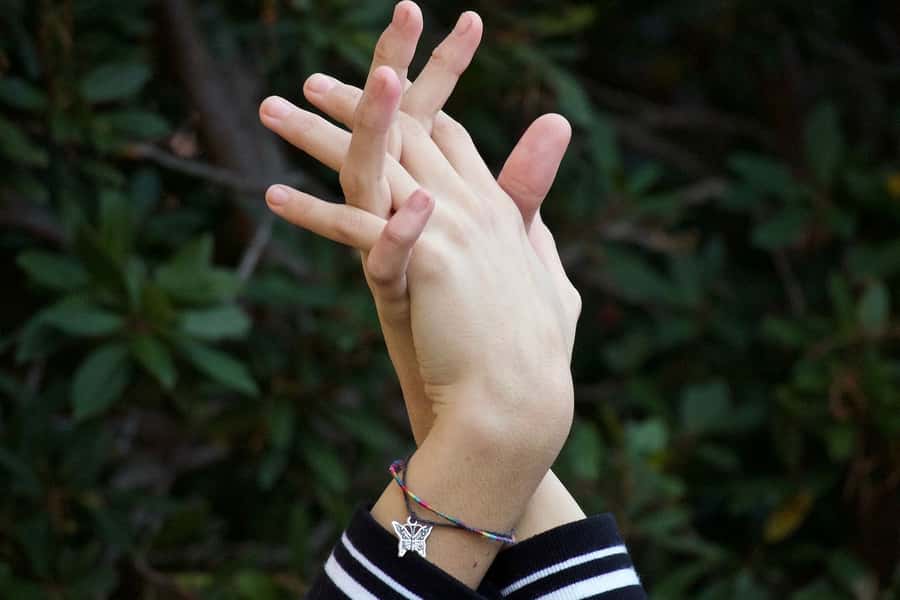
- Receive a Tridatu bracelet: The blessed red, black, and white thread is given after the temple prayer.
- Expect a very personal guide: Gus, Dharma, Ketut, Ade, Suker, and Eddy Strawberry are often praised for clear explanations and warm care.
- Bring dry clothes: You will get wet during the purification, and temple paths include stairs and uneven ground.
- Budget for extras: Lunch, personal purchases, and optional add-ons such as massage, coffee tasting, palm reading, or a jungle swing cost extra.
Why this Ubud spiritual experience feels different
Many Ubud excursions take you to temples, rice terraces, and coffee plantations as a series of photo stops. This experience asks you to slow down and take part in something. You are not merely shown an offering. You learn how to make one, hear why it matters, and use it in prayer.
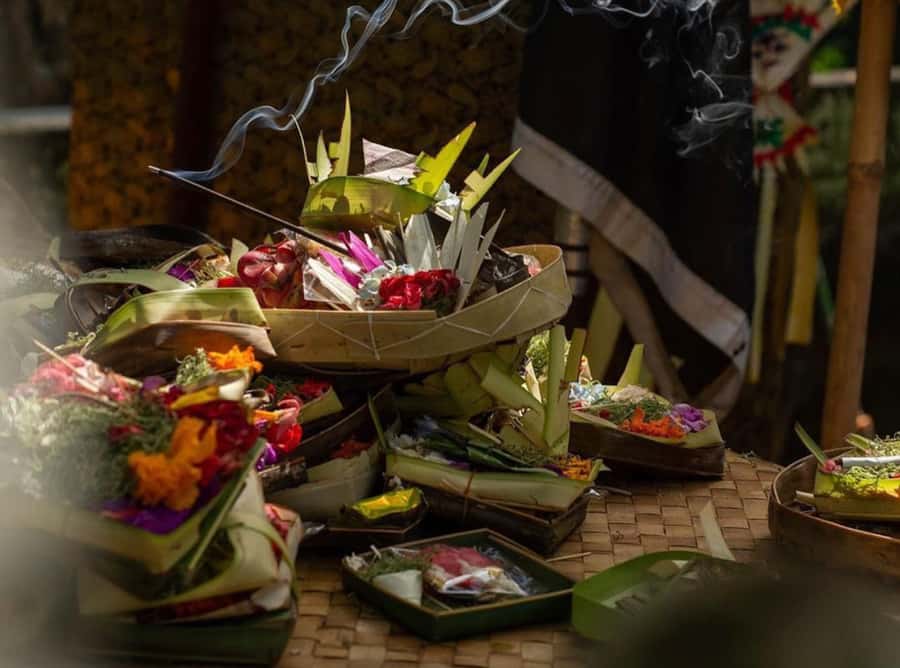
That distinction matters in Bali. Canang Sari offerings appear at temple gates, house entrances, street corners, statues, and sometimes on trees. They are made as daily acts of gratitude and balance. Flowers are arranged in different directions, and your guide explains the meaning behind the colors and placement.
The experience is not a religious conversion session, nor should you expect a private miracle or medical treatment. It is a cultural and spiritual activity built around reflection, prayer, simple mantra practice, and the Balinese idea of restoring balance. You can participate with your own beliefs while showing care for the customs around you.
The activity lasts about six hours and costs $48 per person. That is fair value if your guide provides a private transfer, temple access, careful ritual instruction, and time for questions. It is less attractive if you are comparing it with a basic temple entrance ticket or a standard half-day sightseeing trip.
More healing and blessing ceremonies in Ubud:
- Tirta Empul: Temple Tour with Optional Spiritual Cleansing
★ 4.9 · 1,257 reviews - Taman Beji Griya Waterfall: Holy Bathing/Soul Retreat Ritual
★ 4.8 · 634 reviews - Ubud Tour – Balinese Healing By Shaman And Self Purification
★ 5.0 · 236 reviews
Starting with flowers, banana leaf, and a local market
Your day begins with hotel pickup from the specified service area. The vehicle returns you to your hotel afterward, and pickup takes place at the main lobby. Transport is one of the stronger parts of the arrangement because the temple has stairs, wet surfaces, and rural roads that would be awkward to manage on your own.
The first activity is making Canang Sari. Depending on the day, this may happen at a local market, a Balinese family compound, or a temple yard. The market version has an everyday feel. You may meet local sellers, choose flowers, and see the materials that go into offerings used across the island.
The guides are especially useful here. Johnie described Suker taking him to local markets and explaining the flowers and banana leaf construction. Tracy’s guide Kadek explained the meaning of each flower color before they went to the temple. These details turn a craft lesson into a glimpse of ordinary Balinese life.
Do not expect an elaborate workshop with polished tables and printed instructions. The setting may be modest and informal. That is part of its appeal, but it also means the experience can vary with the location, weather, and guide.
Take your time with the offering. The point is not to make a perfect souvenir. Canang Sari is a devotional object, so listen closely and handle it with care. You may be shown how to position the flowers, fold the palm leaf, and finish the arrangement before carrying it onward.
Pura Mangening and the meaning of the offering
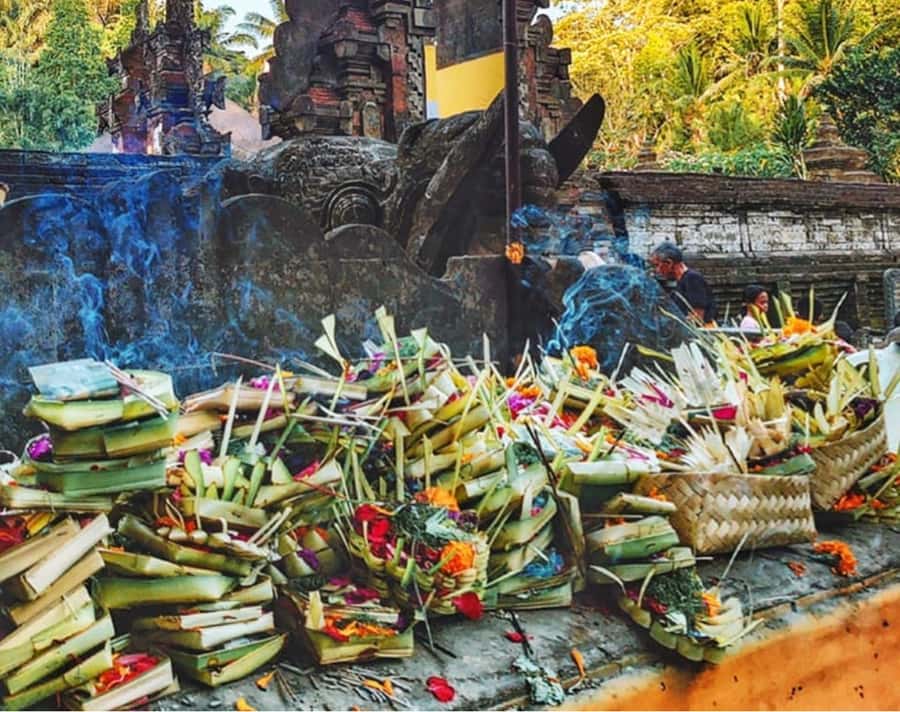
After making your offering, you continue to Pura Mangening, a sacred water temple surrounded by greenery and reached by stairs and uneven paths. The setting is smaller and generally less crowded than Bali’s most famous water temples, which gives the ritual a quieter feel.
Your guide explains the temple’s role, the steps of the prayer, and what you should do before entering the water. This preparation is important. Without it, the ritual can feel like a costume activity or a quick photo opportunity. With clear guidance, you understand when to pray, where to place the Canang Sari, and how to behave near shrines.
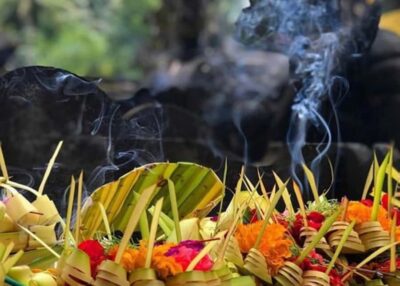
The offering is presented as thanks to the Gods and as a prayer for balance and peace. Incense smoke carries the prayer, while the flowers represent an act of care rather than decoration. You also receive a blessed Tridatu bracelet, a traditional red, black, and white thread associated with Balinese spiritual protection and balance.
You should not rush this part. Several people described their guides sitting with them before the ceremony and repeating the instructions so nothing felt confusing. That kind of patient explanation is one reason the experience receives such strong marks, with an overall rating of 4.8 from 144 ratings.
The best guides also explain the beliefs in plain English. Gus is frequently singled out for his clear stories about Balinese Hinduism, temple customs, and daily offerings. Dharma is praised for giving people time to move slowly and ask questions. Ade is noted for explaining each part of the ritual before it happens.
Guide quality matters a great deal here. The same temple visit could feel meaningful or rushed depending on how well the ritual is explained. When you book, it may not be possible to guarantee a particular guide, although some people specifically ask for Gus, Dharma, Ketut, or Eddy Strawberry.
The holy spring purification ritual
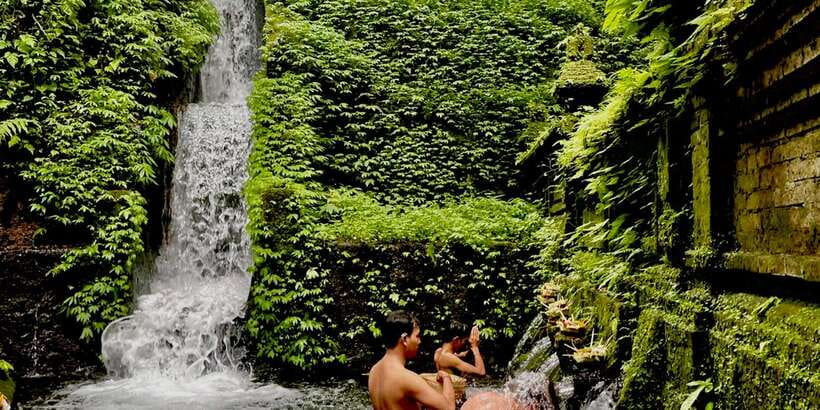
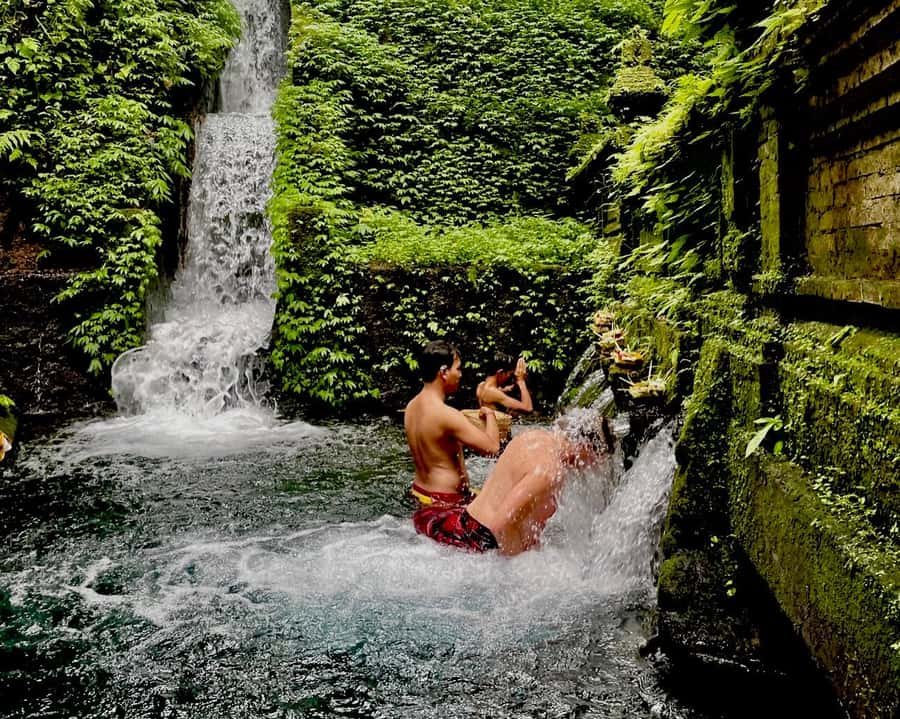
The central activity is the soul purification, known locally as melukat. You enter the holy spring, pray, repeat simple mantras, and move through the cleansing process with your host’s instructions. You will get wet, so bring a full change of clothes, a towel, and a waterproof bag for your phone and wallet.
The water can be physically refreshing, but the purpose is symbolic and spiritual. You are invited to set an intention, express gratitude, and let go of worries. Some people may find the chanting and quiet focus moving. Others may appreciate it mainly as a close look at Balinese religious practice. Both responses are perfectly reasonable.
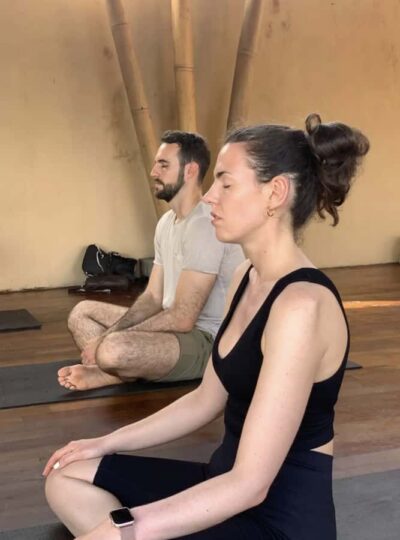
The mantra portion is described as basic holistic mantra healing for self-awakening. Treat that wording with care. This is not a substitute for professional medical or mental health support. It is a guided meditation and prayer practice intended to help you focus inward.
Your host should explain each stage before you enter the water. This is where a good guide makes a major difference. Guides Ade, Agus, Gus, and Dharma are praised for giving calm, step-by-step instructions and helping people feel at ease. One person described the experience as a release of emotion, while another felt calmer and more connected afterward.
The physical demands are real. You need to manage stairs, slippery areas, and uneven surfaces. The activity is not suitable for wheelchair users, people with mobility impairments, pregnant women, children under nine, or people over 70. Even if you normally walk well, take care near the water and follow your guide rather than trying to copy what others are doing.
Religious rules also matter. People who are actively menstruating are not permitted to enter the temple. Dress modestly, with shoulders and knees covered, and avoid loud behavior or pointing your feet toward shrines. This is a place of worship first, not a themed attraction.
More yoga and meditation days in Ubud:
- Bali: Ubud Sound Yoga & Energy Healing Experience
★ 4.8 · 112 reviews - Bali: Ubud Yoga and Healing Meditation
★ 4.9 · 111 reviews - Puppy Yoga in Bali, Ubud & Uluwatu
★ 4.7 · 93 reviews - A Day Retreat In Ubud
★ 5.0 · 51 reviews
Mantras, gratitude, and personal reflection
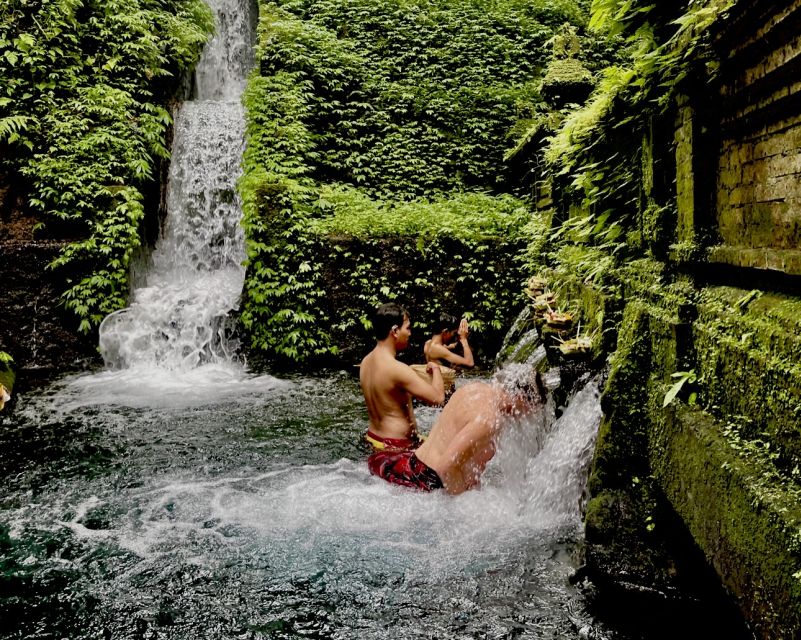
The experience frames gratitude as a daily Balinese practice. You learn how small offerings can mark the beginning of a day, a prayer, or a moment of thanks. That message gives the activity more substance than a simple bathing ceremony.
You also receive some basic instruction in mantra and meditation. The guide may encourage slow breathing, quiet attention, and repeated words or prayers. Because the session is only part of a six-hour tour, do not expect a long retreat with a full yoga program or extended silence.
I think this portion works best if you arrive with modest expectations. You do not need to share Balinese Hindu beliefs, but you should be willing to listen and take part respectfully. If you want a dramatic wellness treatment, this may feel too simple. If you want a gentle pause from Ubud’s busy streets, it can be a welcome change.
The activity is also suitable for solo bookings. One person described spending a full day with Gus and feeling comfortable throughout. Private tours allow more room for questions, a slower pace, and occasional changes to the route. Shared departures may offer less control over timing.
Lunch, art, and optional add-ons
Lunch is not included in the $48 price, so plan for that expense. The final stop is an artistic lounge in Ubud, where you can buy food and spend time among art, design, and lifestyle displays. It is presented as a place for families, artists, and creative people, with Balinese-inspired meals and artwork that helps connect local culture with daily life.
This finish is a pleasant contrast to the temple. At Pura Mangening, you learn through ritual and prayer. At the lounge, you consider Balinese culture through visual art and creative work. Lunch costs extra, but the setting can make a good final pause before returning to your hotel.
The route may include optional additions, depending on the package and available time. These can include:
- A one-hour or two-hour traditional massage
- A female guide
- Luwak coffee tasting
- Jungle swing and coffee
- A Polaroid camera with 10 photographs
- Palm reading at an additional cost
Do not assume these are part of the base price. The included package covers hotel return transport from the specified area, mineral water, and entry fees. Lunch and personal spending remain your responsibility.
Some guides also add small extras when time permits, such as a local market visit, coffee plantation, rice terraces, village stops, or local food tasting. These additions are not guaranteed, so treat them as a pleasant possibility rather than part of the promised schedule.
The Polaroid option is worth checking before you book if photos matter to you. Some guides take photos and videos with your phone, and several people praised Gus and Dharma for being good photographers. A Polaroid camera with 10 photographs is listed as an add-on, not a standard inclusion.
What the $48 price really buys you
At $48, this is not the cheapest way to see a Balinese temple. You are paying for more than admission, though. The price includes transport, entry fees, mineral water, instruction in making Canang Sari, guidance through prayer and purification, and the chance to ask cultural questions throughout the day.
The strongest value comes from the guide. A person such as Gus, Dharma, Ketut, Ade, Agus, or Eddy Strawberry can explain what you are doing, help you move safely near the water, take photos, and adjust the pace. Several people also received help with extra stops or changes to their plans.
The value drops if you are not interested in ritual participation. You still need to pay for lunch, and extras such as massage, coffee, palm reading, and a jungle swing can quickly raise the total. One person felt palm reading should have been included, while another considered the half-day price slightly high despite enjoying the cultural content.
I would compare this with the cost of arranging a private driver, temple entry, and a guide separately. For a solo guest or couple, the package can be practical. For a larger family, check the group and transfer details carefully before deciding.
Practical preparation for a respectful visit
Wear comfortable clothes that cover your shoulders and knees. Temple sarongs or other coverings may be required, but the supplied information does not promise that they will be provided, so modest clothing is the safer choice.
Pack these items:
- Comfortable walking shoes
- A change of clothes
- Towel
- Waterproof bag
- Camera or phone
- Cash for personal spending and optional donations
- Mineral water, if you prefer more than the included bottle
Light rain does not necessarily stop the rituals. Heavy rain may change the order of activities, so keep your schedule flexible. Avoid alcohol and drugs, and leave pets at home.
The activity is offered in English with a live guide. Pickup is optional in the booking setup, but the retreat includes hotel return transfer from the specified area. Confirm that your hotel is covered before paying.
Free cancellation is available up to 24 hours before the start time, and you can reserve now and pay later. Those terms are useful if your Ubud plans depend on weather, but they do not remove the need to prepare for the physical demands of the temple.
Who will appreciate this experience most
I would choose this for a first visit to Bali if you want cultural context rather than a quick checklist of sights. It suits solo visitors, couples, and small groups who enjoy asking questions and taking part in local customs.
It is also a good choice if you have already seen major temples and want a more personal activity. Pura Mangening’s quieter setting, the offering lesson, and the spring ritual give the day a clear focus.
You may want another tour if you prefer fast sightseeing, dislike getting wet, or are uncomfortable participating in prayer. The activity is not suitable for children under nine, pregnant women, wheelchair users, people with mobility impairments, or people over 70.
Should you book the Ubud soul retreat?
Book it if you want to understand the small daily acts behind Bali’s temple culture. The best parts are the Canang Sari lesson, careful guidance at Pura Mangening, the blessed Tridatu bracelet, and the chance to approach purification with context and respect.
Skip it if you mainly want included food, a long massage, or a bargain sightseeing loop. Allow extra money for lunch and optional activities, bring dry clothes, and expect stairs and wet surfaces.
For the right person, this is a thoughtful six-hour introduction to Balinese spirituality. Your guide will shape the day, so value patience, cultural knowledge, and clear English over a packed list of stops.
FAQ
How long does the Ubud soul retreat last?
The experience lasts six hours. Starting times depend on availability.
What is included in the $48 price?
The price includes private or shared hotel pickup and drop-off from the specified area, mineral water, and all entry fees. Lunch, personal spending, and optional add-ons are not included.
Will I get wet during the temple ritual?
Yes. The purification takes place in a holy spring, so bring a change of clothes, a towel, and a waterproof bag for personal items.
Do I need to dress modestly?
Yes. Shoulders and knees should be covered when visiting the temples. You must also follow temple rules, avoid loud behavior, and avoid pointing your feet toward shrines.
Who cannot join this activity?
The experience is not suitable for children under nine, pregnant women, wheelchair users, people with mobility impairments, or people over 70. People who are actively menstruating are not permitted to enter the temple due to religious customs.
Are massage, coffee tasting, and the jungle swing included?
No. A one-hour or two-hour traditional massage, female guide, Luwak coffee tasting, jungle swing and coffee, and Polaroid photographs are listed as optional add-ons.
Just added around Ubud
- Authentic hike in the forest with lunch at the inhabitant★ 5.0 · 3 reviews
- Heaven Gate, Tirtagangga and Tukad Cepung Waterfall – All Inclusive★ 5.0 · 3 reviews
- Half Day Uluwatu Temple Sunset, Kecak Dance and Seafood Dinner★ 3.5 · 3 reviews
- Ubud: White Water Rafting with visit Ubud Monkey Forest★ 5.0 · 3 reviews
- ️Bali All Inclusive Tour: Ubud – Tegalalang – Kintamani★ 5.0 · 3 reviews
- East Bali and Lempuyang Temple Tour★ 5.0 · 3 reviews
- Ubud: Temple, Swing, Waterfall, Rice Terrace & Monkey Forest★ 5.0 · 3 reviews
- Blue Lagoon Snorkeling and Lunch with Tukad Cepung Waterfall★ 5.0 · 3 reviews
Spiritual Healing & Blessings, compared.
Temple Tour with Optional Spiritual Cleansing
Read our review →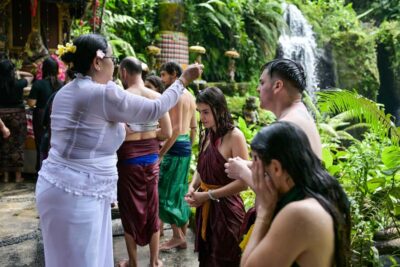
Taman Beji Griya Waterfall: Holy Bathing/Soul Retreat Ritual
Read our review →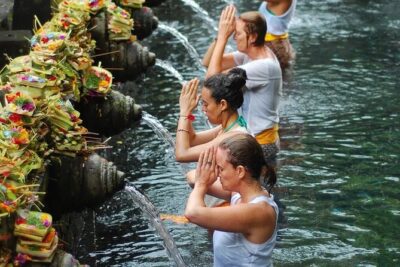
Ubud Tour – Balinese Healing By Shaman And Self Purification
Read our review →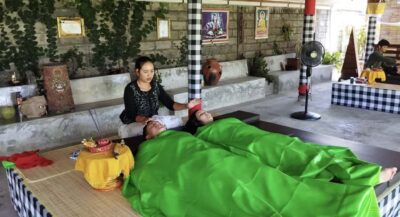
Spiritual Cleansing, Palm Reading, & Trauma Healing
Read our review →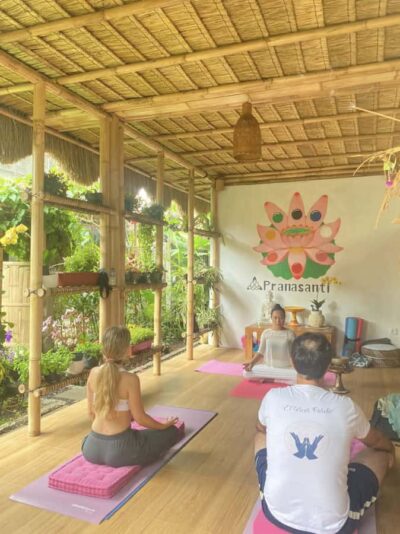
Tirta Empul Water Purification Ritual, Private Tour
Read our review →Browse the lists this tour appears in