
Reviewed · TIRTA EMPUL PURIFICATION
Melukat Ceremony and Temple Tour at Tirta Empul Temple
Tirta Empul is not just a pretty temple stop. It is a working place of worship where you can enter the sacred springs, make offerings, and follow a Melukat purification ritual with a private guide beside you. The experience is personal, calm, and far more meaningful when you understand what each step means.
I like the private format, since you can ask questions without holding up a large group. I also like the choice of an early morning visit, when the temple is easier to appreciate. The catch is simple: transport is not included, and the ritual requires wet clothes, a towel, and a change of underwear.
In This Review
- Key points to know before booking
- Why Tirta Empul feels different from a standard temple visit
- Exploring the temple before the water ritual
- What happens during the Melukat ceremony
- Choosing morning or late afternoon
- What the $29 price really covers
- The private guide makes the ritual easier
- Clothing, temple rules, and comfort
- Who will get the most from this experience
- Booking, cancellation, and weather details
- Should you book the Tirta Empul Melukat tour?
- FAQ
- Where does the Tirta Empul Melukat ceremony take place?
- How long does the experience last?
- Is transport to Tirta Empul included?
- What does the price include?
- What should I bring?
- Can I join the ceremony while menstruating?
- Can I cancel for a full refund?
Key points to know before booking
- The ceremony takes place at Tirta Empul, a major Balinese Hindu temple famous for its holy spring water.
- A private English-speaking guide leads your group, with guides such as Botak, Dana, Ketut, Kadek, Dewa, Agung, and Komang named in guest feedback.
- Sarong, a simple top, ceremony materials, entrance, and a locker are included, but this is not a complete Balinese costume rental.
- Morning is the best choice for fewer crowds, while late afternoon can mean colder spring water.
- You must bring dry clothes, underwear, and a towel, and your clothing must cover your shoulders before entering.
- The $29 price is strong value if you want help with the ritual, but you must make your own way to the temple in Tampaksiring.
Why Tirta Empul feels different from a standard temple visit
Many Bali temple stops are mainly about architecture, photographs, and a quick explanation from a guide. Tirta Empul offers those things, but the central experience is participation. You are not simply looking at a sacred pool. You are being shown how to approach it respectfully and how the cleansing ceremony fits into Balinese Hindu practice.
The temple is known for its holy spring water, which is believed to cleanse and heal. During Melukat, you make offerings and pass through a ritual sequence at the water. The act is spiritual for some people, cultural for others, and perhaps a bit of both for you. You do not need to arrive with a particular religious belief, but you should come with respect.
That distinction matters. A purification ritual is not a theatrical performance arranged only for tourists. It is an act of worship with rules, preparation, and meaning. A good guide helps you understand when to pray, how to handle the offerings, and how to move through the water without treating the temple like a photo set.
The tour has received a 4.9 rating from 218 reviews, with 99 percent recommending it. Those figures do not guarantee a perfect day, but they match the strongest feature of the experience: guide support. Names that come up often include Botak, Kadek, Komang, Ketut, Dewa, Agung, and Dana. The important point is not which guide you receive, but that the guide is expected to explain the ritual rather than merely point out the best places for pictures.
More Tirta Empul purification ceremonies:
- Tirta Empul: Temple Tour with Optional Spiritual Cleansing
★ 4.9 · 1,257 reviews - Half-Day Ubud Electric Cycling Tour to Tirta Empul Water Temple
★ 5.0 · 315 reviews - Ubud Tour – Balinese Healing By Shaman And Self Purification
★ 5.0 · 236 reviews
Exploring the temple before the water ritual
Your visit begins at Pura Tirta Empul in Tampaksiring, Gianyar Regency, north of Ubud. The activity lasts about two hours, although the advertised duration is roughly one to two hours. Your guide first takes you around the temple grounds and explains the site’s history, architecture, and place in Balinese Hinduism.
This introduction gives the ceremony a useful frame. Without it, the pools and shrines can seem like a series of attractive religious buildings. With it, you can better understand that the temple is organized around worship, purification, and sacred water rather than sightseeing alone.
The temple tour also gives you time to get comfortable with the setting before changing for the ritual. Ask questions here. The private arrangement means you can pause when something is unclear, ask about an offering, or request a slower explanation. That is a real advantage over a large group where the guide has to keep moving.
The site is attractive, but do not judge the experience only by its appearance. The most valuable part is the connection between place and practice. Your guide explains why the spring matters and how the ceremony should be carried out, turning a quick temple visit into a cultural lesson with a physical part.
What happens during the Melukat ceremony
The Melukat portion is a cleansing ritual involving offerings and the holy spring water. Your guide prepares you for the process, explains the meaning of the different stages, and stays with you as you follow the ceremony.
The tour provides ceremony materials, so you do not need to arrange the offerings yourself. Attire rental includes a sarong and a simple dress or top. This is worth clarifying before you book: the package does not include a complete traditional Balinese outfit. You still need to arrive in suitable clothing, including a shirt that covers your shoulders and short bottoms that fall above the knee.
You will get wet. Bring a complete change of clothes, including underwear, as well as a towel. A locker is included, which makes it easier to store your belongings while you take part. The practical details may sound minor, but forgetting dry clothing can turn a peaceful ritual into an uncomfortable trip back to Ubud.
The water may feel cold, especially in the afternoon. That is one reason an early start makes sense beyond the smaller crowds. Still, the spring water is part of the point of the ceremony, and the cool temperature is not a flaw in the experience. It is simply something to prepare for.
Your guide’s role is especially useful here. A guide such as Komang or Kadek can explain the procedures and help you move through the ritual with confidence. Botak has been praised for explaining both the temple layout and the cleansing ceremony, while Dana is noted for explaining the meaning behind each part. Those details are exactly what you are paying for.
Photography can be part of the visit, but it should remain secondary. Guides have taken photographs during the ceremony for some groups, which is helpful if you want a record of the day. Keep your attention on the ritual itself. The experience loses something if every moment becomes a pose.
Choosing morning or late afternoon
You can choose an early morning or late afternoon time slot. I would pick morning if your schedule allows it. The temple is likely to be less crowded then, and the cooler start can make the wet ritual more comfortable.
Morning also gives you a better chance to hear your guide clearly and follow the ceremony without feeling rushed by activity around the pools. Several people specifically recommend arriving early to beat the crowds. This is practical advice, not just a preference.
Late afternoon may suit you if you do not want an early start, but be ready for colder water. One person specifically warned about the spring water temperature later in the day. Crowds can also affect how private the setting feels, even though your guide and booking are private.
A private booking does not mean the temple belongs only to your group. It means your guide is reserved for your group, not that the whole religious site is empty. That is why the time of day matters.
More temple days around Ubud:
- Ubud: Monkey Forest, Jungle Swing, Rice Terrace, and Water Temple
★ 5.0 · 7,160 reviews - Ubud: Waterfalls, Water Temple & Rice Terraces Private Tour
★ 5.0 · 5,484 reviews - Full-Day Tour to Water Temples and UNESCO Rice Terraces in Bali
★ 5.0 · 2,539 reviews - Bali Instagram: Gate of Heaven Temple Tour
★ 5.0 · 737 reviews
What the $29 price really covers
At $29 per person, this is reasonably priced for an experience that includes more than admission. Your fee covers:
- Entrance to Tirta Empul
- Sarong and simple top rental
- Ceremony materials
- English-speaking private guide
- Locker use
The strongest value comes from the guide. If you only wanted to enter the temple and look around, you could reasonably question the extra cost. But if you want to understand the Melukat process and take part correctly, the guide adds structure and context that would be difficult to arrange on your own.
The private format also improves the value for couples, families, and small groups with different levels of interest. You can ask as many questions as you like, and the guide can explain the ritual at your pace. That makes the price more attractive than a basic entrance ticket, especially for a first visit to a Balinese Hindu temple.
Transport is the main omission. The meeting point is Pura Tirta Empul, Tampaksiring, in Gianyar Regency, and the activity ends back there. You need to arrange your own way to and from the temple. If you are staying in Ubud, include the cost and travel time of reaching Tampaksiring when comparing this with other options.
The price also does not cover a complete traditional Balinese outfit. You receive a sarong and simple dress, which is enough for the stated activity, but not a full ceremonial costume. Pack accordingly rather than expecting a costume photography session.
The private guide makes the ritual easier
The guide is the heart of this experience. Tirta Empul can be confusing if you do not know which actions are expected, what the offerings mean, or how to behave around the holy water. Your guide provides the bridge between watching and taking part.
The strongest guide feedback focuses on explanation and calm support. Ketut is praised for making the process easy and meaningful. Kadek is described as staying with the group through every step. Dewa is noted for giving clear instructions and answering questions kindly. Agung combines the ceremony with stories about Bali’s history, while Komang explains the correct procedures for the holy-water ritual.
You should also use the private setting actively. Ask why a particular offering is made. Ask what the water represents. Ask how the ceremony fits into Balinese Hindu life. You are not limited to a fixed script, and the price includes the chance to have those questions answered.
English ability is listed as part of the tour, and the guide names mentioned above have been praised for clear explanations. As with any guided activity, the exact guide is not guaranteed, so book the experience for its structure and service rather than for one specific person.
Clothing, temple rules, and comfort
You must wear a top that covers your shoulders before entering. A T-shirt is suitable. Short bottoms, such as shorts or a short skirt, should fall above the knee. The provided sarong and simple top help meet the temple’s clothing requirements, but arriving appropriately dressed remains your responsibility.
People who are menstruating are strictly not allowed to enter the temple. This is an important rule, not a minor note. If your period begins after booking, the stated policy allows you to request a refund or reschedule.
Bring:
- A towel
- A full change of clothes
- Clean underwear
- Clothing that covers your shoulders
- Suitable bottoms above the knee
The locker is included, so you can store belongings while entering the water. Keep the visit simple and avoid bringing items you do not need. The ceremony involves water, offerings, and movement around a religious site, so comfort and modesty matter more than dressing for photographs.
Most people can take part, according to the activity information. No special level of fitness is stated as necessary. Still, you should be comfortable changing clothes and entering the spring pools as part of the ritual.
Who will get the most from this experience
I would recommend this tour to you if you want more than a quick temple photograph. It suits anyone curious about Balinese Hindu practice, couples looking for a meaningful shared activity, and small groups who prefer asking questions without a large crowd around them.
It can also be a memorable part of a personal milestone. One couple chose the ceremony the day before their wedding and used it as part of their wedding celebrations. That does not make the ritual a wedding service, but it shows how the experience can carry personal meaning when approached thoughtfully.
You may want to skip it if you are uncomfortable with religious ceremonies, do not want to get wet, or prefer to explore independently. The ceremony is not something to watch from dry ground. Participation is the main event.
You should also think twice if you cannot manage the transport to Tampaksiring. Since no shuttle is included, the $29 headline price is not your total outing cost. Add your own transport before deciding if it fits your budget.
Booking, cancellation, and weather details
Confirmation is provided when you book, and you must enter the WhatsApp phone number registered to your booking so the operator can contact you. This is useful for meeting instructions and any last-minute communication.
Free cancellation is available up to 24 hours before the start time, based on local time. Cancel at least 24 hours ahead for a full refund. Cancellations or changes inside that window are not accepted for a refund.
The activity requires good weather. If poor weather causes cancellation, you will be offered another date or a full refund. That policy is helpful, but remember that Bali weather can affect comfort even when the tour goes ahead. A towel and dry clothes remain essential.
Should you book the Tirta Empul Melukat tour?
Book it if you want a guided, respectful introduction to one of Bali’s most important purification rituals. The $29 cost is good value because it includes the temple entry, ritual supplies, basic attire, locker, and a private English-speaking guide. The explanations from guides such as Botak, Kadek, Komang, Ketut, Dewa, Dana, and Agung are the part that turns the visit into something more than sightseeing.
Choose the earliest available time if avoiding crowds matters to you. Arrange transport to Pura Tirta Empul, check the clothing rules, and pack dry underwear and a towel. If you are menstruating, do not book a date when you cannot enter the temple.
For a first look at Balinese Hindu culture, this is a strong choice. Just come prepared to participate, not merely take pictures.
FAQ
Where does the Tirta Empul Melukat ceremony take place?
The activity begins and ends at Pura Tirta Empul, Tampaksiring, Gianyar Regency, Bali 80552, Indonesia.
How long does the experience last?
The activity lasts about two hours, with the stated duration ranging from one to two hours.
Is transport to Tirta Empul included?
No. Shuttle transport is not included, so you must arrange your own transport to and from the meeting point.
What does the price include?
The price includes the entrance fee, sarong, simple dress or top, ceremony materials, English-speaking guide, and locker.
What should I bring?
Bring a towel, a full change of clothes, and clean underwear because you will enter the holy spring water and get wet.
Can I join the ceremony while menstruating?
No. People who are menstruating are not allowed to enter the temple. If this happens after booking, you can request a refund or reschedule.
Can I cancel for a full refund?
Yes. You can cancel at least 24 hours before the experience start time for a full refund. Cancellations or changes made less than 24 hours before the start time are not refunded or accepted.
Just added around Ubud
- Bali Cooking Class and Ubud Sightseeing Tour★ 5.0 · 43 reviews
- Mount Batur Sunrise Jeep Expedition★ 5.0 · 43 reviews
- Best Of Ubud Half Day Private Guided Tour★ 5.0 · 43 reviews
- Ubud: Rice Terraces, Water Temple, & Waterfalls Private Tour★ 5.0 · 44 reviews
- Private Tour: Tanah Lot at Sunset★ 5.0 · 44 reviews
- Purification Holy Bath at Beji Gria Waterfall★ 5.0 · 44 reviews
- Mount Batur Sunrise Hike with Sekumpul Waterfalls Tours★ 5.0 · 44 reviews
- Bali Instagram Tour – All Inclusive★ 5.0 · 44 reviews
Tirta Empul Purification, compared.
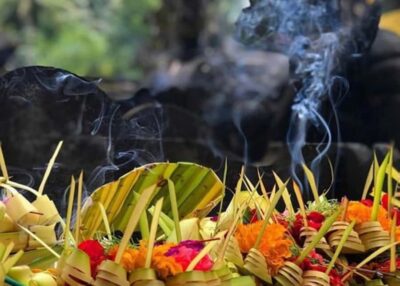
Temple Tour with Optional Spiritual Cleansing
Read our review →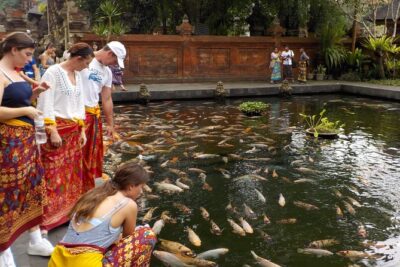
Half-Day Ubud Electric Cycling Tour to Tirta Empul Water Temple
Read our review →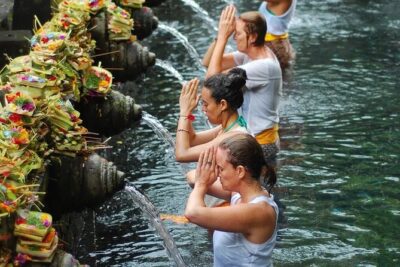
Ubud Tour – Balinese Healing By Shaman And Self Purification
Read our review →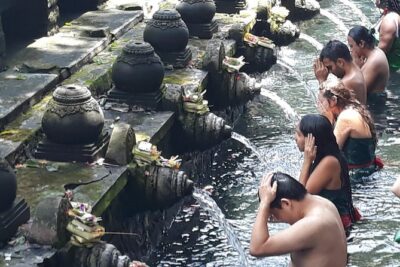
Skip the Line Tirta Empul Temple Entrance Ticket All Inclusive
Read our review →
Tirta Empul, Rice Terrace, Waterfall and Custom Tour
Read our review →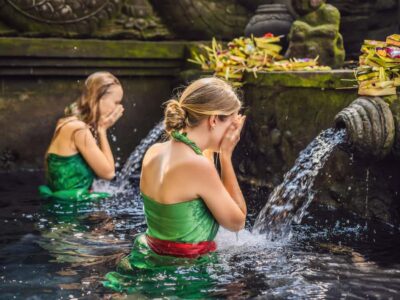
East Bali Tour: Lempuyang Temple – Gate of Heaven, Tirta Gangga, Virgin Beach
Read our review →
Tirta Empul Water Purification Ritual, Private Tour
Read our review →Browse the lists this tour appears in