
Reviewed · TIRTA EMPUL PURIFICATION
Purification Holy Bath at Beji Gria Waterfall
Beji Griya Waterfall offers more than a swim. You follow a Balinese purification ritual led by a temple priest, moving from prayer and narrow canyon baths to a final blessing made with holy water and green and yellow coconut water. The ceremony gives the waterfall visit a clear purpose, rather than leaving you to simply admire the setting.
I like two things here: the private hotel pickup and drop-off, which removes a lot of Bali transport fuss, and the carefully ordered ritual, which helps you understand what you are doing. Guides such as Vito and Pandu have also been praised for being punctual, friendly, and helpful with photographs.
The main consideration is that this is a maintained, commercial religious site, not a completely secluded temple ceremony. You may be offered extra products or packages, and women who are menstruating cannot take part. Keep that local rule, plus the age limits of 10 to 60, in mind before booking.
In This Review
- Key points to know before booking
- Why this waterfall ceremony feels different
- From your Ubud hotel to Beji Griya Waterfall
- Meeting your guide at the waterfall
- Prayer before the water
- The first bath through the narrow canyon
- The second bath and the small well
- Shouting, crying, laughing, and letting go
- The coconut-water blessing at the end
- What the $59 price really covers
- Who will enjoy this most
- Practical packing and timing advice
- Should you book the Beji Griya purification bath?
- FAQ
- Where does the purification holy bath take place?
- How long does the full experience last?
- Is hotel pickup included?
- How long is the drive from Ubud hotels?
- Is this a private activity?
- What happens during the holy bath?
- Are offerings and ceremony clothing included?
- What should I bring?
- Can children join the activity?
- Can women take part while menstruating?
- Are food and drinks included?
- What is the cancellation policy?
Key points to know before booking
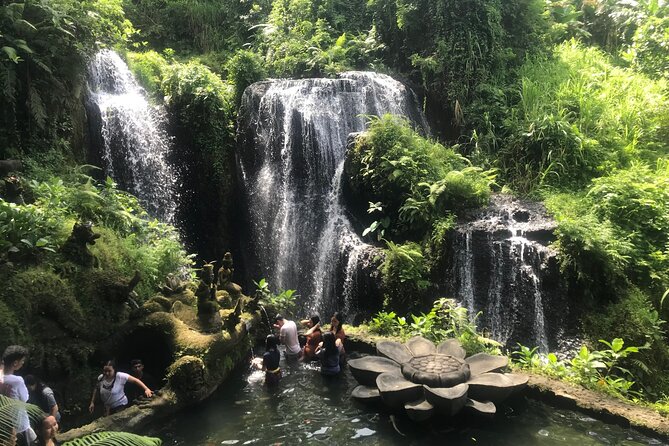
- A priest leads the opening prayer and meditation before you enter the water.
- The ritual has two holy baths, one for physical balance and one for cleansing the aura.
- You release difficult feelings at one waterfall by shouting or crying, then express happiness at the next with laughter.
- Private transfers are included, with driving time usually 30 minutes to one hour each way from Ubud-area hotels.
- The $59 price includes practical ceremony costs, such as offerings, incense, parking, a sash, a guide, and transport.
- The full outing takes about five hours, although the ceremony itself lasts about two hours.
Why this waterfall ceremony feels different
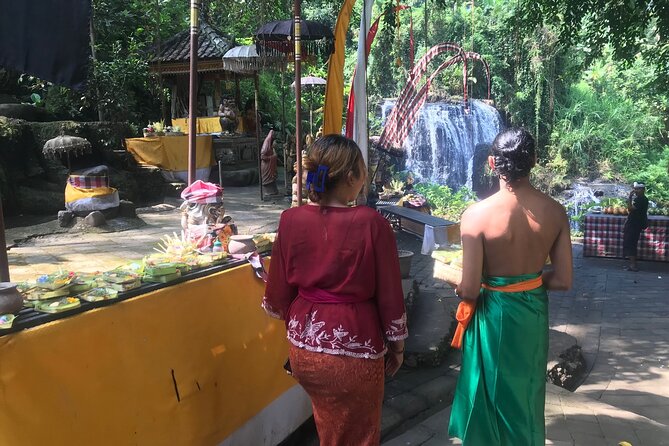
Many Bali waterfall outings are built around photographs and a quick splash. This one asks you to take part in a set of actions with spiritual meaning. You begin with meditation and prayer, then move through several stages intended to restore balance, clear negative feelings, and welcome happiness.
That structure matters. If you are new to Balinese Hindu customs, the guide gives you a way to participate respectfully instead of guessing what to do. The ceremony is not presented as a sightseeing stop with a short blessing added on. The bathing, shouting, laughing, and final blessing form the heart of the visit.
You should also set your expectations correctly. This is a spiritual experience arranged for paying visitors, and parts of the site may feel polished and commercial. That does not cancel the beauty or meaning of the ritual, but it does make the experience different from joining a family at a neighborhood temple ceremony.
The overall rating is 4.9 from 44 ratings, with 98 percent recommending it. Those numbers suggest a reliably well-run outing, especially for people who want clear guidance and smooth transport. They do not mean the setting will feel private or entirely untouched.
More Tirta Empul purification ceremonies:
- Tirta Empul: Temple Tour with Optional Spiritual Cleansing
★ 4.9 · 1,257 reviews - Half-Day Ubud Electric Cycling Tour to Tirta Empul Water Temple
★ 5.0 · 315 reviews - Ubud Tour – Balinese Healing By Shaman And Self Purification
★ 5.0 · 236 reviews
From your Ubud hotel to Beji Griya Waterfall
Your driver collects you from your hotel lobby. The transfer takes roughly 30 minutes to one hour, depending on where you are staying and the traffic. Bali traffic can make a short distance take longer than expected, so allow about five hours from pickup to return rather than treating this as a strict three-hour appointment.
The private format is one of the strongest practical features. Only your group takes part, so you do not have to perform an emotional ritual in front of a large busload of strangers. Group discounts are available, though the supplied information does not specify the discount amount.
Drivers Vito and others from Bali Yowana Tour have received particular praise for arriving early, explaining the plan, and getting groups back safely. That kind of service helps because the ceremony has several steps, and you will want to arrive without worrying about tickets, parking, or finding the entrance.
Bring a water bottle and snacks for the day. Food and drinks are not included, and there is no promise of a meal during the outing.
Meeting your guide at the waterfall
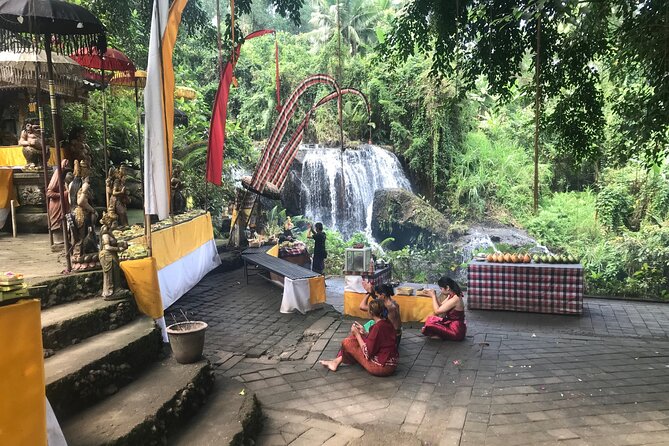
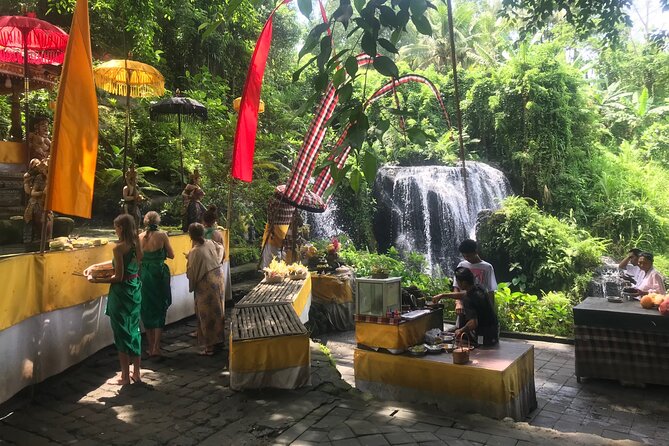
At Beji Griya Waterfall, an authorized local guide meets you and stays with you through the ritual. Your guide explains each stage, helps you follow the temple customs, and can assist with photographs. Pandu has been singled out for taking memorable pictures, while Vito has been praised for his cheerful and helpful service during the driving portion.
The included items make the arrival simple. Parking fees, incense sticks, other necessary offerings, and a special sash or cloth are covered. You still need to bring suitable clothes, since the water portion will leave you wet.
Wear light, comfortable clothing and pack a full change of clothes. A swimsuit is recommended, along with sunscreen, sunglasses, a hat or cap, a camera, and some petty cash. The sash is supplied, but your own clothing should be modest and easy to move in.
The activity is open to most people within the stated age range, but it is not available to children under 10 or adults over 60. The provider also says women who are menstruating cannot do the holy bath for safety reasons and local temple policy. This is worth treating as a firm condition, not a detail to sort out at the entrance.
Prayer before the water
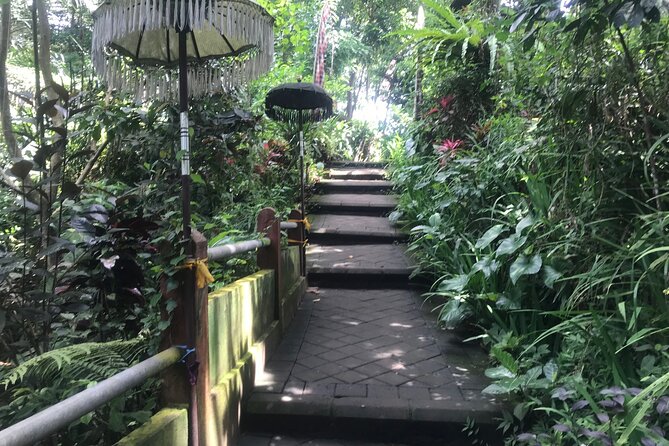
The first formal step is meditation and prayer led by a temple priest. This pause sets the tone. You are not simply told to walk into a pool and copy someone else. The priest establishes the religious purpose of the ceremony before the bathing begins.
For some people, this will be the most important part because it gives context and focus. For others, the ritual may feel unfamiliar or more solemn than expected. You do not need prior knowledge of Balinese Hindu practice, since the guide accompanies you and explains the stages.
Take the opening seriously. Quiet attention and respectful clothing will serve you better than treating the prayer as a photo opportunity. The ceremony is designed around personal reflection, so give yourself room to pay attention to what you are doing.
More waterfall days around Ubud:
- Ubud: Waterfalls, Water Temple & Rice Terraces Private Tour
★ 5.0 · 5,484 reviews - Best of Bali Waterfalls: Tibumana, Tukad Cepung and Tegenungan
★ 5.0 · 3,047 reviews - Ubud: Full-Day Rice Terrace, Monkey Forest & Waterfall
★ 5.0 · 2,634 reviews - ATV Quad Bike Through Tunnel and Waterfall in Bali
★ 5.0 · 2,098 reviews
The first bath through the narrow canyon
The first bath takes place after you walk through a narrow canyon. It is intended to bring balance to your health. The canyon setting makes this section feel more enclosed and purposeful than a normal waterfall swim, though the exact physical conditions can vary with water and site conditions.
You should expect to get wet and to move through a natural setting rather than a dry temple courtyard. Good footwear and comfortable clothes are sensible, although the supplied details do not specify whether special footwear is provided. Take care with your footing and follow your guide’s instructions.
I like the symbolism of beginning with balance. It gives the ritual a logical first step before moving toward emotional release and the more celebratory parts. If you are looking for a quiet reset after a busy Bali schedule, this may be the point where the visit begins to feel less like an excursion and more like a personal pause.
The second bath and the small well
The second holy bath is held at a small well. Its purpose is to cleanse your aura so you can attract happiness and luck. The wording is spiritual rather than medical, so you should understand this as a religious blessing and symbolic act, not a health treatment.
This is also a good place to let the guide explain the meaning of the ceremony. The two baths are not interchangeable. The first concerns balance, while the second turns toward cleansing and positive fortune. That progression helps you follow the ceremony without needing to remember a long list of unfamiliar customs.
The water may feel cold. That can be refreshing, but anyone sensitive to cold water should prepare for a physical jolt. A dry change of clothes afterward is essential, especially if you have a longer drive back to your hotel.
Shouting, crying, laughing, and letting go
The ceremony’s most unusual feature comes next. At the first waterfall, you are encouraged to release anxiety, tension, and sadness by screaming or crying as loudly as you can. At the second waterfall, you express happiness by smiling and laughing as loudly as you can.
This is not a normal sightseeing script, and it will not suit everyone. If you are comfortable with expressive rituals, the action can feel freeing and memorable. If you prefer private reflection, the idea of shouting in a public setting may feel awkward. You can discuss your comfort level with your guide, but the activity’s description clearly presents emotional expression as part of the intended process.
The two waterfalls create a simple contrast: release first, joy second. That contrast is easy to understand even if you approach the ceremony as a cultural experience rather than a personal spiritual practice. It also explains why photographs are such a popular part of the visit. The movements and expressions create clear visual moments, and guides may help capture them on your phone.
Remember that photos should not replace participation. If you spend the whole time arranging poses, you may miss the quiet purpose of the ritual. Take a few pictures, then put the camera away for the parts that ask for attention.
The coconut-water blessing at the end
The final step is a blessing from the priest. Pure holy water is taken from green and yellow coconut water and used as the closing part of the ceremony.
This ending gives the experience a clear finish. You have prayed, completed the two baths, released difficult emotions, expressed happiness, and then received a final blessing. The sequence feels more complete than a waterfall stop where you simply get dressed and return to the car.
The coconut water detail is also one of the ceremony’s distinctive touches. It connects the blessing to familiar Balinese natural materials while marking the end of the process. You should not expect a meal or a drink service as part of the package, however. Food and beverages are specifically excluded, so bring your own water and snacks.
What the $59 price really covers
At $59 per person, the cost is reasonable if you value convenience and a guided cultural activity rather than just access to a waterfall. You are paying for private hotel transfers, a local authorized guide, parking, ceremony offerings, incense, and the special sash or cloth.
Those inclusions add up. Arranging a private car alone can be a major part of a Bali day trip, and you would still need to find the site, handle parking, and understand the ceremony. Here, the provider organizes those pieces and keeps the experience private for your group.
The price does not include food, drinks, or personal purchases. One caution is the commercial atmosphere noted by some participants. You may be offered additional packages or products, and you should feel free to decline anything outside the agreed activity. The ceremony price does not require you to buy extras.
The provider offers free cancellation if you cancel at least 24 hours before the local start time. Cancellations or changes made inside that window are not refunded or accepted, so check your plans before the cutoff.
Who will enjoy this most
I would choose this outing if you want a structured cultural activity with a spiritual focus and do not want to organize Bali transport yourself. It suits couples, friends, and private family groups whose members are within the age limits and are comfortable getting wet and taking part in expressive rituals.
It is especially useful for a first visit to Bali because the guide explains the steps and supplies the basic ceremony items. You can take part without needing to know the prayers or customs in advance.
You may want another activity if your ideal waterfall visit means solitude, a long quiet swim, or an entirely informal setting. The site has a commercial side, and the shouting and laughing portions can feel self-conscious for people who dislike public displays.
The outing also requires planning around menstruation rules and age restrictions. If someone in your group cannot participate in the holy bath, contact the provider before booking rather than assuming an alternative is included.
Practical packing and timing advice
Plan on about two hours at the waterfall and roughly one hour each way for transport, though traffic can stretch the driving time. Keep your schedule open after the activity, especially if you have a dinner reservation or another timed booking.
Pack:
- A swimsuit and a complete change of clothes
- Light, comfortable clothing
- Sunscreen, sunglasses, and a hat
- A water bottle and snacks
- A camera or phone
- Some petty cash
Your guide may take photographs, as happened for groups accompanied by Pandu, but bring your own device if you want copies immediately. Keep valuables limited because the activity involves water.
A mobile ticket is provided, and confirmation arrives at booking. Pickup and drop-off are private, which means you can focus on the ceremony instead of meeting a large group at a central point.
Should you book the Beji Griya purification bath?
Book it if you want a well-organized, personal introduction to a Balinese holy bath, complete with a priest, guide, private car, offerings, and a memorable waterfall setting. The strongest reasons are the clear ritual sequence, the helpful driving service, and the fact that your own group participates together.
Skip it if you want an untouched natural site, dislike commercial extras, or would feel uncomfortable shouting, crying, or laughing as part of a ceremony. At $59, the value is in the cultural guidance and transport, not simply in seeing a waterfall.
For the right person, this can be a thoughtful reset during a busy Ubud stay. Go with respectful clothes, an open mind, and enough time for Bali traffic. Most important, understand that the water is part of a religious ceremony, not just a place to cool off.
FAQ
Where does the purification holy bath take place?
The ceremony takes place at Beji Griya Waterfall near Ubud, Indonesia.
How long does the full experience last?
The activity at the waterfall lasts about two hours. With hotel pickup, transfers, and drop-off, the total outing takes around five hours, depending on your hotel location and traffic.
Is hotel pickup included?
Yes. Private pickup and drop-off from your hotel lobby are included.
How long is the drive from Ubud hotels?
The transfer usually takes 30 minutes to one hour each way, depending on the hotel location and traffic conditions.
Is this a private activity?
Yes. Only your group participates in the activity.
What happens during the holy bath?
A priest first leads meditation and prayer. You then complete two holy baths, walk through a narrow canyon, release sadness and tension at one waterfall, express happiness at another, and receive a final blessing.
Are offerings and ceremony clothing included?
Yes. Necessary offerings, incense sticks, and a special sash or cloth are included.
What should I bring?
Bring light clothing, a change of clothes, sunscreen, sunglasses, a hat or cap, a water bottle, snacks, a swimsuit, a camera, and some petty cash.
Can children join the activity?
Children must be at least 10 years old. The maximum stated age is 60.
Can women take part while menstruating?
No. Women who are menstruating are not allowed to take part in the holy bath because of the local temple policy.
Are food and drinks included?
No. Food, drinks, and other personal expenses are not included.
What is the cancellation policy?
You can cancel at least 24 hours before the experience for a full refund. Cancellations or changes made less than 24 hours before the start time are not refunded or accepted.
Just added around Ubud
- Heaven Gate, Tirtagangga and Tukad Cepung Waterfall – All Inclusive★ 5.0 · 3 reviews
- Authentic hike in the forest with lunch at the inhabitant★ 5.0 · 3 reviews
- Half Day Uluwatu Temple Sunset, Kecak Dance and Seafood Dinner★ 3.5 · 3 reviews
- Ubud: White Water Rafting with visit Ubud Monkey Forest★ 5.0 · 3 reviews
- ️Bali All Inclusive Tour: Ubud – Tegalalang – Kintamani★ 5.0 · 3 reviews
- East Bali and Lempuyang Temple Tour★ 5.0 · 3 reviews
- Ubud: Temple, Swing, Waterfall, Rice Terrace & Monkey Forest★ 5.0 · 3 reviews
- Blue Lagoon Snorkeling and Lunch with Tukad Cepung Waterfall★ 5.0 · 3 reviews
Tirta Empul Purification, compared.
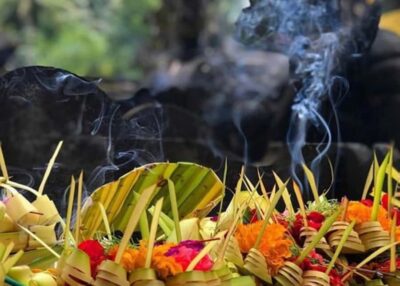
Temple Tour with Optional Spiritual Cleansing
Read our review →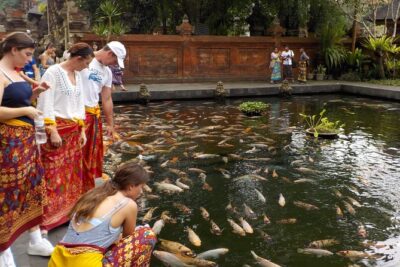
Half-Day Ubud Electric Cycling Tour to Tirta Empul Water Temple
Read our review →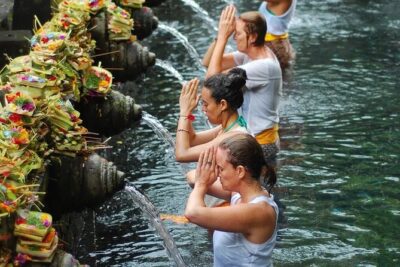
Ubud Tour – Balinese Healing By Shaman And Self Purification
Read our review →Melukat Ceremony and Temple Tour at Tirta Empul Temple
Read our review →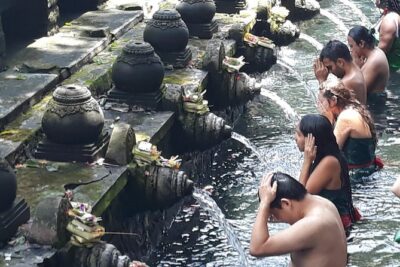
Skip the Line Tirta Empul Temple Entrance Ticket All Inclusive
Read our review →
Tirta Empul, Rice Terrace, Waterfall and Custom Tour
Read our review →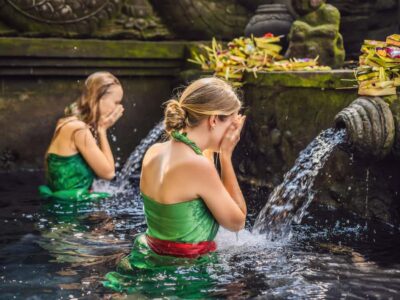
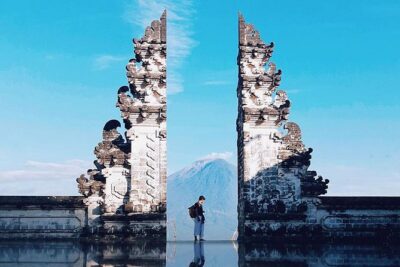
East Bali Tour: Lempuyang Temple – Gate of Heaven, Tirta Gangga, Virgin Beach
Read our review →Browse the lists this tour appears in