
Reviewed · TIRTA EMPUL PURIFICATION
Bali: Ubud Traditional Balinese Purification
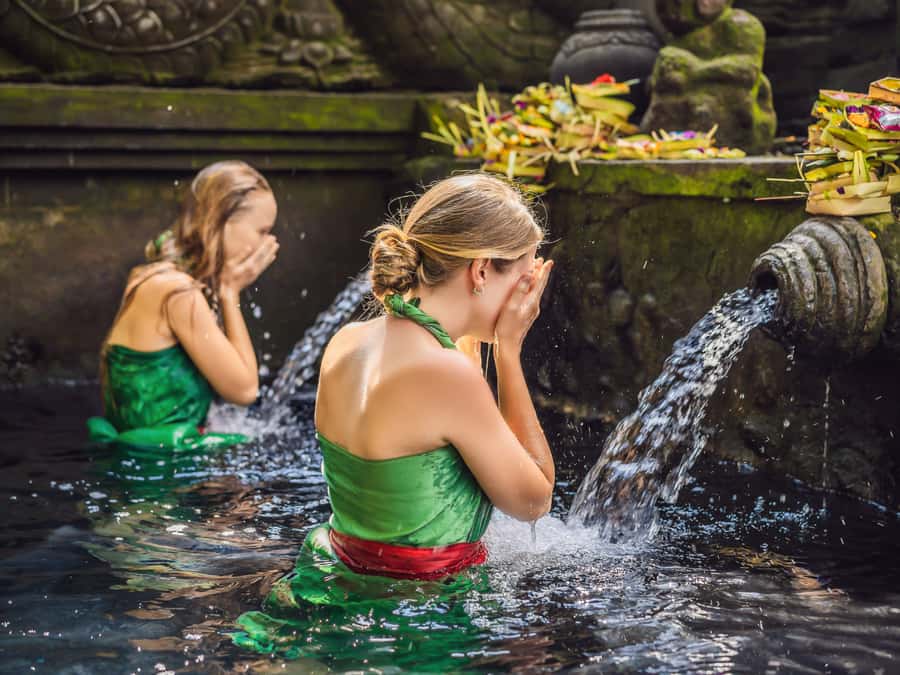
The heart of this Ubud day is the melukat purification ritual at Tirta Empul, where you enter sacred spring water, follow prayers and offerings, and let each cleansing spout mark a fresh start. It is not just temple sightseeing. You take part in a living Balinese Hindu practice under the guidance of priests.
I like two things especially: the private car gives you room to ask questions and adjust the pace, and the three stops tell different parts of Bali’s spiritual story. Guides such as Wayan Sana, Jack, and Gede Jonny are also praised for explaining customs clearly and helping with photos. The main consideration is that entrance and ritual fees, food, and personal costs are extra, so the $29 price is a starting point rather than the final bill.
In This Review
- Key points to know before booking
- Why the melukat ritual is the real reason to go
- Goa Gajah, the cave with a fierce face
- Tirta Empul and the water purification
- Gunung Kawi, royal shrines cut into stone
- A private car makes the six-hour schedule easier
- What the $29 price really covers
- Practical preparation for a respectful visit
- Who will get the most from this Ubud experience
- Should you book the purification tour?
- FAQ
- How long does the Ubud purification tour last?
- Where does pickup take place?
- Which sites are included?
- What happens during the melukat ritual?
- Are entrance fees included in the price?
- Are meals included?
- Can women who are menstruating join the purification?
- Can I cancel or pay later?
Key points to know before booking
- The purification takes place at Tirta Empul, with prayers, offerings, and holy water blessings led according to Balinese custom.
- Goa Gajah and Gunung Kawi add historical depth, so the day is more than a single bathing ceremony.
- You get a private group and hotel pickup from Ubud or nearby areas, with an English-speaking driver.
- The schedule gives Tirta Empul 2.5 hours, enough time for temple viewing and the water ritual without a rushed visit.
- Guides often add useful personal help, including photos, sarong guidance, locker directions, cultural explanations, and occasional suggestions for coffee or food.
- Women who are menstruating cannot join the purification ritual or enter the temple area, in line with Balinese Hindu customs.
Why the melukat ritual is the real reason to go
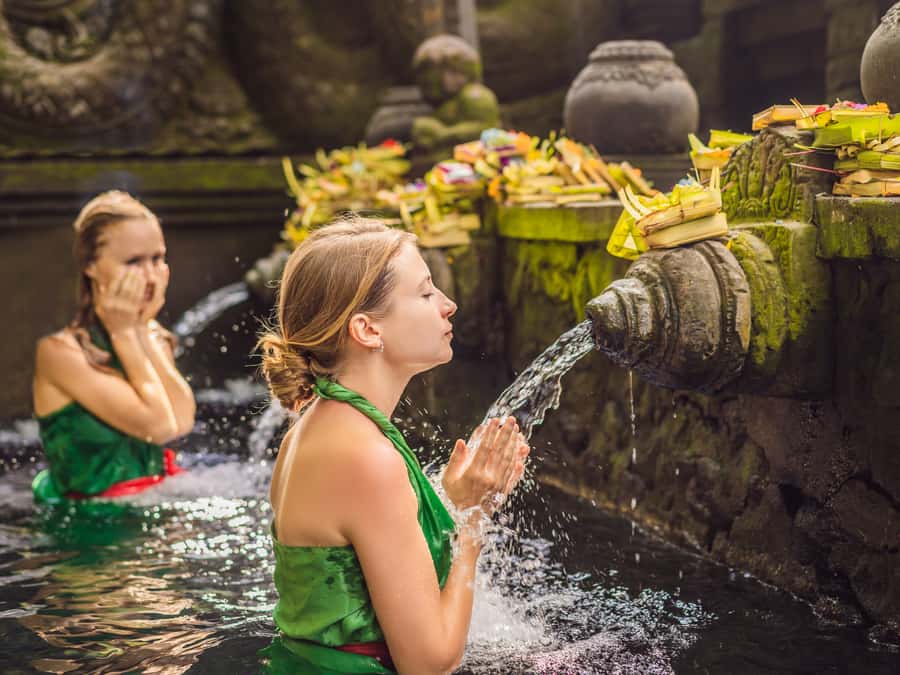
Many Ubud temple trips leave you looking at carved gates and taking a few photographs. This one asks you to participate. Melukat is a Balinese purification practice intended to cleanse the body, mind, and spirit. At Tirta Empul, you follow a set sequence involving prayer, offerings, and holy water.
The experience is meaningful because the ritual is not presented as a stage show. You are entering a place that Balinese Hindus regard as sacred, and you must behave with care. Your guide helps you understand what to do, but the priest leads the religious part. That distinction matters. You are taking part respectfully, not pretending to become an expert in Balinese faith during one afternoon.
The water ritual is also physical. One detailed account describes walking waist-high into the water, changing into swimwear, and using a changing room and locker for bags. Bring a swimsuit or other suitable clothing, but keep a respectful cover-up or sarong ready for the temple grounds. Your guide can help with sarong arrangements and locker directions, though these practical extras are not part of the $29 package.
I like the way the ritual gives the day a clear purpose. Goa Gajah and Gunung Kawi help you understand Bali’s religious past, while Tirta Empul lets you experience a custom that still matters today. You will not simply collect temple names. You will have a better sense of how water, prayer, offerings, and community fit together in Balinese spiritual life.
More Tirta Empul purification ceremonies:
- Tirta Empul: Temple Tour with Optional Spiritual Cleansing
★ 4.9 · 1,257 reviews - Half-Day Ubud Electric Cycling Tour to Tirta Empul Water Temple
★ 5.0 · 315 reviews - Ubud Tour – Balinese Healing By Shaman And Self Purification
★ 5.0 · 236 reviews
Goa Gajah, the cave with a fierce face
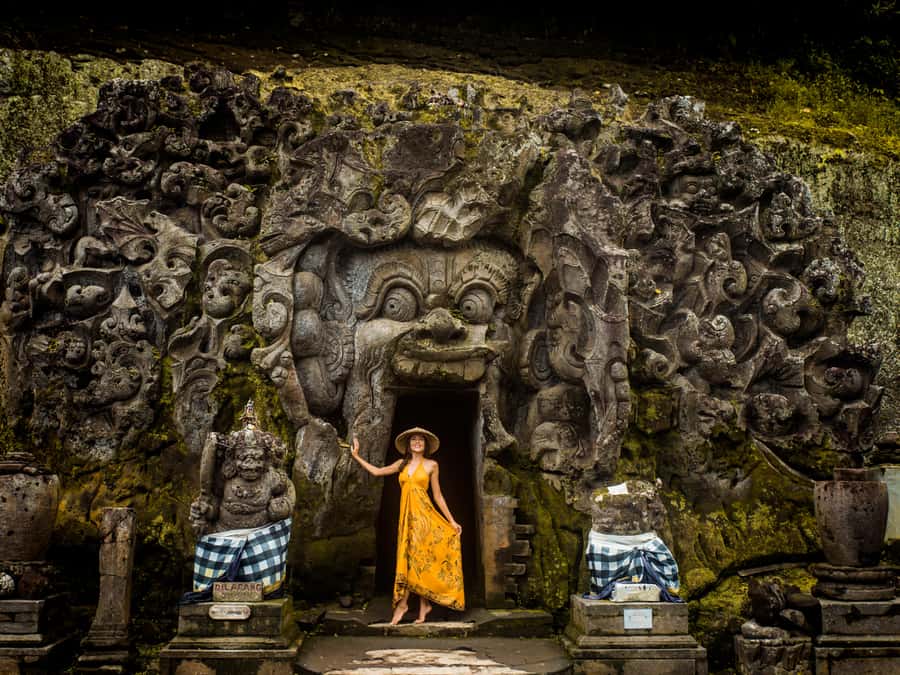
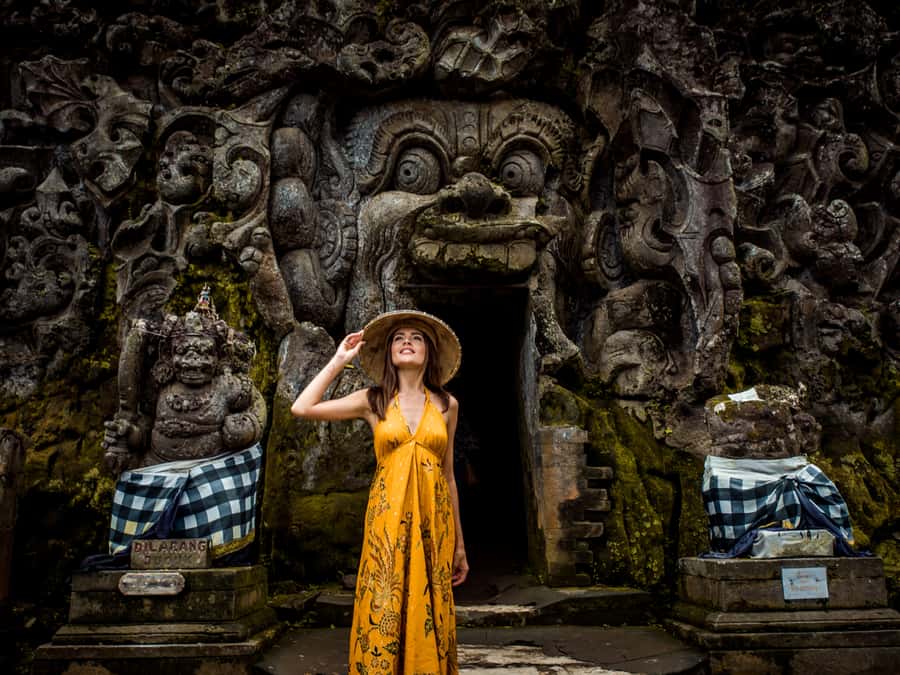
The first sightseeing stop is Goa Gajah, also called Elephant Cave, in Bedulu. The site dates to the ninth century and is known for a cave entrance covered with carvings of demons, mythical beings, and Hindu figures. The doorway has a powerful, almost theatrical look, but the purpose of the place was quieter: it served as a setting for meditation and spiritual reflection.
You have about 1.5 hours here. That is a useful amount of time for looking closely at the carvings, hearing the site’s story, and taking in the surrounding grounds without racing through. Ask your driver to explain which parts are Hindu and which reflect the site’s Buddhist connections. Goa Gajah is often described as one place, but its religious influences are more layered than the name suggests.
This stop works best when you pay attention to details rather than trying to see everything at speed. The cave itself is compact, and the carved entrance is the obvious photograph. The value comes from understanding why a dark, enclosed space would appeal to people seeking quiet and concentration.
The grounds also provide a gentler introduction to temple etiquette before the more involved ritual at Tirta Empul. Listen to your guide about where to walk, what to wear, and how to behave near worshippers. Admission is not included, so keep some money available for entrance charges at the sites.
Tirta Empul and the water purification
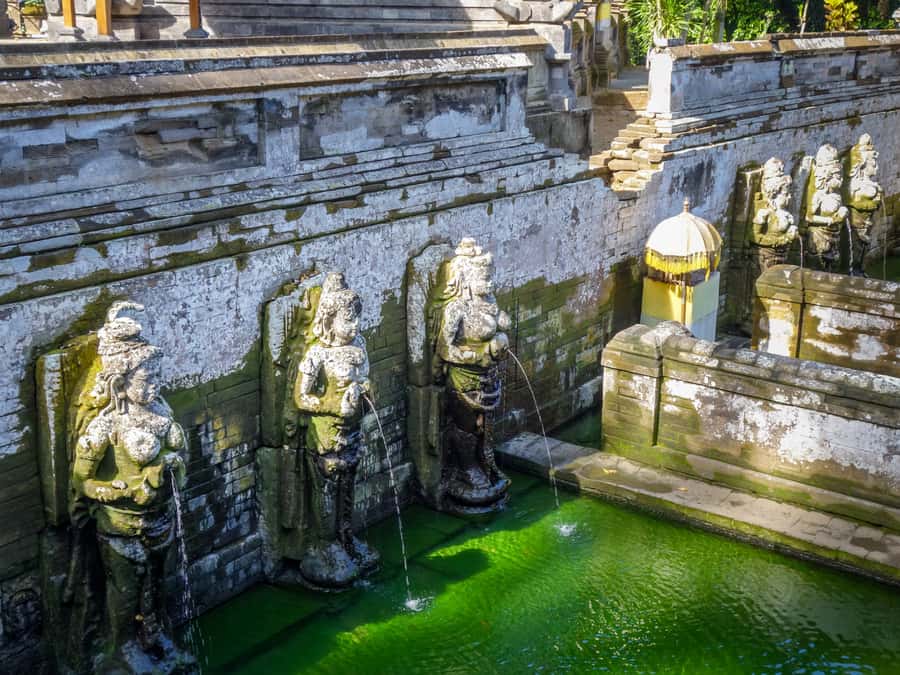
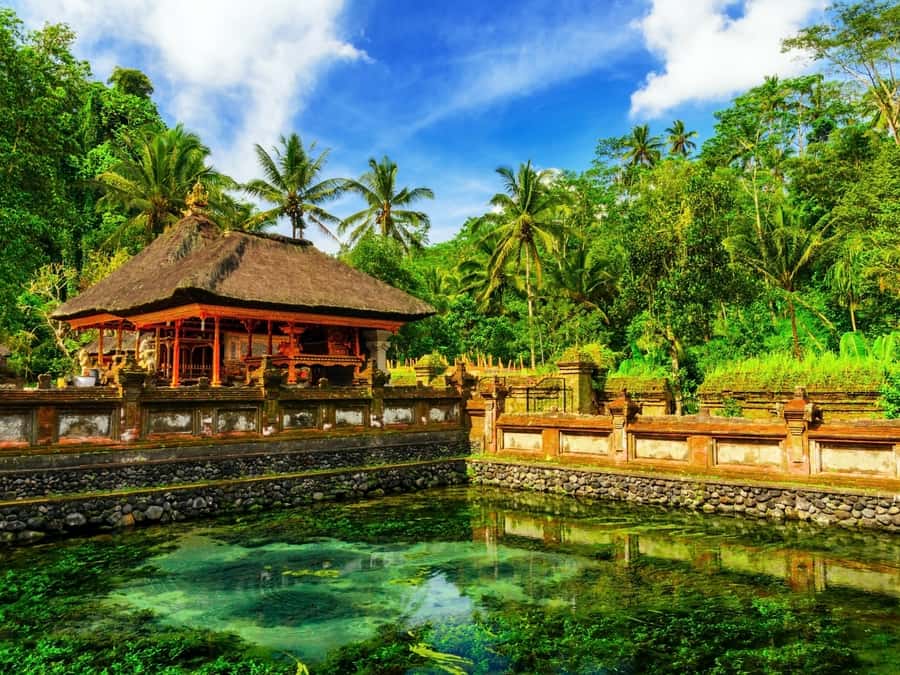
Tirta Empul is the main event, and the itinerary allows 2.5 hours here. The temple complex dates to the tenth century and is dedicated to Vishnu. Its sacred spring feeds a bathing pool where participants move through a series of cleansing points under religious guidance.
You do not simply arrive, jump in, and copy the nearest person. The melukat ritual involves prayers, offerings, and holy water blessings. A priest guides the ceremony, while your English-speaking driver or guide explains the cultural meaning and helps you follow the process correctly.
The order and details of the ritual are important, so this is where the quality of your guide makes a real difference. Jack has been praised for answering questions and explaining the ceremony. Wayan Sana is noted for staying close through the experience, helping with photographs, and sharing the stories behind Balinese customs. Gede Jonny is also praised for showing guests where to obtain sarongs and lockers, and for explaining the meaning of the different ritual steps.
Do not treat the water as a swimming pool. You are taking part in a religious act. Dress modestly, follow the priest’s instructions, and avoid turning the ceremony into a noisy photo session. Your guide may take pictures at suitable points, which is useful because you will be occupied with the ritual itself.
The setting can feel especially active on a local holy day. One couple happened to visit during a full moon, and another joined during a local ceremony. These occasions may add a stronger sense of place, but they can also mean more people and a slower pace. The tour’s private format helps you manage the day, though it cannot remove the crowds or religious activity that naturally occur at an important temple.
You should also plan around the menstruation restriction. Women who are on their period are not permitted to enter the temple area or take part in the purification ritual. This is a Balinese Hindu custom, not a rule invented for the tour, so check your plans before booking. It is the single most important eligibility point.
Gunung Kawi, royal shrines cut into stone
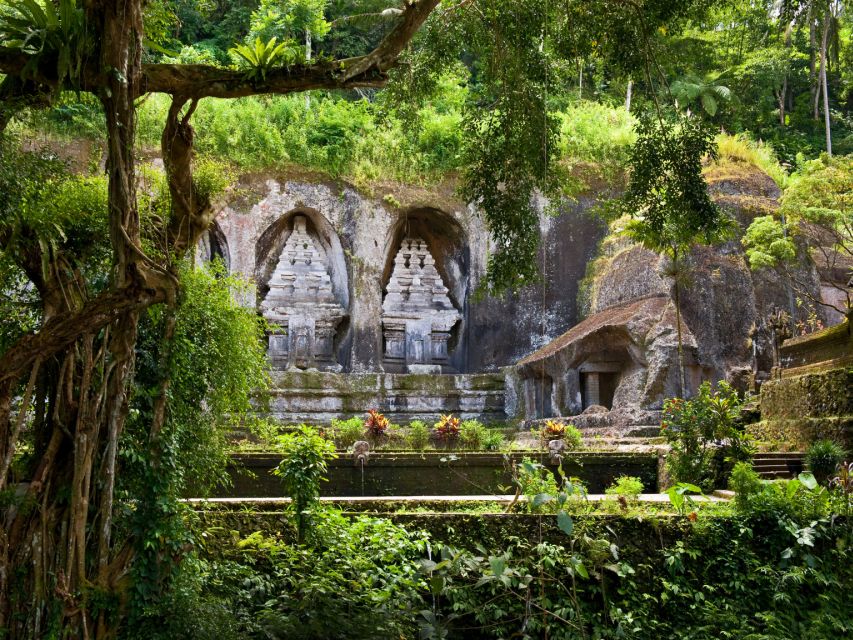
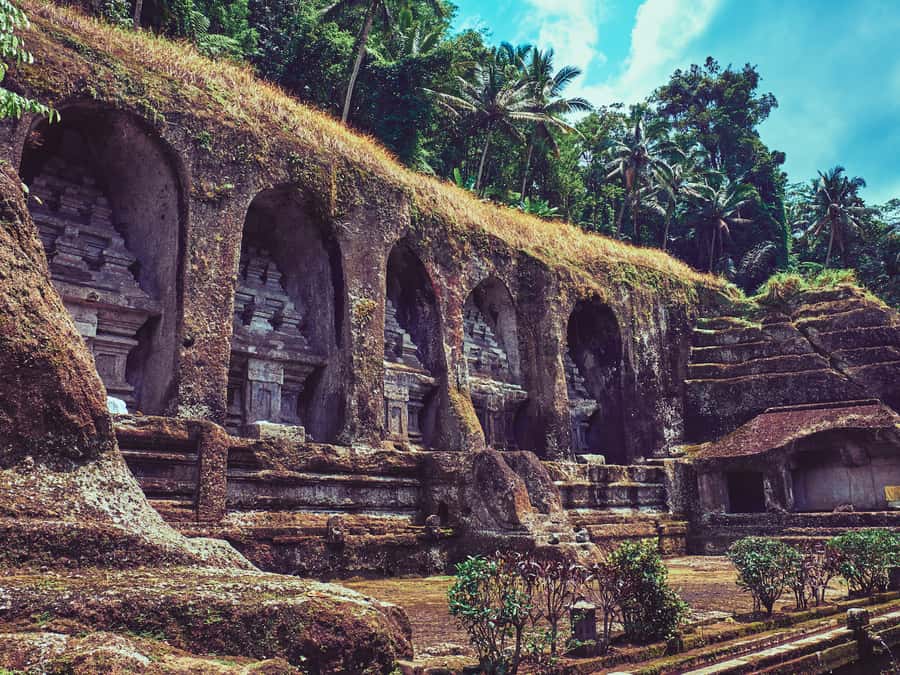
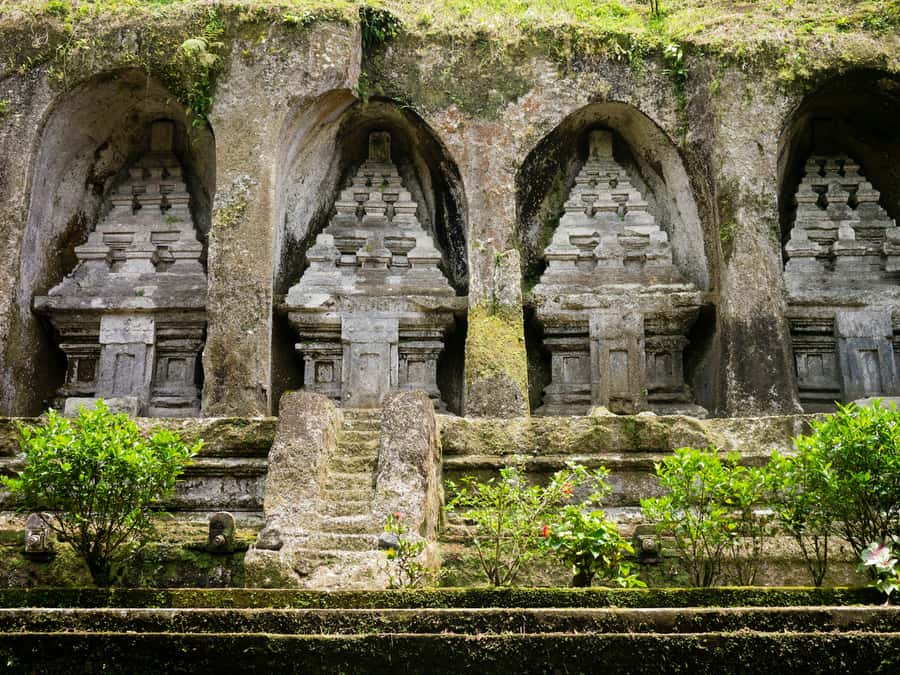
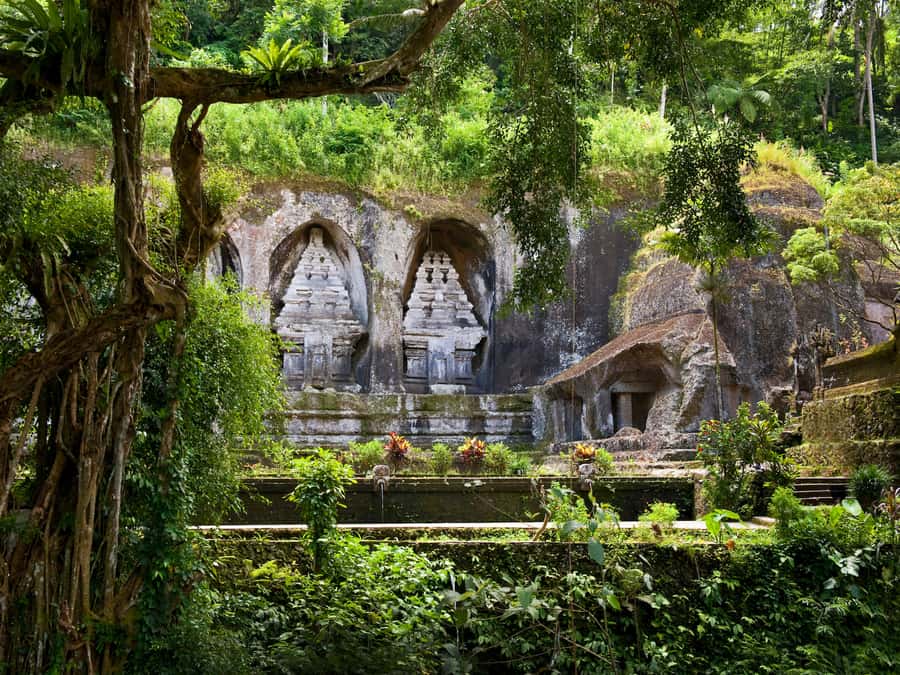
After Tirta Empul, the route continues to Gunung Kawi Temple for about an hour. This eleventh-century complex is known for monumental shrines cut directly into the rock. The carvings honor King Anak Wungsu and his queens, and the site sits among rice terraces and river valleys.
Gunung Kawi feels different from Goa Gajah. The cave at Goa Gajah draws you inward, while Gunung Kawi opens into a larger setting of stone, greenery, terraces, and valley views. The carved shrines are impressive, but the setting helps explain why this was chosen as a place of remembrance and worship.
An hour gives you time to see the main features and hear the basic story. If you like ancient architecture, this may be the most visually striking stop. If you dislike stairs or extended walking, ask about the route before setting out. The supplied details do not give an accessibility assessment, so you should not assume the complex will suit every mobility level.
The guide’s explanation is valuable here. Without context, the stone monuments can look like mysterious decorations. With a clear account of the royal connections and religious purpose, they become part of Bali’s long story of kingship, worship, and sacred places.
A completely different day out, same corner of Ubud:
- All-Inclusive Ubud Private Tour
★ 5.0 · 14,344 reviews - Best of Ubud Full-Day Tour with Jungle Swing
★ 5.0 · 8,571 reviews - Ubud: Monkey Forest, Jungle Swing, Rice Terrace, and Water Temple
★ 5.0 · 7,160 reviews - Ubud: Waterfalls, Water Temple & Rice Terraces Private Tour
★ 5.0 · 5,484 reviews
A private car makes the six-hour schedule easier
The tour lasts six hours and starts and ends in Ubud. Pickup is included from your hotel or villa in Ubud or nearby areas. You wait in the lobby at the stated time, ready to show the online ticket before boarding.
The vehicle is a practical part of the experience. Ubud sightseeing involves several separate sites, and a private car saves you from arranging transport between them. The group is private, so you can ask questions without addressing a busload of strangers. You may also have some flexibility if conditions change, though the exact amount depends on the driver and the day.
The transport receives a 94 percent perfect score, and the strongest comments focus on the drivers rather than luxury features. Cars are described as comfortable and clean, with bottled water supplied by Gede Jonny. Dewa is praised for handling a change of plans and helping with a hotel transfer. Other guides have added a coffee stop, rice-field visit, restaurant suggestion, or photo stop when time allowed.
That flexibility is useful, but you should keep your expectations sensible. The advertised route includes Goa Gajah, Tirta Empul, and Gunung Kawi. Rice terraces, coffee tasting, refreshments, or a restaurant recommendation may be offered, but they are not guaranteed inclusions. Treat them as possible additions, not reasons to book the tour.
The driver’s role is central. This is described as an English-speaking driver-led tour, not a formal specialist lecture with a separate historian at every site. The best experience will come from asking questions. Ask about offerings, temple rules, the water ritual, and the stories connected with each place. Guides such as Wayan Sana, Jack, Made, and Gede Jonny have been singled out for friendly conversation and cultural explanations.
What the $29 price really covers
At $29 per person, this is an inexpensive way to arrange a private Ubud day. You receive hotel pickup, transport, a driver-led visit to three major sites, and parking fees. For a couple or small group, the convenience alone can make the price attractive, especially if you would otherwise need to negotiate separate transport.
The price does not include admission fees for attractions or activities. It also excludes meals, personal purchases, extra snacks, souvenirs, and optional experiences. Some refreshments may be provided, but you should budget for lunch and any temple or ritual charges separately.
This distinction is important because the purification is the feature you are most likely to value, yet the ritual cost is not included in the advertised price. Confirm the current entrance and ceremony charges before you go. You should also carry money for any sarong arrangements or other site-related needs, since the tour information does not promise that these costs are covered.
For value, I would judge this as a transport-and-guidance package rather than an all-inclusive excursion. It is strongest for people who want a private vehicle, a set route, and help making sense of the religious customs. It is less attractive if you expect every entrance ticket, meal, and activity to be bundled into the headline price.
Free cancellation up to 24 hours before departure and reserve-now, pay-later booking add useful flexibility. Starting times depend on availability, so check the schedule before you commit.
Practical preparation for a respectful visit
Wear clothing that can handle water and temple rules. A swimsuit is practical for the waist-high section of the purification, but you should also bring a cover-up or sarong for moving around the temple. The guide can help you find a sarong and locker, but do not assume these are included in the base cost.
Bring a dry change of clothes, a towel, and a waterproof way to protect your phone. These are sensible items for any water-based activity, though the tour details do not promise that towels or dry bags are supplied.
Eat before departure or plan to buy lunch during the day. Meals are not included. Bottled water has been supplied by at least one driver, but carrying your own refillable bottle is still sensible.
Arrive in your hotel lobby on time and make yourself easy to identify. Pickup coordination can happen by phone, so keep the contact details from your booking available. The tour ends back in Ubud, which makes it convenient to plan an evening there.
Most of all, bring patience. Tirta Empul is an active place of worship. A full moon or local ceremony can change the pace, and the ritual should not be hurried to protect a sightseeing schedule.
Who will get the most from this Ubud experience
I would choose this tour if you want more than photographs and prefer a personal explanation of Balinese religion. It suits couples, small private groups, and first-time visitors who want a structured day without joining a large coach.
It is also a good fit if you value a helpful driver. The strongest guide experiences involve small acts that matter: carrying bags, finding lockers, taking photographs, explaining the correct ritual steps, recommending a restaurant, or adjusting the route when possible.
You may want a different plan if you are mainly interested in long temple visits, have strict mobility needs, or want a fully inclusive price. The schedule is fairly full, and the stops involve walking. It also cannot accommodate women who are menstruating in the temple or purification portion.
The booking score is 4.5 out of 5 from 73 ratings, and guide names recur in the positive feedback. Wayan Sana, Jack, Gede Jonny, Dewa, and Made are all associated with friendly service, cultural explanations, and practical help. Driver quality can vary on any departure, but this pattern suggests that the human side of the tour is one of its best assets.
Should you book the purification tour?
Book it if the melukat ceremony is your main interest and you want Goa Gajah and Gunung Kawi to give it context. The private car, Ubud pickup, English-speaking driver, and six-hour format make the day easy to arrange, while the priest-led ritual offers a real connection with Balinese practice.
Just budget beyond the $29 headline price, respect the temple rules, and prepare for wet clothing and walking. If you want an affordable, personal introduction to Ubud’s sacred sites, this is a strong choice. If you want an all-inclusive day with no extra fees or a purely sightseeing-focused route, look elsewhere.
FAQ
How long does the Ubud purification tour last?
The experience lasts six hours, including pickup in Ubud, visits to Goa Gajah, Tirta Empul, and Gunung Kawi Temple, and return to Ubud.
Where does pickup take place?
Pickup is included from hotels or villas in Ubud and nearby areas. You should wait in the lobby at the scheduled time and have your online ticket ready for the driver.
Which sites are included?
The route includes Goa Gajah, Tirta Empul, and Gunung Kawi Temple. The itinerary allows about 1.5 hours at Goa Gajah, 2.5 hours at Tirta Empul, and one hour at Gunung Kawi.
What happens during the melukat ritual?
You take part in a Balinese purification ceremony involving prayers, offerings, and holy water blessings. A priest guides the ritual at Tirta Empul.
Are entrance fees included in the price?
No. Admission fees for attractions and activities are not included in the $29 price.
Are meals included?
No. Meals are not included. Some refreshments may be provided, but you must pay for lunch, dinner, snacks, and personal purchases.
Can women who are menstruating join the purification?
No. Women who are on their period are not permitted to enter the temple area or participate in the purification ritual under Balinese Hindu customs.
Can I cancel or pay later?
You can cancel up to 24 hours in advance for a full refund. The reserve-now, pay-later option lets you book without paying on the day of booking.
Just added around Ubud
- Authentic hike in the forest with lunch at the inhabitant★ 5.0 · 3 reviews
- Heaven Gate, Tirtagangga and Tukad Cepung Waterfall – All Inclusive★ 5.0 · 3 reviews
- Half Day Uluwatu Temple Sunset, Kecak Dance and Seafood Dinner★ 3.5 · 3 reviews
- Ubud: White Water Rafting with visit Ubud Monkey Forest★ 5.0 · 3 reviews
- ️Bali All Inclusive Tour: Ubud – Tegalalang – Kintamani★ 5.0 · 3 reviews
- East Bali and Lempuyang Temple Tour★ 5.0 · 3 reviews
- Ubud: Temple, Swing, Waterfall, Rice Terrace & Monkey Forest★ 5.0 · 3 reviews
- Blue Lagoon Snorkeling and Lunch with Tukad Cepung Waterfall★ 5.0 · 3 reviews
Tirta Empul Purification, compared.
Temple Tour with Optional Spiritual Cleansing
Read our review →
Half-Day Ubud Electric Cycling Tour to Tirta Empul Water Temple
Read our review →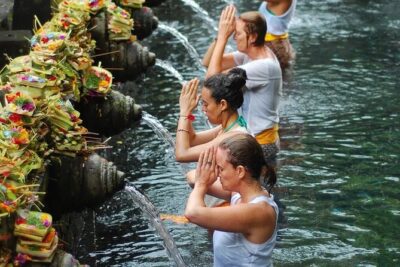
Ubud Tour – Balinese Healing By Shaman And Self Purification
Read our review →Melukat Ceremony and Temple Tour at Tirta Empul Temple
Read our review →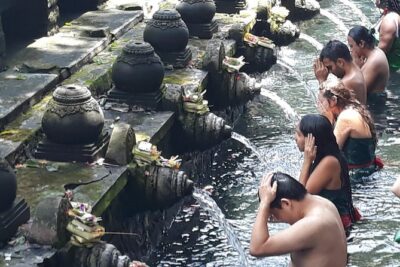
Skip the Line Tirta Empul Temple Entrance Ticket All Inclusive
Read our review →
Tirta Empul, Rice Terrace, Waterfall and Custom Tour
Read our review →
East Bali Tour: Lempuyang Temple – Gate of Heaven, Tirta Gangga, Virgin Beach
Read our review →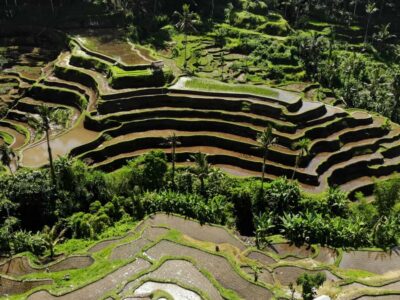
Tirta Empul Water Purification Ritual, Private Tour
Read our review →Browse the lists this tour appears in