
Reviewed · BALINESE DANCE SHOWS
Ubud: Balinese Dance Class with Local Instructor
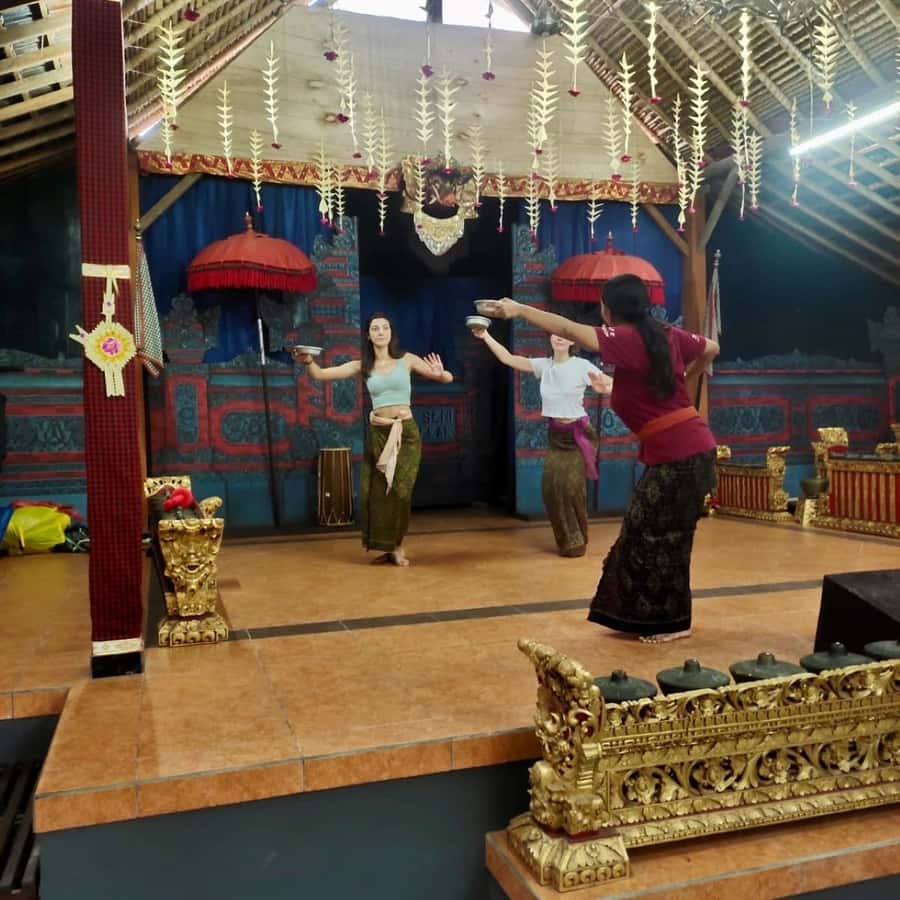
Balinese dance is not just a sequence of steps. Your hands, eyes, knees, and posture all carry meaning. In this Ubud class, you learn the welcoming Pendet Dance and the bold Baris Dance, then try their gestures yourself under patient, step-by-step guidance.
I like the personal pace, which can make a big difference for beginners, and I like the simple costume pieces and photo time, which turn a lesson into a cultural memory. The main consideration is that the meeting point can change with the option you book, so check the details carefully and arrive 10 minutes early.
In This Review
- Key points to know
- Why this Ubud dance class feels different
- Learning Pendet, the graceful welcome
- Trying Baris, the warrior dance
- Costumes, scarves, and the photo session
- The open-air studio in Ubud
- How personal is the instruction?
- Who will get the most from it?
- Is $21 a fair price?
- Timing, booking, and small practical details
- My recommendation: book it if you want to participate
- FAQ
- How much does the Balinese dance class cost?
- How long does the class last?
- Which Balinese dances will I learn?
- Is the class suitable for beginners?
- What language does the instructor speak?
- What should I bring?
- Are costumes included?
- Can I cancel the booking?
- Where does the class meet?
Key points to know
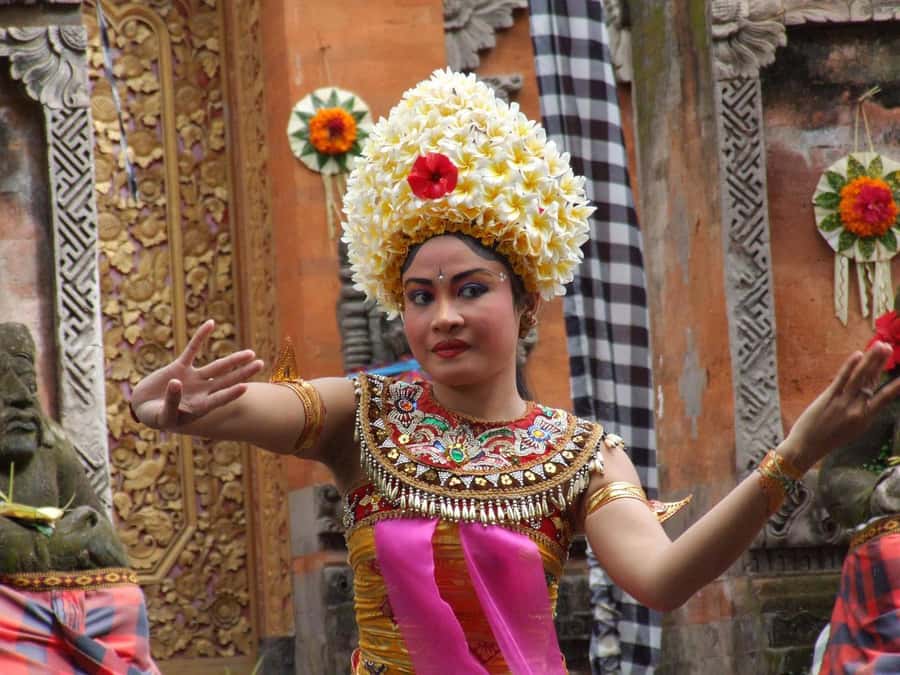
- Two contrasting dances: Learn Pendet, a graceful welcoming dance, and Baris, a warrior dance linked with strength and courage.
- Clear beginner instruction: The English-speaking teacher demonstrates movements slowly and adjusts the pace to your level.
- Personal class feel: Some sessions are private, making them suitable for solo visitors, couples, or families.
- Practice with traditional touches: Use simple costumes or scarves while working on poses and gestures.
- Open-air setting: The studio is surrounded by nature, offering a relaxed change from a standard indoor activity.
- Good value at $21: For one to two hours of personal cultural instruction, the price is reasonable, especially if your class is private.
Why this Ubud dance class feels different
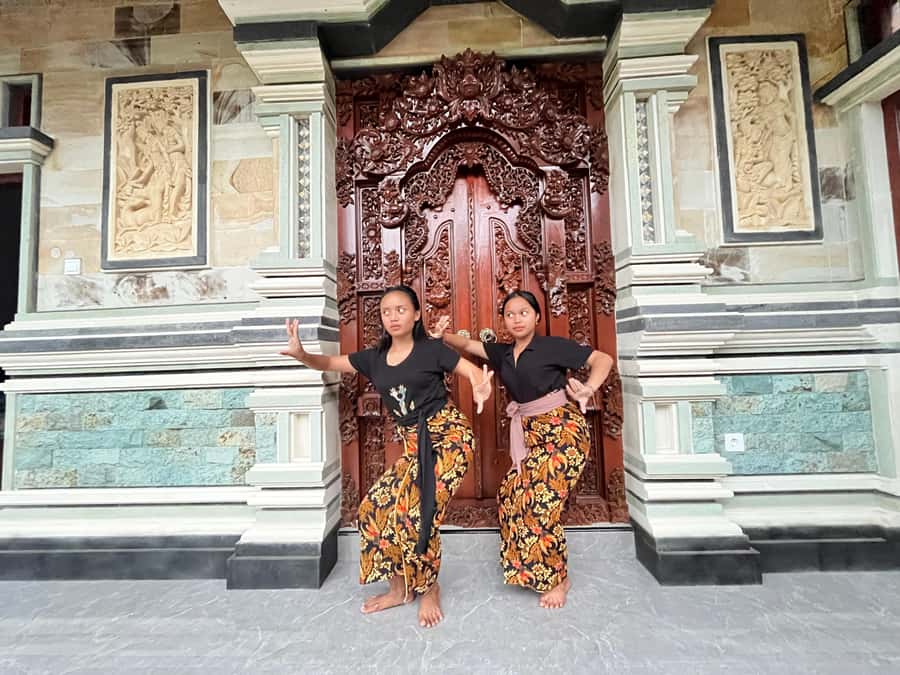
Many cultural activities let you watch. This one asks you to pay attention with your whole body. You do not simply hear that Balinese dance uses precise hand positions or expressive eyes. You try those movements, repeat them, and learn why they matter.
The lesson begins with an introduction to Balinese dance and its cultural meaning. That opening matters because the movements can otherwise seem decorative or difficult to remember. Once you understand that Pendet expresses welcome, devotion, and beauty, its softer gestures make more sense. Baris has a different mood. Its stronger posture and sharper movements suggest a warrior preparing for action.
That contrast gives the class a useful shape. You start with grace and welcome, then move toward strength and courage. I prefer this kind of introduction to a class that jumps straight into choreography, since it gives you a reason to care about the movement instead of treating it as a series of exercise steps.
The class is taught in English by a local instructor. Clear demonstration is especially important here, since Balinese dance is not easy to explain with words alone. A teacher may show the movement, let you copy it, then correct your posture or timing. The information provided for this experience makes it clear that the class is designed for beginners, not trained dancers.
More Balinese dance evenings:
- Bali: Ubud Palace Legong Dance Show Ticket
★ 4.4 · 3,979 reviews - Uluwatu Sunset, Kecak Dance, and Dinner Jimbaran Beach
★ 5.0 · 3,681 reviews - Bali: Ubud Kecak and Fire Dance Show Tickets
★ 4.4 · 2,631 reviews
Learning Pendet, the graceful welcome
Pendet is the gentler half of the class. It is described as a welcoming ritual connected with devotion and beauty, so expect the lesson to focus on graceful poses, controlled gestures, and expressive movement rather than speed.
You will be guided through the basics one piece at a time. That sounds simple, but it is exactly what you want when several things happen at once: the hands take one position, the eyes follow a direction, and the body holds a particular stance. The instructor’s job is to break that pattern into parts you can manage.
I like that the class explains the meaning behind the dance before asking you to perform it. A few minutes of cultural context can change how you hold a pose. You are no longer copying a shape for a photograph. You are trying to express welcome and respect through the body.
Do not expect to master a full professional performance in one short session. The goal is a basic introduction and a chance to learn selected movements. If you have never studied dance, your first attempt may feel stiff. That is normal. The class is built around repetition and patient guidance rather than instant perfection.
This portion should suit families and mixed-ability groups well. One family class included a five-year-old child, and the activity is described as suitable for beginners. Still, very young children may lose interest if they are not ready to follow instructions. Babies under one year are specifically listed as unsuitable.
Trying Baris, the warrior dance
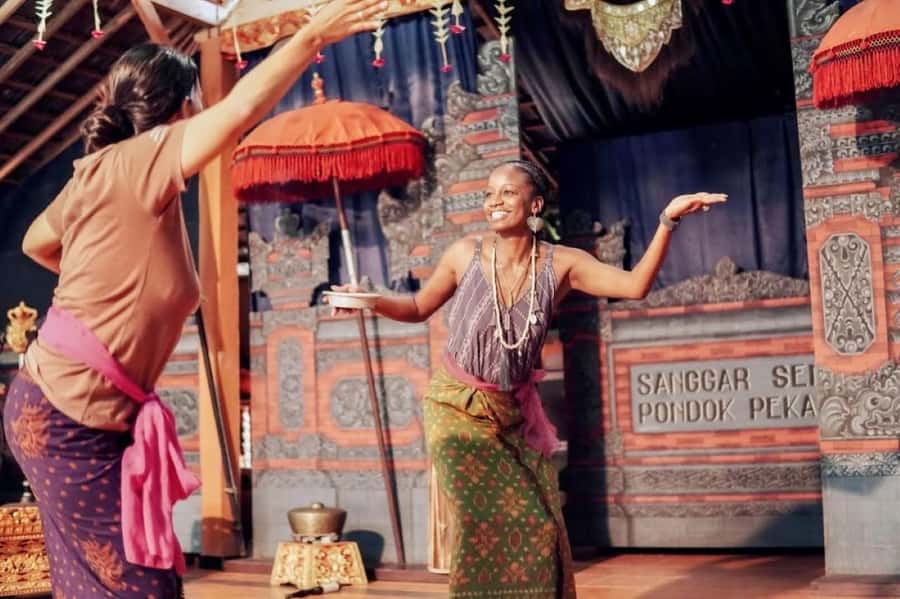
Baris changes the energy of the lesson. This dance represents strength and courage, so the gestures and stance feel more forceful than those of Pendet. It gives you a chance to work on a different side of Balinese performance, with less emphasis on softness and more on presence.
The instructor demonstrates the movements step by step, at a pace suited to your level. That personal adjustment is one of the strongest reasons to book this experience instead of trying to copy a performance from a video. The teacher can slow down, repeat a section, or give you a simpler way to remember the order.
One participant completed a three-minute dance by the end of the class. That does not mean every session will follow the same exact format, but it gives you a useful idea of the possible finish: a short sequence that brings the separate steps together.
You should also expect some conversation between practice sections. The class is not described as nonstop dancing. Breaks offer time to ask about the movements, Balinese culture, or the meaning of what you are doing. For many people, these exchanges will be as useful as the physical lesson.
If you are already trained in classical dance, you may appreciate the discussion of posture, beauty, and intention at a more detailed level. One participant with a background in traditional dance found the chance to consider the meaning of the movements particularly worthwhile. Beginners, though, are the main audience.
Costumes, scarves, and the photo session
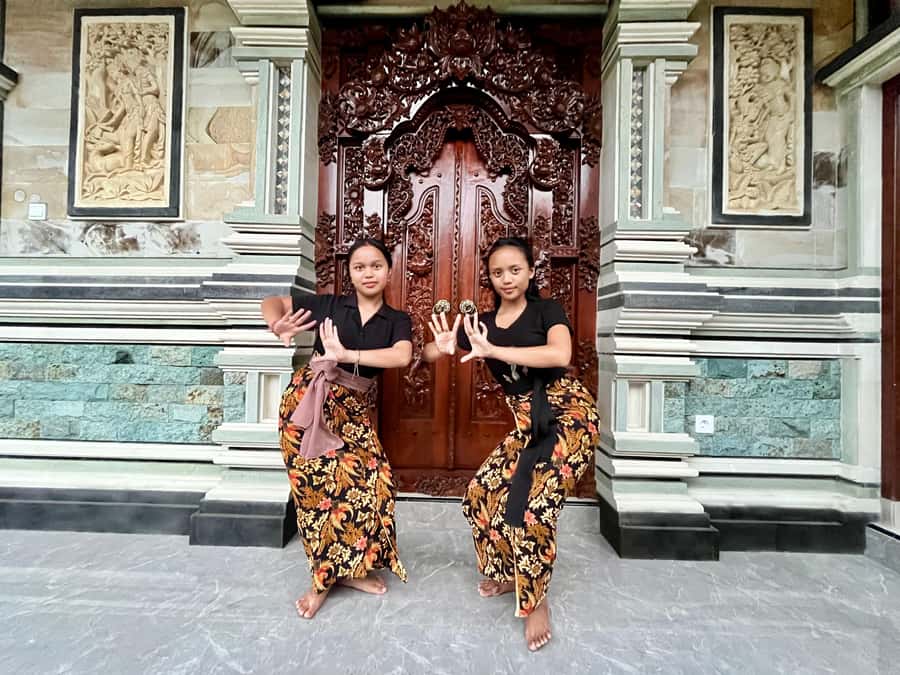
You use simple traditional costumes or scarves during practice. This is not the same as being dressed in a full stage costume, and it is best to keep your expectations sensible. The costume pieces add a visual and physical connection to the lesson without turning the experience into a formal performance.
The practical benefit is that a scarf can help you feel the shape of a gesture. It also makes the final photographs more distinctive than ordinary vacation snapshots. You will have time to pose in traditional dance positions, so bring a camera or make sure your phone is ready.
The photo portion works best when you treat it as a record of what you learned, not as a separate photo shoot. Try to remember one or two gestures and the posture that goes with them. A picture has more meaning when you can explain that the pose came from Pendet or Baris.
Wear comfortable clothes beneath whatever is provided. You may need to move your arms and legs freely, and you will be more relaxed if your clothing does not restrict you. You are asked to arrive 10 minutes early so you can change and settle in before instruction begins.
A few more Ubud half-days to weigh up
- Hands-On Silver Jewelry Making Near Ubud’s Monkey Forest
★ 4.9 · 1,789 reviews - Ubud Cooking Class Bali with Balinese Chef
★ 5.0 · 1,609 reviews - Ubud Silver Class Jewelry making in bali
★ 5.0 · 978 reviews - Ubud: Cooking Class with Transfers and Optional Market Visit
★ 4.9 · 824 reviews
The open-air studio in Ubud
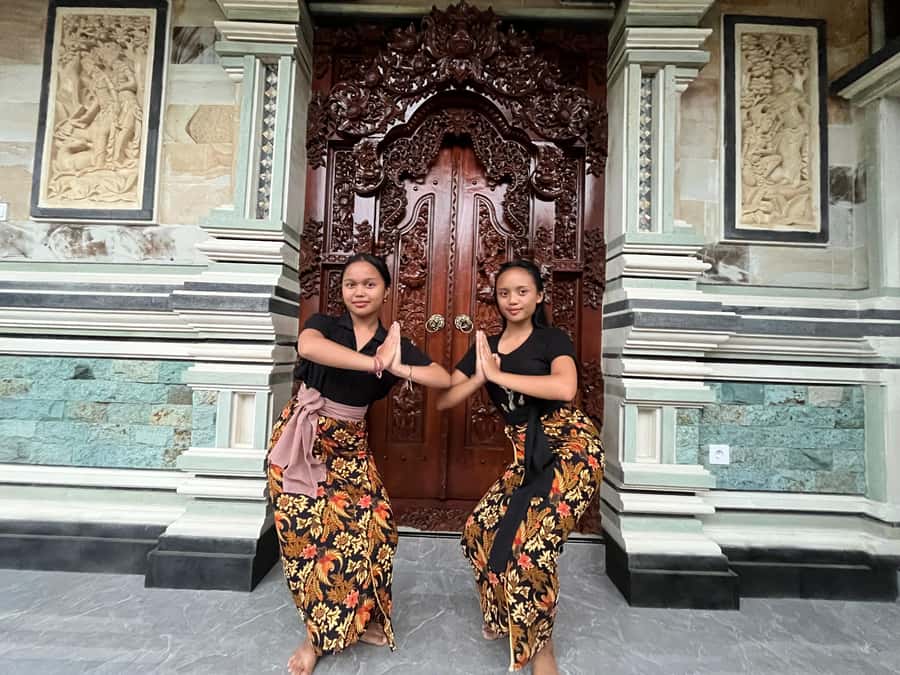
The class takes place in an open-air studio surrounded by nature. That setting gives the activity a distinctly Ubud feel and keeps the lesson connected to its surroundings rather than placing it in a generic meeting room.
The exact meeting point may vary depending on the booking option. One class took place in a downtown library, where another visitor was learning basket weaving at the same time. That detail suggests the experience may sometimes take place in a local community setting rather than only in a dedicated dance school.
This variety is worth keeping in mind. You should not assume every session will look identical or that every class will have the same surrounding activity. Check your confirmed meeting instructions and make sure the WhatsApp number you provide is correct, since the provider uses it to contact you about availability.
There is no stated transport service, hotel pickup, or meal included. Plan your route to the meeting point yourself unless your selected option says otherwise. Food is not included, but that is hardly a serious issue for a one to two-hour activity. You can easily pair the class with a meal or another Ubud stop before or afterward.
How personal is the instruction?
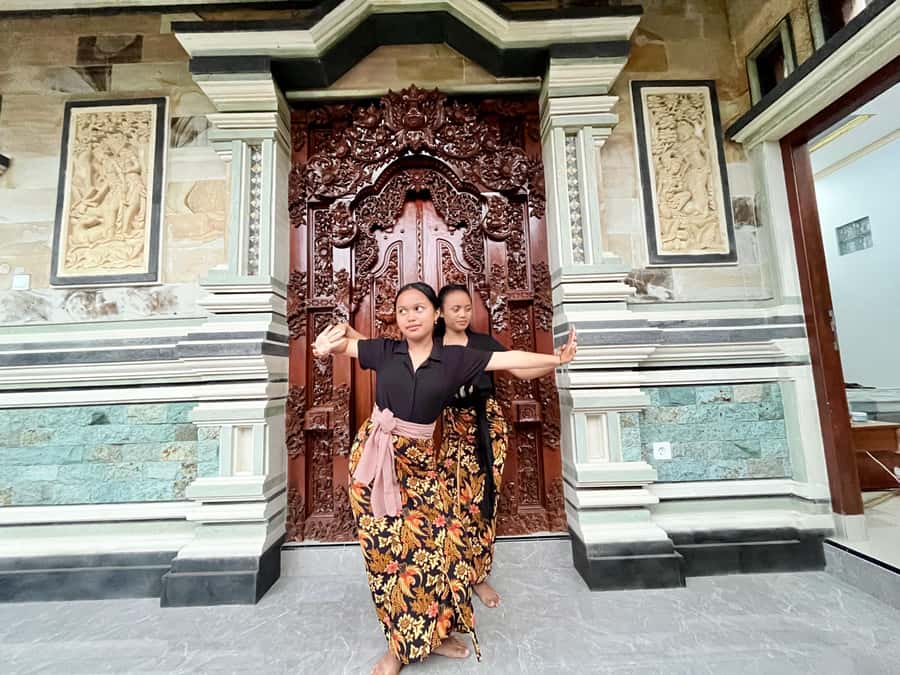
The class is presented as beginner-friendly, but the strongest feature is the potential for one-to-one attention. Some sessions are private lessons, and private bookings are especially useful if you feel awkward learning in front of a large group or if people in your party have different abilities.
A private class can also make the conversation more natural. You have room to ask why a gesture is performed a certain way, how a pose should feel, or how Pendet differs from Baris. The teacher can focus on your posture instead of giving the same correction to everyone.
That does not guarantee a private session for every booking. Read the option details before paying, especially if group size matters to you. Families and friends may enjoy sharing the class, while solo visitors may prefer the focus of an individual lesson.
The teaching style appears suited to people who do not speak English with complete confidence. The class is conducted in English, but movement demonstrations support the spoken instructions. If you are worried about language, watch the teacher closely and ask for a repeat when needed. Dance instruction often crosses language barriers better than a lecture does.
Who will get the most from it?
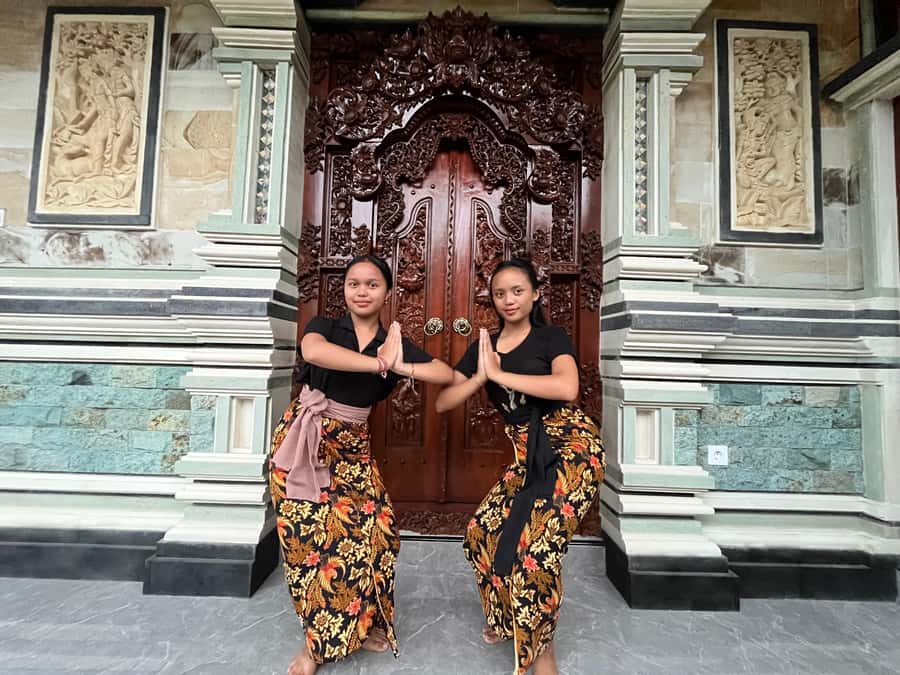
I would recommend this class to several kinds of visitors:
- First-time visitors to Bali: You get a direct introduction to a local art form rather than only seeing it from an audience seat.
- Solo visitors: A personal lesson can be a comfortable way to meet an instructor and learn without needing a group of friends.
- Couples and friends: The class gives you a shared activity and a set of photographs that feel more personal than a standard sightseeing stop.
- Families with older babies and children: The activity can work for children who are able to follow directions, though attention spans will vary.
- People interested in dance: You can focus on posture, gesture, and intention instead of treating the lesson as a novelty.
- Visitors with limited time in Ubud: One to two hours is short enough to fit around other plans.
It may be less suitable if you want a polished stage show, a long formal course, or a meal as part of the booking. This is an introductory workshop. You will learn selected basics, not receive professional certification or a complete education in Balinese dance.
Is $21 a fair price?
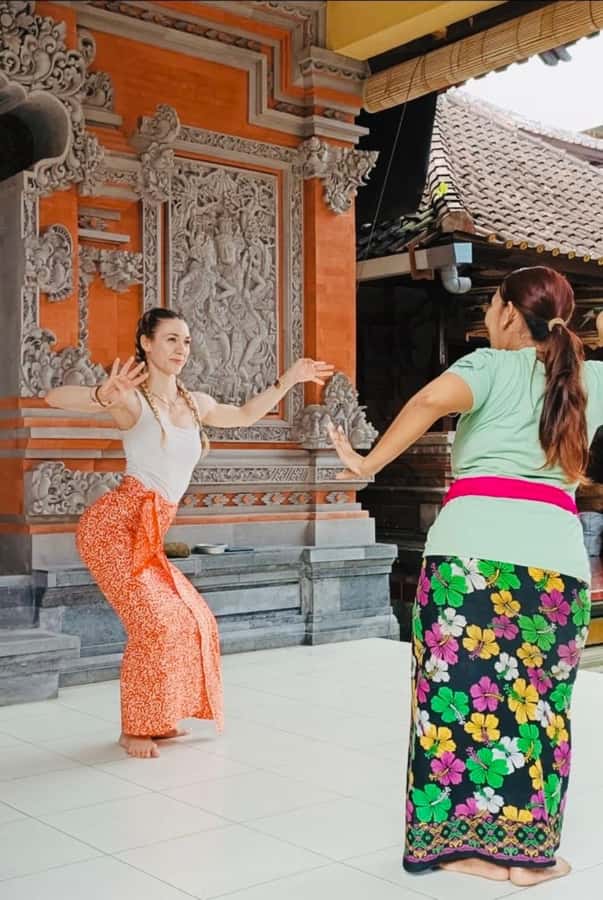
At $21 per person, the class offers good value if you want active cultural contact. The cost covers the introduction, instruction, use of simple costume pieces or scarves, the open-air setting, and time for photographs. If your option is private, the value becomes stronger because the teacher can set the pace around you.
The price is also modest compared with activities that require a full day or a major admission fee. You are paying for direct instruction and cultural explanation, not just access to a venue. That distinction matters in Ubud, where it is easy to fill a schedule with passive sightseeing.
The value depends on what you want from the hour. If you only want a quick photograph in traditional clothing, you may find the lesson longer than necessary. If you want to understand why the movements look the way they do, the instruction makes the fee more worthwhile.
No food is included, and there is no stated transport. Those omissions keep the price focused on the class itself, but you should budget time and money for reaching the meeting point and arranging your own meal.
Timing, booking, and small practical details
The duration is listed as one to two hours, with start times based on availability. That range suggests the exact length can depend on the selected option, class pace, or schedule. Check the available time before booking if you have a tight day in Ubud.
Arrive 10 minutes before the start. You need that time to change, settle in, and avoid losing part of a short lesson. Comfortable clothes and a camera are the two recommended items to bring.
The instructor speaks English. You should enter the correct WhatsApp number when booking, since the provider will use it to confirm availability and send class information. The meeting point can vary, so do not rely on a general map pin alone.
You can cancel up to 24 hours before the activity for a full refund. The reserve-now, pay-later option also helps if your Ubud schedule is still changing. It is a useful safeguard for a short activity that you may want to fit around temple visits, markets, or other plans.
My recommendation: book it if you want to participate
Book this Ubud dance class if you want more than a quick cultural photo and are willing to look a little awkward while learning. The combination of Pendet and Baris gives you two different sides of Balinese dance, while the patient instruction makes the session approachable for people with no dance background.
I especially like it for solo visitors, couples, and families who want a local activity that fits into a busy day. Choose a private option if available and if personal feedback matters to you. Bring comfortable clothes, arrive early, and check the meeting point carefully.
Skip it if you want a large-scale performance, a full costume production, or a food-based activity. For $21, though, this is a practical way to spend one to two hours learning something with cultural meaning instead of only looking at it.
FAQ
How much does the Balinese dance class cost?
The activity costs $21 per person.
How long does the class last?
The class lasts between one and two hours. Starting times depend on availability.
Which Balinese dances will I learn?
You will learn the basics of Pendet and Baris. Pendet is a graceful welcoming dance connected with devotion and beauty. Baris is a warrior dance representing strength and courage.
Is the class suitable for beginners?
Yes. The class includes step-by-step guidance and is designed for beginners.
What language does the instructor speak?
The instructor teaches in English.
What should I bring?
Bring comfortable clothes and a camera. Arrive 10 minutes early so you can change and get settled.
Are costumes included?
Simple traditional costumes or scarves are provided for use during practice.
Can I cancel the booking?
Yes. You can cancel up to 24 hours in advance for a full refund. A reserve-now, pay-later option is also available.
Where does the class meet?
The meeting point may vary depending on the option you book. Check the specific meeting details for your selected class.
Just added around Ubud
- Authentic hike in the forest with lunch at the inhabitant★ 5.0 · 3 reviews
- Heaven Gate, Tirtagangga and Tukad Cepung Waterfall – All Inclusive★ 5.0 · 3 reviews
- Half Day Uluwatu Temple Sunset, Kecak Dance and Seafood Dinner★ 3.5 · 3 reviews
- Ubud: White Water Rafting with visit Ubud Monkey Forest★ 5.0 · 3 reviews
- ️Bali All Inclusive Tour: Ubud – Tegalalang – Kintamani★ 5.0 · 3 reviews
- East Bali and Lempuyang Temple Tour★ 5.0 · 3 reviews
- Ubud: Temple, Swing, Waterfall, Rice Terrace & Monkey Forest★ 5.0 · 3 reviews
- Blue Lagoon Snorkeling and Lunch with Tukad Cepung Waterfall★ 5.0 · 3 reviews
Balinese Dance Shows, compared.
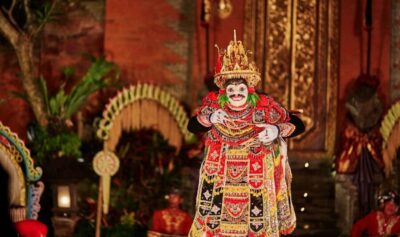

Uluwatu Sunset, Kecak Dance, and Dinner Jimbaran Beach
Read our review →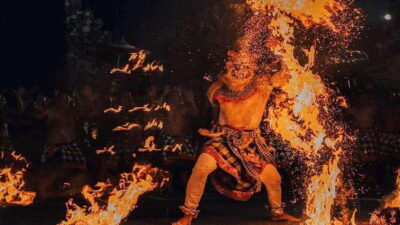

Dance Show + Dinner at Lost City – Story of Humanity
Read our review →
Half-Day Tour: Uluwatu Temple and Kecak Fire Dance Show
Read our review →
Private Tour: Full-Day Tanah Lot and Uluwatu Temples with Kecak Fire Dance Show
Read our review →
Browse the lists this tour appears in