
Reviewed · BALINESE DANCE SHOWS
Bali: Ubud Kecak and Fire Dance Show Tickets
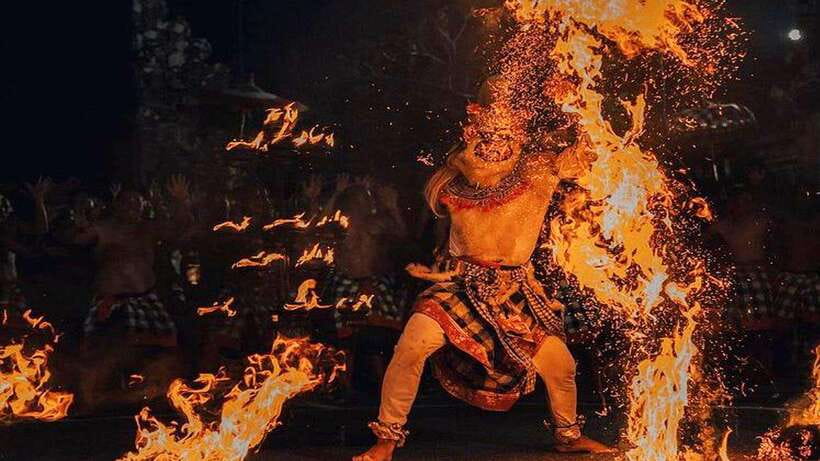
The most striking thing about Ubud’s Kecak and Fire Dance is that the orchestra is made entirely of human voices. A seated chorus builds a pulsing cak-cak-cak rhythm while dancers act out the Ramayana, Balinese Hinduism’s great epic, in front of a temple stage. Then the fire appears.
I like the powerful chanting, which gives the one-hour show its unusual energy without a single conventional instrument. I also like the close-up setting, where the dancers, costumes, and comic moments are easy to see. The main consideration is the venue: seating can be hard, and some locations sit near traffic or construction noise.
In This Review
- Key points to know before you book
- Why the human chorus makes Kecak different
- Arriving at the Ubud temple venue
- Choosing a seat for the best view
- The opening: a slow rise in sound and movement
- Following the Ramayana without perfect English
- The fire finale and what to expect from it
- Weather, noise, and differences between venues
- Food, drinks, and practical comfort
- Is the $6 price good value?
- Who will enjoy this one-hour performance?
- Should you book the Ubud Kecak and Fire Dance?
- FAQ
- How long does the Ubud Kecak and Fire Dance Show last?
- What time does the performance start?
- How early should I arrive?
- Is music used during the Kecak Dance?
- Is the performance suitable for children?
- Is food included in the ticket?
- Can I cancel the booking?
Key points to know before you book
- The music comes from voices: A large male chorus creates the rhythm, mood, and drama without instruments.
- The story is the Ramayana: The performance uses dance, narration, costumes, and gesture to tell a famous Hindu tale.
- The fire is part of the finale: Expect a dramatic fire sequence, though the amount of fire work can vary by performance.
- Arrive 30 minutes early: The gates open from 6:00 to 7:30 p.m., with the show scheduled for 7:00 p.m. Early arrival helps you find better seats.
- There are four possible venues: Check your selected option carefully, since the setting, cover, and nearby noise can differ.
- It is strong family entertainment: The one-hour length works well for children, and the performance is suitable for most age groups.
Why the human chorus makes Kecak different
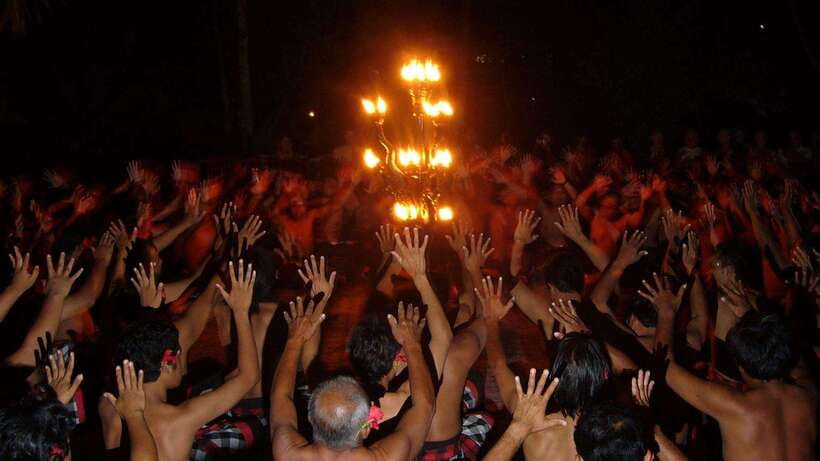
Kecak is not a dance show with a hidden orchestra. The performers create the soundtrack themselves, using repeated chants, sharp calls, and changes in volume and pace. The sound can begin simply, then gather force as more performers join the rhythm.
I find this is the part that stays with you longest. The chorus does more than fill silence. It creates tension, marks changes in the story, and gives the show a ritual quality. At times, the sound feels calm and controlled. At others, the repeated voices become almost hypnotic.
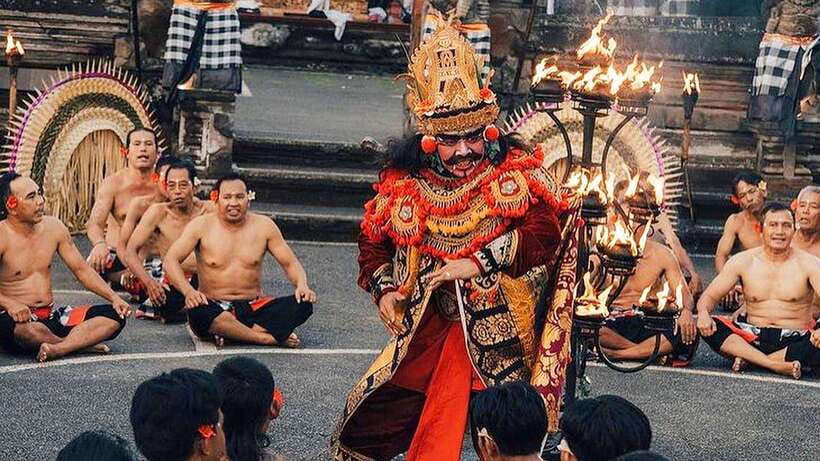
The dancers move in front of and around the chorus, acting out characters from the Ramayana. The tale includes heroes, royalty, supernatural figures, and the famous monkey army. You do not need to know the full story to enjoy the performance, but reading a short version of the Ramayana beforehand will help you follow the action.
The show uses storytellers, known as dalang, to narrate the tale. English explanation may be limited, and several people have wished for a short introduction or subtitles. If you want every plot detail, ask whether your venue provides a printed program or English explanation. If you are happy to follow the mood, costumes, gestures, and broad story, the language barrier is not a major problem.
More Balinese dance evenings:
- Bali: Ubud Palace Legong Dance Show Ticket
★ 4.4 · 3,979 reviews - Uluwatu Sunset, Kecak Dance, and Dinner Jimbaran Beach
★ 5.0 · 3,681 reviews - Ubud: Quad ATV Waterfalls & Barong Caves
★ 4.7 · 891 reviews
Arriving at the Ubud temple venue
This experience takes place in the Ubud area at a temple, but the exact venue depends on the option you book. There are four possible locations, so check the name carefully before setting out. The meeting point can also vary.
The gates are scheduled to open at 6:00 p.m., and the performance begins at 7:00 p.m. The official advice is to arrive at least 30 minutes early. I would take that advice seriously if you care about your seat, especially for a popular evening.
Arriving early gives you time to find the entrance, pass through the temple grounds, and choose a useful position without rushing. It can also help you avoid confusion if the map location is not perfectly accurate. One venue has been difficult to locate on maps, though drivers have been able to find it.
Your ticket includes temple entry and the Kecak and Fire Dance performance. It is a simple ticketing arrangement rather than a guided temple tour. An English-speaking host or greeter may assist with entry, but you should not expect a full lecture about the temple or a guide beside you throughout the show.
Dress modestly, as you are entering a religious setting. Comfortable clothing is useful, and a light jacket or shawl can help after sunset. Outdoor evenings may also bring insects, so insect repellent is a sensible addition to your bag.
Choosing a seat for the best view
The seating is practical rather than luxurious. Several people have found the benches or seats uncomfortable, especially over the full hour. A small cushion would help, but one is not listed as part of the experience, so bring one only if you already have a convenient travel cushion.
Your best choice depends on the venue. Front seats put you close to the performers and make the costumes and facial expressions easy to see. They can also make you part of the action when performers interact with the audience.
Higher seats or a position directly facing the stage may give you a wider view of the chorus and the full movement of the show. One useful tip is to sit slightly higher if possible. You may get a better breeze and have an easier time leaving your row if needed.
Do not arrive at the last moment and expect the ideal position. The show lasts only one hour, so there is little point losing part of it while searching for a seat. Come early, look around, and choose between closeness and a broader view.
The opening: a slow rise in sound and movement
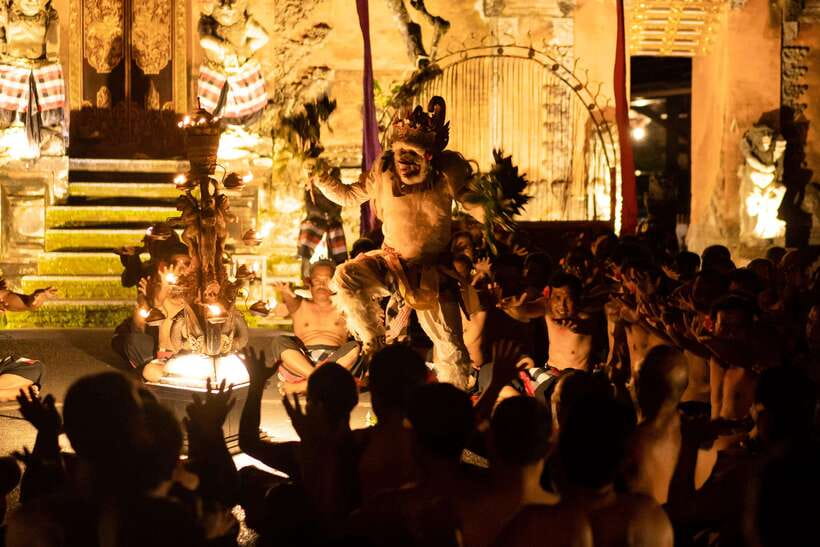
The performance begins at a measured pace. The chorus establishes its repeated vocal pattern while the dancers introduce the characters and situation. The early scenes can feel unfamiliar if you have never seen Balinese theater, but watch the performers’ gestures and listen for changes in the chorus.
The show does not work like a Western play with long spoken scenes. Movement, expression, costume, chanting, and ritual gesture carry much of the meaning. The dalang helps connect the scenes, though the amount of English guidance can vary.
The tempo gradually rises. This slow build is important. Kecak would lose much of its effect if it started at full volume. Instead, the performance gives you time to adjust to the unusual sound and understand how the chorus functions.
The dancers also interact with the crowd at times. That can make the event feel less formal and more immediate, particularly in a small venue. If you sit near the front, you have a greater chance of feeling involved, though the show remains suitable for children and family groups.
A few more Ubud half-days to weigh up
- Ubud: Dance Show + Dinner at Lost City – Story of Humanity
★ 4.5 · 94 reviews - Half-Day Tour: Uluwatu Temple and Kecak Fire Dance Show
★ 5.0 · 63 reviews - Private Tour: Full-Day Tanah Lot and Uluwatu Temples with Kecak Fire Dance Show
★ 5.0 · 57 reviews - Legong Dance Show at Ubud Palace Bali
★ 4.0 · 45 reviews
Following the Ramayana without perfect English
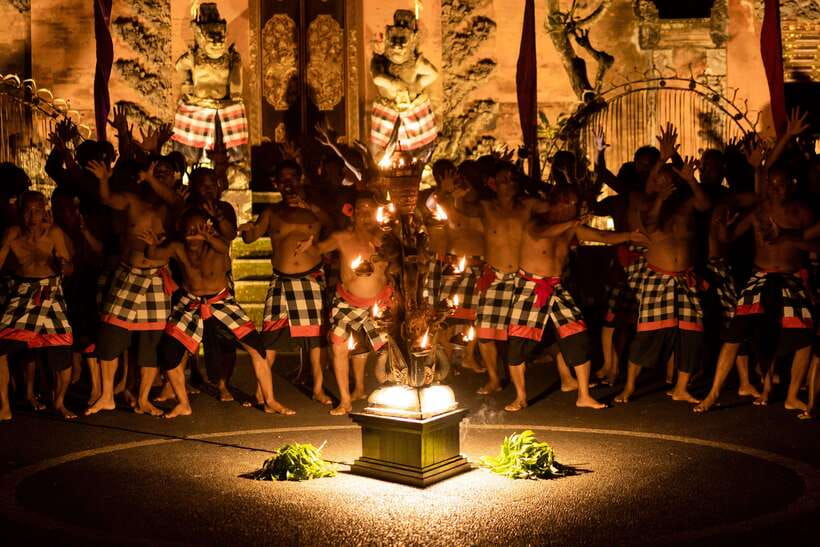
The Ramayana is a large and complicated epic, but the performance presents a selected episode rather than the entire story. You will see a clear conflict between good and evil, along with royal characters, magical events, and the monkey chorus that gives the performance its popular name.
You do not need to memorize names before you go. Still, a little preparation pays off. Read a short outline of the Ramayana, then watch for the characters’ costumes and repeated roles. The story becomes easier to follow when you recognize who is helping, who is threatening, and who is being rescued.
Some people have wished for English captions or a screen translating the spoken words. That is a fair limitation to note. This is best approached as a visual and musical performance first, and a fully translated drama second.
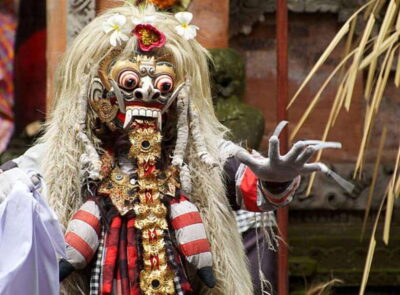
The costumes do much of the storytelling work. Expect elaborate dress, strong colors, headdresses, and stylized makeup. Even when you miss a line of narration, you can understand the scene through posture, movement, and the reaction of the chorus.
The fire finale and what to expect from it
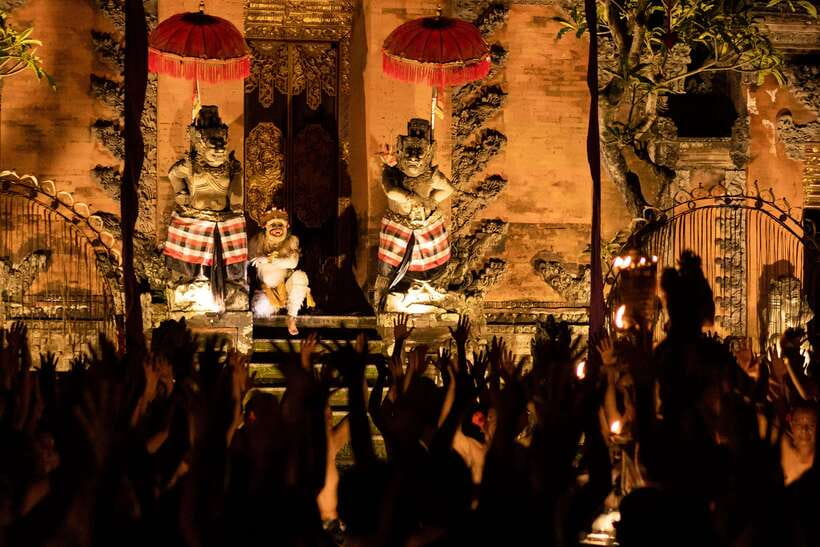
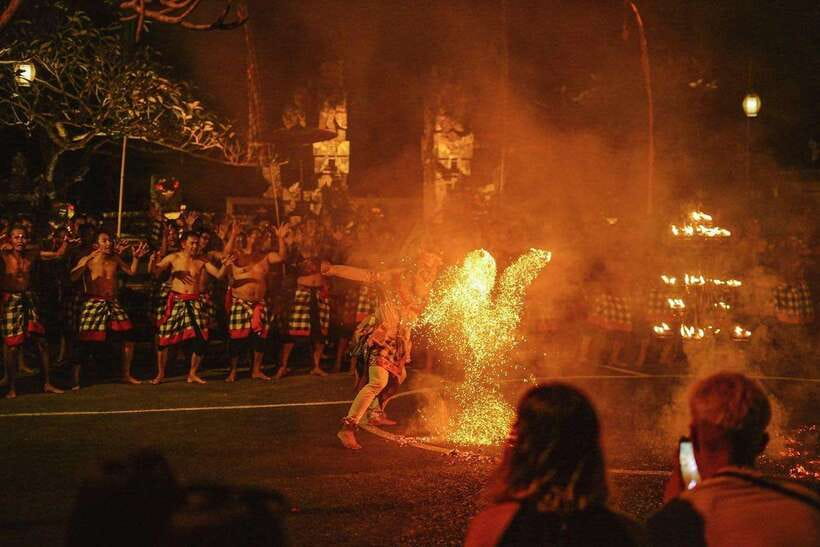
The fire sequence is the part most people anticipate, and it is certainly the show’s most dramatic visual moment. Flames appear as the story reaches its climax, adding danger and heat to the already intense chanting.
Keep your expectations sensible. The experience is called a Kecak and Fire Dance, but it is not a long fire circus with nonstop flame tricks. Some performances give the fire a larger role than others. If you mainly want the chanting and drama, you will likely find the finale a strong finish. If you are booking only for fire stunts, you may want to check the specific venue and program first.
Photography is usually allowed, but do not use flash. Flash can distract performers and spoil the atmosphere for people around you. A camera or phone is fine, but I would spend at least part of the show watching without a screen. The chorus is much more effective when you hear it directly and watch the whole stage at once.
Weather, noise, and differences between venues
Outdoor performance always comes with a little uncertainty in Bali. Rain has not always stopped the show. At times, the performance has moved under cover or indoors, and it has continued during wet weather. One Tuesday performance has a covered setting, which may be useful during the rainy season.
That said, you should still dress for an outdoor evening and bring a light layer. Covered does not always mean perfectly quiet or completely comfortable.
Venue choice matters. One location near Kutuh Kajah is close to a main road, so traffic can interrupt the mood. Construction noise has also affected the performance at times. These issues do not erase the quality of the dancers, but they can pull you out of the story.
If the booking options show the venue name, use it when planning your evening. A covered site may be preferable during rain, while a quieter temple setting may be more appealing if atmosphere is your main reason for going. Since the show lasts just an hour, even a few bursts of road noise can be noticeable.
Food, drinks, and practical comfort
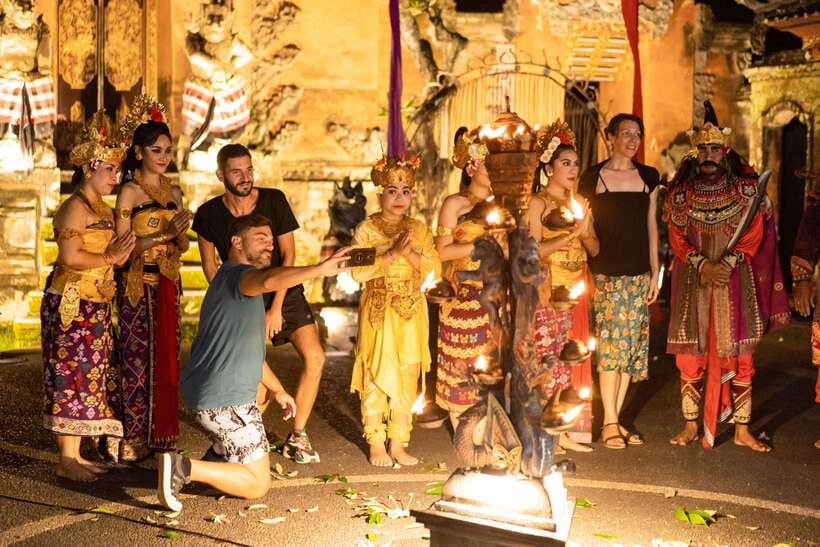
Food and beverages are not included in the ticket. Some venues sell snacks and drinks, so you may be able to buy something on site, but do not count on a full meal. Eat beforehand if you are planning a late dinner afterward.
Toilets and a few refreshments are available at some locations. Facilities can vary between the four venues, another reason to check your selected option rather than assuming every site is identical.
Large bags and luggage are not allowed. Pets are also not permitted, although assistance dogs are allowed. Fireworks are prohibited, and you should avoid making noise during the performance.
The venue is wheelchair accessible, but specific access needs should be checked ahead of time. This is especially sensible because the four locations may have different layouts, even though all are described as accessible.
Plan your ride home before the curtain falls. Ubud evenings can be busy, and one person had trouble finding a dependable GoCar after the show. The performance provider does not include food, beverages, or transport, so your return plan is your responsibility.
Is the $6 price good value?
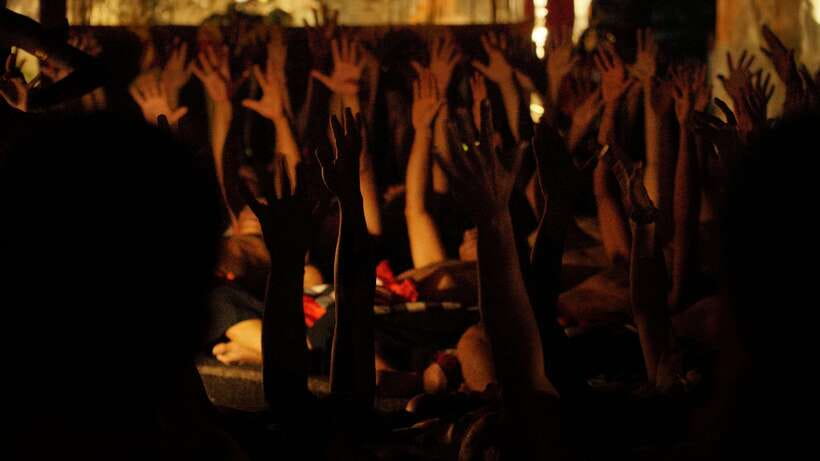
At $6 per person, this is one of the easier cultural choices to fit into a Bali budget. The ticket covers temple entry and the performance, and the show provides a full hour of live dance, storytelling, chanting, costumes, and fire.
That price does not buy a polished theater with padded seats, perfect acoustics, or a full English translation. You are paying for access to a local performance in a working temple setting, with some practical rough edges. For me, that is a reasonable tradeoff, especially when the main attraction is the performers rather than the building.
The value is strongest if you want a first introduction to Balinese performance. The show is short enough to fit before dinner, accessible for families, and easy to combine with an evening in Ubud. It also offers something you cannot get from a recorded cultural demonstration: the shared sound of the chorus and the sense of performers working in real time.
The overall rating is 4.4 from 2,631 ratings, which fits the experience well. The artistic side receives very strong approval, while the recurring cautions concern seats, noise, unclear translations, weather, and transport afterward.
Who will enjoy this one-hour performance?
I would recommend it to first-time visitors who want a memorable introduction to Balinese culture without committing to a long evening. The one-hour format is a major advantage. You get the main ideas, the famous chanting, and the fire finale without tiring younger children.
Families should find the combination of movement, costumes, comedy, music, and fire easy to enjoy. Children under one year are not considered suitable, and very young children may struggle with the evening timing or loud chanting.
It also suits anyone who enjoys theater but does not need every word translated. The voices are the main event, and the performance remains compelling even when the plot is only partly clear.
You may want a different cultural experience if you require a quiet venue, soft seating, or detailed English explanation. You should also think twice if your schedule is tight and you cannot arrive early, since seat choice and finding the correct venue both matter.
Should you book the Ubud Kecak and Fire Dance?
Book it if you want a low-cost, one-hour cultural performance with a sound unlike anything in ordinary theater. The chorus alone is worth hearing, and the combination of temple setting, Ramayana drama, ornate costumes, and fire gives you a strong sense of Bali’s performance traditions.
Choose your venue carefully, arrive at least 30 minutes early, bring insect repellent and a light layer, and arrange your ride home before the show. If you can accept firm seating and occasional traffic or construction noise, this is very good value at $6.
FAQ
How long does the Ubud Kecak and Fire Dance Show last?
The performance lasts one hour.
What time does the performance start?
The Kecak Dance is scheduled to start at 7:00 p.m. The stage gate is open from 6:00 to 7:30 p.m.
How early should I arrive?
Arrive at least 30 minutes before the performance if you want a better chance of getting good seats.
Is music used during the Kecak Dance?
No musical instruments are used. The rhythm and musical sound come from the performers’ voices, chants, and calls.
Is the performance suitable for children?
The show is suitable for families and most age groups. Babies under one year are not considered suitable for the activity.
Is food included in the ticket?
No. Food and beverages are not included, though some venues may sell snacks and drinks.
Can I cancel the booking?
Yes. You can cancel up to 24 hours in advance for a full refund. You can also reserve now and pay later.
Just added around Ubud
- Authentic hike in the forest with lunch at the inhabitant★ 5.0 · 3 reviews
- Heaven Gate, Tirtagangga and Tukad Cepung Waterfall – All Inclusive★ 5.0 · 3 reviews
- Half Day Uluwatu Temple Sunset, Kecak Dance and Seafood Dinner★ 3.5 · 3 reviews
- Ubud: White Water Rafting with visit Ubud Monkey Forest★ 5.0 · 3 reviews
- ️Bali All Inclusive Tour: Ubud – Tegalalang – Kintamani★ 5.0 · 3 reviews
- East Bali and Lempuyang Temple Tour★ 5.0 · 3 reviews
- Ubud: Temple, Swing, Waterfall, Rice Terrace & Monkey Forest★ 5.0 · 3 reviews
- Blue Lagoon Snorkeling and Lunch with Tukad Cepung Waterfall★ 5.0 · 3 reviews
Balinese Dance Shows, compared.
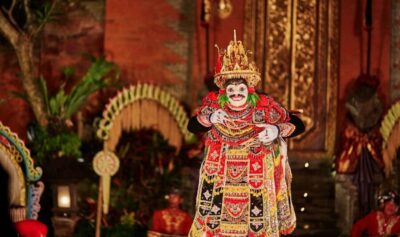

Uluwatu Sunset, Kecak Dance, and Dinner Jimbaran Beach
Read our review →
Dance Show + Dinner at Lost City – Story of Humanity
Read our review →
Half-Day Tour: Uluwatu Temple and Kecak Fire Dance Show
Read our review →
Private Tour: Full-Day Tanah Lot and Uluwatu Temples with Kecak Fire Dance Show
Read our review →
Barong Dance and Keris Cultural Dance Show Tickets
Read our review →Browse the lists this tour appears in