
Reviewed · BALINESE DANCE SHOWS
Ubud: Barong Dance and Keris Cultural Dance Show Tickets
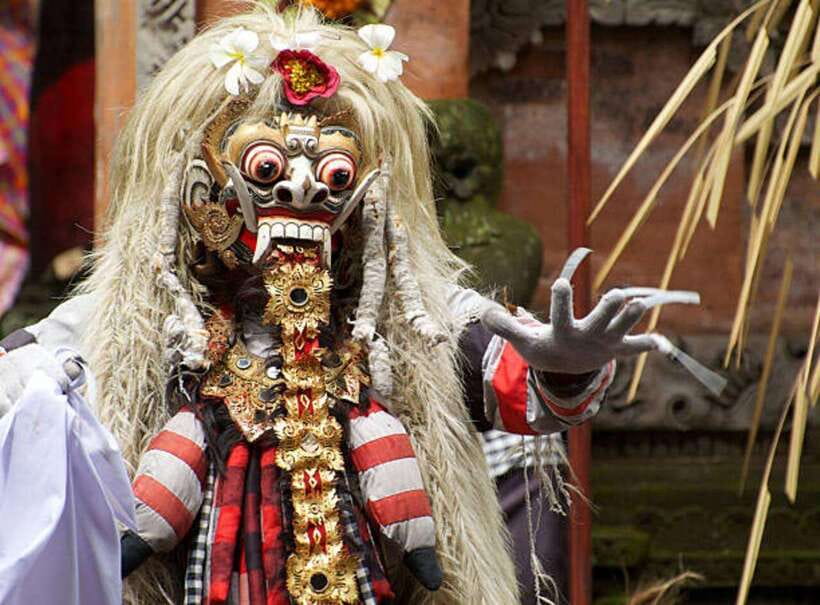
The Barong and Rangda dance gives you one of Bali’s most striking introductions to local mythology. A lion-like Barong represents protection and goodness, while Rangda, the witch queen, brings chaos and dark magic. Their battle unfolds through masks, costume, music, and dramatic movement rather than spoken explanation.
I like the excellent Barong costumes and the gamelan musicians, who keep the performance moving with tight, steady coordination. I also like the price: at about $6 per person, this is an easy cultural stop to add to a Bali itinerary. The main drawback is practical: the story can be hard to follow, and the seating may feel basic.
In This Review
- Key points before you book
- Why the Barong story matters in Bali
- What happens at Batubulan Village
- The masks, costumes, and dramatic action
- Listen closely to the gamelan musicians
- Seating, timing, and the pace of the show
- Choosing transport from Ubud, Denpasar, or Sanur
- Is a $6 ticket good value?
- Who will enjoy this performance most?
- Tips for making the most of the show
- Should you book the Barong and Keris show?
- FAQ
- Where is the Barong and Keris dance performed?
- What time does the show start?
- Is pickup and drop-off included?
- Is there an extra charge for pickup from Kuta or Seminyak?
- What does the performance tell you?
- What should you bring?
- Can you cancel the booking for a refund?
Key points before you book
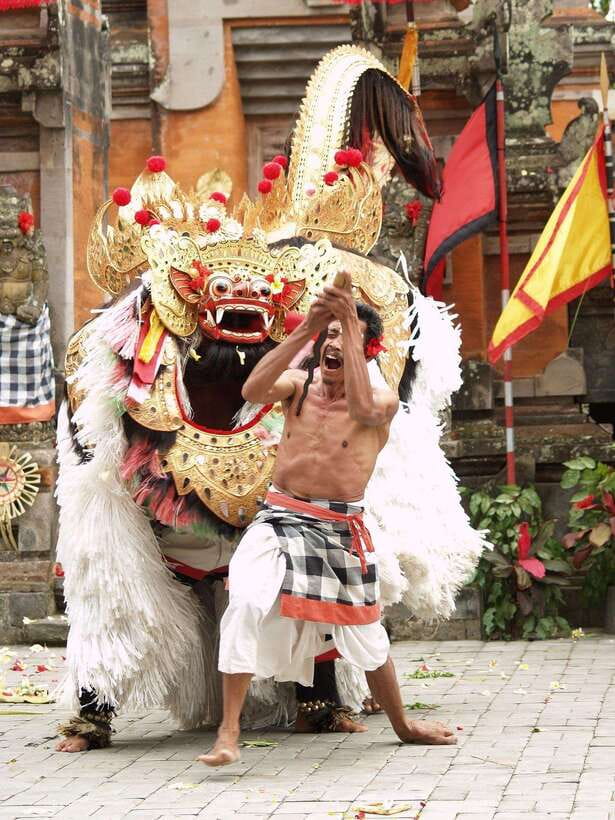
- Barong versus Rangda: Watch Bali’s famous good-versus-evil story played through mythical characters and ritual-style dance.
- Daily Batubulan performance: The show takes place at Batubulan Village, a traditional center for this type of dance.
- Gamelan at the heart of the show: Live musicians provide the repeating metallic rhythms that guide the dancers.
- Ticket or transfer option: Book admission alone, or select pickup and drop-off from Ubud, Denpasar, or Sanur.
- Low-cost cultural stop: The ticket price makes this suitable for families, first-time visitors, and anyone with a short Bali schedule.
- Check the exact time: The supplied information gives a 9:30 start, while one attendance arrangement described a 7:30 performance and a 6:00 to 6:30 check-in. Confirm your voucher carefully.
Why the Barong story matters in Bali
The Barong dance is not simply a stage performance about a monster and a witch. It presents a central Balinese idea: good and evil are locked in a continuing struggle, and neither side is treated as a simple character from a children’s tale.
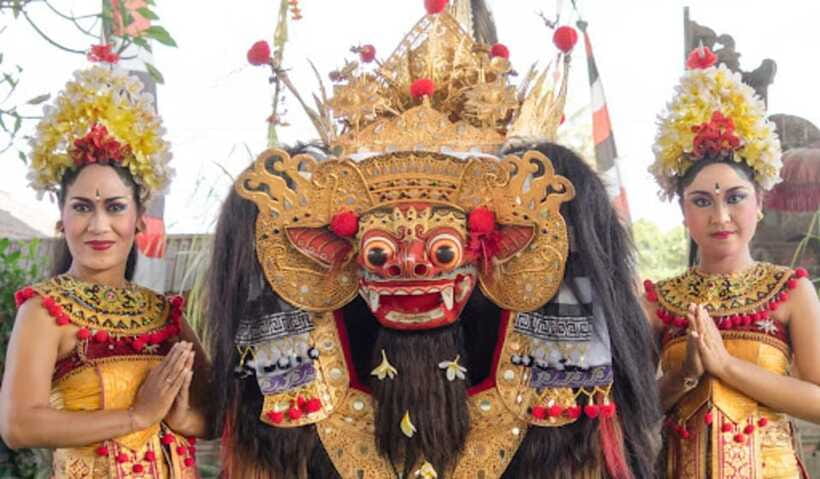
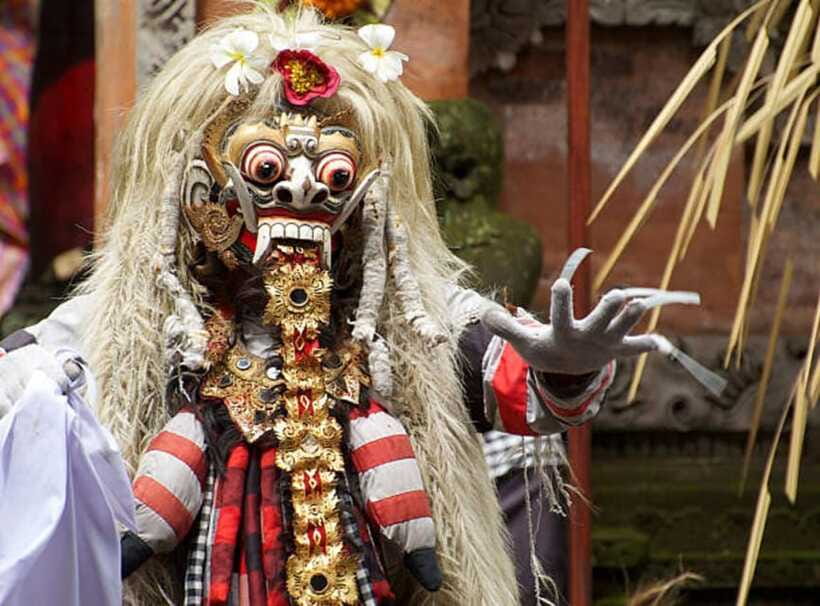
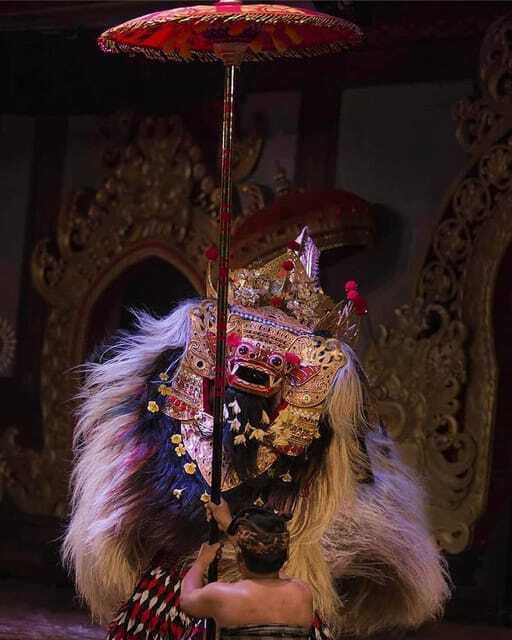
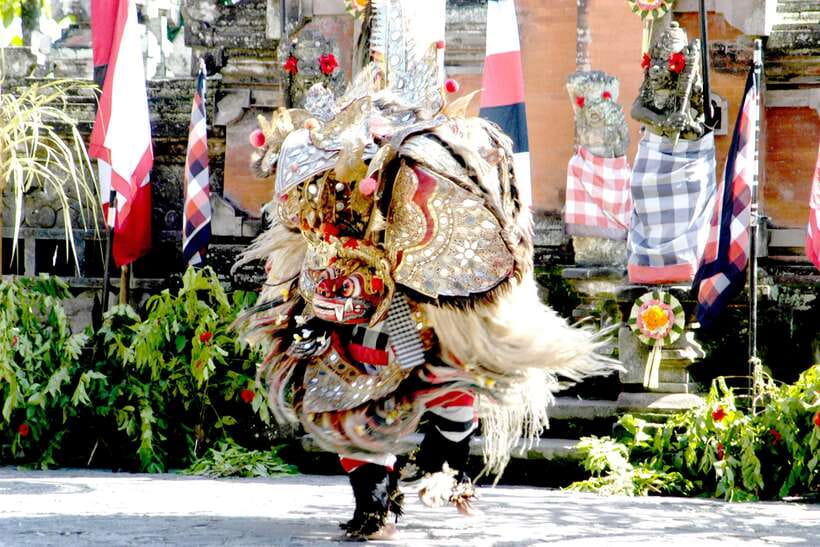
Barong appears as a large, lion-like creature. The costume usually requires two performers working together, which makes the character move with a curious mix of animal power and human teamwork. Rangda is more frightening, with a fierce mask and long hair that give her an almost supernatural presence.
You will see Barong surrounded by followers and facing Rangda’s forces. The plot moves through conflict, confrontation, and moments of apparent victory. Do not expect a short Western-style play with clear dialogue and a neat ending. The meaning comes through the figures, gestures, music, and repeated struggle.
That can make the story difficult to follow. The written English explanation is limited, and the action can feel symbolic rather than literal. I recommend reading a short explanation of Barong and Rangda before you go, then letting the masks and music carry part of the experience.
More Balinese dance evenings:
- Bali: Ubud Palace Legong Dance Show Ticket
★ 4.4 · 3,979 reviews - Uluwatu Sunset, Kecak Dance, and Dinner Jimbaran Beach
★ 5.0 · 3,681 reviews - Bali: Ubud Kecak and Fire Dance Show Tickets
★ 4.4 · 2,631 reviews
What happens at Batubulan Village
Batubulan is the stated home of this daily performance. Your booking may place you at a particular venue, and the meeting point can change according to the option you select. If you choose admission without transport, you need to exchange your electronic voucher and collect the physical ticket from the local team at the venue.
The show is designed as a cultural presentation, so you arrive, check in, take your seat, and watch the performance rather than move between several attractions. The total time listed is one to five hours, which likely reflects different transport and ticket arrangements. The actual dance itself is only part of the time if you add a private round transfer.
The published start time is 9:30 in the morning. However, the practical instructions also mention an 8:30 pickup and another arrangement with check-in around 6:00 to 6:30 for a 7:30 evening show. That is a real point to check before setting your day around it. Use the time on your final confirmation, not a general description.
If you arrange your own way to the venue, give yourself enough time to find the correct entrance and exchange the voucher. One visitor had to seek out the local representative after arriving because the first person on site did not recognize the booking. The issue was eventually resolved, but it shows why arriving early and keeping the provider’s contact details handy is sensible.
The masks, costumes, and dramatic action
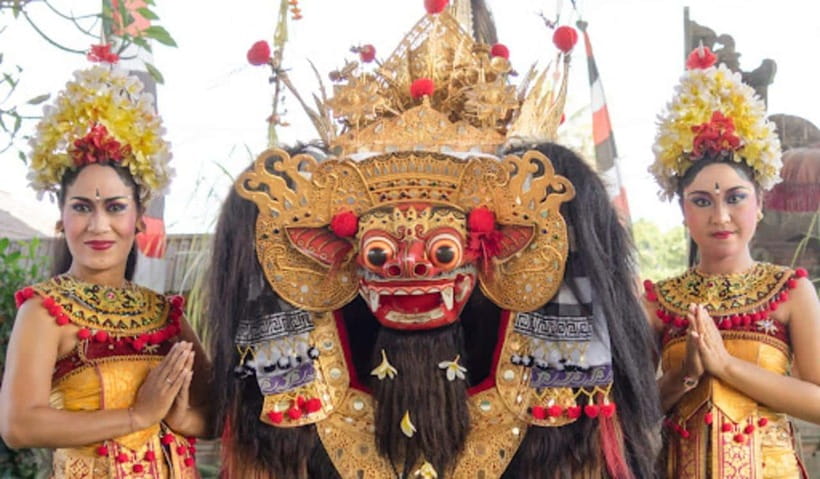
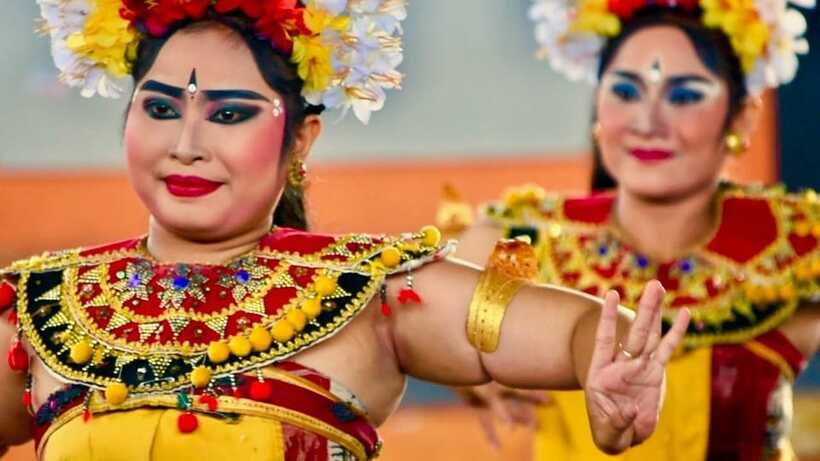
The best visual reason to attend is the costume work. Barong’s large body and expressive head make the character easy to spot, while Rangda creates a sharper, more unsettling contrast. The dancers’ movements are not casual or improvised. Their gestures and poses follow a traditional style, with the masks doing much of the emotional work.
The two performers inside the Barong costume are especially interesting to watch. They must coordinate every step, turn, and head movement while remaining hidden from the audience. When the costume moves well, you stop seeing two dancers and start seeing one strange, powerful creature.
Rangda’s role brings a different kind of energy. She is not a gentle villain who quietly schemes in the background. Her entrance and confrontations are designed to create tension, with the mask and body language doing more than spoken words could manage.
Some of the action may feel simple if you are used to large theatrical productions. One useful way to watch is to focus on how movement, music, and costume work together. This is not a show built around set changes or special effects. Its force comes from repeated patterns and the presence of the performers.
There may also be a puppet section during the wider presentation. It can feel long if you are mainly waiting for the Barong battle, although younger children may find it entertaining. If you are attending with a family, this extra variety can help hold attention.
Listen closely to the gamelan musicians
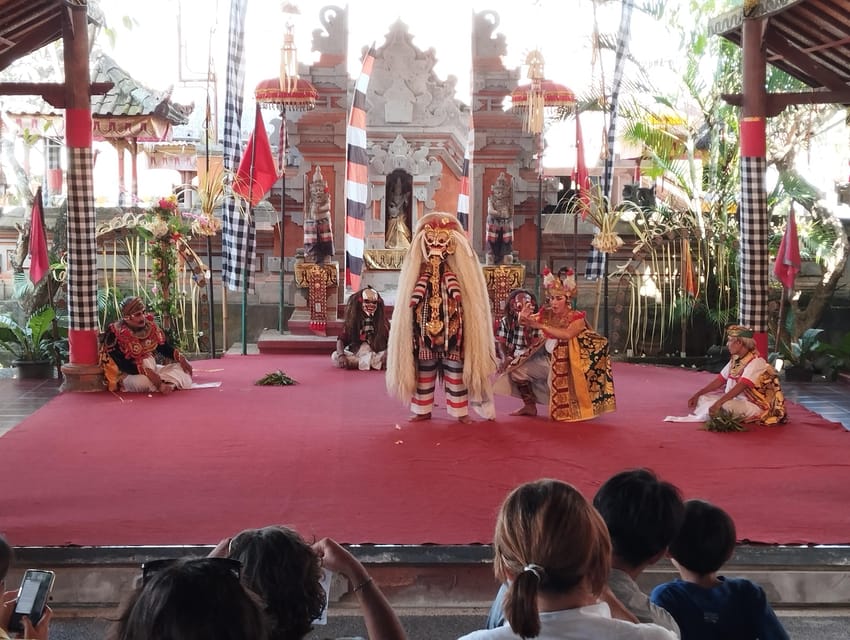
The gamelan ensemble deserves as much attention as the dancers. Its metallic tones and repeating rhythms create the pulse of the performance, marking changes in mood and helping the dancers keep time.
You will hear the musicians working together throughout the show rather than appearing as background decoration. Their sound can make a simple movement feel tense, ceremonial, or playful. When the conflict between Barong and Rangda becomes more intense, the music supplies much of that pressure.
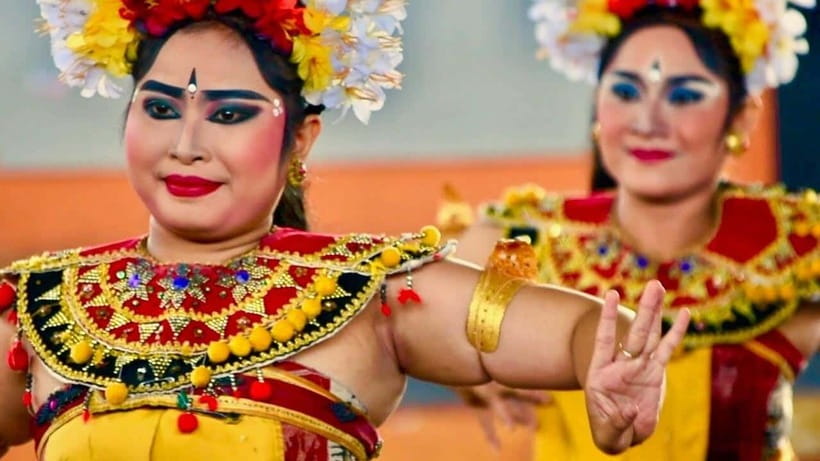
I would encourage you to spend a few minutes watching the musicians directly. It is easy to fix your eyes on the masks, but the dancers and instrumentalists depend on one another. The performance is at its strongest when the rhythm, costume movement, and group choreography line up.
The music can also make the show more approachable when the story becomes confusing. Even if you lose track of who is doing what, the changing rhythm gives you a clear sense of danger, conflict, and release.
A few more Ubud half-days to weigh up
- Ubud: Dance Show + Dinner at Lost City – Story of Humanity
★ 4.5 · 94 reviews - Half-Day Tour: Uluwatu Temple and Kecak Fire Dance Show
★ 5.0 · 63 reviews - Private Tour: Full-Day Tanah Lot and Uluwatu Temples with Kecak Fire Dance Show
★ 5.0 · 57 reviews - Legong Dance Show at Ubud Palace Bali
★ 4.0 · 45 reviews
Seating, timing, and the pace of the show
The seating is functional rather than luxurious. Basic chairs may become uncomfortable during a longer presentation, so wear comfortable clothes and avoid arriving with the expectation of a polished concert hall.
The show includes dramatic sections, costume displays, music, and a puppet sequence. The pace may not suit everyone. Some sections build slowly, and the story repeats the struggle between the two forces rather than rushing from one plot point to the next.
That slower rhythm is part of traditional performance, but it can test the patience of young children. Babies under one year are not considered suitable for this activity. Older children may enjoy the masks, music, and physical comedy, especially if you explain the characters before the performance begins.
A camera is listed as a useful item to bring. Comfortable shoes and comfortable clothing are also recommended. You should follow the venue rules: alcohol, drugs, littering, and making fires are not allowed.
Choosing transport from Ubud, Denpasar, or Sanur
You can book the show with no transport and make your own way to Batubulan Village. That option costs less in effort and usually gives you more control over your schedule, but you must handle the route, voucher exchange, and arrival yourself.
The optional private round transfer covers Ubud, Denpasar, and Sanur. This is useful if you prefer a door-to-door plan and do not want to work out local transport for a morning performance. The stated pickup time for the transfer option is 8:30 in the morning, so plan for an early start rather than treating this as a late-night outing.
Pickup from Kuta, Seminyak, and Nusa Dua requires an extra 100,000 Indonesian rupiah in cash. That charge matters when you compare the total cost. The $6 ticket is excellent value, but a transfer from a farther beach district can change the calculation.
The transfer option also gives you a private round trip rather than only one-way transport. That may be worthwhile for families, small groups, or anyone staying outside central Ubud. If you are already near Batubulan and comfortable arranging transport, the ticket-only choice is likely the better value.
Is a $6 ticket good value?
At roughly $6 per person, the admission price is hard to criticize. You get access to one of Bali’s best-known traditional performance forms, with elaborate costumes, a full musical accompaniment, and a story tied to Balinese spiritual ideas.
The value depends on what you expect. If you want a polished theatrical production with a detailed English script, comfortable seating, and a tightly edited plot, this may feel basic. If you want a short, affordable way to see traditional masks, dance, and gamelan in one sitting, the price works very well.
You should also separate the cost of the show from the cost of transport. Pickup and drop-off are included only when you select that option. The extra 100,000 rupiah for Kuta, Seminyak, or Nusa Dua is payable in cash, so bring the correct type of local money if you are coming from one of those areas.
A Silver Class option is available when selected. Since the seating category depends on the booking choice, check exactly what your ticket includes before paying. Do not assume every ticket provides the same seating or transport arrangement.
Who will enjoy this performance most?
I would recommend the show to first-time visitors who want a simple introduction to Balinese performing arts. It also suits families with older children, couples looking for an evening or morning cultural activity, and anyone who would rather see a traditional performance than spend another few hours at a beach club.
It is a good match for you if:
- You enjoy costumes, masks, live music, and symbolic storytelling.
- You are comfortable watching a performance without understanding every line.
- You want an inexpensive cultural activity near Ubud.
- You can keep an open mind about a slower, repeating performance style.
- You want the option of private pickup from Ubud, Denpasar, or Sanur.
I would be more cautious if you dislike unclear plots, basic seating, or sections that take their time. The English explanation is not enough for everyone, and the dramatic material can include crude or uncomfortable moments.
Tips for making the most of the show
Read a short explanation of Barong and Rangda before leaving your hotel. Knowing that Barong represents goodness and protection, while Rangda represents destruction and disorder, gives you a useful thread to follow.
Arrive early, especially if you are using the ticket-only option. You may need to exchange the electronic voucher and collect the entrance ticket from the local team. Keep your booking details available on your phone and confirm the venue, check-in instructions, and start time.
If you are taking the included transfer, be ready at the stated pickup time. The instructions say 8:30 in the morning, and you may bring food in the car. That is practical for a family or anyone leaving early without breakfast.
Bring a camera, but remember that the performance is a live cultural event, not just a photo opportunity. Watch the musicians, the coordinated Barong costume, and the dancers’ hand and eye movements. Those details help you see more than the main battle.
Free cancellation is available up to 24 hours before the activity for a full refund. Confirmation may arrive within 48 hours of purchase, so do not leave the booking until the last minute if your schedule is tight.
Should you book the Barong and Keris show?
Book it if you want low-cost access to Balinese dance and music and you are willing to accept a traditional performance’s slower rhythm and symbolic story. The costumes, Barong character, Rangda mask, and gamelan musicians provide plenty to watch, even when the English explanation falls short.
Think twice if you need a clear plot, soft seats, or highly polished stage production. For most visitors, the strongest plan is to select the right venue and time, arrive early, and treat the show as a window into Balinese mythology rather than a conventional play.
FAQ
Where is the Barong and Keris dance performed?
The traditional Barong dance is performed daily at Batubulan Village in Bali.
What time does the show start?
The activity information gives a 9:30 start time. Other booking arrangements may use a different performance time, so check the final confirmation for your selected option.
Is pickup and drop-off included?
Pickup and drop-off are included only if you select the transfer option. Private round-trip transfers cover Ubud, Denpasar, and Sanur.
Is there an extra charge for pickup from Kuta or Seminyak?
Yes. Pickup from Kuta, Seminyak, and Nusa Dua requires an additional 100,000 Indonesian rupiah in cash.
What does the performance tell you?
The story presents the continuing struggle between good and evil. Barong represents goodness and protection, while Rangda represents chaos and destruction.
What should you bring?
Bring comfortable shoes, comfortable clothing, and a camera if you want to take photographs.
Can you cancel the booking for a refund?
Yes. You can cancel up to 24 hours in advance for a full refund.
Just added around Ubud
- Authentic hike in the forest with lunch at the inhabitant★ 5.0 · 3 reviews
- Heaven Gate, Tirtagangga and Tukad Cepung Waterfall – All Inclusive★ 5.0 · 3 reviews
- Half Day Uluwatu Temple Sunset, Kecak Dance and Seafood Dinner★ 3.5 · 3 reviews
- Ubud: White Water Rafting with visit Ubud Monkey Forest★ 5.0 · 3 reviews
- ️Bali All Inclusive Tour: Ubud – Tegalalang – Kintamani★ 5.0 · 3 reviews
- East Bali and Lempuyang Temple Tour★ 5.0 · 3 reviews
- Ubud: Temple, Swing, Waterfall, Rice Terrace & Monkey Forest★ 5.0 · 3 reviews
- Blue Lagoon Snorkeling and Lunch with Tukad Cepung Waterfall★ 5.0 · 3 reviews
Balinese Dance Shows, compared.

Uluwatu Sunset, Kecak Dance, and Dinner Jimbaran Beach
Read our review →

Dance Show + Dinner at Lost City – Story of Humanity
Read our review →
Half-Day Tour: Uluwatu Temple and Kecak Fire Dance Show
Read our review →
Private Tour: Full-Day Tanah Lot and Uluwatu Temples with Kecak Fire Dance Show
Read our review →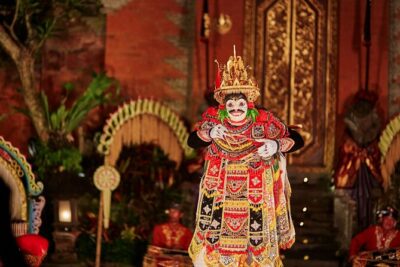
Browse the lists this tour appears in