
Reviewed · MONKEY FOREST TOURS
Ubud: Monkey Forest, Temple, Rice Terraces, Hidden Waterfall
Ubud’s best-known sights come together in one long day here: monkeys in a forest shrine, rice terraces under coconut palms, a bathing temple, coffee tasting, and a cool waterfall where you can swim. The Ulu Petanu Waterfall is the day’s most refreshing stop, while the Monkey Forest supplies the comic relief.
I like the mix of culture and nature, and I like that the private format lets you set the pace. Guides such as Ngurah, Bayu, Dama, Nyoman, and Santanu are praised for safe driving, clear explanations, and taking photos for solo visitors. The main drawback is the extra cost of entrance tickets, plus nine hours in Bali traffic can make this a tiring day.
In This Review
- Key points at a glance
- What this Ubud day is really trying to show you
- Starting with the Sacred Monkey Forest
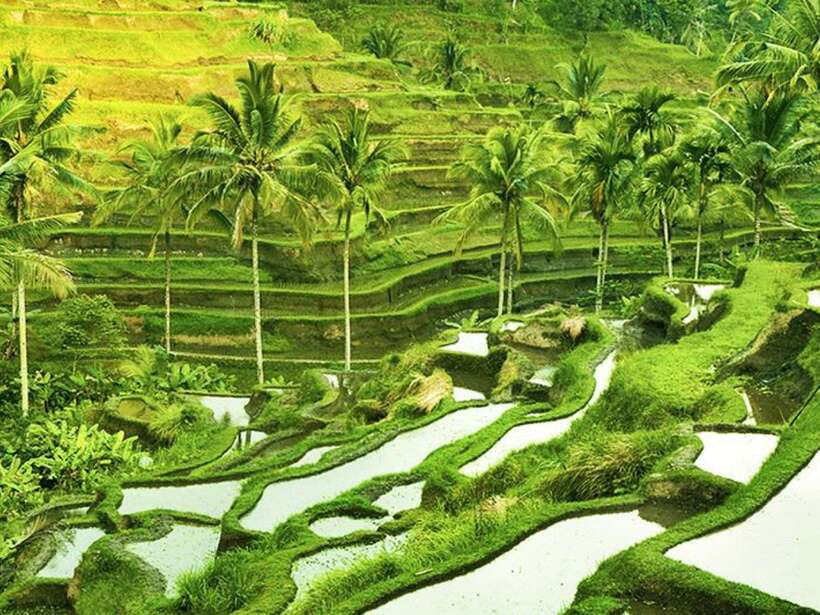
- Walking the Tegallalang Rice Terrace
- Cooling off at Ulu Petanu Waterfall
- Learning the coffee process at a Balinese plantation
- Understanding Tirta Empul and its holy water
- Guides, driving, and the private format
- How long the day feels
- What the $29 price gives you
- Who should book this Ubud tour
- FAQ
- How long does the Ubud tour last?
- What places does the tour visit?
- Is hotel pickup included?
- What language does the guide speak?
- Is transportation private?
- Are entrance fees included?
- Is food included?
- Can I swim at Ulu Petanu Waterfall?
- Can I take part in the purification ritual at Tirta Empul?
- Can women who are menstruating enter Tirta Empul?
- Should you book it?
Key points at a glance
- Five distinct stops in one day: Monkey Forest, Tegallalang Rice Terrace, Ulu Petanu Waterfall, coffee plantation, and Tirta Empul.
- A private, flexible feel: Your own air-conditioned vehicle and guide are included when you select the private option.
- The monkeys are entertaining but unpredictable: They may climb on you, so keep moving calmly and do not panic.
- Swimming is possible at Ulu Petanu: Bring suitable clothes if you want to cool off beneath the trees.
- Temple etiquette matters: Tirta Empul is an active Hindu place of prayer, and women who are menstruating cannot enter the temple’s main area.
- The $29 price is only part of the budget: Entry fees and food are not included, so check the total cost before booking.
What this Ubud day is really trying to show you
This is a greatest-hits tour of the Ubud area, but it is not only a checklist of photo stops. Each place shows a different part of Bali: Hindu worship at Tirta Empul, working agriculture at Tegallalang, forest life at the Monkey Forest, plantation work over coffee, and the island’s water and jungle setting at Ulu Petanu.
You get roughly 40 minutes to an hour at the main stops. That is enough time to walk around each site, hear an explanation, and take photos. It is not enough for a slow, deep visit to every place, so I would approach the day as an introduction to Ubud rather than a quiet retreat.
The private setup is important. You have a driver-guide, private air-conditioned transport, parking, and bottled water when the private option is selected. Pickup and drop-off are available from Bali, Sanur, Denpasar, Gianyar, Ubud, Kuta, and Canggu, which makes this useful if you are staying outside central Ubud.
More Monkey Forest visits:
- Ubud: Monkey Forest, Jungle Swing, Rice Terrace, and Water Temple
★ 5.0 · 7,160 reviews - Ubud: Full-Day Rice Terrace, Monkey Forest & Waterfall
★ 5.0 · 2,634 reviews - Hands-On Silver Jewelry Making Near Ubud’s Monkey Forest
★ 4.9 · 1,789 reviews
Starting with the Sacred Monkey Forest
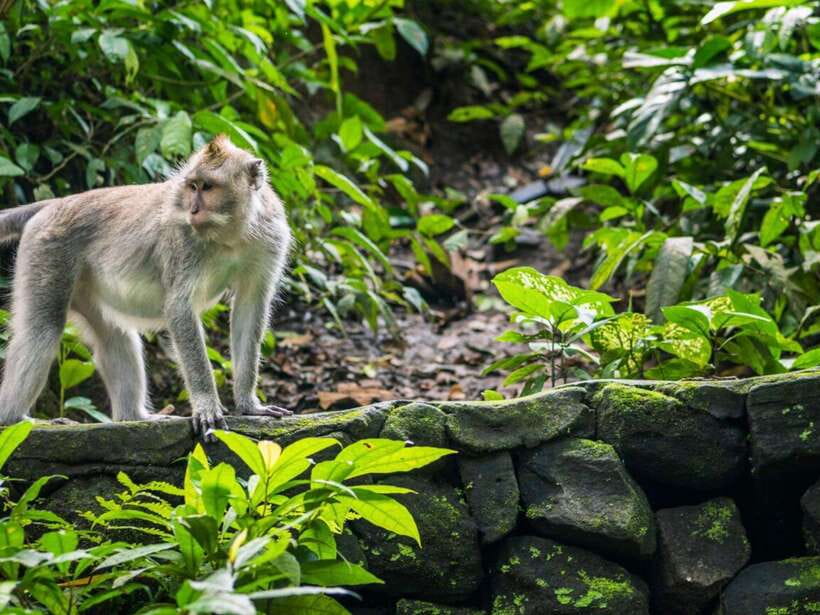
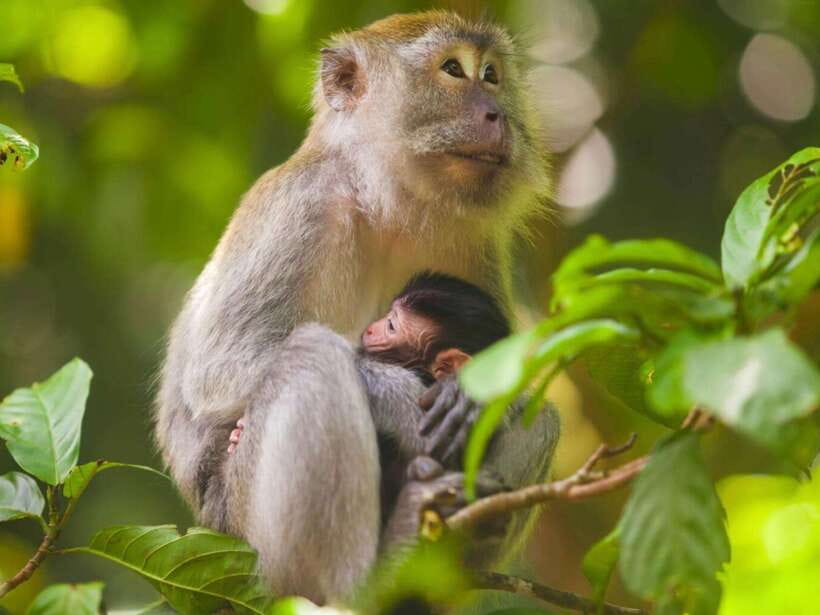
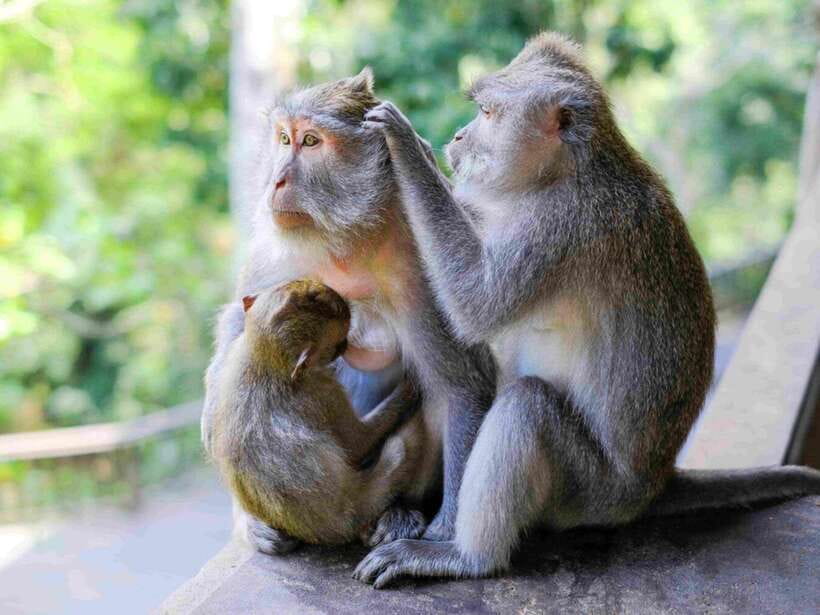
The Sacred Monkey Forest Sanctuary is usually the most playful stop. It is home to long-tailed macaques, identified here as Macaca fascicularis, and the forest is also a religious site with temple structures and heavy tree cover.
The monkeys are fed three times daily by forest staff. That helps explain why they are accustomed to people, but it does not make them tame pets. A monkey may jump onto you, as one solo visitor discovered near the exit, so keep your hands relaxed and continue walking slowly if one climbs aboard. Do not panic. The animal will usually move on when it finds nothing worth taking.
The chance to take a selfie is part of the appeal, but I would not treat the monkeys as photo props. They are quick, curious animals, and your guide can help you handle the visit sensibly. Follow staff instructions and avoid carrying food or loose items that might attract attention.
Allow about 40 minutes to an hour here. That gives you time to walk through the forest and see the monkeys at play, including young ones chasing and wrestling with each other. The shade is welcome, but the paths still require ordinary walking comfort.
The forest is a strong opening stop because it gives you something immediate and memorable. The tradeoff is that it can feel busy and unpredictable, especially if you are nervous around animals. If monkeys make you uneasy, keep a little distance and focus on the temple setting and trees instead.
Walking the Tegallalang Rice Terrace
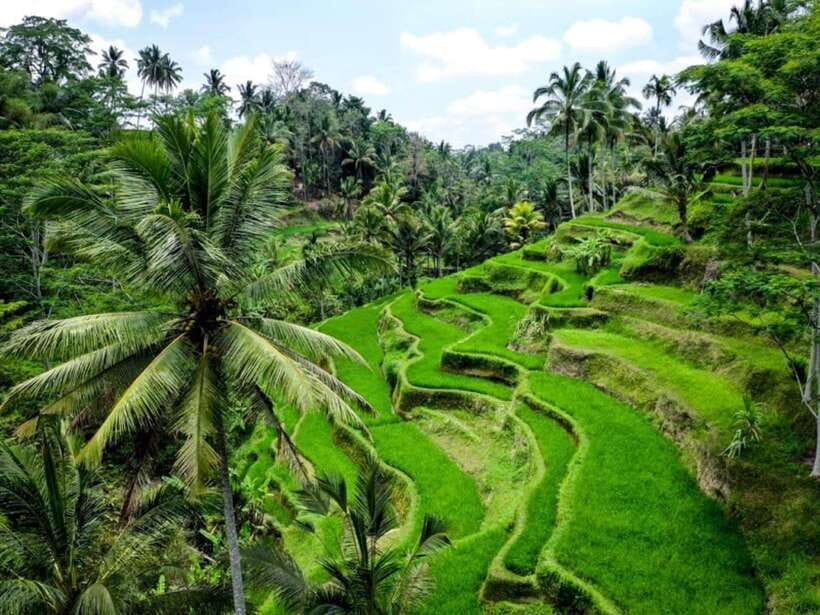
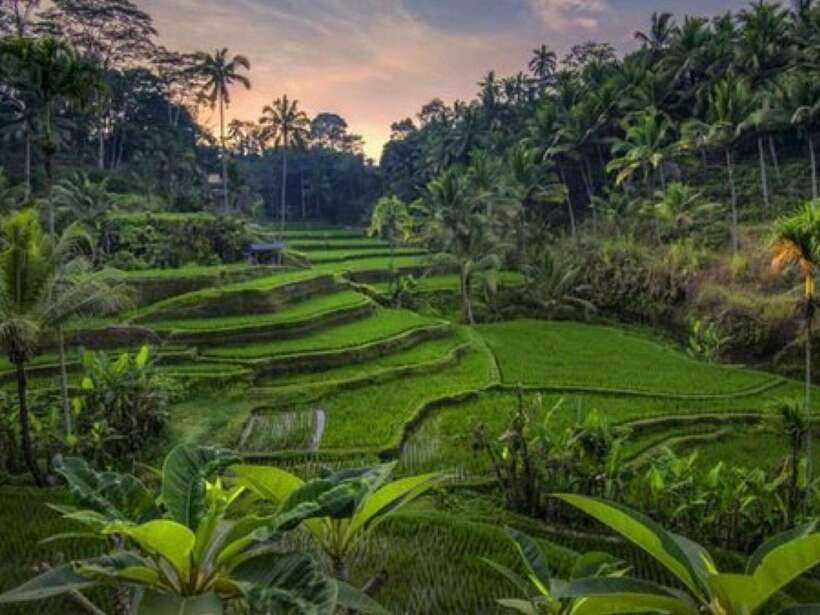
Tegallalang shows the agricultural side of Ubud. You walk among neatly arranged rice fields, coconut trees, irrigation channels, and working plots where farmers tend the crops.
This is more than a quick roadside viewpoint. The visit includes a walk, so wear shoes that can handle uneven ground. You may see rice plants, water moving through the irrigation system, and farmers at work. The tour allows about an hour, which is a useful amount of time for photos and a short look at how the terraces function.
I like this stop because the view makes sense when you understand the work behind it. The terraces are not just green shapes arranged for photographs. They depend on water management and regular care, and the guide can explain those details as you walk.
The practical catch is that rice fields are working farmland, not a polished indoor attraction. Paths may feel warm or uneven, and the appearance changes with the growing season. The tour description promises terrace views and scenic photo spots, not a particular stage of the rice cycle.
Coconut shade helps, but Bali’s heat can still build during a walk. Carry the bottled water provided and pace yourself. If the day is especially hot, tell your guide. Several guides, including Restu and Wayan, have adjusted timing or made suggestions when the weather changed, and the private arrangement makes that kind of discussion easier.
Cooling off at Ulu Petanu Waterfall
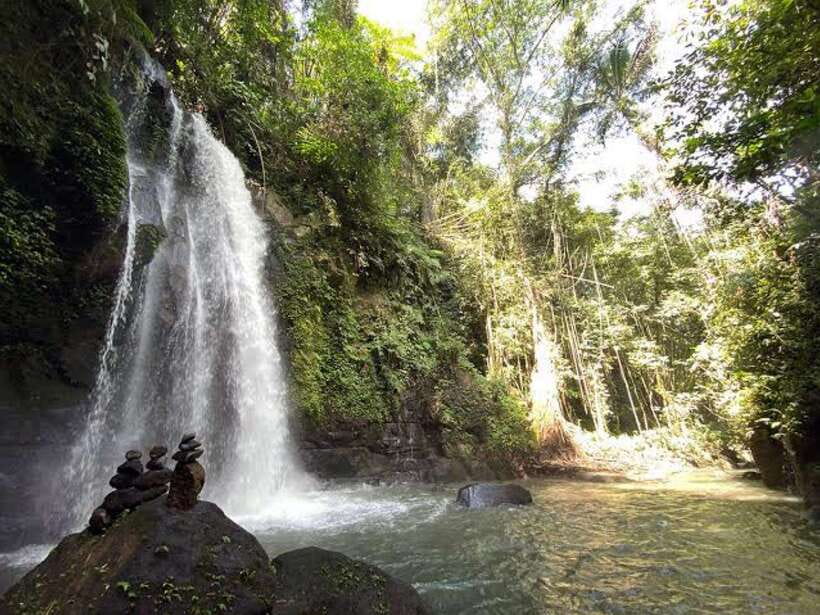
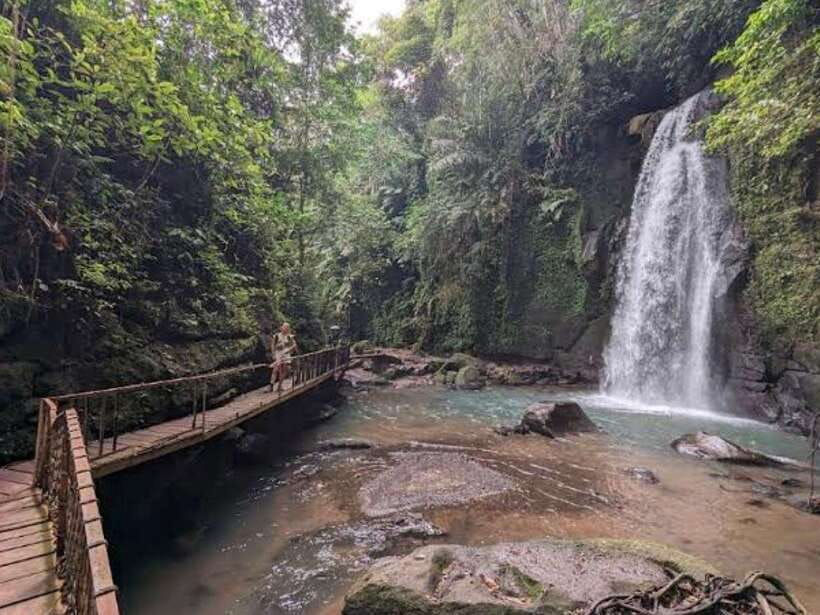
Ulu Petanu is the natural break in the day. The approach has fewer stairs than some other waterfalls near Ubud, and the setting is described as thick with trees. You get roughly 40 minutes to an hour for the walk, views, and time in the water.
Swimming is allowed, so this is the stop where a change of clothes earns its space in your bag. The supplied details do not promise changing facilities, towels, or a long swimming session, so keep your plans simple. Bring what you need and do not assume that every convenience will be available.
The waterfall works well after the rice terraces because it changes the pace. Instead of looking across farmland, you are close to running water and shaded vegetation. Several visitors singled out swimming here as a favorite part of the day, and I can see why: it offers a real physical break from Bali’s heat rather than another viewpoint.
Still, water conditions can change with rain, and the tour does not guarantee a swim in every situation. Use care around wet surfaces and ask your guide about conditions on the day. The shorter approach is helpful, but this remains a walking stop, not a drive-up attraction.
More rice terrace walks near Ubud:
- Ubud: Waterfalls, Water Temple & Rice Terraces Private Tour
★ 5.0 · 5,484 reviews - Full-Day Tour to Water Temples and UNESCO Rice Terraces in Bali
★ 5.0 · 2,539 reviews - Ubud: Monkey Forest, Ceking Rice Terraces and More– Full Day
★ 4.7 · 917 reviews - Ubud: Rice Terraces & Villages Half-Day Fat Tire E-Bike Tour
★ 4.9 · 602 reviews
Learning the coffee process at a Balinese plantation
The coffee plantation visit lasts about 30 to 45 minutes, or up to an hour in the listed schedule. You see coffee and tea plants, learn about manual coffee making, and sample coffee and tea.
This stop adds a small piece of daily production to the day. You are not only drinking a cup. You can see how plants are grown and how Balinese coffee is processed by hand. For many people, the tasting is an easygoing morning pause before or between the larger sights.
The plantation can also become a shopping stop, so pay attention to what is included. The tour promises tasting and an explanation of the process, but it does not say that purchases are required or included. Enjoy the tasting on its own terms and buy only what you actually want to take home.
The order may vary. One account placed coffee before the Monkey Forest, while the standard schedule lists it after the waterfall. That flexibility is useful because your guide can consider traffic, rain, or your preferred pace. Do not worry if the sequence changes during the day.
Understanding Tirta Empul and its holy water
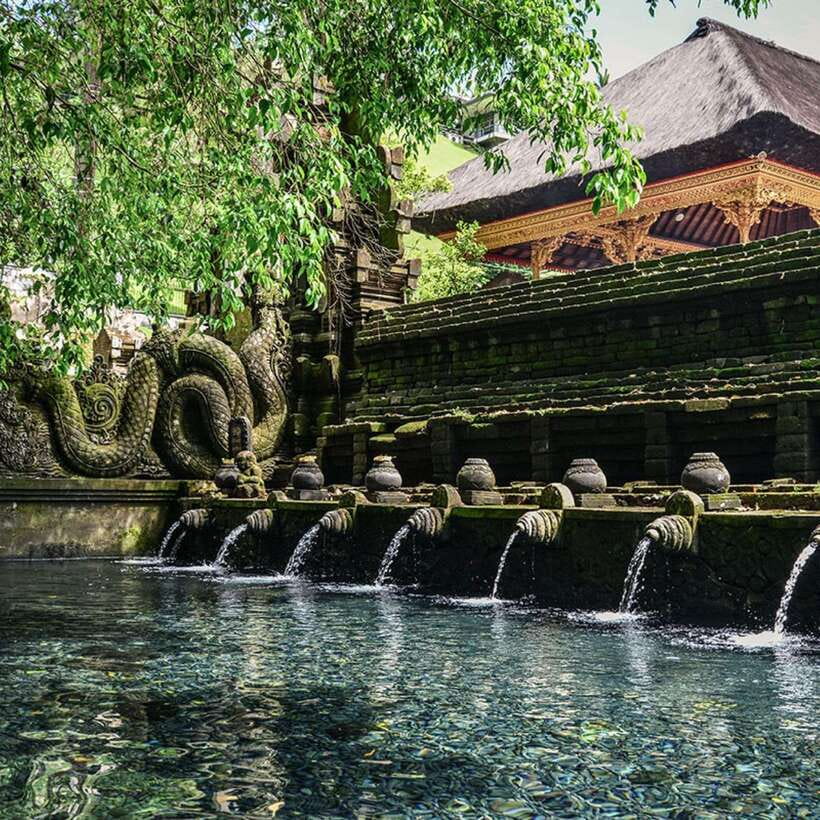
Tirta Empul is the most culturally important stop. This is a Balinese Hindu temple used for prayer and ritual, and tourists can visit the temple structure and, optionally, take part in a purification ritual.
The guide’s explanation matters most here. Take time to notice the temple layout and understand that the site is still used for worship. The purification ritual is optional, not a required part of the tour. If you choose to take part, follow local instructions and treat the ceremony with respect.
There is one important rule to know before you go: for religious reasons, women who are menstruating cannot enter the main part of Tirta Empul Temple. This is not a minor clothing note, so plan your expectations in advance. The provided information does not give further dress requirements, so ask your guide what is appropriate on the day.
The visit takes about 40 minutes to an hour. That is enough for a guided walk and an introduction to the temple, but you may want longer if you are especially interested in Balinese Hindu practice. Since this is one stop among five, the day favors breadth over extended time at one sacred site.
Guides, driving, and the private format
The driver is a major part of this experience because you spend much of the day in the car. The most consistent strengths are punctual pickup, safe driving, clean vehicles, clear explanations, and a friendly manner.
Guides named in the supplied material include Ngurah, Nyoman, Bayu, Pande, Dama, Santanu, Iwayan Budiarta, Agus, Wayan, Restu, Made, and Ketut Bayu. Individual assignments can change, so you should not assume you will receive a particular guide unless the operator confirms it. Still, the repeated praise for different drivers points to a broad team strength rather than one lucky pairing.
Solo visitors benefit especially from the private setup. Ngurah helped one solo guest with photos, while Bayu and Santanu made solo visitors feel comfortable and adjusted the day to suit their needs. A private guide can also stop for a practical errand, such as sunscreen, if time and route allow.
For couples and families, the format means you are not tied to strangers or a fixed group pace. One family found the day suitable for children, while another group of seven enjoyed the full route. The car gives you an air-conditioned place to recover between walks, though traffic around Ubud can still stretch the day.
How long the day feels
The advertised duration is nine hours. Each major stop takes about an hour, with a shorter coffee visit, plus pickup, drop-off, and road time. The exact experience may run shorter or longer depending on where you stay, traffic, weather, and how long you spend at each place.
Some people completed the stops in about six hours by moving quickly and keeping the day relaxed. That is useful context, but you should still reserve the full nine-hour window. It is better to have extra time than to schedule a dinner reservation too tightly.
Early pickup may help with traffic and heat, but starting times vary. Check availability for the actual departure time from your hotel. You should wait in the hotel lobby from five minutes before the scheduled pickup.
Food is not included, though it is available to purchase. Bring a small snack if you tend to get hungry between stops, but do not expect a full meal to be part of the $29 price.
What the $29 price gives you
At $29 per person, this is attractive if you want several Ubud-area sights without arranging transport yourself. The value comes from the private air-conditioned vehicle, driver-guide, parking, bottled water, hotel pickup and drop-off when the private option is selected, and a full day of sightseeing.
The price does not include entrance fees at the destinations or food. That distinction matters. Your actual cost will be higher, and you should check the current admission prices when planning your budget. The supplied information does not state the individual ticket amounts, so I would not assume they are small or bundled into the advertised rate.
The strongest value is convenience. Ubud’s sights are spread out, and arranging separate rides would take time and coordination. You also gain local context, help with photos, and someone who can adjust the route when rain or traffic changes the day.
It is less valuable if you want to spend half a day at one temple, take a long rice-field walk, or linger by the waterfall. This is a broad sightseeing day, not a slow single-site visit.
Who should book this Ubud tour
I would recommend it to first-time visitors who want an efficient introduction to Ubud, couples who prefer private transport, families that need a flexible pace, and solo visitors who appreciate help with photos and a friendly guide.
It also suits anyone who wants both culture and nature. You can see an active Hindu temple, learn about farming, watch macaques, taste local coffee, and swim beneath a waterfall in one outing.
You may want another plan if you dislike packed sightseeing days, feel uncomfortable around monkeys, or want guaranteed long swimming time. You should also think carefully about the temple visit if the Tirta Empul restriction applies to you.
FAQ
How long does the Ubud tour last?
The stated duration is 9 hours. Actual timing can vary with traffic, weather, pickup location, and how long you spend at each stop.
What places does the tour visit?
The route includes the Sacred Monkey Forest Sanctuary, Tegallalang Rice Terrace, Ulu Petanu Waterfall, a coffee plantation, and Tirta Empul Temple.
Is hotel pickup included?
Hotel pickup and drop-off are included if you select the private option. Pickup locations include Bali, Sanur, Denpasar, Gianyar, Ubud, Kuta, and Canggu.
What language does the guide speak?
The live tour guide speaks English.
Is transportation private?
Private air-conditioned transportation is included with the private option.
Are entrance fees included?
No. Entry fees for the destinations are not included in the stated price.
Is food included?
No. Food is not included, but it is available to purchase.
Can I swim at Ulu Petanu Waterfall?
Yes. Swimming is listed as an activity at Ulu Petanu Waterfall, although conditions on the day may affect your plans.
Can I take part in the purification ritual at Tirta Empul?
Yes, the purification ritual is optional. The temple is also open to people who only want to see the structure and learn about the site.
Can women who are menstruating enter Tirta Empul?
For religious reasons, women who are menstruating cannot enter the main part of Tirta Empul Temple.
Should you book it?
Book this tour if you want five very different Ubud experiences in one day and value a private car, a local driver-guide, and the freedom to adjust the pace. The Monkey Forest and waterfall give the day fun and freshness, while the rice terraces, coffee plantation, and Tirta Empul add useful cultural context.
Before booking, budget separately for every entrance fee and food. Also allow the full nine hours, wear comfortable walking shoes, bring swimwear if you want to use the waterfall, and remember that monkeys are wild enough to climb aboard. For a first look at Ubud with minimal transport planning, the $29 starting price offers solid value once you account for the extras.
More Temple Days Around Ubud
- Tirta Empul: Temple Tour with Optional Spiritual Cleansing
★ 4.9 · 1,257 reviews - Bali Instagram: Gate of Heaven Temple Tour
★ 5.0 · 737 reviews - Ubud Top Attractions: Waterfalls, Temples and Rice Terraces
★ 5.0 · 460 reviews - Private Tour: Uluwatu Temple & Southern Bali Highlights
★ 5.0 · 387 reviews
More Waterfall Days Around Ubud
- Best of Bali Waterfalls: Tibumana, Tukad Cepung and Tegenungan
★ 5.0 · 3,047 reviews - ATV Quad Bike Through Tunnel and Waterfall in Bali
★ 5.0 · 2,098 reviews - ATV Quad Bike Bali with Waterfall Gorilla Cave and Lunch
★ 5.0 · 1,925 reviews - Ubud: Quad ATV Waterfalls & Barong Caves
★ 4.7 · 891 reviews
Just added around Ubud
- Authentic hike in the forest with lunch at the inhabitant★ 5.0 · 3 reviews
- Heaven Gate, Tirtagangga and Tukad Cepung Waterfall – All Inclusive★ 5.0 · 3 reviews
- Half Day Uluwatu Temple Sunset, Kecak Dance and Seafood Dinner★ 3.5 · 3 reviews
- Ubud: White Water Rafting with visit Ubud Monkey Forest★ 5.0 · 3 reviews
- Ubud: Temple, Swing, Waterfall, Rice Terrace & Monkey Forest★ 5.0 · 3 reviews
- ️Bali All Inclusive Tour: Ubud – Tegalalang – Kintamani★ 5.0 · 3 reviews
- East Bali and Lempuyang Temple Tour★ 5.0 · 3 reviews
- Blue Lagoon Snorkeling and Lunch with Tukad Cepung Waterfall★ 5.0 · 3 reviews
Monkey Forest Tours, compared.

Monkey Forest, Jungle Swing, Rice Terrace, and Water Temple
Read our review →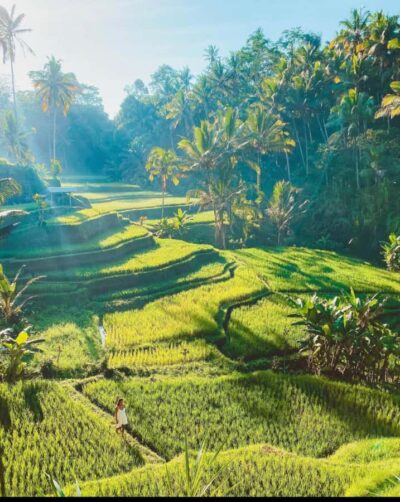
Full-Day Rice Terrace, Monkey Forest & Waterfall
Read our review →
Hands-On Silver Jewelry Making Near Ubud’s Monkey Forest
Read our review →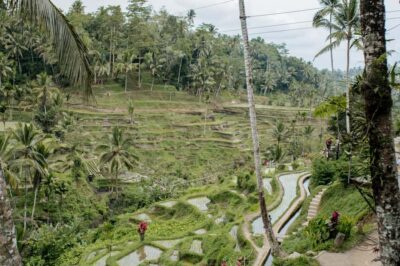
Monkey Forest, Ceking Rice Terraces and More– Full Day
Read our review →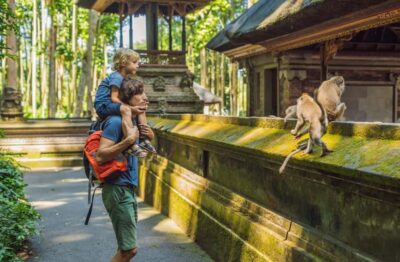
Sacred Monkey Forest Sanctuary Ticket and Guided Tour
Read our review →
Gorilla Cave ATV Bali Ubud, Monkey Forest, Temple, and Lunch
Read our review →
Saraswati Temple, Monkey Forest, Ubud Waterfalls
Read our review →Browse the lists this tour appears in