
Reviewed · MONKEY FOREST TOURS
BALI :Sanctuary Monkey forest, rice terrace Water temple
Ubud’s best-known sights are spread across the countryside, and this nine-hour tour links them in one busy but useful day. You move from monkeys and rice fields to a village waterfall, a quiet spring temple, and a coffee plantation where you can taste about 15 kinds of coffee and tea.
I like the mix of famous stops and quieter places. The Gunung Kawi Sebatu Water Temple offers a calmer look at Bali than the better-known attractions, while the guides, including Kadek Tonik, Nano, Ari, and Wayan, are praised for being kind, patient, punctual, and willing to adjust the pace.
The main drawback is the amount of ground covered. This is not a slow temple day or a relaxed nature walk. Entrance-fee information is also unclear, since one part of the tour details lists tickets as included while another says they are not, so confirm the final cost before booking.
In This Review
- Key Points Worth Knowing Before You Book
- One Day, Five Different Sides of Ubud
- Sacred Monkey Forest: Start With Ubud’s Famous Residents
- Tegalalang Rice Terrace: Bali’s Classic Farm View
- Petanu Waterfall: A Short Nature Break in the Village
- Gunung Kawi Sebatu: The Quietest and Most Special Stop
- Coffee Plantation: Tasting With a Look Behind the Cup
- Guides, Pace, and the Value of Hotel Pickup
- Is $19 Good Value?
- Who Will Enjoy This Bali Day Tour?
- What to Bring and What to Ask
- Should You Book It?
- FAQ
- How long does the Bali Ubud tour last?
- What places are included in the itinerary?
- Is hotel pickup included?
- Are entrance tickets included in the price?
- Is lunch included?
- Is the swing at Tegalalang included?
- Can I swim at Petanu Waterfall?
- What should I bring?
Key Points Worth Knowing Before You Book
- The day covers five different Ubud-area sights, including the Sacred Monkey Forest, Tegalalang Rice Terrace, Petanu Waterfall, Gunung Kawi Sebatu, and a coffee plantation.
- Hotel pickup is included, though pickup from Nusa Dua and Uluwatu costs extra.
- The monkey forest covers 12.5 hectares and contains 186 recorded plant and tree species.
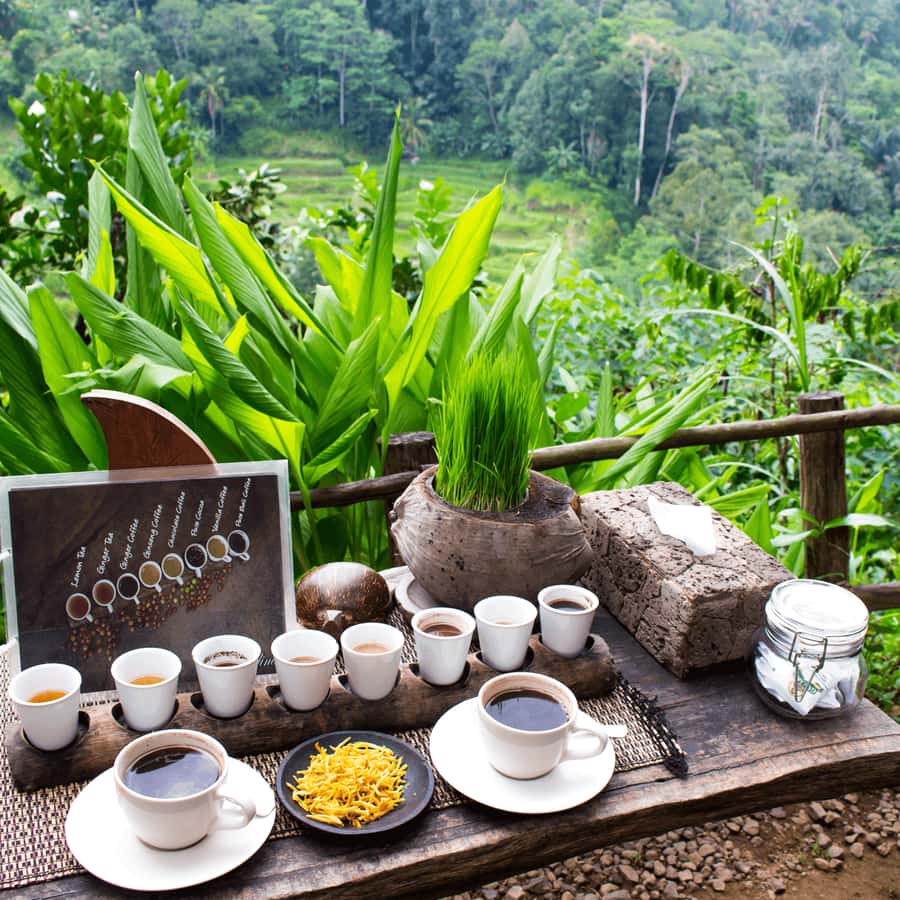
- Petanu Waterfall is a village waterfall, about 15 meters high, with clear water and the option to bring swim gear.
- Gunung Kawi Sebatu is the quieter stop, with spring-fed pools, lotus flowers, carp, shrines, and gardens.
- The $19 price is attractive, but clarify whether entrance tickets are included before payment.
One Day, Five Different Sides of Ubud

This tour works because the stops do not all feel alike. You get wildlife, farming, water, religion, and local food culture in a single route. That makes it a strong choice if you have only one full day for Ubud and want more than the usual temple-and-shopping combination.
The pace will be active. You should expect walking, uneven ground, warm weather, and several stops where you will want time for photographs. A hat, sunscreen, water, and comfortable shoes are not optional extras here. They are the difference between enjoying the day and counting the hours until the air-conditioning.
Hotel pickup is included, and you should wait in the lobby at least 10 minutes before the agreed time. A small-group option is available, and some bookings may be private or nearly private depending on demand. That flexibility matters because the best part of this experience may be the guide’s ability to let you linger at a favorite stop rather than rush every visit by the clock.
More Monkey Forest visits:
- Ubud: Monkey Forest, Jungle Swing, Rice Terrace, and Water Temple
★ 5.0 · 7,160 reviews - Ubud: Full-Day Rice Terrace, Monkey Forest & Waterfall
★ 5.0 · 2,634 reviews - Hands-On Silver Jewelry Making Near Ubud’s Monkey Forest
★ 4.9 · 1,789 reviews
Sacred Monkey Forest: Start With Ubud’s Famous Residents
The Sacred Monkey Forest Sanctuary is the most recognizable stop on the route. Its 12.5 hectares contain 186 species of plants and trees, so this is more than a quick animal encounter. The forest provides shade, paths, temples, and a chance to see one of Ubud’s defining attractions in its natural setting.
You should treat the monkeys as wildlife, not as tame photo props. Do not feed them, and keep your belongings secure. The tour instructions also prohibit smoking and littering. Respecting those rules protects both you and the animals.
The forest can be exciting, but it may not suit everyone. The experience is specifically unsuitable for people with animal allergies, and anyone uneasy around monkeys should tell the guide. You will also want to follow directions closely rather than trying to attract an animal for a better photograph.
I like that the forest gives the day an immediate sense of place. Ubud is not just a collection of restaurants and boutiques. Here, plants, animals, and sacred sites share the same space. Still, the stop can feel busy compared with the quieter temple later in the day, so your guide’s timing and crowd management will affect how pleasant it feels.
Tegalalang Rice Terrace: Bali’s Classic Farm View

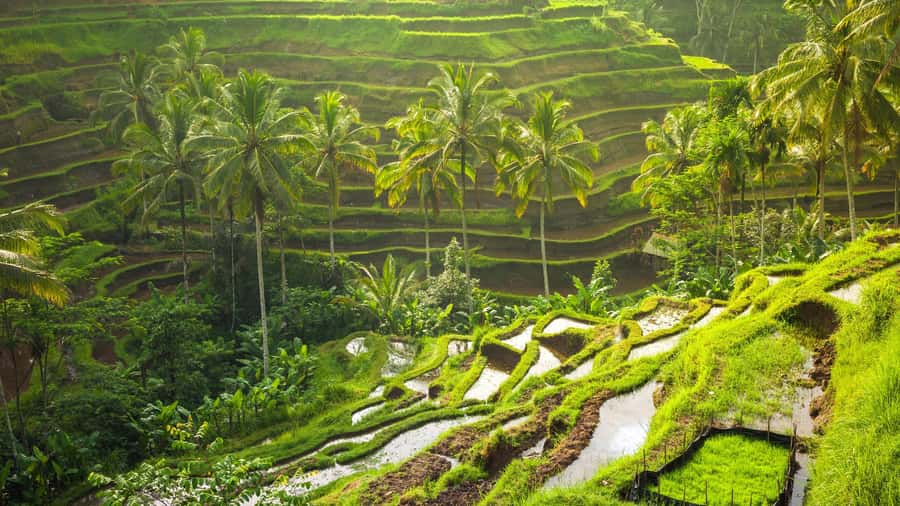
Tegalalang Rice Terrace is one of the most photographed places near Ubud, and for good reason. The stepped fields show how farming follows the shape of the hills rather than flattening them. From the viewing areas, you get the familiar layered view of rice paddies and paths cut into the slopes.
This is a good place to slow down for photographs, but it is not a flat sightseeing stop. Wear shoes with a firm grip, especially if you plan to walk beyond the main viewing point. The information provided for the tour does not promise a specific walking route, so ask your guide how much time and walking are planned before setting off.
The rice terraces are valuable because they give context to Bali’s rural life. You are not simply looking at a pretty view. You are seeing cultivated land shaped by water, labor, and generations of farming. At the same time, this is a well-known attraction, so do not expect complete solitude.
One optional extra is a swing, but it is not included. If that activity interests you, ask about the price before agreeing. The tour is already built around several paid attractions, and small add-on costs can quickly change the value of a low-cost day.
Petanu Waterfall: A Short Nature Break in the Village

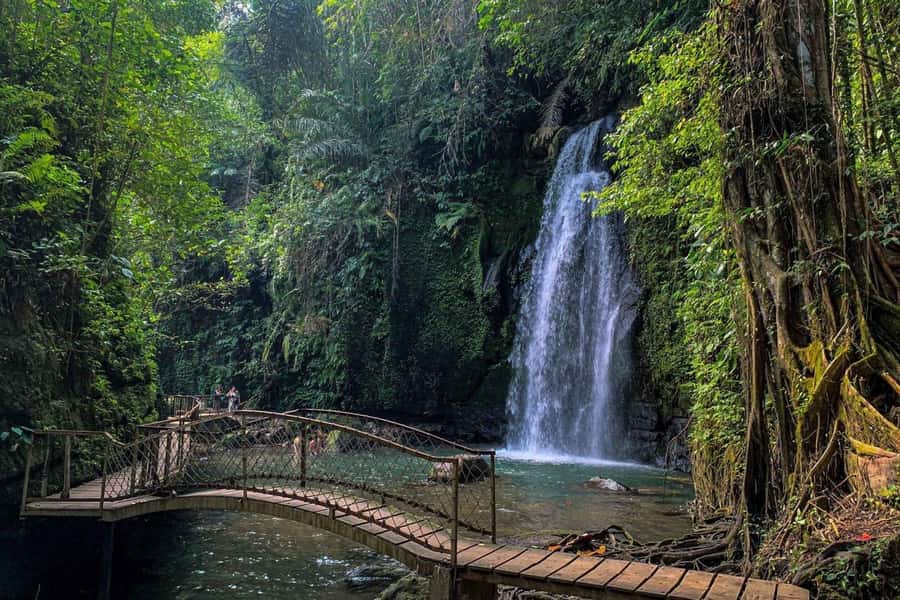
Petanu Waterfall is described as the only waterfall in the middle of its village, dropping roughly 15 meters into clear water. It gives the itinerary a welcome change of rhythm after the more structured visits to the monkey forest and rice terrace.
You might want to bring swimwear and a change of clothes. One guest specifically noted that the chance to swim at the waterfall was not clearly explained in advance, so this is a useful planning tip. The supplied information does not promise swimming conditions, lifeguards, or changing facilities, so ask your guide what is practical on the day.
The waterfall stop may be the most refreshing part of the tour, especially in Bali’s heat. But water and stone mean slippery surfaces. Comfortable shoes are recommended, and you should not assume that every path is easy for someone with limited mobility. The tour is not suitable for people with mobility impairments.
This is also where a flexible guide matters. Kadek Tonik was praised for adapting the day to personal preferences and allowing time to visit places at an individual pace. If the waterfall is your priority, explain that early rather than hoping the schedule will automatically leave extra time.
More rice terrace walks near Ubud:
- Ubud: Waterfalls, Water Temple & Rice Terraces Private Tour
★ 5.0 · 5,484 reviews - Full-Day Tour to Water Temples and UNESCO Rice Terraces in Bali
★ 5.0 · 2,539 reviews - Ubud: Monkey Forest, Ceking Rice Terraces and More– Full Day
★ 4.7 · 917 reviews - Ubud: Rice Terraces & Villages Half-Day Fat Tire E-Bike Tour
★ 4.9 · 602 reviews
Gunung Kawi Sebatu: The Quietest and Most Special Stop
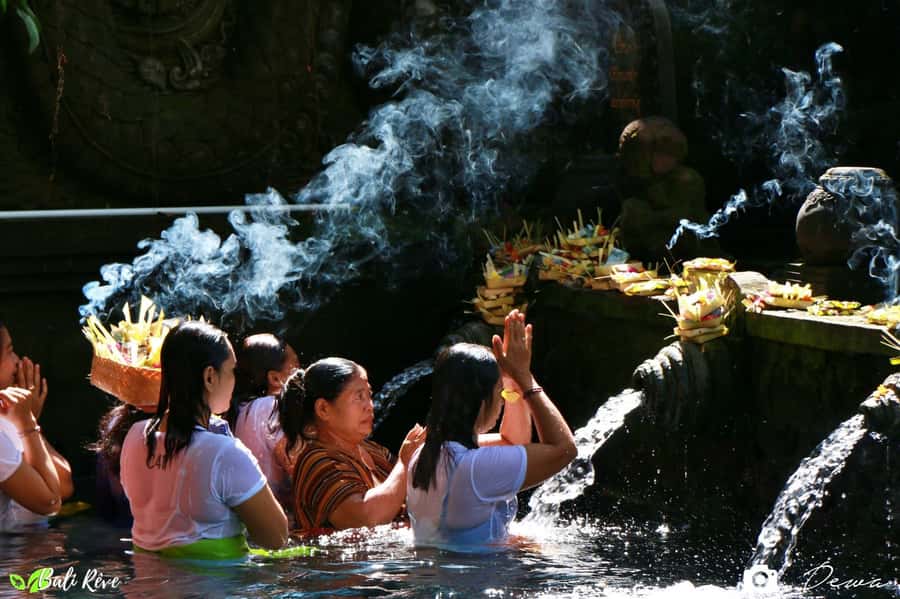
Gunung Kawi Sebatu, also called Pura Tirta Dawa Gunung Kawi Sebatu, is the temple stop that gives this tour its strongest sense of discovery. It is described as one of Bali’s less-visited temples, with ancient shrines, gardens, natural spring-fed pools, lotus flowers, and carp.
The water is central to the atmosphere. Clear pools and ponds surround the temple buildings, and the setting feels peaceful rather than theatrical. This is a place for looking closely: notice the relationship between the spring water, the shrines, the flowers, and the ritual spaces.
You should dress and behave respectfully at the temple. The tour information asks you to respect local customs, though it does not specify a required dress code. Ask your guide what is appropriate before entering sacred areas, particularly if you have come directly from the waterfall in casual clothing.
I would give this stop extra weight when deciding if the tour is right for you. The monkey forest and rice terrace are famous, but Gunung Kawi Sebatu offers a quieter experience and a better chance to appreciate Bali’s religious life without feeling hurried. If you prefer famous photo stops only, it may seem less immediately dramatic. If you value calm places, it could become the highlight.
Coffee Plantation: Tasting With a Look Behind the Cup
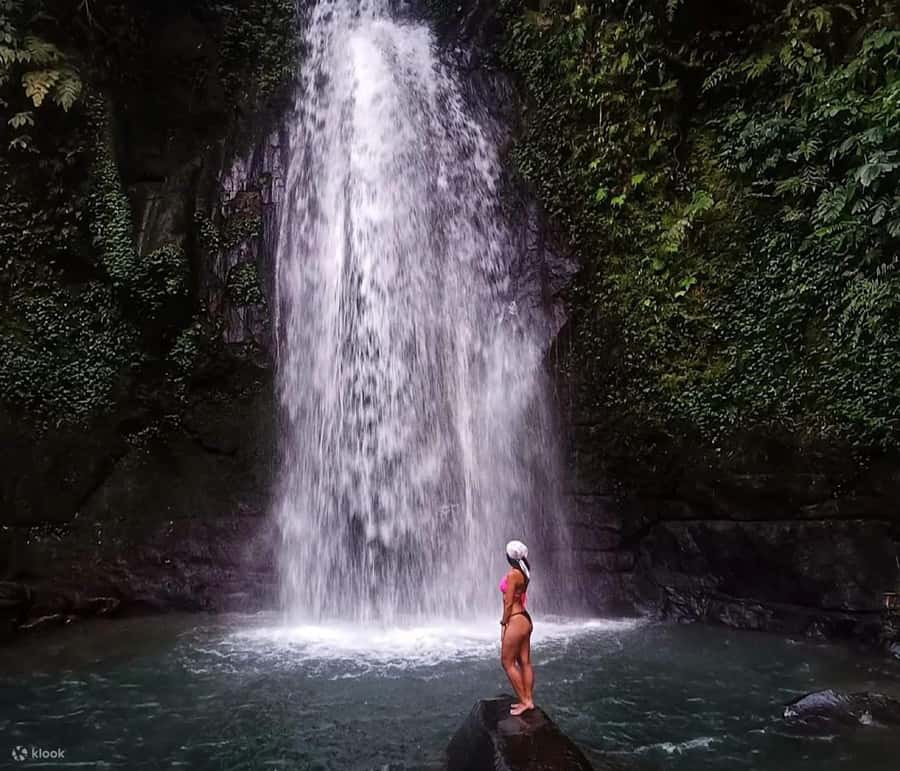
The coffee plantation visit adds a food and farming element to the day. You can taste about 15 types of coffee and tea and see the process from picking coffee beans through preparation and drinking.
The tasting is more useful if you pay attention to the production steps rather than treating it as a free-drink stop. It gives you a basic sense of how coffee moves from plant to cup and lets you compare different flavors. You can also use the visit as a chance to rest after the walking portions of the tour.
Civet coffee is included among the tasting options and is described as one of the world’s most famous coffees. If you are interested, ask questions about sourcing and animal welfare before buying anything. The tour information says you can see the coffee-making process, but it does not provide details about the plantation’s sourcing standards, so it is sensible to make your own decision.
Tea drinkers are not left out. With around 15 coffee and tea choices, this stop has broader appeal than its name suggests. Still, tasting rooms often include opportunities to purchase products, and buying coffee is optional. Do not feel pressured to turn a tasting into a shopping stop.
Guides, Pace, and the Value of Hotel Pickup
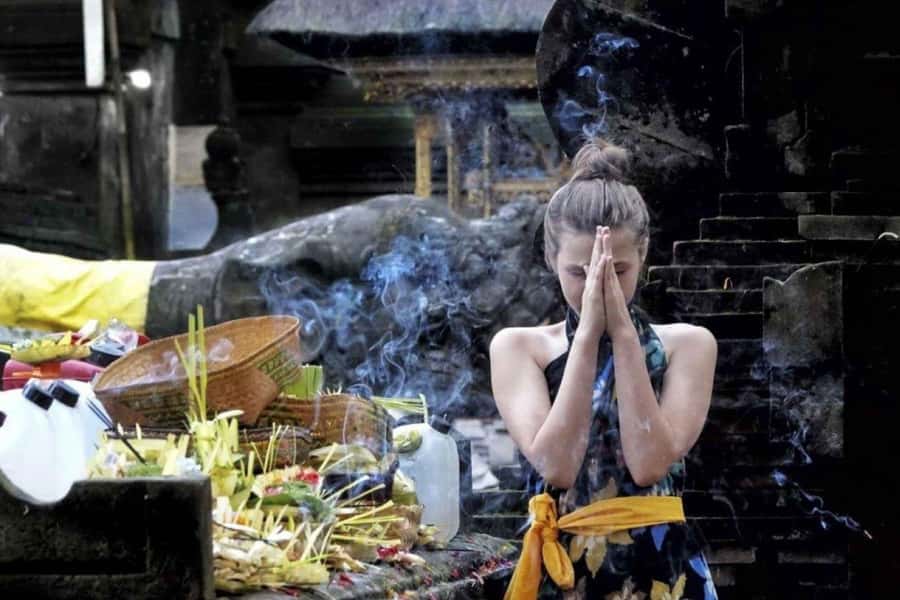
The strongest pattern in the guide feedback is personal attention. Kadek is described as respectful, kind, patient, and able to take a solo guest through Ubud’s main sights. Nano is praised for checking that everything was comfortable and for explaining each stop clearly. Ari is described as professional and friendly, while Wayan is noted for staying with the group and being helpful.
One guide was also praised for taking photographs. That can be genuinely useful when you are traveling alone or want a picture that includes the whole group. You should still bring your own camera, since photography is one of the stated things to prepare.
The ability to adapt the day is a real advantage. You may prefer more time at the temple, more photographs at the rice terrace, or a slower visit to the waterfall. The tour is not advertised as a rigid transport-only circuit, and the guide’s attitude can make the difference between a pleasant day and a tiring checklist.
Pickup is included from any hotel according to the tour details, with an extra charge for Nusa Dua and Uluwatu. That saves you from arranging separate transport to the Ubud area. Since Bali traffic can affect a nine-hour day, hotel pickup is convenient, but you should keep your schedule open rather than booking a tightly timed evening activity.
Is $19 Good Value?
At $19 per person, this is an inexpensive way to cover several Ubud sights in one day. The value is strongest if you want transport, a guide, and a broad introduction rather than a slow, deeply focused visit to one location.
The price needs one important check. The included section lists visits to the monkey forest, rice terrace, waterfall, coffee plantation, and water temple, while the exclusions say entrance tickets are not included. Since those statements conflict, ask the provider exactly which admission fees are covered and which you will pay locally.
Lunch is not included. Plan to pay for your own meal, and remember that the itinerary may include a restaurant recommendation from the guide. A previous guide was appreciated for suggesting a good lunch place, but the cost and location are not specified.
The swing is also not included. Neither are any extra purchases at the coffee plantation. With those points in mind, the tour can still offer good value, but the headline price should not be your entire budget for the day.
Who Will Enjoy This Bali Day Tour?

I would choose this tour if you are staying in Bali for a short time and want a broad introduction to Ubud. It suits solo visitors especially well when a patient guide can help with photographs, explain the sights, and adjust the pace.
It also suits couples and small groups who prefer a planned day with several contrasting stops. The high overall rating and repeated praise for punctual, gentle guides suggest that service is a major strength of the experience.
You may want a different plan if you dislike animal encounters, have an animal allergy, or find uneven walking difficult. The tour is also less suitable if your priority is spending most of the day at one temple, one waterfall, or one rice terrace. Five stops in nine hours means variety, not long stretches of free time.
For families, the wildlife and waterfall may be appealing, but the tour information does not provide a minimum age or child-specific details. Ask the provider before booking if you need those arrangements.
What to Bring and What to Ask
Bring comfortable shoes, a hat, sunscreen, water, and a camera. Add swimwear and a change of clothes if you would like the option of getting into the waterfall, though swimming conditions are not guaranteed.
Before booking, ask these practical questions:
- Are all entrance tickets included, or are some paid separately?
- Is the booking private or small group on your chosen date?
- Is swimming possible at Petanu Waterfall?
- What pickup surcharge applies from Nusa Dua or Uluwatu?
- How much time is planned at each stop?
- What clothing is suitable for Gunung Kawi Sebatu?
The tour allows cancellation up to 24 hours before departure for a full refund, and you can reserve now and pay later. Those terms are useful if your Bali plans may change.
Should You Book It?
Book this tour if you want a low-cost, well-packed day that combines Ubud’s famous monkey forest and rice terrace with a quieter temple, a waterfall, and a coffee tasting. The guide service appears to be the heart of the experience, with Kadek, Nano, Ari, and Wayan all praised for kindness, patience, clear explanations, and thoughtful help.
Skip it if you want a leisurely day, dislike walking, or prefer to avoid animal encounters. Most important, confirm the entrance-ticket costs and ask about swimming at the waterfall. With those details settled, this is a practical first look at Ubud that gives you both the classic sights and a few calmer moments.
FAQ
How long does the Bali Ubud tour last?
The tour lasts nine hours. Starting times depend on availability, so check the schedule when booking.
What places are included in the itinerary?
The tour includes Ubud Village, Sacred Monkey Forest Sanctuary, Tegalalang Rice Terrace, Petanu Waterfall, a coffee plantation, and Gunung Kawi Sebatu Water Temple.
Is hotel pickup included?
Yes. Pickup is included from any hotel according to the tour information. Pickup from the Nusa Dua and Uluwatu areas requires an additional cost.
Are entrance tickets included in the price?
The details are inconsistent. One section lists visits and entrance to the Sacred Monkey Forest as included, while another says entrance tickets are not included. Confirm the exact ticket policy with Bali Wayan Tour before booking.
Is lunch included?
No. Lunch is not included in the tour price.
Is the swing at Tegalalang included?
No. The swing is listed as an additional activity and is not included.
Can I swim at Petanu Waterfall?
The waterfall has clear water, and you may be able to swim, but swimming is not guaranteed in the supplied tour details. Bring swimwear if you want the option, and ask your guide about conditions on the day.
What should I bring?
Bring comfortable shoes, a hat, sunscreen, water, and a camera. Respect local customs and wildlife, and do not smoke, litter, or feed the monkeys.
More Temple Days Around Ubud
- Tirta Empul: Temple Tour with Optional Spiritual Cleansing
★ 4.9 · 1,257 reviews - Bali Instagram: Gate of Heaven Temple Tour
★ 5.0 · 737 reviews - Ubud Top Attractions: Waterfalls, Temples and Rice Terraces
★ 5.0 · 460 reviews - Private Tour: Uluwatu Temple & Southern Bali Highlights
★ 5.0 · 387 reviews
Just added around Ubud
- Authentic hike in the forest with lunch at the inhabitant★ 5.0 · 3 reviews
- Heaven Gate, Tirtagangga and Tukad Cepung Waterfall – All Inclusive★ 5.0 · 3 reviews
- Half Day Uluwatu Temple Sunset, Kecak Dance and Seafood Dinner★ 3.5 · 3 reviews
- Ubud: White Water Rafting with visit Ubud Monkey Forest★ 5.0 · 3 reviews
- ️Bali All Inclusive Tour: Ubud – Tegalalang – Kintamani★ 5.0 · 3 reviews
- East Bali and Lempuyang Temple Tour★ 5.0 · 3 reviews
- Ubud: Temple, Swing, Waterfall, Rice Terrace & Monkey Forest★ 5.0 · 3 reviews
- Blue Lagoon Snorkeling and Lunch with Tukad Cepung Waterfall★ 5.0 · 3 reviews
Monkey Forest Tours, compared.

Monkey Forest, Jungle Swing, Rice Terrace, and Water Temple
Read our review →
Full-Day Rice Terrace, Monkey Forest & Waterfall
Read our review →
Hands-On Silver Jewelry Making Near Ubud’s Monkey Forest
Read our review →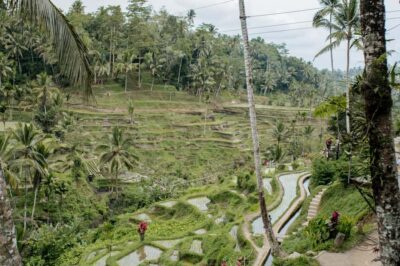
Monkey Forest, Ceking Rice Terraces and More– Full Day
Read our review →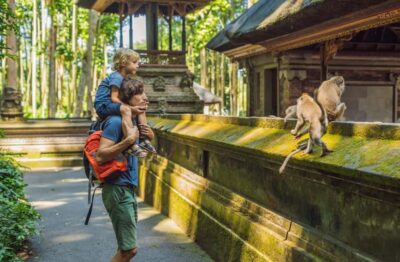
Sacred Monkey Forest Sanctuary Ticket and Guided Tour
Read our review →
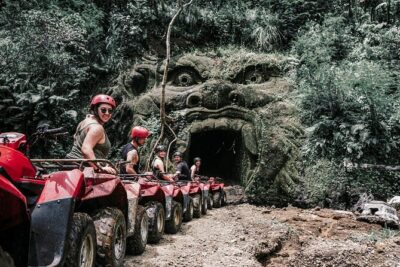
Gorilla Cave ATV Bali Ubud, Monkey Forest, Temple, and Lunch
Read our review →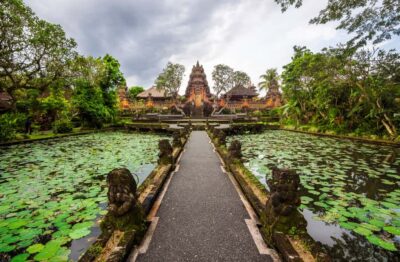
Saraswati Temple, Monkey Forest, Ubud Waterfalls
Read our review →Browse the lists this tour appears in