
Reviewed · UBUD
Ubud Wood Carving Experience
Wood carving here is not a quick craft class with a souvenir at the end. In Desa Keliki, about 15 minutes from central Ubud, you work in a traditional studio with artists who treat carving as both a craft and a spiritual practice tied to nature. You make your own sculpture, rather than simply watching someone else work.
I like two things in particular: the patient instruction, which makes a difficult-looking skill approachable, and the chance to learn about Balinese culture while your hands are busy. Guides including Gusti and Sibuk have been praised for their care, patience, and ability to explain local traditions in English. The main consideration is comfort: carving may involve sitting for long periods, and the activity is not recommended for people with mobility impairments or pregnant women.
In This Review
- Key points at a glance
- From Ubud to Desa Keliki in 15 minutes
- Meeting the carvers and choosing your approach
- Why Balinese wood carving means more than decoration
- Three hours of patient, hands-on work
- A calm choice for families and first-time artists
- What the $26 price really covers
- What to bring and how to prepare
- The strengths and limits of the studio experience
- Who should book this workshop
- Should you book the Ubud Wood Carving Experience?
- FAQ
- How long does the Ubud Wood Carving Experience last?
- Where does the wood carving workshop take place?
- Is hotel pickup and drop-off included?
- What is included in the price?
- Is the workshop suitable for beginners and children?
- What language is used during the activity?
- What should I bring?
- Can people with mobility impairments take part?
- Can I cancel the booking?
Key points at a glance
- A short trip from Ubud: Desa Keliki is roughly 15 minutes from the heart of Ubud.
- You create a real keepsake: The finished wooden sculpture is yours to take home.
- Patient English-speaking guidance: Gusti and Sibuk are among the instructors named by visitors.
- A calm studio setting: The workshop takes place in a peaceful area surrounded by greenery.
- Good for first-timers and families: A 10-year-old child successfully took part with patient instruction.
- Practical value at $26: Tools, wood, instruction, refreshments, and a snack are included.
From Ubud to Desa Keliki in 15 minutes
The experience begins with your own transport to Desa Keliki, a village just outside Ubud. Hotel pickup and drop-off are not included, so you need to arrange the short journey yourself. That small bit of planning matters, especially if you are booking an early or tightly scheduled activity.
The setting helps this feel different from a craft class in a city shop. Desa Keliki is associated with generations of artistic work, and the studio is described as a peaceful place among greenery. You are not being rushed through a tourist display. You are entering a working artistic environment where carving remains connected to local culture.
The 15-minute distance is also useful. You can fit the workshop into a day based in Ubud without giving up an entire day to transport. Allow extra time around the stated three hours if you need to organize a ride, since the workshop itself does not include transfers.
Other Ubud days people book alongside this one:
- All-Inclusive Ubud Private Tour
★ 5.0 · 14,344 reviews - Best of Ubud Full-Day Tour with Jungle Swing
★ 5.0 · 8,571 reviews - Ubud: Monkey Forest, Jungle Swing, Rice Terrace, and Water Temple
★ 5.0 · 7,160 reviews
Meeting the carvers and choosing your approach
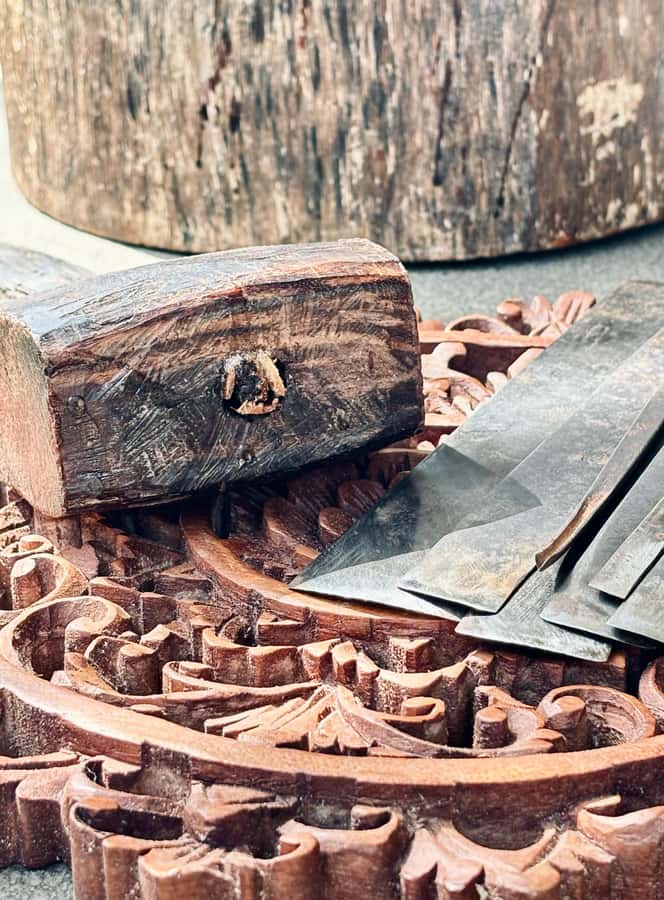
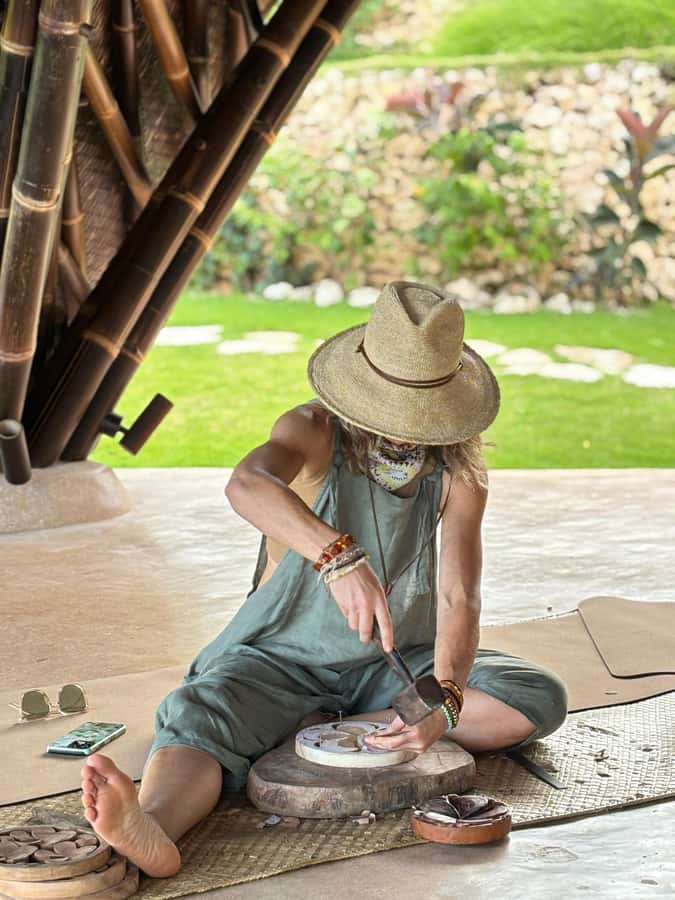
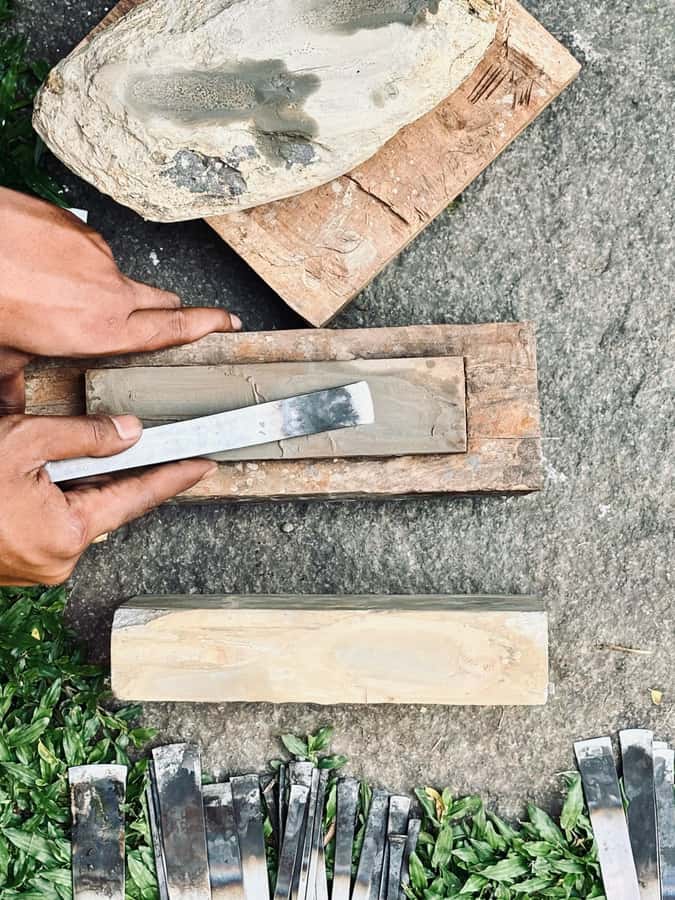
At Five Arts Studio, an English-speaking instructor introduces you to the basic tools and the carving process. The class is designed for beginners, so you do not need previous experience or a background in drawing. You should arrive ready to listen carefully, follow demonstrations, and work slowly.
That last point is important. Wood carving is a hands-on skill, but it is not a race. The appeal comes from watching a rough piece of wood change under controlled cuts. Your instructor explains the techniques and helps you handle the tools safely and accurately.
The teaching style seems to be one of the strongest parts of the experience. Gusti is described as patient and clear with children, while Sibuk is praised for being kind and helpful. Another instructor was noted for explaining each detail with care and ease. Those details suggest a workshop where you can ask for help rather than worry about getting everything right on the first try.
You should expect guidance throughout the process. This is not a class where you receive tools, a block of wood, and a quick goodbye. The instructors work with you as the sculpture takes shape, which is especially helpful if your first cuts feel uncertain.
Why Balinese wood carving means more than decoration
The activity presents carving as a spiritual practice linked to Bali’s connection with nature and culture. That idea gives the class more weight than a standard craft souvenir session. You are learning why the work matters, not just how to make marks in wood.
The supplied information does not specify a particular figure, symbol, or sculpture design. That is useful to keep in mind when you book. You can expect to create a piece of art with guidance, but you should not assume that one exact design is guaranteed.
The cultural discussion is part of the experience’s value. One guide is specifically praised for sharing information about Balinese culture and history while teaching the carving process. This turns the workshop into two activities at once: a practical lesson for your hands and a cultural conversation for your mind.
I like that combination. You may forget a few facts from a temple visit, but the meaning attached to a piece you carved yourself can stay with you. The finished sculpture becomes a reminder of time spent learning in Bali, not just an object purchased from a shop.
Three hours of patient, hands-on work
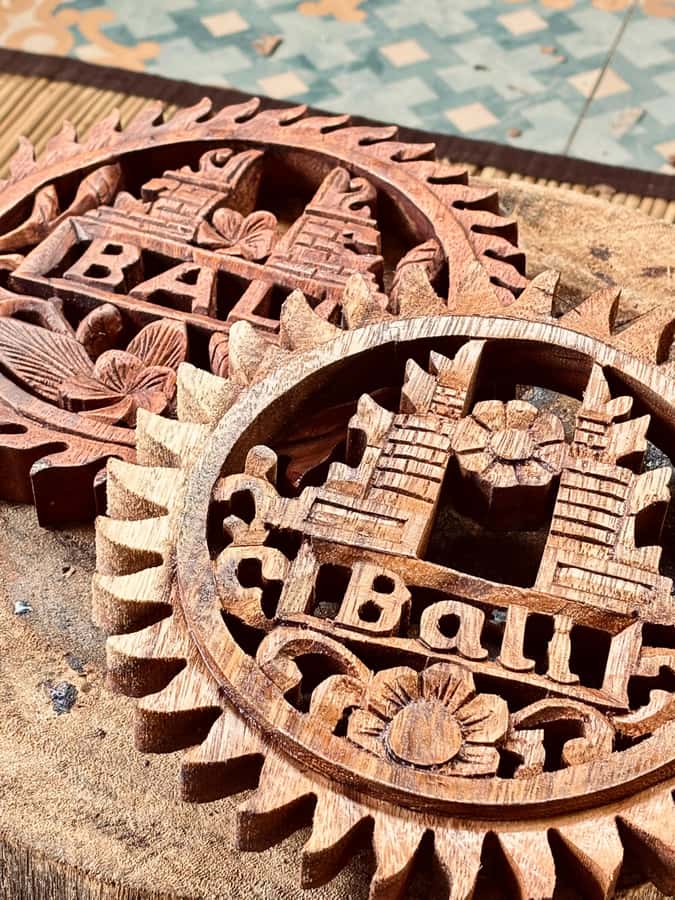
The workshop lasts three hours. That gives you enough time to receive an introduction, practice the basic technique, develop the sculpture, and finish with help from the instructor. The exact order and pace are not specified, so you should treat the session as guided creative work rather than a tightly timed demonstration.
The first stage is likely to feel the most instructional. You learn how to use the carving tools and how much pressure to apply. A patient approach is essential. The wood does not respond well to hurried movements, and the class is designed around learning rather than speed.
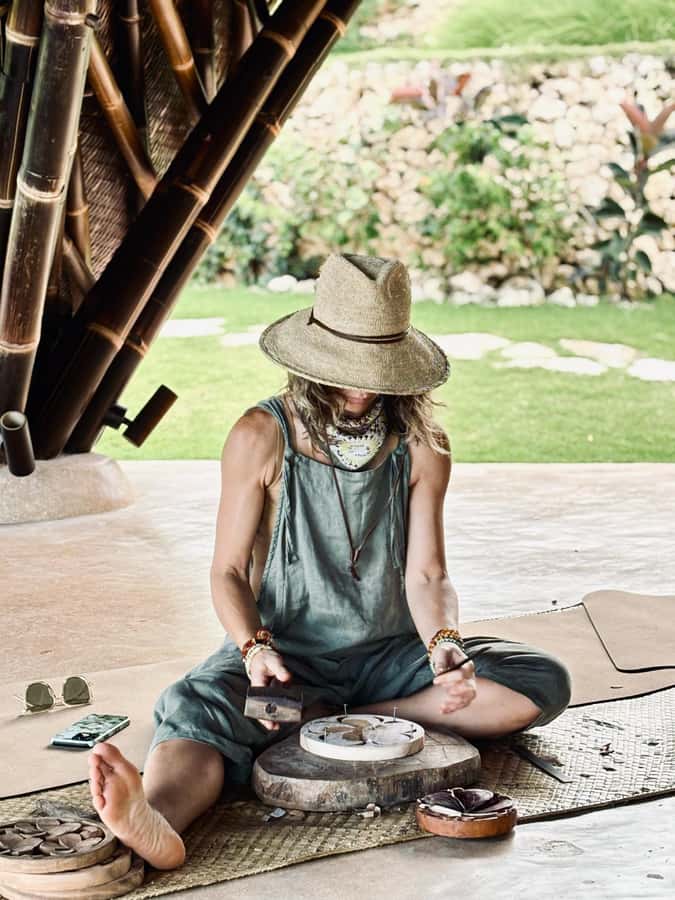
The middle portion is where the activity becomes personal. You begin shaping the piece with your own hands, while the instructor corrects technique and helps with details. This is also the point when the workshop can feel most rewarding. You can see evidence of your effort instead of simply listening to an explanation.
The final stage is about bringing the sculpture together. You may not produce the work of a master carver in three hours, and that is not the point. The charm lies in taking home something you helped create, complete with the small marks that show it was made during your time in Bali.
Refreshments and a snack are included. They are modest but welcome additions during a three-hour class. Meals are not included, so plan to eat separately if you need a full lunch or breakfast.
A completely different day out, same corner of Ubud:
- Ubud: Waterfalls, Water Temple & Rice Terraces Private Tour
★ 5.0 · 5,484 reviews - Ubud: All-Inclusive Tour with Optional Lunch
★ 4.9 · 5,438 reviews - Ubud: Guided ATV Quad Bike Jungle Adventure with Lunch
★ 4.8 · 4,881 reviews - Best of Ubud 1-Day Private Tour
★ 5.0 · 4,451 reviews
A calm choice for families and first-time artists
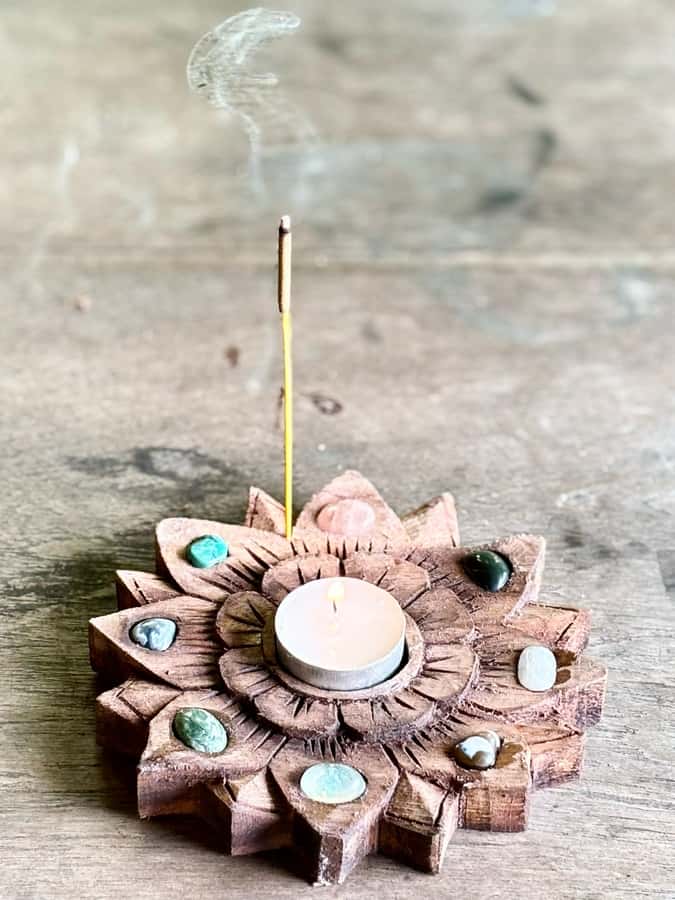
This workshop suits people who want a cultural activity that is active without being physically demanding in the usual sightseeing sense. You spend the session working with your hands, listening, and concentrating. It can be a nice change from visiting temples, galleries, and markets.
Families can consider it too. A 10-year-old child took part successfully, with the instructor offering patient guidance. That does not guarantee that every child will enjoy the class, but it shows that the activity can work for older children who are comfortable following instructions.
The workshop also suits solo visitors and couples looking for a personal souvenir. You do not need to be artistic to take part. The instructors provide the tools, materials, and teaching, so the main requirement is curiosity and a willingness to accept help.
I would be more cautious about booking it for anyone with knee, hip, or mobility problems. The official information lists the activity as unsuitable for people with mobility impairments. One participant with knee trouble was accommodated with a chair, which is encouraging, but you should contact the provider before booking rather than assume that arrangement will always be available.
Pregnant women should not book this activity according to the stated restrictions. Comfortable clothing and shoes are recommended, and you should choose clothes that can handle dust or wood shavings.
What the $26 price really covers
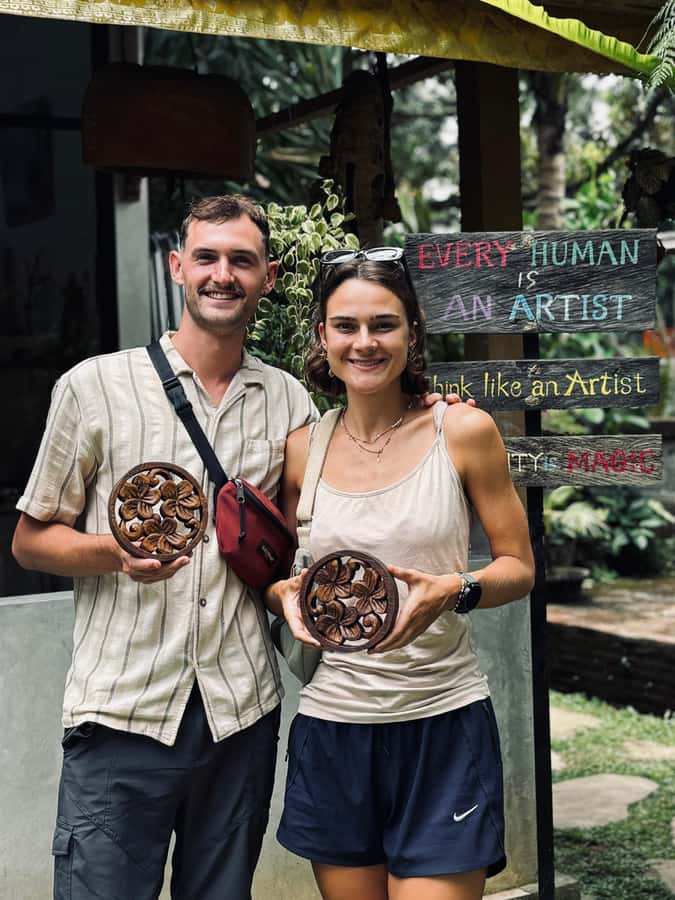
At $26 per person, the workshop offers solid value if you want more than a passive cultural visit. The price includes the guided class, all necessary carving tools and materials, refreshments, and a snack. You also leave with the sculpture you helped make.
The strongest part of the value is the instruction. Buying a carved object in Ubud may be easier, but it does not give you the memory of making it or the chance to understand the work behind it. Here, the souvenir is tied to an experience and a skill.
The price does not include transportation or a meal. Since the studio is only about 15 minutes from central Ubud, arranging a ride should be manageable, but it remains an extra cost and a small logistical task. If you are comparing this with a full-day excursion, the three-hour format is another advantage. You can add it to a wider Ubud itinerary without giving up most of your day.
The rating is 4.5 from 23 ratings, with especially strong praise for the instructors’ patience, cultural explanations, and the pleasure of making something by hand. One four-star assessment found the session enjoyable but not especially unusual. That is a fair warning for experienced artists or people who have taken several craft workshops already. For a beginner seeking a personal souvenir, the value is stronger.
What to bring and how to prepare
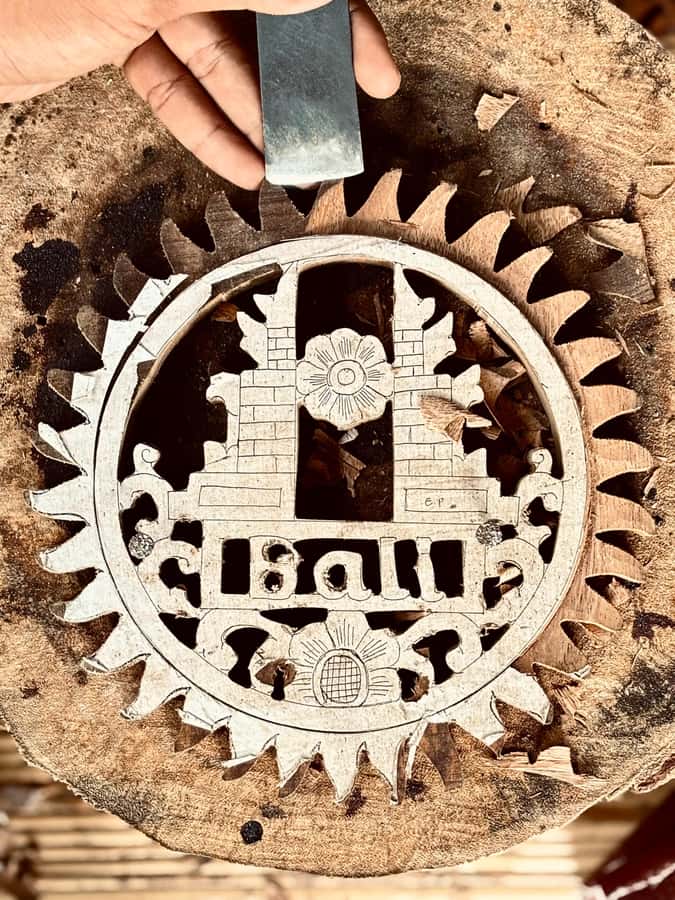
Keep your clothing simple and comfortable. You need room to sit and work, and you should not wear anything you would worry about around wood dust or carving tools. Comfortable shoes are listed as essential, even though the class itself is focused on seated, hands-on work.
Bring a camera if you want photographs of the studio, the carving process, or your completed sculpture. Ask before photographing people or private work areas. A phone is enough for most visitors, so you do not need special equipment.
The instructors speak English. That makes the technical teaching and cultural explanations easier to follow for English-speaking visitors. If you have specific questions about the design, seating, or the physical demands of the class, ask before the session begins.
The booking terms are friendly for uncertain plans. You can cancel up to 24 hours in advance for a full refund, and you can reserve now and pay later. Check the available starting times before committing, since the three-hour duration makes timing important when you have other Ubud plans.
The strengths and limits of the studio experience
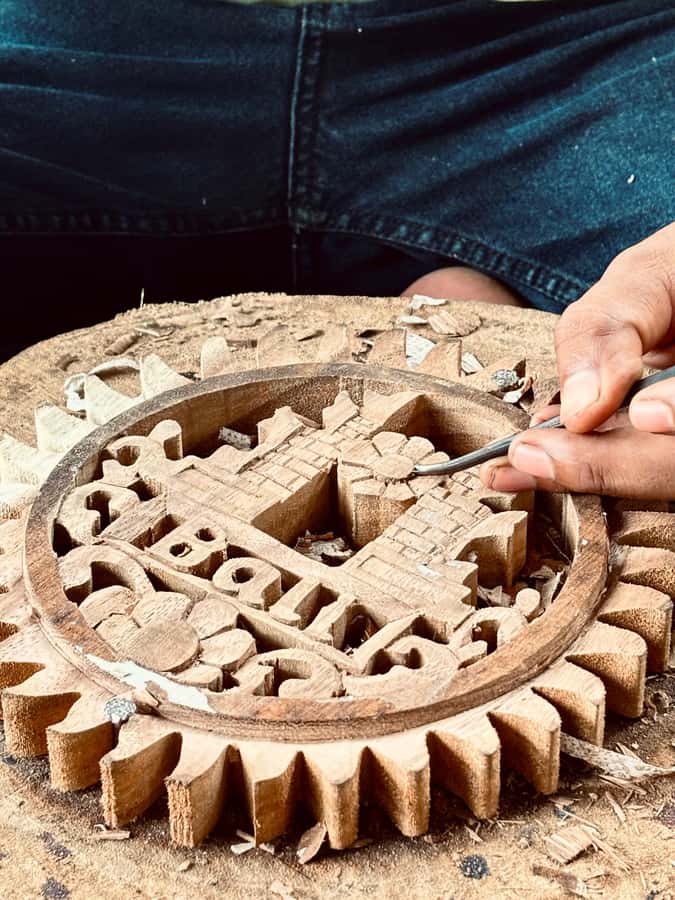
The best feature is the personal nature of the work. You are not merely looking at carved objects. You are learning how a piece begins, how tools affect the wood, and how patience shapes the final form.
The second strength is the tone of the teaching. The available comments point again and again to kindness, care, and patience. That matters in an activity where a rushed or overly strict instructor could make a beginner feel clumsy. Instead, the class appears suited to people who need time and encouragement.
The peaceful setting is another advantage. A studio in a green village environment can make three hours feel more relaxed than a busy commercial attraction. The atmosphere is part of the appeal, especially after a crowded morning in Ubud.
The limits are clear. You must arrange your own transport. The activity is not appropriate for pregnant women or people with mobility impairments. The final result may be meaningful to you because you made it, but it will not necessarily have the fine finish of a professional Balinese sculpture. Go for the process, not the promise of becoming a master in one afternoon.
Who should book this workshop
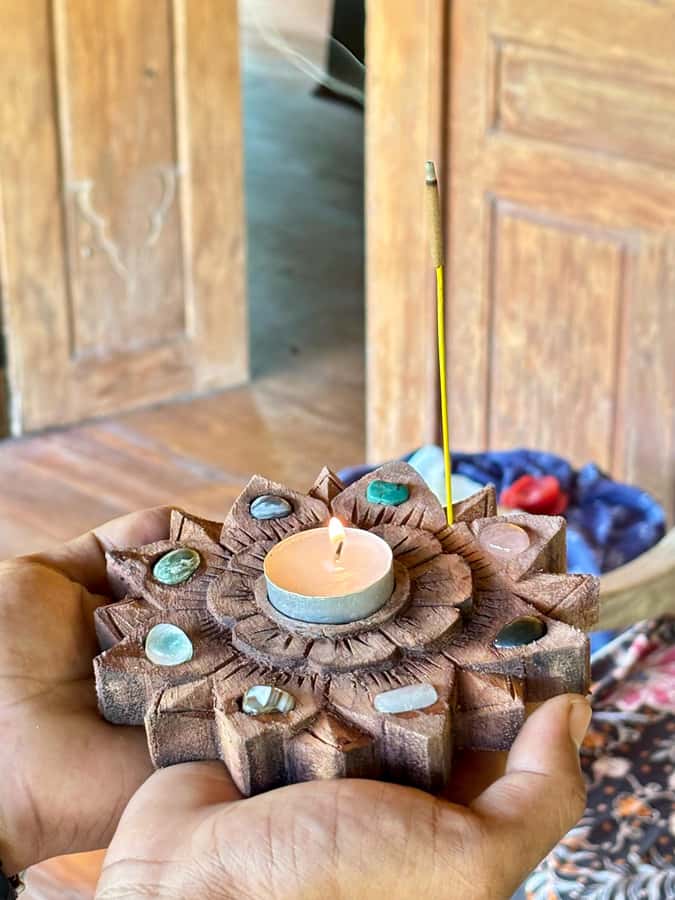
I would recommend it to first-time visitors who want a direct connection with Balinese culture. It is also a good choice for couples, solo visitors, and families with older children who enjoy making things rather than only seeing them.
It suits you especially well if you value a handmade souvenir and like the idea of spending part of your holiday learning from a local artist. The English instruction, included equipment, and three-hour length keep the experience simple to join.
I would choose another activity if you want a polished, professionally made souvenir with no effort, or if you have limited time and cannot arrange transport. Artists with extensive carving experience may also find the session basic, although the cultural background can still add interest.
Should you book the Ubud Wood Carving Experience?
Book it if you want to slow down, work with your hands, and take home an object with a personal story. At $26, the included tools, materials, snack, refreshments, and instruction make it a reasonable cultural activity near Ubud.
Before booking, check the starting time, arrange your own ride, and ask about seating if you have knee or mobility concerns. If those details work for you, Five Arts Studio offers a thoughtful way to meet Balinese artistic tradition through your own effort, one careful cut at a time.
FAQ
How long does the Ubud Wood Carving Experience last?
The workshop lasts three hours. Check the available starting times when booking.
Where does the wood carving workshop take place?
It takes place at Five Arts Studio in Desa Keliki, about a 15-minute drive from the heart of Ubud.
Is hotel pickup and drop-off included?
No. Hotel pickup and drop-off are not included, so you need to arrange your own transport to and from the studio.
What is included in the price?
The $26 price includes a guided wood carving workshop, all necessary tools and materials, refreshments, and a snack. Meals and transportation are not included.
Is the workshop suitable for beginners and children?
Yes. The class is intended for beginners as well as more experienced artists. A 10-year-old child successfully took part with patient instruction.
What language is used during the activity?
The instruction is in English. Guides named in connection with the workshop include Gusti and Sibuk.
What should I bring?
Bring comfortable shoes, comfortable clothing, and a camera if you want to take photographs.
Can people with mobility impairments take part?
The activity is listed as unsuitable for people with mobility impairments. One participant with knee problems was provided with a chair, but you should check with the provider in advance about your specific needs.
Can I cancel the booking?
You can cancel up to 24 hours in advance for a full refund. The reserve-now, pay-later option also lets you keep your plans flexible.
Just added around Ubud
- Authentic hike in the forest with lunch at the inhabitant★ 5.0 · 3 reviews
- Heaven Gate, Tirtagangga and Tukad Cepung Waterfall – All Inclusive★ 5.0 · 3 reviews
- Half Day Uluwatu Temple Sunset, Kecak Dance and Seafood Dinner★ 3.5 · 3 reviews
- Ubud: White Water Rafting with visit Ubud Monkey Forest★ 5.0 · 3 reviews
- ️Bali All Inclusive Tour: Ubud – Tegalalang – Kintamani★ 5.0 · 3 reviews
- East Bali and Lempuyang Temple Tour★ 5.0 · 3 reviews
- Ubud: Temple, Swing, Waterfall, Rice Terrace & Monkey Forest★ 5.0 · 3 reviews
- Blue Lagoon Snorkeling and Lunch with Tukad Cepung Waterfall★ 5.0 · 3 reviews