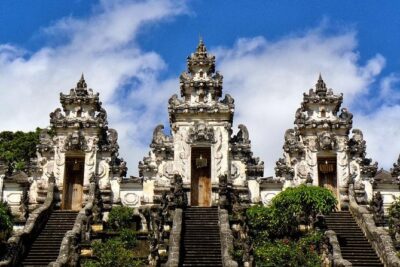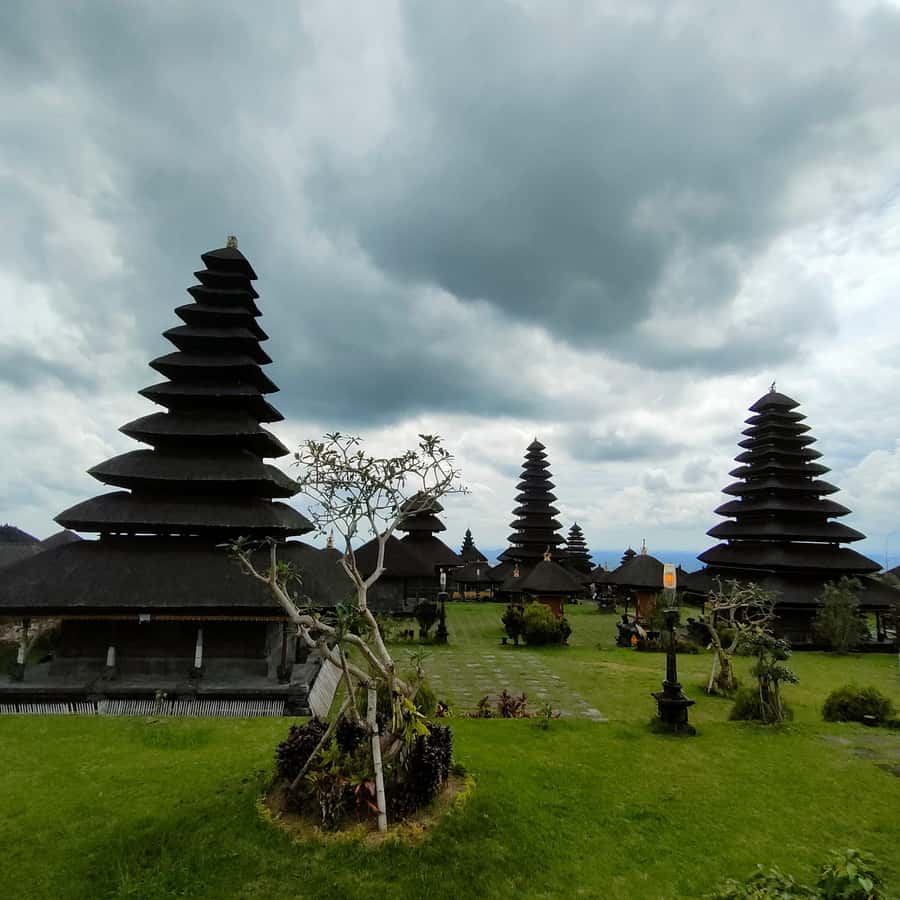
Reviewed · TOURS
Tour the island of Bali with expert tour guides in Spanish.
Bali’s most important temple is the grand finale here, but the better surprise may be the quiet road between the stops. This private day tour links Goa Gajah, Tibumana Waterfall, Kehen Temple, and Besakih without making you follow a crowded, one-note sightseeing route.
I like the Spanish-speaking guide, especially if you want cultural details explained clearly and the day adjusted to your pace. I also like the chance to swim at Tibumana and pause at Kehen, where a huge ficus tree grows within the temple grounds. The drawback is that temple admission, donations, meals, and insurance cost extra, so the $123 price is not the full day’s expense.
- Goa Gajah begins the day with an 11th-century temple and its famous Elephant Cave.
- Tibumana Waterfall offers a rainforest setting and the option to swim.
- Kehen Temple brings quieter old Balinese architecture and a giant interior ficus tree.
- Besakih, called the Mother Temple, sits on the slopes of Mount Agung at about 1,000 meters.
- A private group of up to four makes the $123 rate good value when shared.
- Spanish guidance and flexible pacing are the tour’s strongest practical advantages.
In This Review
- Four Bali landmarks on one long private day
- Goa Gajah and Bali’s ancient stonework
- Tibumana Waterfall in Bangun Lemah
- Kehen Temple and the giant ficus tree
- Besakih, the Mother Temple of Bali
- Why the Spanish-speaking guide matters
- The $123 price and what it really covers
- What to pack for a 10-hour outing
- Who will get the most from this route
- Should you book this Bali tour?
- FAQ
- How long does the tour last?
- Which places can provide pickup?
- Where can the tour drop me off?
- Is the tour private?
- Is the guide Spanish-speaking?
- Are temple entrance fees included?
- Can I cancel for a refund?
Four Bali landmarks on one long private day
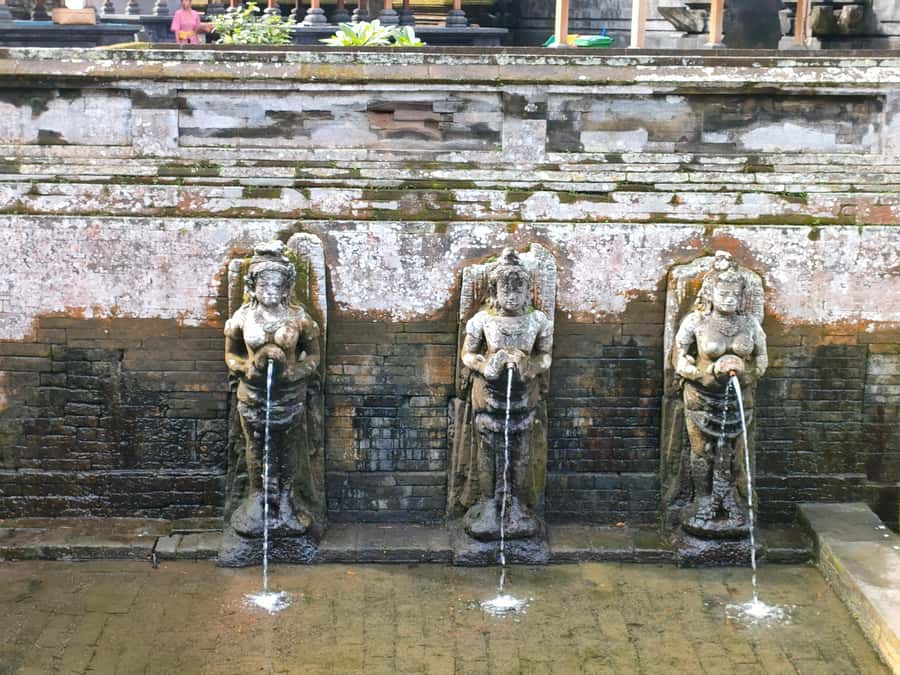
This is a full 10-hour outing, not a quick loop around one part of the island. You are collected at your hotel reception in Ubud, Payangan, Kemenuh, or Sanur, then driven between four very different sites in an air-conditioned car.
That private format matters in Bali. You are not tied to a large group’s pace, and the guide can respond to road delays or your interests. One Spanish-speaking guide was praised for handling unexpected traffic problems quickly and offering different options when the group’s plans needed to change. That sort of flexibility can save a day when roads slow down.
You receive two cold bottles of water, and parking is covered. Bring cash or a credit card for entrance fees, temple donations, and food. Since those costs are separate, I would ask for the day’s expected admission and donation amounts before setting off.
Goa Gajah and Bali’s ancient stonework
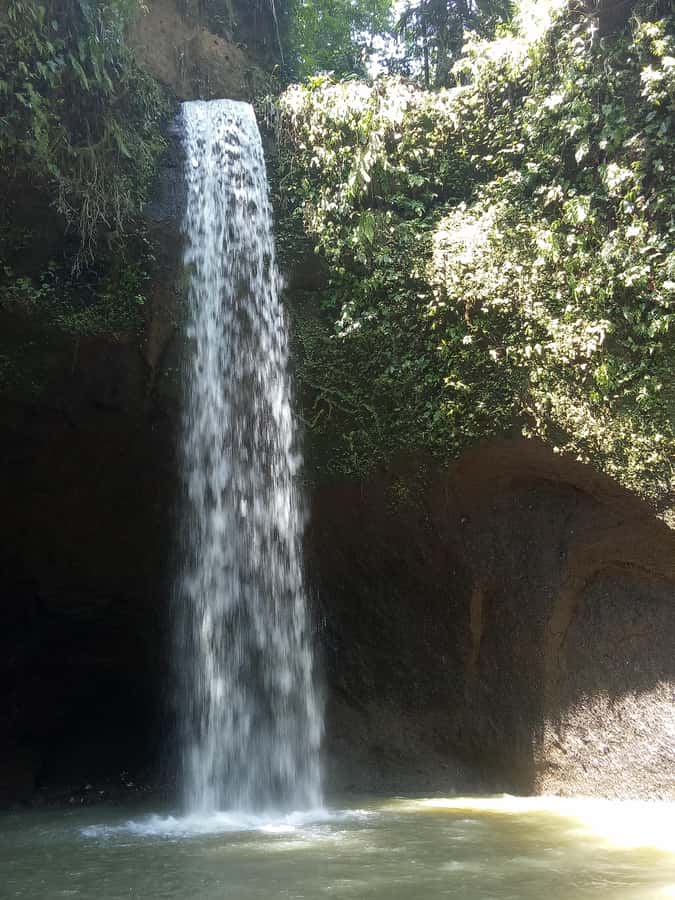
The first stop is Goa Gajah, often called the Elephant Cave, near Bedulu. The temple was built in the 11th century, giving you an early look at Bali’s religious architecture before the day moves toward larger temple complexes.
A guided visit is useful here because the site is more than a quick photograph at a carved entrance. Your Spanish-speaking guide can explain the religious role of the temple and help place its stonework within Bali’s older traditions. The information provided does not specify the exact length of the stop, so the time available will depend on traffic, entrance procedures, and the pace agreed with your guide.
Wear comfortable shoes. Temple areas can require walking, and the day contains several stops rather than one single attraction. Comfortable clothing is also important, both for the heat and for temple etiquette. Bring a camera, but keep your attention on the carvings and setting rather than treating Goa Gajah as only a photo stop.
Other Ubud days people book alongside this one:
- All-Inclusive Ubud Private Tour
★ 5.0 · 14,344 reviews - Best of Ubud Full-Day Tour with Jungle Swing
★ 5.0 · 8,571 reviews - Ubud: Monkey Forest, Jungle Swing, Rice Terrace, and Water Temple
★ 5.0 · 7,160 reviews
Tibumana Waterfall in Bangun Lemah
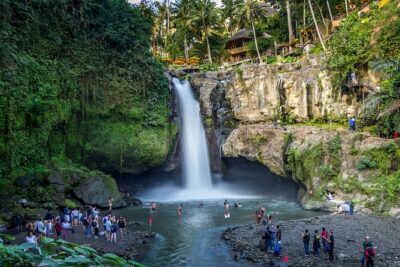
From Goa Gajah, the route continues to Tibumana Waterfall in Bangun Lemah, Bangli. The waterfall is set in thick rainforest, and this is presented as one of the less visited stops on the route.
That quieter setting is a major reason to choose this outing. You get a change of pace from carved temple courtyards and roadside driving. The sound of falling water and the forest surroundings create a more relaxed middle section to the day.
You may swim here, so pack a towel and bathing suit if that appeals to you. A change of clothes is wise even if you are not sure you will enter the water. Insect repellent also belongs in your day bag, since the stop is in a very lush forest setting.
The practical caution is simple: a waterfall visit is not just a viewpoint stop. You should expect some movement on foot, and wet clothing can become uncomfortable during the remaining hours in the car. If you prefer not to swim, you can still enjoy the setting and guided visit, but tell the guide how much time you want to spend there.
Kehen Temple and the giant ficus tree
The drive continues along less-used roads to Kehen Temple in Bangli. The temple is described as an example of 12th-century Balinese architecture, with a gigantic ficus tree growing within the complex.
Kehen may be the most peaceful stop of the day. Its appeal is not only the architecture, but the sense of quiet that comes from a slower visit. The setting is also presented as suitable for meditation, so you can give yourself a few minutes without rushing from one carved gateway to the next.
I would ask your guide to explain the temple’s layout and the role of the ficus tree. These details help you understand why the site feels different from a standard sightseeing stop. The Spanish explanation is especially valuable if you want more than a quick description in English or a guidebook paragraph.
As with the other temples, admission fees and donations are not included. You should also dress respectfully. The supplied information does not list a specific clothing rule, but comfortable, modest clothing is the sensible choice for a day centered on Balinese temples.
Besakih, the Mother Temple of Bali
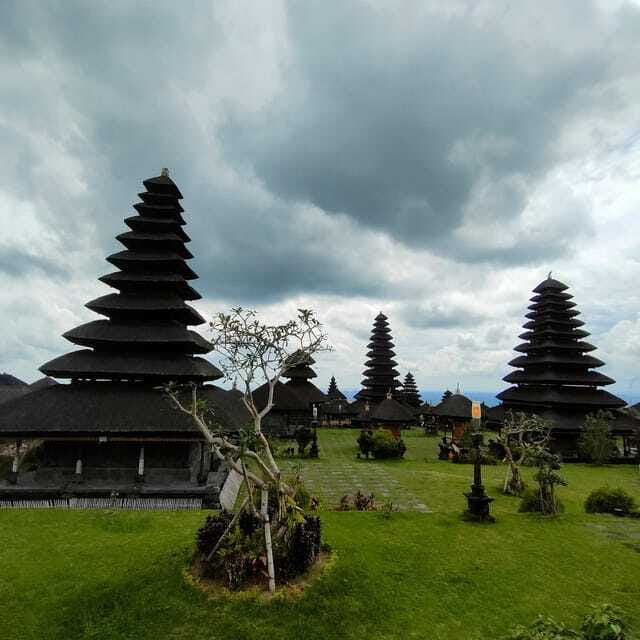
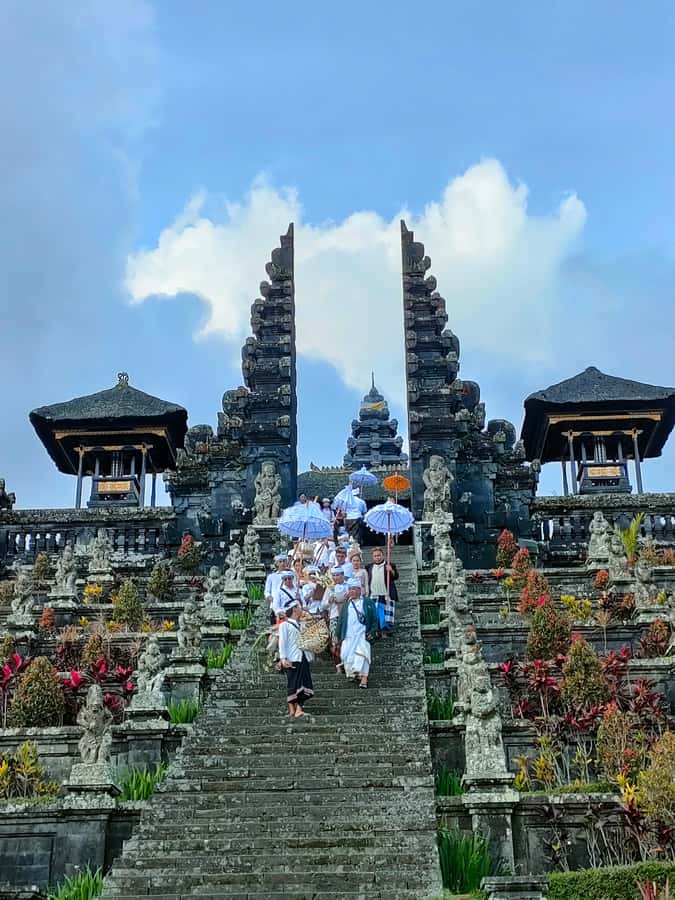
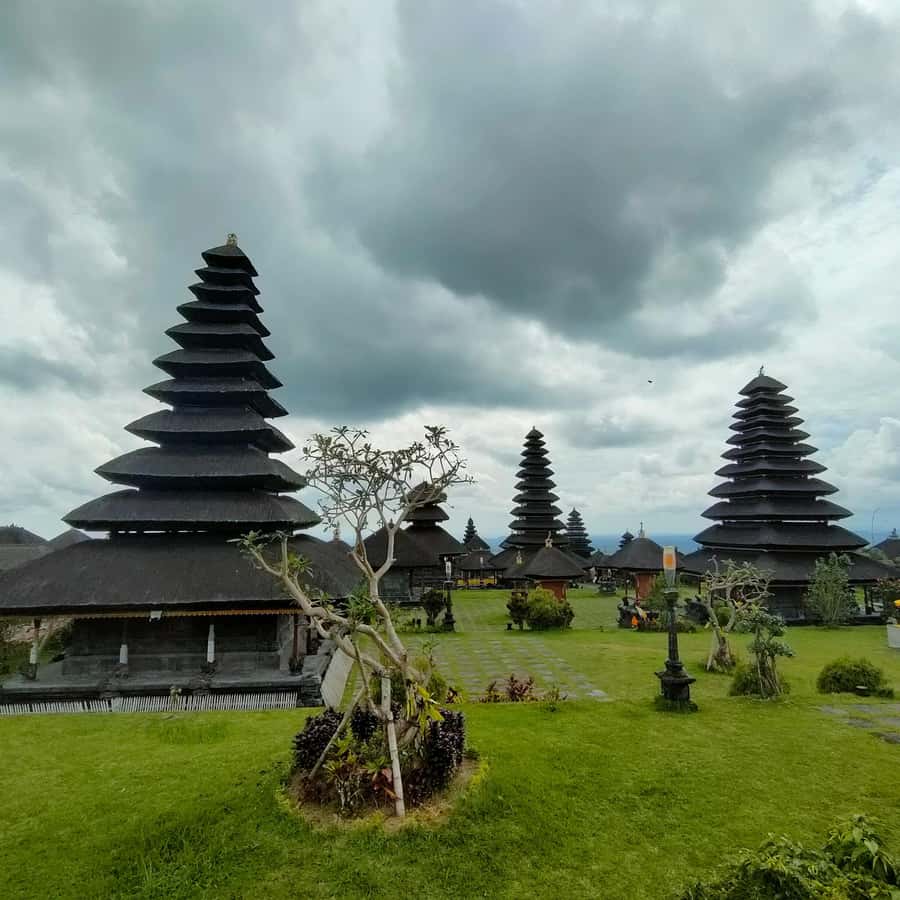
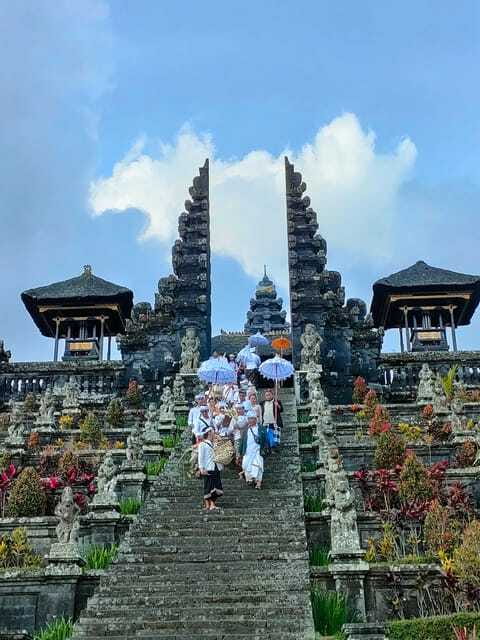
The final stop is Besakih Temple, the largest and most sacred religious site on the island according to the tour description. It sits on the slope of Mount Agung, at roughly 1,000 meters above sea level. Mount Agung rises to 3,142 meters and has the highest summit in Bali.
Besakih is known as the Mother Temple. That name tells you why this stop gives the day its strongest sense of scale and importance. After the smaller and quieter experience at Kehen, you arrive at a vast religious complex linked to Bali’s central spiritual life.
The mountain setting can add drama, but it can also bring changing weather and cooler conditions compared with lower parts of the route. The tour does not promise a clear view of Mount Agung, so treat the mountain as part of the setting rather than a guaranteed panorama.
A guide is helpful at Besakih because a large temple complex can feel confusing without context. You can ask questions in Spanish, understand what you are seeing, and avoid reducing the visit to a walk through gates and courtyards. The guide can also help you manage the final part of a long day, when energy and attention may be lower.
A completely different day out, same corner of Ubud:
- Ubud: Waterfalls, Water Temple & Rice Terraces Private Tour
★ 5.0 · 5,484 reviews - Ubud: All-Inclusive Tour with Optional Lunch
★ 4.9 · 5,438 reviews - Ubud: Guided ATV Quad Bike Jungle Adventure with Lunch
★ 4.8 · 4,881 reviews - Best of Ubud 1-Day Private Tour
★ 5.0 · 4,451 reviews
Why the Spanish-speaking guide matters
The guide is the main reason to book this tour instead of arranging a simple car and driver. You are not only being transported to four sites. The stated aim is to help you connect with Balinese culture, and the guide provides that connection in Spanish.
The strongest feedback focuses on clear Spanish, patience, friendliness, and the ability to adjust the plan. One guide was described as adapting to different group needs and dealing with Bali’s unpredictable roads without fuss. Another key point is comfort: the day is long, and having someone attentive beside you can make the hours between temples easier.
No individual guide name is provided, so you should not book this expecting a named specialist. Instead, confirm the guide’s name and language ability when your reservation is arranged. The activity is offered with a live Spanish-speaking guide, and the group remains private, which is useful if your party wants to ask many questions.
Some content may appear in its original language. If exact Spanish interpretation is important to you, clarify this before departure.
The $123 price and what it really covers
The price is $123 per private group of up to four people. If four people share the car, that works out to $30.75 per person before entrance fees, donations, food, and insurance. For a 10-hour private outing with an air-conditioned car, fuel, parking, hotel pickup, water, and a Spanish-speaking guide, that is a reasonable package price.
For one or two people, the per-person cost is higher. You are paying for privacy and direct attention rather than the lowest possible transport rate. That can be worthwhile if you care about asking questions, changing the pace, or avoiding a large group.
The exclusions deserve attention. Temple entrance fees and donations are separate, and there is no meal included. Bring cash as well as a credit card, since the information specifically recommends both. You will also want money for food during the day, though no restaurant or meal arrangement is specified.
Free cancellation is available up to 24 hours before the activity for a full refund. You can also reserve now and pay later, which helps if your Bali plans are still shifting.
What to pack for a 10-hour outing
Keep your belongings simple and practical. I would pack:
- Comfortable shoes for temple grounds and the waterfall visit
- A bathing suit and towel if you want to swim
- A complete change of clothes
- Insect repellent
- Cash and a credit card
- A camera
- Comfortable, respectful clothing
- Extra water if you prefer more than the two bottles supplied
Smoking is not allowed in the vehicle. Weapons, sharp objects, alcohol, drugs, fireworks, surfboards, fire-making equipment, and nudity are also prohibited. Most of these rules are obvious, but the surfboard restriction is worth noting if you are combining this trip with a beach stay.
The activity is not considered suitable for people over 95. No other age restriction is supplied, so families and mixed-age groups should discuss walking comfort with the provider before booking.
Who will get the most from this route
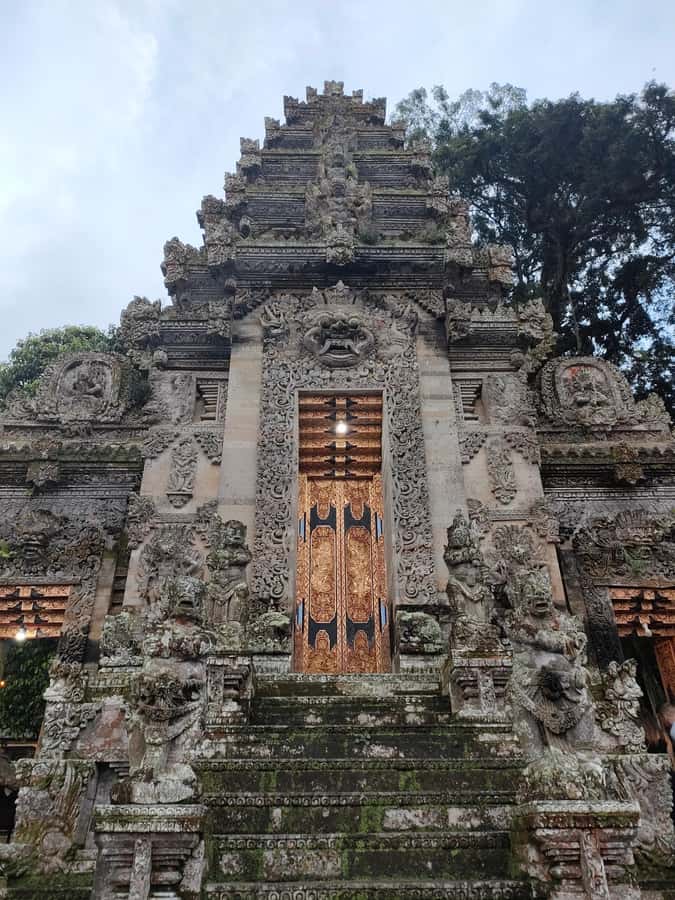
I would choose this tour if you want major cultural sites but do not want a standard package focused only on Bali’s most photographed places. The combination of Goa Gajah, Tibumana, Kehen, and Besakih gives you ancient stonework, forest, a waterfall, a quieter temple, and the island’s most important sacred complex in one day.
It suits Spanish-speaking couples, families, and small groups of friends who want a private vehicle and room for questions. It is also a good match if you value the guide’s cultural explanation as much as the sights themselves.
You should think twice if you dislike long road days or want an unhurried visit at every stop. Four major locations over 10 hours means driving is part of the experience. Traffic can affect the rhythm, and the entrance fees and food costs make the final bill higher than the headline price.
The waterfall may also be less appealing if you do not want to walk or change clothes. On the other hand, you can skip swimming and still enjoy the forest setting.
Should you book this Bali tour?
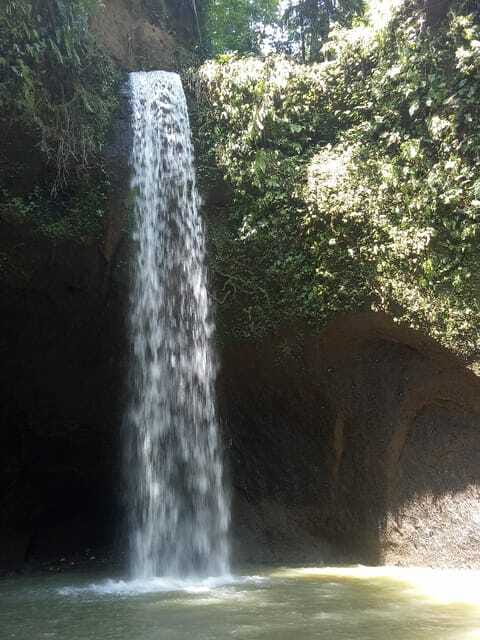
Book it if you want private transport, Spanish guidance, and a culture-focused route that reaches Besakih while adding two quieter stops and a waterfall. The guide’s reported patience and ability to adjust around road problems are especially valuable on a long Bali day.
I would not book it solely for the advertised price without budgeting for temple fees, donations, meals, and personal expenses. But with four people sharing the cost, the package offers solid value and a useful mix of famous and less familiar places.
The best plan is to start with comfortable clothes, cash, insect repellent, and a possible swim in mind. If you want a flexible Spanish-language introduction to Bali’s temples rather than a rushed photo circuit, this is a strong choice.
FAQ
How long does the tour last?
The tour lasts 10 hours, including the visits and travel between locations.
Which places can provide pickup?
Pickup is available from hotels in Ubud, Payangan, Kemenuh, and Sanur.
Where can the tour drop me off?
Drop-off is available in Payangan, Ubud, Sanur, and Kemenuh.
Is the tour private?
Yes. It is a private group experience for up to four people.
Is the guide Spanish-speaking?
Yes. The tour includes a live Spanish-speaking local guide.
Are temple entrance fees included?
No. Entrance fees and donations to temples or visits are not included.
Can I cancel for a refund?
Yes. You can cancel up to 24 hours in advance for a full refund.
Just added around Ubud
- Authentic hike in the forest with lunch at the inhabitant★ 5.0 · 3 reviews
- Heaven Gate, Tirtagangga and Tukad Cepung Waterfall – All Inclusive★ 5.0 · 3 reviews
- Half Day Uluwatu Temple Sunset, Kecak Dance and Seafood Dinner★ 3.5 · 3 reviews
- Ubud: White Water Rafting with visit Ubud Monkey Forest★ 5.0 · 3 reviews
- ️Bali All Inclusive Tour: Ubud – Tegalalang – Kintamani★ 5.0 · 3 reviews
- East Bali and Lempuyang Temple Tour★ 5.0 · 3 reviews
- Ubud: Temple, Swing, Waterfall, Rice Terrace & Monkey Forest★ 5.0 · 3 reviews
- Blue Lagoon Snorkeling and Lunch with Tukad Cepung Waterfall★ 5.0 · 3 reviews
Tours, compared.
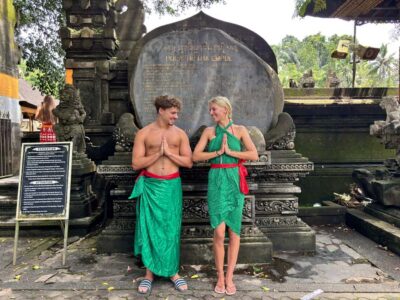
Waterfalls, Water Temple & Rice Terraces Private Tour
Read our review →
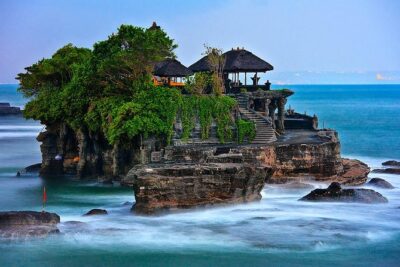
Tanah Lot and North Bali Tour: Scenic Journey
Read our review →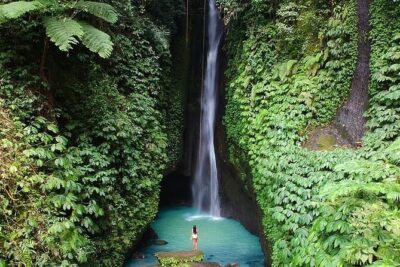
Full-Day Tour to Water Temples and UNESCO Rice Terraces in Bali
Read our review →