
Reviewed · TEMPLE TOURS
Bali: Gunung Kawi Temple & Pakerisan UNESCO Guided Tour
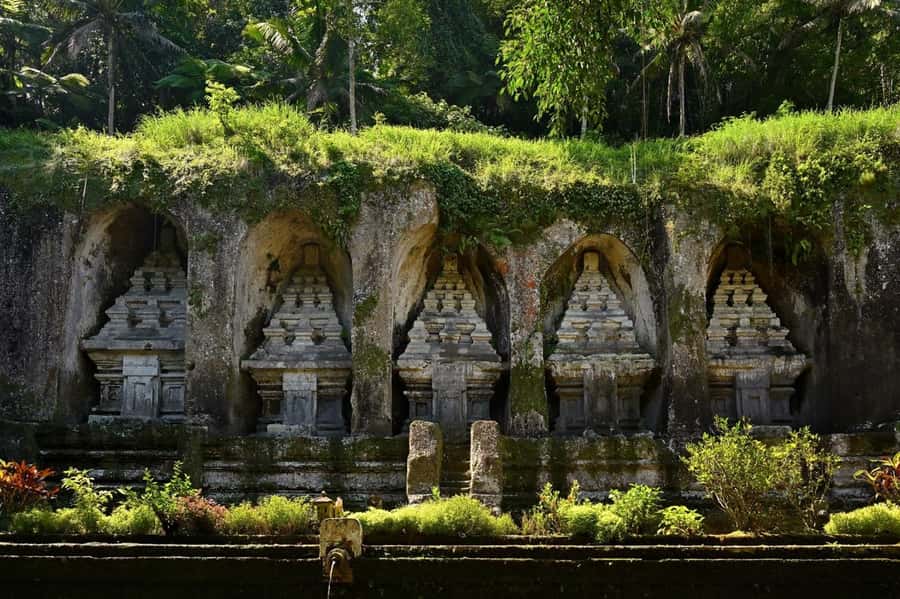
Gunung Kawi is the kind of Bali sight that rewards you before you even reach the temple. You descend 300 stone steps through palms and frangipani, leaving Ubud’s traffic behind as the Pakerisan River Valley opens below. At the bottom, ten cliff-cut shrines linked to 11th-century Balinese royalty make the walk worthwhile.
I like two things here. First, the local guiding adds meaning to the carvings, offerings, religion, and village life instead of leaving you to guess at the stones. Second, the site is often remarkably quiet, especially on an early visit. The drawback is plain enough: you must walk down and then back up 300 steps, and the heat can turn the return climb into the hardest part of the tour.
In This Review
- Key points to know before you book
- Why Gunung Kawi feels different from a standard Ubud stop
- The 300-step descent into the Pakerisan Valley
- The cliff shrines dedicated to Balinese royalty
- Sacred pools, stone gates, and daily offerings
- What the guide adds to a short visit
- Choosing your meeting point and transport
- Is $18 a good value?
- When to go and what to bring
- Who will enjoy Gunung Kawi most?
- Final verdict: should you book it?
- FAQ
- How long does the Gunung Kawi tour take?
- How many steps are there at Gunung Kawi?
- Can I choose hotel pickup?
- Can I meet the guide at Ubud Palace?
- Can I meet directly at Gunung Kawi Temple?
- What clothing should I wear?
- Is food included?
- Is the tour available in English?
- Can I cancel the tour?
Key points to know before you book
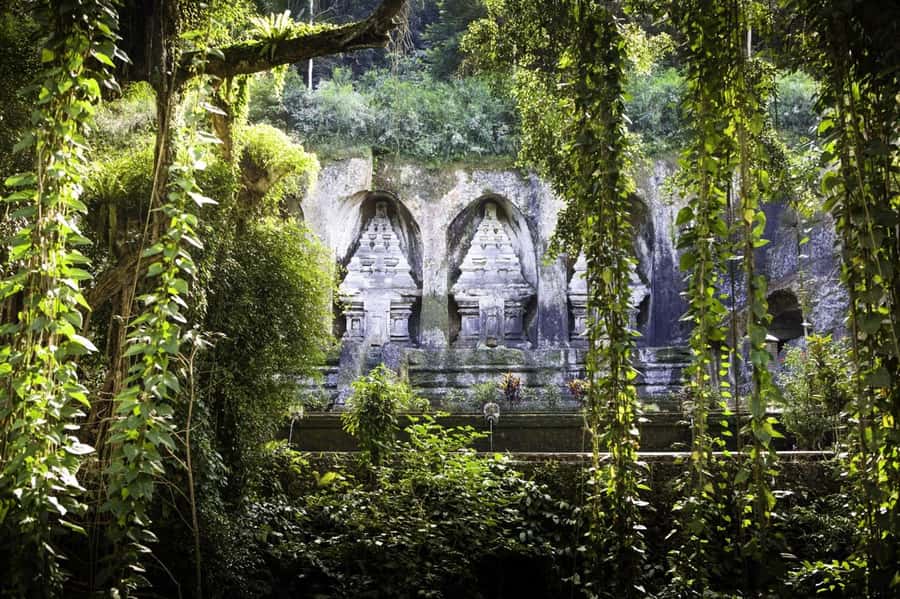
- Ten ancient shrines cut into the cliff: See the candi memorials connected with Balinese kings and officials.
- A peaceful Pakerisan Valley setting: Follow mossy paths beside sacred springs, bathing pools, rice terraces, and the river.
- Local guides who explain more than dates: Guides including Raka, Agus, Andrian, Kar, Sana, and Ketut have been praised for discussing Balinese Hinduism, Indonesian history, and countryside life.
- Three meeting choices: Meet at Gunung Kawi, arrange a transfer from Ubud Palace, or select hotel pickup from central Ubud.
- Best at 7:30 a.m. or later in the afternoon: Cooler temperatures make the stone steps easier and help preserve the site’s quiet mood.
- A low-cost cultural outing: At $18 per person, the tour offers guiding, water, insurance, and selected transport without taking a full day.
Why Gunung Kawi feels different from a standard Ubud stop
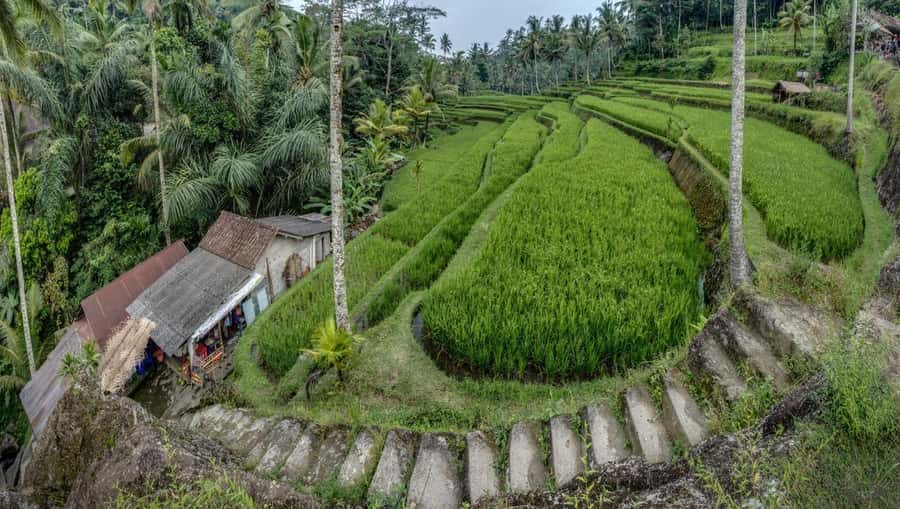
Many Ubud outings are built around quick photo stops. Gunung Kawi asks more of you physically, but gives you more time to notice the place. The route itself is part of the experience. You pass through a green valley, hear running water, and approach the shrine complex gradually rather than stepping straight from a car into a crowded courtyard.
The temple is part of the Pakerisan River Valley, a UNESCO World Heritage area. That designation matters here because the appeal is not limited to one carved monument. The river, springs, rice terraces, temple paths, bathing pools, and old stonework belong to one connected cultural setting.
Your guide helps explain why the shrines were cut into the cliff and how they relate to Balinese royalty. Guides such as Raka and Agus have been singled out for clear explanations of the site’s past, while Andrian has been praised for connecting the temple to Hindu, Balinese, and Indonesian history.
You should not expect a large museum-style presentation or a long formal lecture. This is a walking tour, and the strongest guides make use of what you are seeing at each moment. You can ask about the stone gates, the cloth wrapped around shrines, flower offerings, incense, local customs, and the relationship between religious life and nature.
More temple days around Ubud:
- Ubud: Monkey Forest, Jungle Swing, Rice Terrace, and Water Temple
★ 5.0 · 7,160 reviews - Ubud: Waterfalls, Water Temple & Rice Terraces Private Tour
★ 5.0 · 5,484 reviews - Full-Day Tour to Water Temples and UNESCO Rice Terraces in Bali
★ 5.0 · 2,539 reviews
The 300-step descent into the Pakerisan Valley
The first major part of the outing is the descent. The exact condition of the steps can vary, but the supplied information is clear about the scale: there are roughly 300 stone steps between the entrance and the temple area.
That makes comfortable shoes essential. Sandals with a firm sole may work for some people, but footwear with good grip is the safer choice. Bring water, even though mineral water is included, because you may want more during the walk and the return climb.
The route is shaded in places by palms and fragrant frangipani trees. It is a pleasant approach, yet you should not mistake the shade for an easy stroll. The climb back is uphill, and the tropical heat can build quickly. One well-timed departure was 7:30 a.m., a sensible choice if you want cooler conditions and fewer people around.
The tour is not suitable for people with mobility impairments, low fitness, respiratory issues, or epilepsy. It is also not suitable for pregnant women, babies under one year, or people over 70. The stated restrictions also exclude people over 95, so check the conditions carefully before booking if anyone in your group has health concerns.
The cliff shrines dedicated to Balinese royalty
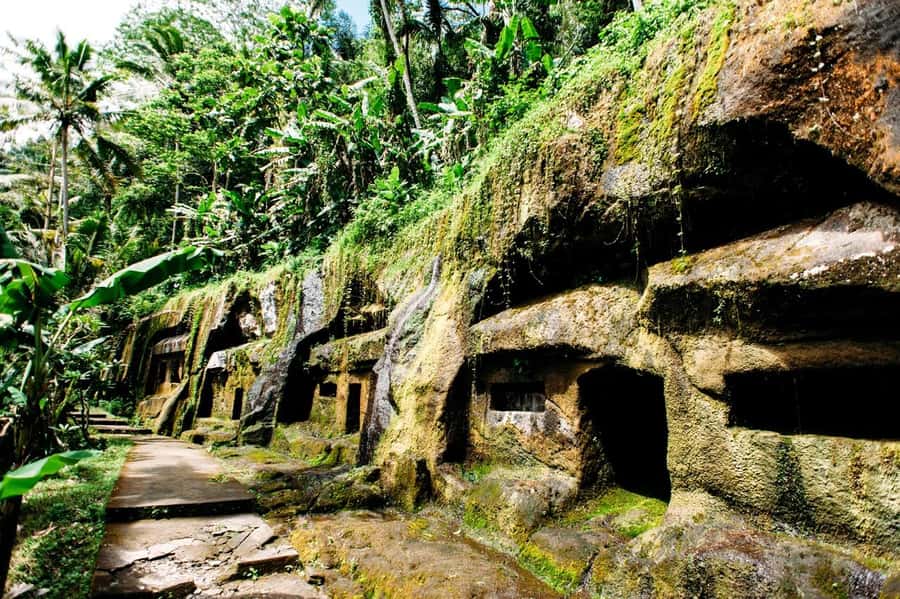
At the bottom, the main sight comes into view: ten large candi carved directly into the rock face. They are believed to date from the 11th century and are associated with Balinese royalty and officials.
The scale is impressive, but Gunung Kawi is not only about size. The shrines are memorials, and their setting gives them a solemn quality. You see the carved stone against the cliff, with vegetation and the valley around it, rather than a monument separated from its surroundings.
This is where a guide earns the fee. Without context, you can admire the carvings and move on. With Raka, Agus, Andrian, or another local guide, you can ask what the shrines represent, how they fit into Balinese spiritual traditions, and why the site remains active rather than being treated as a dead archaeological ruin.
The tone of the visit is generally respectful and calm. The best way to enjoy it is to slow down, listen, and avoid treating every corner as a photo set. One particularly useful detail from the experience is that the site may have only a few other people during an early visit. That gives you space to study the carvings and hear your guide without constant interruption.
Sacred pools, stone gates, and daily offerings
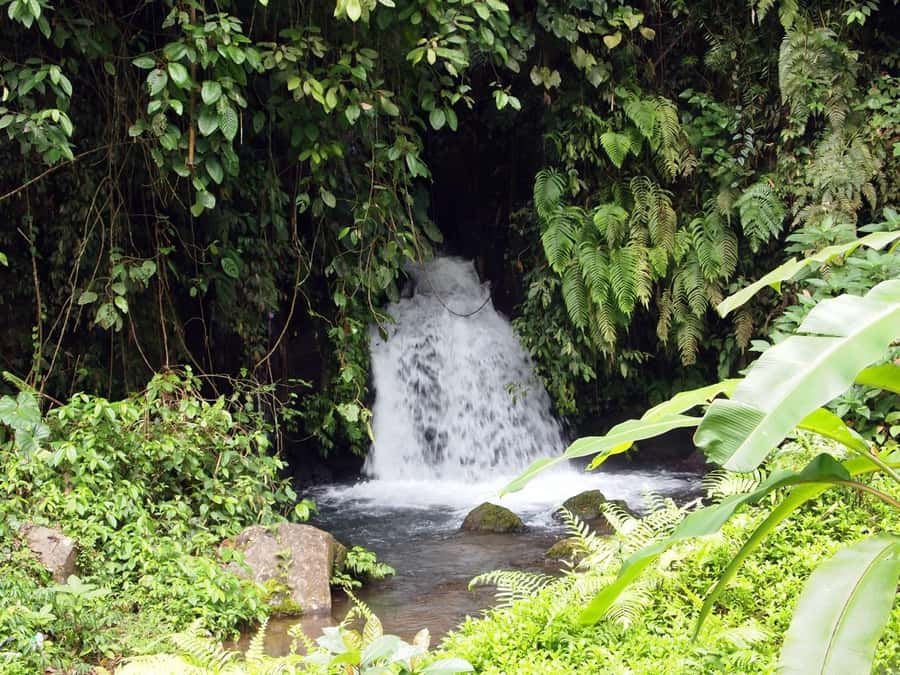
The walk continues beyond the main cliff carvings. Moss-covered paths lead to quiet courtyards and bathing pools fed by springs connected with the Pakerisan River.
Water is central to Balinese temple life, and these pools help you see how religion, landscape, and daily practice meet here. The sound of flowing water and birds makes this one of the best places to pause. You might sit quietly for a few minutes, but follow your guide’s instructions about where you may walk and what you may touch.
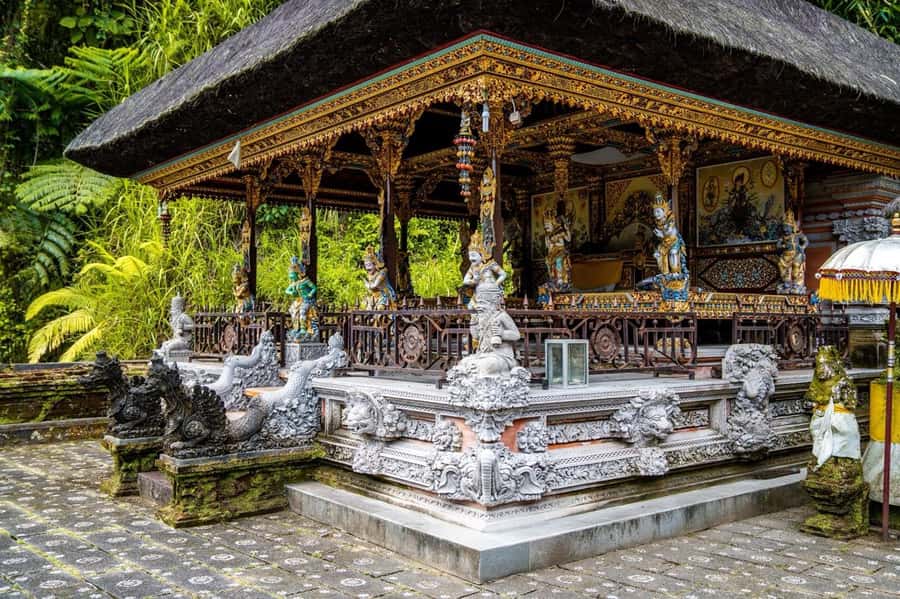
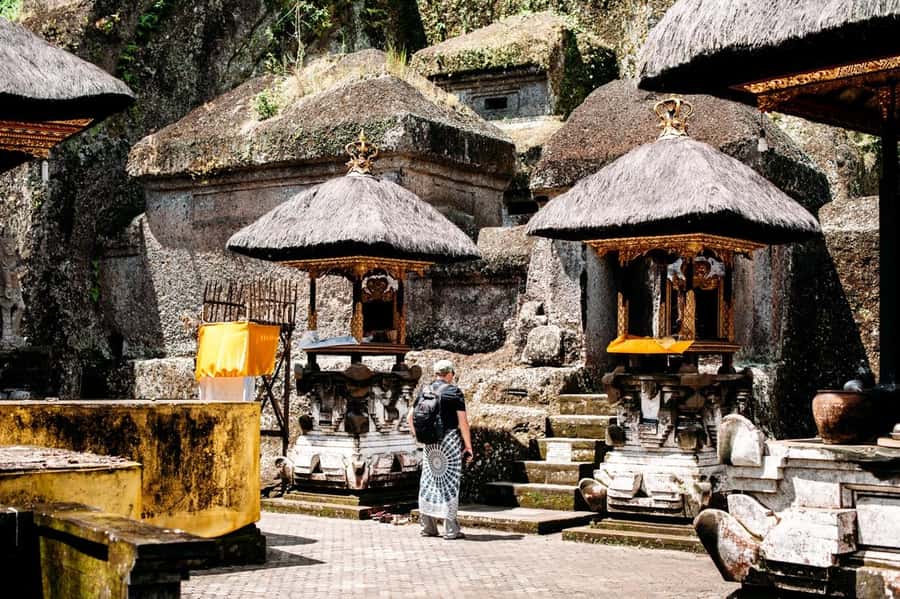
Inside the temple area, stone gates and shrines are dressed in traditional cloth. You will also see flower offerings and incense left by local devotees. These are not decorative props for a tour. They are part of living worship, so dress and behavior matter.
You must wear a sarong and sash at the temple. If you do not bring your own, one is available to rent at the entrance. Shorts are not allowed, so plan your clothing before leaving your hotel. A light, respectful outfit is also more comfortable in the heat than tight or heavy clothing.
You may make a small offering or simply offer a quiet prayer of gratitude, but you do not need to perform a ritual to appreciate the temple. Respectful observation is enough.
A few more Ubud half-days to weigh up
- Ubud: Guided ATV Quad Bike Jungle Adventure with Lunch
★ 4.8 · 4,881 reviews - Ubud: Sacred Monkey Forest Sanctuary Ticket and Guided Tour
★ 4.8 · 675 reviews - Ubud All-Inclusive Private Guide Tour
★ 5.0 · 422 reviews - Private Tour : Mount Batur Sunrise Trekking With Private Guide
★ 5.0 · 422 reviews
What the guide adds to a short visit
The tour lasts about two to four hours, depending on the meeting option, pace, and time spent at the temple. That is short enough to fit into a day around Ubud, but long enough for a proper walk and explanation.
The strongest part of the guiding is the connection between the monument and present-day Bali. Kar, for example, has been praised for discussing religion, local communities, life in the countryside, and the relationship between people and nature. Sana has been recommended for travelers interested in spirituality, while Ketut has been noted for combining conversation about Bali with broader suggestions for the island.
The guides speak English or Indonesian. English ability can vary by guide, but several guides, including Raka and the guide who led the French-speaking visitors, were praised for explaining the temple and local life clearly. If you have a special interest in Hindu practice, Balinese customs, or Indonesian history, raise those questions early in the walk.
A private or small-group feel is suggested by the personal guide names and direct conversations described in the experience details, but the exact group size is not provided. Do not book this expecting a guaranteed private tour unless your selected option says so.
Choosing your meeting point and transport
You have three practical ways to begin.
If you meet at Gunung Kawi Temple, you arrive independently and meet the local guide at the designated point. Be there 15 minutes early. This is the simplest choice if you already have transport and want the lowest-friction arrangement.
The Ubud Palace option includes a transfer by car with a driver guide. Be ready 15 minutes before the start time, and keep your phone connected to WhatsApp so the driver can contact you.
Hotel pickup is available from central Ubud if you select that option. The driver sends pickup details by email or WhatsApp the day before, or sometimes up to one hour before the activity. Wait in the hotel lobby 15 minutes early. A late arrival can reduce your tour time, which matters on a short outing.
The listed drop-off choices are Pura Gunung Kawi Sebatu, Ubud, and Ubud Palace. Since the transfer details depend on the option you book, check the exact selection rather than assuming your hotel is included.
Is $18 a good value?
At $18 per person, this is a strong value for a guided cultural visit, especially if you choose the option that includes transport from central Ubud. You receive the temple guiding, mineral water, tax, and insurance. Hotel transfer or Ubud Palace transfer is included only when that option is selected.
The price works best for someone who wants interpretation rather than simply an entrance ticket. A local guide can explain details you would likely miss, from the royal purpose of the cliff shrines to the significance of cloth, offerings, springs, and temple etiquette.
Food and personal expenses are not included. This is not a full-day tour with lunch, multiple attractions, or extensive driving. Think of it as a focused half-day outing, although the walking portion may take only two to four hours.
That limited length is a benefit if you are building an Ubud schedule. You can pair it with other plans, but do not place a demanding activity immediately afterward if you know steep steps tire you.
When to go and what to bring
Early morning is the best choice for most people. The cooler air helps with the steps, and the temple is more likely to feel quiet. Late afternoon is another good period for avoiding the strongest heat, though you should confirm the available starting time.
Bring:
- Comfortable shoes with a secure sole
- Drinking water
- A sarong and sash, or money to rent them at the entrance
- Clothing that covers the legs and shoulders respectfully
- A phone connected to WhatsApp if you are using a transfer option
Shorts are not allowed. The tour is not designed for anyone who needs a step-free route, and there is no food or drink stop included, so eat beforehand if you need a proper meal.
The path can be beautiful and calming, but you should pace yourself. Stop when needed, listen to your body, and tell the guide if the uphill return becomes difficult.
Who will enjoy Gunung Kawi most?
I would recommend this tour to you if you want a quieter Ubud experience with real cultural context. It suits solo visitors particularly well because the guide can make the walk conversational. One solo participant had a good experience with Ketut, who kept the discussion flowing throughout the outing.
It also suits couples and small groups who prefer temples, countryside, and history over shopping stops or staged attractions. If spirituality interests you, the spring-fed pools, offerings, and active worship give the visit extra depth.
I would be cautious about recommending it to anyone with limited fitness or a strong dislike of stairs. The 300-step descent is not a minor detail. You will need to climb those steps again, often in warmer conditions.
The temple is also less suitable if your main goal is a fast series of dramatic photographs. You can take pictures, but the setting asks for patience and respect. Its appeal comes from quiet observation, careful guiding, and the connection between the shrine complex and the river valley.
Final verdict: should you book it?
Book this tour if you want a low-cost, well-guided visit to one of Bali’s more peaceful temple settings and you can manage 300 steps in tropical weather. The best reasons to go are the cliff-cut royal shrines, the Pakerisan River Valley, and guides who explain religion and local life in a personal way.
Choose an early departure, wear proper temple clothing, and select hotel pickup or Ubud Palace transfer if transport around Ubud is inconvenient. Skip it if stairs, heat, or mobility limits will make the return climb stressful. For fit visitors who want a calm cultural morning rather than a crowded photo stop, Gunung Kawi offers very good value at $18.
FAQ
How long does the Gunung Kawi tour take?
The tour lasts between two and four hours. The exact length depends on the selected meeting option, starting time, walking pace, and time spent at the temple and Pakerisan River.
How many steps are there at Gunung Kawi?
You descend about 300 stone steps to reach the temple and valley area. You must climb the same route back up, so comfortable shoes and water are important.
Can I choose hotel pickup?
Yes. Hotel transfer is available from central Ubud when you select that option while booking. Pickup details are sent by email or WhatsApp the day before, or up to one hour before the activity.
Can I meet the guide at Ubud Palace?
Yes. The Ubud Palace option includes a transfer to Gunung Kawi by car with a driver guide. Be ready 15 minutes before the scheduled start and keep your phone connected to WhatsApp.
Can I meet directly at Gunung Kawi Temple?
Yes. If you select the temple meeting option, arrive 15 minutes before the activity begins and meet the local guide at the designated meeting point.
What clothing should I wear?
Wear a sarong and sash as a sign of respect. Sarongs may be rented at the entrance if needed, and shorts are not allowed. Comfortable walking shoes are also essential.
Is food included?
No. Food and drinks are not included. Mineral water is included, but you should bring additional water if needed.
Is the tour available in English?
Yes. Live guiding is available in English and Indonesian. The guide assigned to your booking may vary.
Can I cancel the tour?
You can cancel up to 24 hours before the activity for a full refund. The reserve-now-and-pay-later option is also available, depending on the booking conditions.
Just added around Ubud
- Authentic hike in the forest with lunch at the inhabitant★ 5.0 · 3 reviews
- Heaven Gate, Tirtagangga and Tukad Cepung Waterfall – All Inclusive★ 5.0 · 3 reviews
- Half Day Uluwatu Temple Sunset, Kecak Dance and Seafood Dinner★ 3.5 · 3 reviews
- Ubud: White Water Rafting with visit Ubud Monkey Forest★ 5.0 · 3 reviews
- ️Bali All Inclusive Tour: Ubud – Tegalalang – Kintamani★ 5.0 · 3 reviews
- East Bali and Lempuyang Temple Tour★ 5.0 · 3 reviews
- Ubud: Temple, Swing, Waterfall, Rice Terrace & Monkey Forest★ 5.0 · 3 reviews
- Batur Volcano Jeep Tour & Explore Best Waterfall in Bali★ 5.0 · 3 reviews
Temple Tours, compared.

Monkey Forest, Jungle Swing, Rice Terrace, and Water Temple
Read our review →
Waterfalls, Water Temple & Rice Terraces Private Tour
Read our review →
Full-Day Tour to Water Temples and UNESCO Rice Terraces in Bali
Read our review →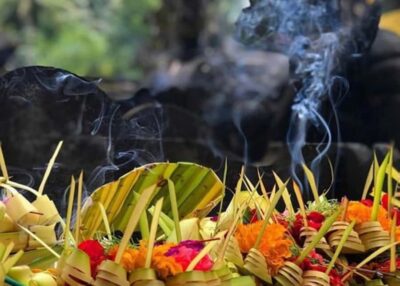
Temple Tour with Optional Spiritual Cleansing
Read our review →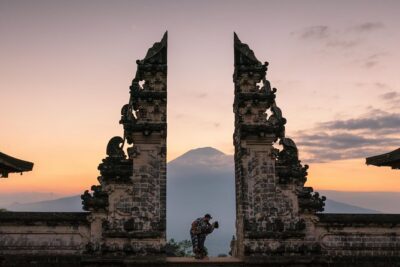
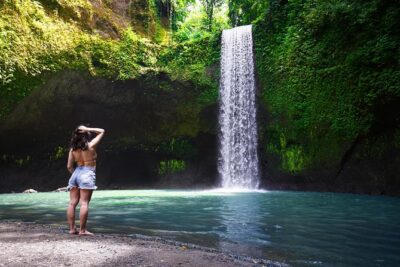
Ubud Top Attractions: Waterfalls, Temples and Rice Terraces
Read our review →
Private Tour: Uluwatu Temple & Southern Bali Highlights
Read our review →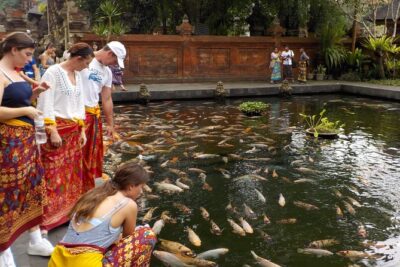
Half-Day Ubud Electric Cycling Tour to Tirta Empul Water Temple
Read our review →Browse the lists this tour appears in