
Reviewed · UBUD
A Fascinating View of Eastern Bali
East Bali gives you a different side of the island, one shaped by old royal courts, fishing villages, sacred caves, and water gardens. This full-day route links Kerta Gosa, the former Hall of Justice, with Tirta Gangga, a graceful palace of pools and fountains, then adds Goa Lawah and the traditional village of Tenganan.
I like the mix of major sights and local details, especially the black-sand coast near Kusamba and the chance to see gringsing cloth being woven in Tenganan. I also like that transport, entrance fees, lunch, and hotel pickup are included. The tradeoff is time: East Bali is far from Ubud, so expect a long day with several hours on the road.
In This Review
- Key points to know before booking
- Why East Bali deserves a full day
- Kerta Gosa and the old Klungkung court
- Kusamba’s coast and the road to Goa Lawah
- Pura Goa Lawah, the bat cave temple
- Lunch with a local restaurant stop
- Tirta Gangga, Bali’s royal water palace
- Tenganan and the making of gringsing cloth
- Guides, language, and the private-tour format
- Is $93.60 good value?
- Practical details that can make the day easier
- Who should book this East Bali tour?
- FAQ
- How long does the East Bali tour last?
- Where does the tour depart from?
- Is this a private tour?
- What is included in the price?
- Are drinks included with lunch?
- What should I wear to the temples and palaces?
- Can I request a guide who speaks another language?
- Can I cancel for a full refund?
- Should you book it?
Key points to know before booking
- Kerta Gosa’s ceiling murals show the former Klungkung court’s ideas about justice and morality.
- Goa Lawah is a temple built around a bat-filled cave near Bali’s eastern coast.
- Tirta Gangga gives you ornate pools, fountains, statues, and a look at Bali’s royal past.
- Tenganan preserves old village customs and the rare gringsing double-ikat weaving tradition.
- Lunch, admission fees, and air-conditioned transport are included, but drinks, tips, shopping, and personal costs are not.
- Pickup is included in Ubud and selected South Bali areas, while airport, harbor, and outlying accommodation transfers cost extra or are not available.
Why East Bali deserves a full day
Many first-time visitors stay around Ubud, the southern beaches, and the central rice-growing areas. East Bali feels less familiar and more scattered. The sights are not close together, but that distance is part of the appeal. You move from the old Klungkung court to a coastal temple, then inland to a royal water palace and an unusual traditional village.
This is not a quick photo-stop tour. The stated duration is about 10 hours, beginning around 8 a.m. and returning before sunset. That makes it a demanding day, but also a useful choice if you have limited time and want several eastern highlights without arranging separate drivers and tickets.
The tour operates on a private basis, meaning only your group participates. That matters in Bali, where traffic can affect the pace of a day. You can ask questions, spend longer at a sight, or move on when you have seen enough. The private setup is especially useful for families and small groups, though the per-person price is higher than a basic shared excursion.
Other Ubud days people book alongside this one:
- All-Inclusive Ubud Private Tour
★ 5.0 · 14,344 reviews - Best of Ubud Full-Day Tour with Jungle Swing
★ 5.0 · 8,571 reviews - Ubud: Monkey Forest, Jungle Swing, Rice Terrace, and Water Temple
★ 5.0 · 7,160 reviews
Kerta Gosa and the old Klungkung court
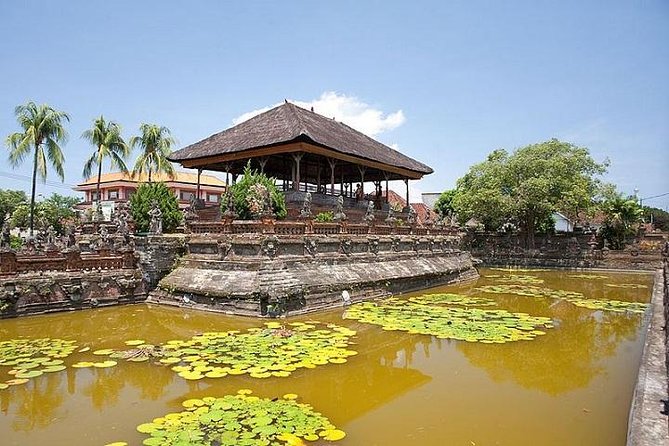
The first stop is Kerta Gosa Park in the Klungkung Regency. Built in the 18th century, Kerta Gosa is known as the Hall of Justice. Its most memorable feature is the painted ceiling, covered with scenes linked to wrongdoing, punishment, morality, and the afterlife.
The setting is calmer than the name suggests. Moats and carefully maintained grounds surround the court buildings, giving you time to look closely rather than simply walk through a large complex. The murals are the reason to come, and a good guide can explain the stories behind the figures and scenes.
I would allow the full hour here. Look upward before rushing toward the next photo. The ceiling paintings are detailed, and their meaning is easier to follow when your guide explains how the former court used visual stories to communicate rules and consequences.
This stop also provides useful context for the rest of the day. Bali is often presented through temples and ceremonies, but Kerta Gosa shows the island’s political past. It reminds you that Bali had royal courts, legal systems, and regional power centers long before modern tourism arrived.
Kusamba’s coast and the road to Goa Lawah

The route continues through Kusamba, a fishing village on the eastern coast. The shore is known for black sand, colorful outrigger boats, fishing activity, and traditional salt making. The stop is more about seeing everyday coastal life than entering a formal attraction.
The salt-making detail is worth noting. Local families have traditionally worked with seawater and coastal conditions to produce salt, adding another layer to the fishing economy. You may not spend a long formal period here, but the road itself gives you changing views of boats, shoreline settlements, and the sea.
This is one reason I prefer this route to a list of inland monuments. You are not moving only from one ticketed site to another. You also see how people work and live along the coast. Bring a camera, but keep your equipment protected from sun, salt, and other natural elements.
The road section can also be the least predictable part of the day. Bali traffic is not included in the advertised timing, and the eastern route covers real distance. If you dislike long drives, this tour may feel tiring. If you enjoy watching the island change outside the vehicle window, the drive adds value.
Pura Goa Lawah, the bat cave temple
Pura Goa Lawah is one of Bali’s better-known cave temples. The name refers to the cave, which contains a large colony of bats. The temple sits near the coast and is an important religious site, so you should treat it as a place of worship rather than just a wildlife stop.
The bat cave is the unusual feature, but the temple setting matters just as much. You will see the contrast between dark rock, temple architecture, offerings, and the open coastal surroundings. The stop lasts about an hour and a half, including admission.
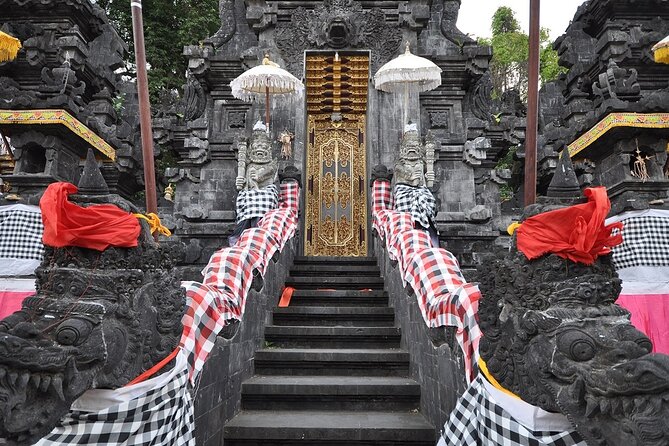
Dress properly here. Shoulders should be covered, and clothing should fall below the knees. Clothing with offensive or disrespectful images may lead to refusal at royal temples and palaces. A sarong or suitable covering may be required, but you should dress modestly from the start to avoid delays.
Goa Lawah is not a quiet natural cave visit. It is an active sacred site, and the smell and sound of the bats can be strong. That is part of the experience, though it may not suit anyone who wants a polished garden or museum stop.
A completely different day out, same corner of Ubud:
- Ubud: Waterfalls, Water Temple & Rice Terraces Private Tour
★ 5.0 · 5,484 reviews - Ubud: All-Inclusive Tour with Optional Lunch
★ 4.9 · 5,438 reviews - Ubud: Guided ATV Quad Bike Jungle Adventure with Lunch
★ 4.8 · 4,881 reviews - Best of Ubud 1-Day Private Tour
★ 5.0 · 4,451 reviews
Lunch with a local restaurant stop
Lunch is included at a local restaurant, but the inclusion covers food only. Drinks and personal purchases are extra. The precise menu and restaurant are not fixed in the supplied details, so you should tell the operator about dietary needs when booking.
There is some useful flexibility here. The tour makes every effort to handle special diets, but the restaurant choice may limit what can be confirmed ahead of time. If you have strict dietary requirements, repeat them to the guide at pickup and carry any essentials you need.
One deluxe option has been associated with a sea-view lunch and especially good food, so ask what your selected package includes before paying. Do not assume every booking receives the same dining arrangement. The important value is convenience: you do not have to find lunch while crossing a rural part of the island.
Tirta Gangga, Bali’s royal water palace
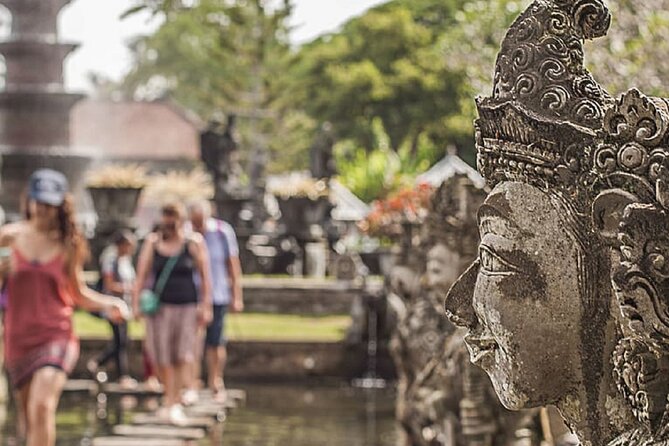
Tirta Gangga is the visual centerpiece of the day. The name is commonly associated with sacred water, and the site is built around pools, fountains, ornamental ponds, statues, and formal paths. It was created as a royal water palace and still carries that connection to Bali’s former rajahs.
The design rewards a slow walk. Take time to study the figures standing in the water, the patterns of the pools, and the way the palace buildings frame the garden. This is a place where photographs come easily, but the details are better when you pause.
The tour allows about 90 minutes here. That is enough for a thoughtful visit, though you may wish for more time if you like gardens or architecture. The pools and paving can be wet, so sensible footwear helps. Sun protection is also important. Bring sunglasses, a hat, and high-SPF sunscreen even on cloudy days.
Some tour options or descriptions may mention swimming at a royal pool, but the supplied route describes a visit to the palace grounds rather than a guaranteed swim. If swimming matters to you, ask before booking and bring suitable clothing only if the operator confirms it.
Tirta Gangga works well after the coastal and cave stops because its mood is different. Goa Lawah is dark, earthy, and religious. Tirta Gangga is open, orderly, and decorative. The contrast keeps the day from feeling repetitive.
Tenganan and the making of gringsing cloth
The final scheduled stop is Tenganan Aga, an original Balinese village known for preserving old customs. The village is associated with the Bali Aga tradition, which developed apart from some of the later cultural influences that shaped much of the island.
The most distinctive craft here is gringsing cloth, also called kamben gringsing. Local women may demonstrate the weaving of this famous patterned textile, which is traditionally believed to protect the wearer from evil. The cloth is made using a rare double-ikat technique, in which threads are carefully patterned before weaving.
This is a more intimate stop than Tirta Gangga. You are not simply looking at a finished monument. You are seeing a living craft tradition and hearing why the cloth carries spiritual meaning. If shopping is offered, treat it as optional. Purchases are not included, and personal spending is your responsibility.
Tenganan also gives the day a strong finish. After royal buildings, a temple, and the coast, you see a community connected to older village customs. The one-hour visit is enough for an introduction, though the depth of your experience will depend on the guide’s explanation and what is open that day.
Guides, language, and the private-tour format
The tour includes an English-speaking guide and a professional driver in an air-conditioned vehicle. The guide is not just there to point out buildings. The best value comes from explanations about Klungkung, temple etiquette, royal history, village customs, and gringsing cloth.
Santi has been specifically associated with this route and speaks French as well as English. Other languages can be requested, subject to availability and an added charge. If language support is important, arrange it before the tour rather than assuming it will be available on the morning of departure.
The private format gives you a more personal day than a large bus excursion. You can ask for clarification and discuss how much time to spend at each stop. Still, private does not mean the road will be private. Traffic, weather, temple activity, and local conditions can affect the schedule.
Is $93.60 good value?
At $93.60 per person, the price is reasonable if you value convenience and want a full eastern route in one day. You receive hotel pickup and drop-off in covered areas, private air-conditioned transport, an English-speaking guide, entrance fees, lunch food, taxes, and service charges.
The price is less attractive if you are already arranging a private driver or if you prefer to visit only one or two sights at your own pace. East Bali’s distances make transport a meaningful part of the cost, however. Paying for a coordinated route saves you from arranging separate admissions, navigation, and lunch.
Check the pickup rules carefully. Included return transfers apply to Ubud and listed South Bali areas such as Sanur, Kuta, Nusa Dua, Jimbaran, Legian, and Seminyak. Airport, harbor, and accommodation outside those zones are excluded or require a supplement. Private homes, apartments, and unregistered accommodation may also require you to meet at a nearby hotel.
Practical details that can make the day easier
Wear clothing that covers your shoulders and reaches below the knees. This is not merely a suggestion at royal temples and palaces. Inappropriate clothing can prevent entrance.
Pack sunscreen, sunglasses, a hat, water, and comfortable shoes. Protect cameras and phones from sun, salt, rain, and other natural conditions. The operator does not accept responsibility for damage caused by failing to protect electronic equipment.
The tour does not operate on Nyepi, Bali’s Day of Silence. The date changes each year, so check the local calendar if your visit falls near March.
Confirmation is provided when you book. The exact pickup time may be confirmed later, sometimes the day before, because of operational details. Give accurate hotel information, and do not change your accommodation within 24 hours without approval. A late change or no-show can lead to cancellation charges.
Free cancellation is available if you cancel at least 24 hours before the 8 a.m. start time. Cancellations or changes made within 24 hours are not accepted for a refund.
Who should book this East Bali tour?
I would choose this tour if you are staying in Ubud or South Bali and want to see several eastern sights without hiring a separate driver. It suits couples, families, and small groups who prefer a private vehicle and a guide who can explain the cultural setting.
It is also a good fit if you value variety. You get court murals, a fishing coast, a bat cave temple, a royal water garden, and an old village craft tradition in one day.
I would hesitate if you want a slow, deeply focused visit to Tirta Gangga or Tenganan. The route covers a lot of ground, and the 10-hour schedule can feel full. I would also confirm any deluxe additions, swimming opportunities, or special lunch arrangements before booking, since those details may differ from the standard route.
FAQ
How long does the East Bali tour last?
The tour lasts approximately 10 hours and begins at around 8:00 a.m.
Where does the tour depart from?
Pickup is offered from Ubud and selected South Bali areas, including Sanur, Kuta, Nusa Dua, Jimbaran, Legian, and Seminyak.
Is this a private tour?
Yes. The activity operates on a full private basis, so only your group participates.
What is included in the price?
The price includes an English-speaking guide, an air-conditioned vehicle with a professional driver, entrance fees for the listed stops, lunch food, taxes, and service charges.
Are drinks included with lunch?
No. Lunch food is included, but drinks and other personal expenses are not.
What should I wear to the temples and palaces?
Wear clothing that covers your shoulders and falls below the knees. Clothing with offensive or disrespectful images may lead to refusal of entrance.
Can I request a guide who speaks another language?
Yes. Other languages can be requested, but availability is not guaranteed and supplementary charges may apply.
Can I cancel for a full refund?
You can receive a full refund if you cancel at least 24 hours before the experience starts. Changes or cancellations within 24 hours are not accepted for a refund.
Should you book it?
Book this tour if you want a well-filled day of East Bali highlights, private transport, and cultural explanation rather than a do-it-yourself road trip. The strongest reasons are the unusual combination of Kerta Gosa, Goa Lawah, Tirta Gangga, and Tenganan, plus the convenience of included admission and lunch.
Skip it if long drives wear you down or if you prefer to spend half a day at one palace or village. For most visitors based in Ubud, though, $93.60 buys a practical route through a part of Bali that is easy to miss on a shorter island visit.
Just added around Ubud
- Authentic hike in the forest with lunch at the inhabitant★ 5.0 · 3 reviews
- Heaven Gate, Tirtagangga and Tukad Cepung Waterfall – All Inclusive★ 5.0 · 3 reviews
- Half Day Uluwatu Temple Sunset, Kecak Dance and Seafood Dinner★ 3.5 · 3 reviews
- Ubud: White Water Rafting with visit Ubud Monkey Forest★ 5.0 · 3 reviews
- ️Bali All Inclusive Tour: Ubud – Tegalalang – Kintamani★ 5.0 · 3 reviews
- East Bali and Lempuyang Temple Tour★ 5.0 · 3 reviews
- Ubud: Temple, Swing, Waterfall, Rice Terrace & Monkey Forest★ 5.0 · 3 reviews
- Blue Lagoon Snorkeling and Lunch with Tukad Cepung Waterfall★ 5.0 · 3 reviews